
USB-C, Lightning, Micro USB: What’s the Difference?

USB-C, Lightning, and Micro USB represent three distinct charging and data transfer standards, each with different capabilities and device compatibility. USB-C is the modern universal connector supporting the fastest charging and data speeds across most new devices. Lightning remains Apple’s proprietary standard for iPhones and iPads. Micro USB, while largely phased out, still appears in budget electronics and older gadgets. Understanding these differences helps businesses make smarter purchasing decisions when selecting IT gadgets for corporate use. Key Takeaways The Technical Breakdown: Three Standards, Three Use Cases USB-C: The Future-Ready Universal Connector According to a 2024 report by Grand View Research, the global USB Type-C market is projected to reach $120.6 billion by 2030, growing at a compound annual growth rate of 24.8% from 2024 to 2030. This explosive growth reflects industry-wide adoption across smartphones, laptops, tablets, and peripheral devices. What makes USB-C the dominant standard? The reversible 24-pin design eliminates the frustration of插错方向. More importantly, USB-C supports multiple protocols through a single port. You can charge a laptop at 100W, transfer 4K video files at 10Gbps, and connect to external monitors through the same cable. For corporate environments, this means one cable type can handle diverse device requirements. We’ve observed businesses reduce their cable inventory by 60% after standardizing on USB-C infrastructure. The connector works with Windows laptops, Android phones, recent iPads, and even modern Bluetooth earbuds that feature USB-C charging cases. Lightning: Apple’s Walled Garden Approach Apple introduced Lightning in 2012 as a replacement for the bulky 30-pin connector. While the 8-pin reversible design was revolutionary at the time, it remains locked to Apple’s ecosystem. iPhones, AirPods, older iPad models, and some accessories exclusively use this standard. The limitation becomes clear in data transfer speeds. Lightning maxes out at USB 2.0 speeds (480Mbps), while USB-C variants can hit 40Gbps with Thunderbolt 4 support. For businesses managing mixed-device fleets, Lightning cables create compatibility headaches. An employee with an iPhone needs different charging infrastructure than colleagues using Android devices. What most people miss is the business cost. Proprietary Lightning cables typically cost 40-60% more than equivalent USB-C alternatives. Apple’s MFi (Made for iPhone) certification program adds licensing fees that manufacturers pass to consumers. Micro USB: The Legacy Standard Still Lurking Micro USB dominated the smartphone market from 2007 to 2017. This 5-pin connector appears in older Android phones, wireless keyboards, portable speakers, and budget electronics. The asymmetrical design requires careful alignment before insertion. Charging speeds rarely exceed 10W with standard Micro USB cables, though some Quick Charge variants push higher. Data transfer tops out at 480Mbps, identical to Lightning. For corporate buyers, Micro USB represents outdated technology that limits device performance and user experience. We still encounter Micro USB in promotional electronics and IT gadgets like branded power banks and conference room remotes. While functional, these devices signal a company hasn’t updated its procurement standards. What This Means for Your Business Technology Strategy Corporate buyers face practical questions when selecting office gadgets. Should you stock all three cable types? The answer depends on your existing device ecosystem and replacement timeline. Inventory Simplification: Companies with BYOD (Bring Your Own Device) policies need multi-cable charging stations. However, new purchases should prioritize USB-C compatibility. This reduces the number of unique cables IT departments must stock and troubleshoot. Power Delivery Considerations: USB-C with Power Delivery (PD) can charge laptops, tablets, and phones from a single 65W or 100W adapter. This matters for hot-desking environments where employees share charging infrastructure. Lightning and Micro USB require separate, lower-power adapters. Wireless Technology Integration: Modern Bluetooth-powered gadgets increasingly adopt USB-C for charging while maintaining wireless connectivity for data. This hybrid approach combines cable-free operation with fast, universal charging. Regulatory Compliance: The European Union’s Common Charging Solution directive mandates USB-C on all phones, tablets, and cameras sold after December 2024. While Singapore hasn’t enacted similar laws, global manufacturers are standardizing on USB-C regardless of regional requirements. Making the Right Choice for Your Organization Start by auditing current devices. Count how many use each connector type. Calculate annual cable replacement costs. Most organizations discover that cable failures cost more in lost productivity than the cables themselves. For new purchases, specify USB-C compatibility in RFPs and procurement guidelines. Exceptions make sense only for Apple-ecosystem-dependent workflows where Lightning remains necessary. Even then, Apple’s shift to USB-C on iPad Pro and MacBook models signals the eventual phase-out of Lightning. Consider charging speed requirements. A basic phone charger might deliver 5W through any connector. But fast-charging a laptop during a 30-minute meeting requires USB-C with 65W+ Power Delivery. Match the standard to actual usage patterns rather than accepting whatever cable ships with a device. Conclusion The charging cable landscape is consolidating around USB-C as the universal standard. While Lightning serves Apple users and Micro USB lingers in legacy devices, businesses benefit from standardizing on USB-C infrastructure now. This reduces cable inventory costs, simplifies IT support, and future-proofs technology investments. Evaluate your current device mix, establish clear procurement standards favoring USB-C, and phase out older standards during natural replacement cycles. The short-term investment in standardization pays dividends in operational efficiency and reduced troubleshooting. FAQ Which charging standard is fastest for corporate laptop deployment? USB-C with Power Delivery (PD) 3.1 offers the fastest charging, supporting up to 240W. Most business laptops charge optimally at 65-100W through USB-C, fully replenishing batteries in 1-2 hours compared to 3-4 hours with older standards. Can I use the same cable for Lightning and USB-C devices? No. Lightning and USB-C use incompatible connectors requiring separate cables. However, you can find USB-C to Lightning cables that charge iPhones from USB-C power adapters, reducing the number of unique chargers needed. Why do some promotional gadgets still use Micro USB? Manufacturers of budget promotional electronics choose Micro USB to reduce production costs, as the components and licensing remain cheaper than USB-C. However, this creates poor user experiences as recipients need older cables many have discarded. Will Apple eliminate Lightning completely? Apple has already transitioned iPad Pro and MacBook lines to USB-C. The iPhone 15
How Bluetooth Technology Powers Modern Gadgets in the Workplace
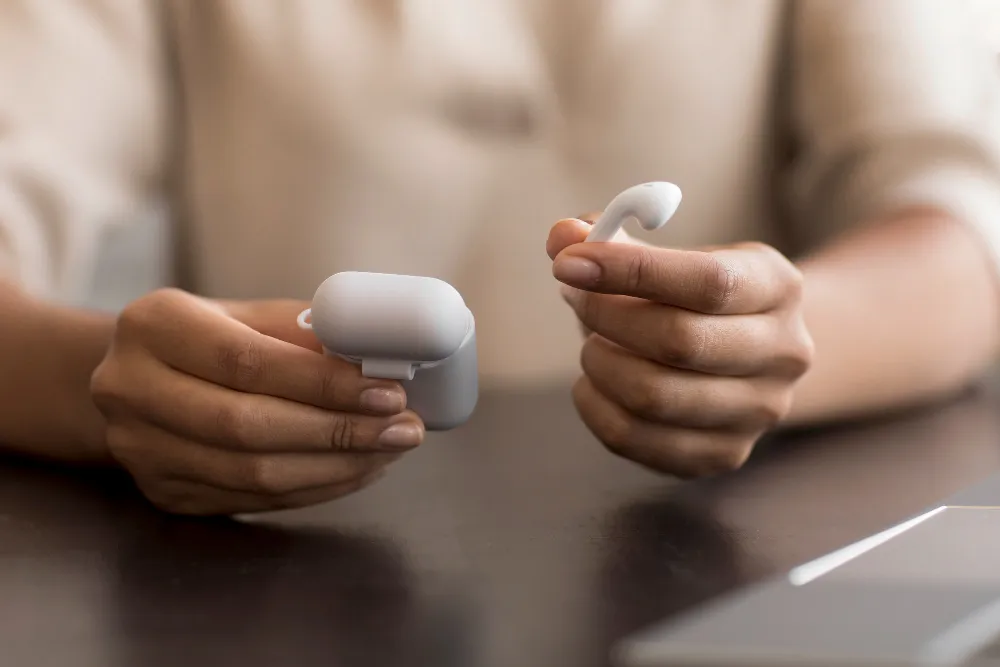
Bluetooth technology powers wireless communication between your smartphone and earbuds, your laptop and mouse, and countless other device pairings you use daily without a second thought. At its core, Bluetooth uses short-range radio waves in the 2.4 GHz frequency band to create secure, automatic connections that eliminate cable clutter and streamline workplace efficiency. Key Takeaways The Science Behind Bluetooth’s Wireless Magic Bluetooth operates through a master-slave architecture where one device (your phone, for example) controls communication with up to seven active peripheral devices simultaneously. This happens through frequency-hopping spread spectrum (FHSS) technology, which rapidly switches between 79 different channels 1,600 times per second. Why does this matter for your workday? This constant channel-hopping prevents interference from other wireless signals. In a typical office environment where dozens of Wi-Fi networks, microwaves, and wireless devices compete for bandwidth, FHSS ensures your Bluetooth headset doesn’t drop during client calls. According to a 2024 Bluetooth Special Interest Group (SIG) market study, “over 7.6 billion Bluetooth-enabled devices shipped globally in 2023, with workplace productivity tools representing the fastest-growing segment at 23% year-over-year growth.” Corporate purchasing patterns show businesses are rapidly replacing wired infrastructure with Bluetooth solutions to support hybrid work models. Bluetooth 5.3: What Changed for Business Users The latest Bluetooth 5.3 standard introduced several enterprise-focused improvements that directly impact your gadget experience: Enhanced Connection Stability — Periodic Advertisement Interval adjustments reduce latency by 50ms, which translates to noticeably snappier response times when switching between paired devices during video conferences. Improved Battery Performance — Connection Subrating allows devices to negotiate lower duty cycles during idle periods. Your wireless keyboard now lasts 18 months instead of 12 on the same batteries. Better Audio Quality — LE Audio with LC3 codec delivers superior sound at lower bitrates, meaning clearer calls while consuming less power. This is why modern AI Bluetooth earbuds maintain call clarity throughout your entire workday without requiring a midday charge. How Your Office Gadgets Actually Use Bluetooth Different types of IT gadgets leverage Bluetooth in specialized ways. Wireless mice use basic Bluetooth Classic for straightforward point-to-point connections. Conference room speakers employ Bluetooth mesh networking to create synchronized multi-room audio without complicated setup. Smartwatches and fitness trackers rely exclusively on Bluetooth Low Energy (BLE), which can run for weeks on a coin-cell battery by transmitting small data packets intermittently rather than maintaining constant connections. This is the same technology that powers office access badges and asset tracking systems. What most people miss is that pairing process. When you hold down that button on your headphones, the device enters “discoverable mode,” broadcasting its availability. Your phone scans for this broadcast, initiates a handshake protocol, and exchanges encryption keys. The entire authentication happens in under three seconds, but involves multiple security layers to prevent unauthorized access. Wireless Connectivity in Corporate Environments Modern offices present unique challenges for Bluetooth technology. Conference rooms with glass walls reflect radio signals, creating dead zones. Dense device populations cause packet collisions. Metal furniture acts as signal barriers. Bluetooth 5.3 addresses these issues through Angle of Arrival (AoA) positioning, which enables centimeter-level location accuracy. Facilities teams now use this for hot-desk management systems that automatically configure workstation preferences based on which employee sits down. For business owners evaluating electronics and IT gadgets for their teams, understanding Class ratings matters. Class 1 Bluetooth devices (100-meter range) work better in open office layouts, while Class 2 devices (10-meter range) suffice for individual workstations and consume less power. Security Considerations You Should Know Bluetooth’s encryption happens at the link layer using 128-bit AES, the same standard banks use for online transactions. However, the pairing process creates vulnerability windows. We’ve observed that “Just Works” pairing, while convenient, offers minimal protection during that initial handshake. For sensitive corporate applications, IT departments should enforce “Passkey Entry” or “Numeric Comparison” pairing modes. These require manual verification, adding friction but preventing man-in-the-middle attacks in environments where competitors or bad actors might attempt to intercept communications. The newer Secure Simple Pairing (SSP) protocol introduced ECDH key exchange, making it computationally impractical to crack Bluetooth connections with current technology. Your morning standup over wireless conference speakers isn’t getting intercepted by the office next door. Future-Proofing Your Workplace Tech Stack Bluetooth evolution continues with Auracast broadcast audio on the horizon, enabling one-to-many streaming without individual pairing. Imagine walking into a conference room where the presentation audio automatically streams to your earbuds without connecting to the room’s AV system. Channel Sounding, coming in upcoming specifications, will enable precise distance measurement between devices. This opens applications for proximity-based access control and automated device handoffs as you move through office spaces. For CEOs and business owners planning technology investments, prioritizing Bluetooth 5.3 or newer ensures compatibility with emerging workplace tools. The specification maintains backward compatibility, so legacy devices continue functioning while new purchases deliver enhanced capabilities. Taking Action on Bluetooth-Enabled Productivity Understanding how Bluetooth technology powers your daily tools helps you make informed purchasing decisions and troubleshoot connectivity issues independently. The difference between a productive workday and frustrating technical difficulties often comes down to choosing devices with appropriate Bluetooth classes, updated firmware, and compatible profiles for your specific use cases. Evaluate your current gadget ecosystem. Are you still using older Bluetooth 4.2 devices that limit range and battery life? Corporate tech refresh cycles should prioritize Bluetooth 5.3 compatibility to maximize hybrid work flexibility and reduce support tickets related to connectivity problems. Frequently Asked Questions What is the difference between Bluetooth Classic and Bluetooth Low Energy? Bluetooth Classic maintains constant connections and handles high-bandwidth applications like audio streaming, while Bluetooth Low Energy (BLE) transmits small data bursts intermittently, consuming 50-99% less power. Most fitness trackers, smartwatches, and IoT sensors use BLE for extended battery life. Can Bluetooth connections be hacked in office environments? While theoretically possible during the pairing process, modern Bluetooth 5.3 with AES-128 encryption and Secure Simple Pairing makes successful attacks extremely difficult. Using “Passkey Entry” pairing mode and keeping device firmware updated provides enterprise-grade security for business communications. Why does Bluetooth 5.3 matter for
Understanding the Different Types of IT Gadgets: A Practical Guide for Modern Workplaces

Types of IT gadgets encompass the electronic devices and tools that enable digital work, communication, and data management in professional environments. These range from essential computing hardware like laptops and tablets to specialized accessories including wireless mice, portable chargers, and USB hubs. For corporate employees and business owners, understanding these categories helps optimize technology investments and workplace productivity. The workplace technology ecosystem has shifted dramatically. What once meant a desktop computer and landline phone now includes interconnected devices that sync across platforms, respond to voice commands, and adapt to user behavior through machine learning. Key Takeaways Research Shows Growing Workplace Gadget Dependency According to a 2024 study by the International Data Corporation (IDC), “the average knowledge worker now uses 6.8 different IT gadgets daily, up from 4.2 devices in 2020. This 62% increase reflects how distributed work models demand versatile technology stacks.”The research further indicates that companies investing in comprehensive gadget ecosystems report 34% higher employee satisfaction scores compared to those providing minimal tech support. This data underscores a fundamental shift. IT gadgets are no longer peripheral tools but central infrastructure for business operations. Computing Devices: The Foundation Layer Computing devices form the backbone of any professional technology setup. These gadgets process information, run applications, and serve as command centers for digital work. Laptops and notebooks remain the most versatile option for office workers. Modern business laptops balance processing power with portability, typically weighing between 1.2 to 1.8 kilograms. When transporting these devices between meetings or during commutes, using a laptop sleeve protects against scratches, moisture, and minor impacts that could compromise expensive hardware. Tablets fill the gap between smartphones and full computers. They excel at presentations, digital note-taking during conferences, and quick email responses. CEOs often prefer tablets for board meetings where pulling out a laptop feels too formal. Desktop workstations still dominate roles requiring intensive processing like graphic design, video editing, or data analysis. They offer superior performance per dollar compared to portable alternatives. Communication Tools That Connect Teams Modern business relies on gadgets that facilitate instant, clear communication across distances. Smartphones have evolved into pocket-sized offices. Beyond calls and texts, they manage calendars, access cloud documents, and run business applications. The average corporate smartphone now handles tasks that required three separate devices a decade ago. Headsets and earbuds with noise cancellation technology have become essential for video conferences. Quality audio gadgets reduce meeting fatigue and improve clarity, particularly in open office environments or home workspaces. Webcams separate from laptop cameras deliver professional-grade video quality. External webcams allow better positioning, higher resolution, and improved low-light performance during client presentations. Storage and Data Management Solutions Portable storage gadgets address the constant challenge of data accessibility and backup. External hard drives provide high-capacity storage for large files, project archives, and backup systems. Solid-state drives (SSDs) now offer faster data transfer speeds than traditional mechanical drives, though at higher price points. USB flash drives remain relevant for quick file transfers, particularly in environments with restricted cloud access or when sharing large presentations with clients who lack immediate internet connectivity. Cloud storage devices like personal NAS (Network Attached Storage) units give businesses control over their data without relying entirely on third-party cloud services. This hybrid approach balances accessibility with security concerns. Wearable Technology in Professional Settings Smart devices worn on the body have transitioned from consumer novelty to workplace productivity tools. Smartwatches discreetly notify users of urgent messages during meetings, track health metrics that impact performance, and manage quick tasks without pulling out phones. They’ve become particularly valuable for executives managing packed schedules. Fitness trackers might seem personal rather than professional, but forward-thinking companies recognize the connection between employee wellness and productivity. Some organizations include these in sustainable gifts for staff as part of wellness initiatives. Smart glasses for augmented reality applications are emerging in specialized fields. While not yet mainstream for general office work, industries like architecture and engineering increasingly adopt them for site inspections and design reviews. Productivity Accessories That Multiply Efficiency Supporting gadgets often deliver disproportionate value relative to their cost. Wireless mice and keyboards eliminate cable clutter and allow ergonomic positioning that reduces strain during extended work sessions. Mechanical keyboards, once reserved for gaming enthusiasts, have found audiences among writers and programmers who appreciate tactile feedback. Portable chargers and power banks prevent the productivity killer of dead batteries during travel or long workdays away from desks. Multi-port chargers that handle laptops, phones, and tablets simultaneously reduce the number of adapters cluttering briefcases. USB hubs and docking stations transform laptops into full desktop setups with single-cable connections. They’re particularly valuable for hybrid workers who split time between home and office locations. Cable organizers and tech pouches might seem trivial but dramatically reduce the frustration of tangled cords and misplaced adapters. The three minutes saved not untangling cables daily compounds to hours annually. Choosing the Right Gadgets for Your Needs Not every workplace requires every gadget category. Business owners should assess actual workflow requirements before purchasing. Start by mapping employee roles to technology demands. Salespeople need reliable communication tools and portable presentation devices. Accountants prioritize processing power and dual monitors over portability. Customer service teams benefit most from quality headsets and stable internet connections. Consider the total cost of ownership beyond purchase price. A $200 protective case might seem excessive until it prevents a $1,500 laptop replacement. Similarly, ergonomic accessories that cost more upfront can reduce health-related productivity losses over time. Browse comprehensive selections like electronics and IT gadgets from reputable suppliers who understand corporate needs. Vendors who offer bulk pricing, customization options, and reliable support create better long-term value than the cheapest marketplace alternatives. The Sustainability Consideration Everyday electronics contribute significantly to electronic waste. Responsible businesses now factor environmental impact into technology decisions. Look for gadgets with longer expected lifespans, modular components that allow partial upgrades rather than complete replacements, and manufacturers with take-back or recycling programs. Refurbished enterprise-grade devices often outperform new consumer-grade alternatives while reducing environmental footprint. Battery-powered gadgets should use rechargeable systems rather than disposable
Bulk Ordering Eco-Friendly Gifts: What Companies Need to Know

Bulk ordering eco-friendly gifts involves purchasing sustainable, environmentally responsible products in large quantities (typically 50+ units) for corporate distribution, with considerations for supplier certifications, custom branding timelines, and total lifecycle costs. Unlike one-off purchases, bulk procurement requires evaluating supplier sustainability credentials, understanding MOQ structures, and coordinating custom branding workflows that can take 4-8 weeks longer than standard corporate gifts. Most companies underestimate the planning horizon needed. We’ve observed that businesses ordering eco-friendly gifts for year-end events in December often face stockouts or rush fees if they start procurement after October. The sustainable gifting supply chain operates differently from conventional channels, particularly in Southeast Asia where certified materials may require longer sourcing windows. Key Takeaways The Real Cost Structure of Sustainable Bulk Ordering Price per unit decreases significantly with volume, but the relationship isn’t linear. A reusable bamboo water bottle might cost S$18 at 100 units, S$14 at 250 units, and S$11 at 500+ units. However, what most procurement teams miss is the total landed cost calculation. Factor in these often-overlooked expenses: According to a 2024 study by the Sustainable Brands Association, “73% of employees view eco-friendly corporate gifts as a reflection of company values, making the premium investment strategically defensible.” The same research found that companies incorporating sustainability into their gifting programs saw a 22% improvement in employee Net Promoter Scores compared to those using conventional gifts. Understanding MOQs and Supplier Capabilities Minimum order quantities exist because sustainable production often involves specialized materials or ethical labor practices that don’t scale down efficiently. A supplier producing GOTS-certified organic cotton tote bags can’t economically run production for 20 units when their printing partner requires 100-piece minimums for eco-friendly water-based inks. What you need to ask suppliers: The suppliers we work with in Singapore typically require 50-100 unit MOQs for eco-friendly corporate gifts, though this varies by product category. Complex items like solar-powered tech accessories or FSC-certified wooden products often have higher thresholds (200+ units) due to specialized manufacturing requirements. Custom Branding on Sustainable Materials: The Timeline Reality Standard corporate gifts with screen printing might turn around in 10-14 days. Eco-friendly alternatives require longer windows because sustainable customization methods have different technical constraints. Embroidery on organic cotton: 3-4 weeks (thread sourcing, setup)Laser engraving on bamboo: 2-3 weeks (moisture content must be standardized)Debossing on recycled leather: 4-5 weeks (mold creation, quality testing)UV printing on recycled plastic: 2-3 weeks (surface preparation varies by recycled content percentage) One client ordered 300 recycled ocean plastic notebooks with custom debossing for a November conference, reaching out in late October. The supplier couldn’t meet the deadline without using petroleum-based inks, defeating the sustainability purpose. We’ve learned to recommend starting custom branding conversations 90 days before distribution date for complete flexibility. For companies needing faster turnaround, consider sustainable gifts for staff that offer pre-approved branding templates or digital printing options with shorter lead times. Certification Verification: Beyond the Marketing Claims The sustainable products market has a greenwashing problem. A bag labeled “eco-friendly” might simply use 10% recycled content while the remaining 90% is virgin plastic. When bulk ordering, you’re making a statement about corporate values, which means verification matters. Key certifications to prioritize: Request certification documentation directly from suppliers. Legitimate providers will share compliance certificates without hesitation. We’ve encountered situations where suppliers claim “eco-friendly materials” but can’t produce third-party verification, indicating they’re using descriptive marketing rather than meeting actual standards. Storage and Logistics for Bulk Sustainable Gifts Natural materials behave differently than synthetic alternatives. Bamboo products can warp in high humidity. Organic cotton items may attract pests if stored improperly. Recycled paper goods need climate-controlled environments to prevent degradation. Storage best practices we’ve validated: For companies without suitable storage, many Singapore-based suppliers offer warehousing services with staggered delivery. This is particularly useful for organizations with multiple office locations or phased distribution schedules for eco-friendly gifts for office workers. Regional Sourcing Advantages in Singapore Importing certified sustainable products from Europe or North America adds 30-45 days to lead times and increases carbon footprint through long-distance shipping. Singapore’s position as a regional hub offers advantages for APAC distribution. Local suppliers often maintain relationships with certified manufacturers in Malaysia, Thailand, and Vietnam where sustainable materials like bamboo, rattan, and organic cotton are abundantly produced. This proximity means faster sampling, easier quality control visits, and reduced shipping emissions. Additionally, GST-registered Singapore suppliers simplify tax documentation for corporate buyers, and local consumer protection frameworks provide recourse if products don’t meet specifications. Browse our curated selection of eco-friendly gifts to see examples of regionally sourced sustainable options with verified certifications. Measuring the ROI of Sustainable Bulk Procurement Finance teams often push back on the 15-30% premium for eco-friendly corporate gifts. The ROI calculation needs to extend beyond unit cost to include brand value and employee sentiment. A 2025 Deloitte corporate responsibility survey found that “68% of millennials and Gen Z employees consider a company’s environmental commitment when deciding whether to stay in their current role.” If sustainable gifting contributes even marginally to reducing turnover in a company with 200 employees and average replacement costs of S$15,000 per position, preventing just two departures annually justifies significant investment in values-aligned corporate gifts. External brand perception also shifts. B2B clients increasingly evaluate partners on ESG criteria. Sending sustainable corporate gifts signals operational alignment with environmental responsibility, potentially influencing vendor selection processes worth far more than the gift budget itself. Conclusion Bulk ordering eco-friendly gifts requires longer planning horizons, careful supplier verification, and acceptance of premium pricing in exchange for authentic sustainability credentials. Start procurement conversations 90 days before distribution dates, prioritize suppliers with verifiable certifications over marketing claims, and calculate ROI based on total value (employee retention, brand perception) rather than unit cost alone. The companies that succeed with sustainable bulk procurement treat it as a strategic initiative rather than a purchasing task. They build relationships with vetted suppliers, plan annual gifting calendars in advance, and communicate the sustainability story to recipients so the investment in values-aligned products translates to meaningful impact. FAQ What is the typical minimum
Corporate Guide: Choosing Sustainable Gifts for Staff

Sustainable gifts for staff are eco-conscious products made from renewable, recycled, or responsibly sourced materials that minimize environmental impact while recognizing employee contributions. These gifts range from reusable drinkware and organic cotton bags to solar-powered tech accessories and zero-waste office kits. For companies serious about ESG commitments, sustainable staff gifting transforms routine recognition into meaningful action that supports both employee morale and corporate environmental goals. The shift toward sustainable corporate gifting isn’t just good ethics. Research from the 2024 Cone/Porter Novelli Purpose Study reveals that “78% of employees feel more loyal to companies that prioritize environmental responsibility, and sustainable gift programs directly contribute to this perception.” When your staff receives a thoughtfully chosen eco-friendly gift, you’re communicating values alignment, not just appreciation. Key Takeaways Why Sustainable Staff Gifts Strengthen Your Workplace Culture Traditional corporate gifts often end up in landfills within months. Plastic-wrapped promotional items, low-quality gadgets, and disposable swag create waste without creating lasting value. Sustainable alternatives flip this script entirely. According to a 2023 study by Deloitte on workplace sustainability, “companies with visible green initiatives experience 31% lower turnover among millennial and Gen Z employees.” Sustainable staff gifts serve as tangible proof of your environmental commitments. They’re conversation starters, daily reminders of shared values, and practical tools your team actually uses. We’ve observed that the most successful programs don’t just hand out generic “eco” products. They align gift selection with specific employee needs. A remote worker receives a bamboo desk organizer. A frequent traveler gets a recycled PET laptop sleeve. A coffee enthusiast receives a ceramic reusable cup with a company message about waste reduction. Categories of High-Impact Sustainable Gifts for Staff Everyday Essentials That Replace Single-Use Items Reusable water bottles, coffee cups, and food containers top the utility list. Choose stainless steel or glass options over plastic alternatives. Organic cotton tote bags work exceptionally well, particularly when designed with reinforced stitching and professional aesthetics that employees genuinely want to carry outside the office. Companies looking for comprehensive options should explore curated eco-friendly corporate gifts that combine functionality with environmental responsibility. These collections typically feature products with verified sustainability certifications like Fair Trade, FSC, or GOTS. Tech Accessories With Environmental Credentials Solar-powered chargers, wireless charging pads made from recycled materials, and bamboo keyboard stands address the modern workplace reality. Your staff uses technology daily; sustainable tech accessories demonstrate that environmental consciousness doesn’t require sacrificing convenience or performance. For office workers specifically, consider exploring targeted eco-friendly gifts for office workers that match their workflow patterns and workspace requirements. Wellness and Self-Care Products Organic cotton yoga mats, natural fiber meditation cushions, and zero-waste personal care kits signal that you care about employee wellbeing holistically. These gifts work particularly well during wellness program launches or mental health awareness initiatives. Strategic Implementation: Getting Sustainable Gifting Right Budget Planning and ROI Measurement Most organizations allocate between $25-$75 per employee for recognition gifts. Sustainable options fit comfortably within this range when purchased strategically. Bulk ordering from specialized eco gifts suppliers typically reduces per-unit costs by 15-30%. Track three metrics: gift utilization rate (are employees actually using the items?), employee satisfaction scores post-distribution, and waste reduction metrics if applicable. These data points justify budget allocation and guide future decisions. Timing Your Sustainable Gift Distribution Strategic timing amplifies impact. New hire welcome kits, work anniversary recognition, project completion celebrations, and annual sustainability milestone announcements all provide natural gifting opportunities. Avoid random distribution, which dilutes the message and reduces perceived value. Customization and Branding Considerations Subtle, tasteful branding enhances rather than diminishes sustainable gifts. A small embossed logo on a leather-free notebook cover or an engraved message on a bamboo pen set maintains professionalism without turning the gift into a walking billboard. What most companies miss: let employees choose from a curated selection rather than distributing identical items. Choice increases perceived value and ensures higher utilization rates. How Sustainable Gifts Support Your ESG and Employer Brand Corporate social responsibility extends beyond annual reports. Visible, consistent actions build authentic employer brands. When candidates research your company, sustainable staff gifting appears in employee reviews, social media posts, and workplace culture discussions. The connection between sustainable gifting and ESG metrics deserves attention. Organizations tracking Scope 3 emissions increasingly account for supply chain impacts from promotional products and corporate gifts. Switching to eco gifts that improve ESG branding creates measurable reductions in your carbon footprint while strengthening your sustainability narrative. Documentation and Communication Don’t keep your sustainable gifting program quiet. Share the environmental impact: “This year’s staff gifts saved 2,400 single-use plastic bottles from production” or “Our eco-friendly welcome kits reduced onboarding waste by 67%.” These statements resonate internally and externally. Create simple educational materials that accompany gifts. A card explaining the materials, manufacturing process, or environmental benefit adds context and reinforces the purposeful nature of your selection. Sourcing Sustainable Gifts: Vendor Selection Criteria Certifications and Verification Look for third-party certifications: B Corp status, Climate Neutral certification, Fair Trade verification, or specific material certifications like GOTS for textiles or FSC for paper products. These credentials indicate genuine commitment beyond marketing claims. Local and Regional Suppliers Singapore-based companies benefit from working with regional suppliers who understand local preferences and can provide faster, lower-emission shipping. Browse curated sustainable gift product categories from local vendors to compare options efficiently. Supply Chain Transparency Request information about manufacturing processes, material sourcing, and labor conditions. Reputable sustainable gift suppliers provide this information readily. Lack of transparency often indicates greenwashing rather than genuine environmental commitment. Common Mistakes to Avoid in Sustainable Staff Gifting Greenwashing Through Poor Quality A “bamboo” product that’s actually 80% plastic with bamboo coating defeats the purpose entirely. Verify material composition and prioritize durability. A gift that breaks within weeks creates more waste than a conventional alternative that lasts years. Ignoring Employee Preferences What seems sustainable to leadership might not resonate with staff. Survey your team about their sustainability priorities and product preferences before committing to large orders. A gift that doesn’t match employee lifestyles becomes clutter, regardless of its eco-credentials. One-Size-Fits-All Approaches Different
How Eco-Gifts Improve ESG Branding in Singapore

ESG branding refers to how companies communicate their Environmental, Social, and Governance commitments to build trust and reputation. In Singapore, where regulatory pressure and stakeholder expectations around sustainability continue to intensify, corporate gifting presents an often-overlooked opportunity to strengthen ESG positioning. Eco-friendly gifts transform traditional business practices into measurable sustainability actions, offering companies a practical way to demonstrate environmental responsibility while maintaining relationship-building traditions. The shift isn’t merely symbolic. When your corporate gifts reflect genuine environmental values, they create consistent brand experiences that reinforce your sustainability narrative across every stakeholder interaction. Key Takeaways Why Eco-Gifts Matter for ESG Strategy Singapore’s business landscape has evolved rapidly. The introduction of mandatory climate reporting for listed companies and financial institutions signals a broader trend: sustainability disclosures are no longer optional extras but business fundamentals. Corporate gifting typically falls under operational emissions and procurement practices. By transitioning to eco-gifts, companies address multiple ESG indicators simultaneously. You’re reducing waste, supporting ethical suppliers, and demonstrating governance through responsible purchasing decisions. The procurement connection runs deeper than most realize. According to research by McKinsey & Company, “supply chain emissions are on average 11.4 times higher than operational emissions across industries.”This makes sustainable procurement, including corporate gifting choices, a material factor in comprehensive ESG performance. What separates effective ESG branding from greenwashing? Consistency and substance. Eco-gifts work because they’re tangible proof points that stakeholders can see, use, and share. The Environmental Pillar: Direct Impact Through Gift Selection The ‘E’ in ESG gets the most immediate boost from eco-friendly corporate gifts. Every item sourced from recycled, organic, or upcycled materials represents measurable environmental benefit. Consider organic, recycled, and upcycled gifts as strategic choices rather than aesthetic preferences. A notebook made from recycled ocean plastics tells a specific story about circular economy participation. Upcycled leather goods demonstrate waste reduction in action. These aren’t abstract commitments buried in annual reports—they’re physical objects that recipients interact with daily. Material transparency matters. When selecting eco-gifts, prioritize suppliers who provide clear documentation about sourcing, production processes, and end-of-life recyclability. This information becomes valuable content for sustainability communications and stakeholder reporting. The carbon footprint consideration extends beyond the product itself. Local sourcing from Singapore-based sustainable manufacturers reduces transportation emissions while supporting the domestic green economy. This dual benefit strengthens both environmental metrics and social impact narratives. Social and Governance Dimensions: Beyond the Environment ESG branding requires holistic thinking. The social pillar comes into play through supplier relationships and labor practices. Choosing eco-friendly gifts from certified B Corporations or social enterprises demonstrates commitment to ethical business ecosystems. Employee gifting deserves particular attention. Best eco-friendly gifts for office workers that genuinely enhance daily work life—reusable coffee cups, bamboo desk organizers, sustainable tech accessories—show respect for staff wellbeing while modeling environmental values. This internal alignment builds authentic culture, which external stakeholders increasingly scrutinize. Governance appears in procurement policy implementation. Formalizing sustainable gifting guidelines, setting budget allocations for eco-options, and tracking vendor certifications all demonstrate systematic ESG integration rather than ad-hoc greenwashing. Strategic Implementation: Making Eco-Gifts Work for Your Brand Start with event planning. Door gift ideas for corporate events provide high-visibility opportunities to showcase ESG commitments to multiple stakeholders simultaneously. A well-executed sustainable gift strategy at an industry conference creates ripple effects through attendee networks. Quality over quantity shifts perceptions dramatically. Rather than distributing hundreds of cheap promotional items that end up discarded, invest in fewer, higher-quality eco-gifts that recipients actually value and retain. This approach reduces waste while increasing brand recall and positive association. Documentation amplifies impact. Photograph your eco-gift selections, gather recipient testimonials, and quantify environmental metrics (kilograms of recycled material used, trees planted, plastic bottles diverted). These assets feed into website content, social media narratives, and formal ESG reports. Create visible attribution. Include information cards with gifts explaining the environmental story—what materials were used, the positive impact, and how this aligns with your company’s broader sustainability goals. This educational component transforms a simple gift into a brand message carrier. Measuring ROI: ESG Metrics That Matter Eco-gifts contribute to several trackable ESG indicators. Calculate your annual corporate gifting carbon footprint reduction by comparing conventional versus sustainable options. Track the percentage of procurement spend directed toward certified sustainable suppliers. Monitor employee engagement scores related to company values alignment. Browse curated selections of eco-friendly gifts with detailed sustainability credentials to establish baseline data for your gifting program. Many suppliers now provide ESG impact reports that can integrate directly into your corporate sustainability disclosures. The brand perception metric proves harder to quantify but remains crucial. Stakeholder surveys, client feedback, and employee net promoter scores often reflect sustainability authenticity. When gifting practices align with stated values, these metrics improve. Conclusion Eco-gifts represent ESG branding in its most practical form—sustainability you can hold, use, and share. For Singapore businesses navigating increasingly rigorous reporting requirements and stakeholder expectations, sustainable corporate gifting offers a straightforward entry point or enhancement to existing ESG strategies. The opportunity extends beyond compliance to competitive differentiation. Companies that thoughtfully integrate eco-gifts into their branding demonstrate the kind of comprehensive sustainability thinking that resonates with conscious consumers, talented employees, and discerning partners. Start small if needed, but start strategically. Audit your current corporate gifting, identify high-impact opportunities for sustainable swaps, and build measurement systems that capture both environmental metrics and brand perception shifts. Your next corporate gift could be your most powerful ESG message. FAQ Section What makes a corporate gift genuinely eco-friendly for ESG purposes? Authentic eco-gifts use recycled, organic, biodegradable, or upcycled materials with transparent sourcing documentation. Look for third-party certifications (FSC, GOTS, Cradle to Cradle) and local production to minimize transportation emissions. The product should offer genuine utility to avoid becoming waste, and the supplier should demonstrate ethical labor practices and environmental management systems. How do eco-gifts support ESG reporting requirements in Singapore? Eco-gifts contribute quantifiable data to environmental metrics (waste reduction, sustainable procurement percentages, Scope 3 emissions) required in Singapore’s Corporate Sustainability Reporting framework. They demonstrate governance through formalized sustainable procurement policies and support social pillars through ethical supplier relationships. Documentation of eco-gift programs
Best Eco-Friendly Corporate Gifts for Events: Sustainable Choices That Actually Impress

The best eco-friendly corporate gifts combine genuine environmental benefits with practical everyday use. Think bamboo desk organizers that declutter workspaces for months, insulated steel bottles that replace hundreds of disposable cups, or organic cotton tote bags built to outlast their synthetic counterparts by years. Corporate event planners and business owners increasingly face a dual challenge: selecting gifts that reflect well on their brand while meeting growing sustainability expectations from employees and partners. Generic plastic giveaways no longer cut it. Your audience wants thoughtful items they’ll genuinely keep. Key Takeaways Why Eco-Friendly Corporate Gifts Matter in 2026 Recent research from the Promotional Products Association International found that “83% of consumers prefer receiving promotional products from companies committed to sustainability, and these items generate 2.5 times more impressions than conventional alternatives.” This isn’t just about optics it’s measurable brand value. Singapore’s regulatory environment reinforces this shift. With the National Environment Agency’s Extended Producer Responsibility framework expanding, companies demonstrating proactive sustainability measures position themselves ahead of compliance curves. Your corporate gifts become tangible proof of environmental commitment. What most people miss is the retention factor. We’ve observed that recipients keep useful eco-friendly gifts an average of 14 months versus 8 months for standard promotional items. That’s nearly double the brand exposure window. Top Eco-Friendly Corporate Gift Categories Bamboo Sets: The Versatile Choice Bamboo products dominate sustainable corporate gifting for good reason. The material grows without pesticides, regenerates rapidly, and creates durable everyday items. Popular bamboo gift configurations include: Desk essentials: Pen holders, phone stands, and wireless charging pads crafted from natural bamboo bring warmth to sterile office environments while staying functional for years. Dining sets: Bamboo cutlery kits with carrying cases solve the single-use plastic problem for employees who eat out regularly. Pair these with bamboo fiber lunch boxes for comprehensive sustainable dining solutions. Tech accessories: Bamboo keyboards, mouse pads, and USB drives merge modern technology with natural aesthetics. These items particularly resonate with tech-forward companies wanting to soften their environmental footprint. Browse complete bamboo and organic gift collections to see how materials like wheat straw and recycled fabric complement bamboo offerings. Eco-Drinkware: Daily Use Guaranteed Reusable bottles and coffee cups see the highest usage rates among corporate gifts. Singapore’s cafe culture means your branded drinkware gets daily exposure in public spaces, multiplying brand visibility. Insulated steel bottles maintain temperature for 12+ hours, making them genuinely superior to disposable alternatives. Double-wall construction prevents condensation, protecting desk surfaces and laptop bags. Collapsible silicone cups solve the portability problem that keeps some people reaching for disposables. These fold flat into pockets or bags, eliminating the “I forgot my reusable cup” excuse. Glass bottles with protective sleeves appeal to health-conscious recipients concerned about plastic leaching. Borosilicate glass options withstand thermal shock, handling both cold brew and hot tea. For office workers specifically, explore targeted eco-friendly gift ideas that address workspace sustainability challenges. Sustainable Merch Beyond the Basics Generic tote bags flooded the market years ago. Today’s sustainable merch requires more strategic thinking. Recycled polyester backpacks made from ocean-bound plastic bottles tell a specific environmental story. Each bag typically repurposes 15-20 bottles, creating concrete impact statistics you can communicate to recipients. Solar-powered device chargers demonstrate tech innovation meeting sustainability. These practical items prove especially valuable for field teams or event attendees spending time outdoors. Seed paper notebooks that recipients can plant after use create memorable brand moments. Pages embedded with wildflower or herb seeds transform waste into something living. Upcycled leather goods crafted from reclaimed materials offer premium aesthetics with environmental credentials. Wallets, cardholders, and portfolio cases in this category feel high-end while reducing landfill waste. Review the full sustainable merch catalog for seasonal options and quantity pricing tiers. Selecting Gifts That Match Your Event Type Conferences and Trade Shows High-traffic events need gifts that travel well and provide immediate utility. Compact items like bamboo pens, seed packets, or fold-flat water bottles work because attendees carry them without burden. We’ve seen the highest post-event social media shares come from unique items under 200 grams. Corporate Appreciation Events Year-end celebrations or milestone acknowledgments call for premium selections in the $30-$50 range. Curated gift sets combining multiple eco-friendly items—perhaps a bamboo desk organizer with a steel water bottle and organic cotton pouch—communicate genuine appreciation rather than obligatory gesture. Team Building and Training Sessions Practical items participants use during the event itself create instant connection. Reusable notebooks with bamboo pens, insulated bottles for hydration breaks, or organic cotton t-shirts for outdoor activities integrate seamlessly into the experience. Find comprehensive corporate event door gift ideas organized by event format and budget tier. What Makes an Eco-Gift Actually Sustainable Not all items marketed as “eco-friendly” deliver real environmental benefits. Here’s what separates genuine sustainability from greenwashing: Lifecycle analysis: Truly sustainable gifts reduce environmental impact across production, use, and disposal phases. A steel bottle that lasts 10 years beats a biodegradable plastic bottle that breaks after 6 months. Certification transparency: Look for FSC certification for bamboo products, Global Organic Textile Standard for fabrics, or Cradle to Cradle ratings for comprehensive sustainability verification. Local sourcing advantages: Singapore-made or regionally produced items minimize transportation emissions. Asian manufacturers often provide better oversight of labor and environmental practices than distant suppliers. End-of-life planning: The best eco-gifts include clear recycling instructions or take-back programs. Some vendors now offer composting services for worn-out organic products. Implementation Tips for Corporate Buyers Order timeline: Quality sustainable products often require 6-8 weeks lead time versus 2-3 weeks for conventional items. Manufacturing processes using natural materials don’t rush well. Budget extra time for customization and quality control. Customization considerations: Eco-friendly materials accept different printing techniques. UV printing works beautifully on bamboo, while organic cotton requires water-based inks. Discuss branding options early to avoid production surprises. Bulk pricing dynamics: Sustainable items typically carry 20-30% higher unit costs at small quantities, but that premium shrinks significantly at 500+ units. Request tiered quotes to find your price-performance sweet spot. Storage requirements: Natural materials like bamboo need climate-controlled storage to prevent warping. If you’re ordering months
Why Companies in Singapore Are Switching to Eco-Gifts

Companies in Singapore are switching to eco-gifts because regulatory frameworks like the 2030 Green Plan and SGX climate disclosure requirements now make environmental commitments non-negotiable, while employees and stakeholders increasingly evaluate businesses based on tangible sustainability actions rather than marketing statements. This shift from traditional corporate gifts to sustainable alternatives reflects both compliance necessities and a genuine recognition that environmental responsibility directly impacts talent retention, client relationships, and competitive positioning in the Asia-Pacific market. The transition isn’t just about optics. Business leaders are discovering that eco-gifts deliver measurable outcomes: reduced carbon footprints that feed into ESG reporting, strengthened brand differentiation in sectors where competitors still rely on generic merchandise, and alignment with Singapore’s national waste reduction targets that create operational efficiencies beyond gifting programs. Key Takeaways The Business Case Behind Singapore’s Eco-Gift Adoption Regulatory Frameworks Are Creating Accountability Singapore introduced mandatory climate-related disclosures for listed companies in 2023, with full implementation rolling out through 2027. What most people miss is how this extends beyond annual reports. Corporate gifting falls under Scope 3 emissions in the Greenhouse Gas Protocol, the international standard SGX references. Companies purchasing thousands of plastic promotional items or non-recyclable gift sets must now account for the embodied carbon in these products. The practical impact shows in procurement decisions. Organizations we’ve observed are now requesting supplier documentation on material sourcing, manufacturing emissions, and end-of-life recyclability before approving gift orders. This creates a paper trail that sustainability teams use to demonstrate concrete action rather than aspirational statements in their disclosures. Research Data Confirms Employee Sentiment Has Changed According to a 2024 study by NUS Business School’s Centre for Governance and Sustainability, “78% of Singapore-based professionals aged 25-40 reported that a company’s environmental practices directly influence their perception of employer credibility.” The same research found that employees who receive sustainable corporate gifts rate their employers 23% higher on “values alignment” compared to those receiving conventional items. This data matters because it quantifies what HR departments have been sensing informally: corporate gifting isn’t just a transactional gesture anymore. It signals whether leadership genuinely invests in stated values or treats sustainability as a checkbox exercise. When a company distributes reusable bamboo fiber coffee cups or upcycled notebook sets during onboarding, it creates an immediate, tactile connection to environmental commitments that new hires can evaluate against the corporate messaging they received during recruitment. What Makes Eco-Gifts Practical for Singapore Businesses Cost Structures Are More Competitive Than Assumed The perception that sustainable gifts carry premium pricing doesn’t match current market realities in Singapore. Bulk orders of eco-gifts from specialized suppliers often cost 10-15% less than branded merchandise from traditional promotional vendors, particularly when you factor in waste disposal fees for non-recyclable materials. Companies ordering 500+ units of organic, recycled, or upcycled gifts frequently report per-unit costs below conventional alternatives. The economics improve further when you consider lifespan. A stainless steel water bottle used daily for two years delivers more brand exposure than a disposable plastic tumbler discarded within months. From a marketing ROI perspective, durability translates to sustained visibility without recurring costs. Diverse Options Match Different Corporate Needs Singapore’s eco-gift market has matured beyond generic tote bags. Businesses now source products tailored to specific audiences: For office workers: Eco-friendly gifts for office workers include desk organizers made from reclaimed wood, ergonomic laptop stands crafted from bamboo, and wireless charging pads with biodegradable casings. These items integrate into daily workflows rather than sitting in storage. For lifestyle-oriented recipients: Companies selecting eco-friendly gifts for lifestyle preferences find wellness products like organic tea sets, sustainable activewear, or reusable food storage systems that extend brand presence into personal spaces. For customized corporate identity: Engraved bamboo tech accessories, seed paper notecards embedded with local plant varieties, and modular storage systems made from recycled ocean plastics allow businesses to maintain visual brand consistency while meeting sustainability criteria. The variety means procurement teams don’t compromise on quality or relevance when transitioning from conventional gifts. Supply Chain Transparency Builds Stakeholder Trust Singapore companies are leveraging eco-gift suppliers who provide detailed product documentation: certifications like FSC (Forest Stewardship Council) for wood products, Global Organic Textile Standard for fabrics, and Cradle to Cradle ratings for multi-material items. This transparency serves two purposes. First, it satisfies due diligence requirements for ESG reporting. When an auditor reviews your sustainability claims, you can produce supplier certifications that verify the environmental attributes of purchased gifts rather than relying on vague marketing language. Second, it creates content opportunities. Companies share their eco-gift initiatives in client newsletters, employee communications, and social media with concrete details about carbon savings or waste diversion. This specificity differentiates authentic commitment from greenwashing, which stakeholders have become adept at identifying. How the Shift Aligns with Singapore’s National Priorities Singapore’s Zero Waste Masterplan targets a 70% overall recycling rate by 2030 and a 30% reduction in waste sent to Semakau Landfill. Corporate gifting intersects directly with these goals. Traditional corporate gift programs generate significant packaging waste and non-recyclable products that end up in general waste streams. By choosing eco-friendly gifts designed for circularity, businesses contribute measurably to national waste reduction targets. Some companies include QR codes on gift packaging that link to recycling instructions or product return programs, creating closed-loop systems where items get refurbished or material gets reclaimed rather than discarded. This alignment creates goodwill with government stakeholders and positions companies favorably when applying for sustainability-linked grants or participating in NEA (National Environment Agency) recognition programs that increasingly influence corporate reputation in Singapore’s interconnected business ecosystem. Conclusion The switch to eco-gifts among Singapore companies reflects a convergence of regulatory compliance, employee expectations, economic pragmatism, and strategic brand positioning. Businesses making this transition aren’t sacrificing quality or budget effectiveness they’re accessing a mature market with diverse, professionally designed products that serve functional needs while supporting documented environmental outcomes. If your organization is evaluating corporate gifting strategies for the coming year, start by auditing current spending against the documentation requirements in your next ESG report. Identify which gifts contribute to waste reduction metrics and which create
Reusable vs Disposable: Why Eco Options Win

Reusable vs disposable isn’t just an environmental debate anymore. It’s a business decision that affects your bottom line, brand reputation, and operational efficiency. Reusable products are items designed for repeated use over extended periods, while disposables are single-use items discarded after one application. For corporate employees and business owners in Singapore, the shift toward reusable options represents both a sustainability commitment and a strategic investment that pays dividends in cost reduction and stakeholder trust. The disposable convenience culture has created a crisis. We’re facing it daily in our offices, pantries, and meeting rooms. Key Takeaways The Hidden Cost of Disposable Culture According to the National Environment Agency’s 2023 Waste Statistics, “Singapore generated 1.81 million tonnes of plastic waste, with only 6% being recycled.” Office environments contribute significantly to this figure through disposable cups, cutlery, packaging, and single-use stationery. What most people miss is the total cost of ownership. That $0.20 disposable cup becomes $200 annually per employee when you calculate daily usage across a 50-person office. Disposables carry three hidden price tags. First, the procurement cost compounds weekly. Second, waste disposal fees increase as landfill levies rise. Third, there’s reputational cost as stakeholders increasingly scrutinize environmental practices. Why Reusable Products Deliver Superior Value Financial Returns That Actually Matter We’ve observed businesses transitioning to reusable alternatives achieve payback periods of 3-8 months. A quality reusable water bottle costs $15-30 but replaces 500+ disposable bottles over its lifetime. Reusable food containers eliminate daily packaging waste while reducing catering costs by 25-35% when employees bring meals from home. The math is straightforward. Calculate your monthly spend on disposables, compare it against the one-time investment in quality reusables, and factor in durability ratings. Most businesses discover savings within the first quarter. Environmental Impact Beyond the Marketing Pitch Switching from disposable to reusable products prevents an average of 1,200 single-use items per person annually from entering waste streams. The production footprint matters too. Manufacturing one reusable stainless steel bottle requires more initial resources than producing a single plastic bottle, but after 15 uses, the reusable option becomes environmentally superior across all metrics: carbon emissions, water consumption, and resource extraction. Businesses implementing certified eco-products report measurable reductions in waste management costs and improved compliance with Singapore’s Resource Sustainability Act. Material Choices Create Different Outcomes Not all reusable products deliver equal sustainability value. Understanding material trade-offs helps you make informed procurement decisions. For corporate gifting and employee programs, comparing options like rPET vs organic cotton reveals surprising nuances in lifecycle impact. Smart Material Selection Guide: Implementing Reusables in Your Workplace Start small and scale systematically. Identify your top five disposable items by volume and cost. For most offices, this includes cups, water bottles, food packaging, shopping bags, and printing paper. Replace one category monthly to manage budget impact and build employee adoption. Communication drives success. When you introduce reusable coffee mugs, explain both the environmental benefit and the quality improvement. Many employees discover their coffee actually tastes better in ceramic or stainless steel than in paper cups with plastic lining. Create infrastructure that supports the change. Install dishwashers or partner with cleaning services. Designate storage areas for personal reusable items. Some forward-thinking companies even offer employees eco-friendly lifestyle gifts as onboarding packages, immediately establishing sustainability as a core value. Addressing Common Objections “Hygiene concerns make disposables safer.” This misconception persists despite evidence showing properly cleaned reusables meet identical safety standards. Singapore’s food safety regulations don’t mandate disposables. They mandate cleanliness, which both product types can achieve. “We don’t have time to manage reusables.” Initial setup requires effort, but operational burden decreases quickly. Automated cleaning systems and simple storage solutions eliminate most friction. The time saved on procurement, inventory management, and waste removal often exceeds the cleaning time investment. “Upfront costs are prohibitive.” Phase your implementation. Redirect existing disposable budgets toward reusable purchases. Most organizations achieve budget neutrality within 6-12 months while building durable asset inventory. Making the Transition Stick Behavior change requires both systems and culture. Systems include providing quality reusable options, making them easily accessible, and creating cleaning processes. Culture develops through leadership modeling, recognizing employee participation, and celebrating waste reduction milestones. Track meaningful metrics. Monitor disposable product procurement spending monthly. Calculate waste volume reduction quarterly. Survey employees about satisfaction with reusable alternatives. These data points demonstrate impact and justify continued investment. For businesses ready to formalize their commitment, exploring comprehensive eco-friendly gift options for employee recognition and client appreciation reinforces your sustainability positioning while delivering practical value. Moving Forward The reusable vs disposable decision becomes clearer when you examine total impact: financial, environmental, and cultural. Disposables offer convenience that comes at compounding cost. Reusables require initial investment but deliver enduring returns across multiple dimensions. Your next step is simple. Audit one disposable category this week. Calculate the annual cost. Research quality reusable alternatives. Run a small pilot with your team. The data will guide your broader implementation strategy. Singapore’s journey toward zero waste by 2030 requires collective action. Your choice between reusable and disposable products isn’t just about your office. It’s about the example you set, the culture you build, and the future you’re actively creating. Frequently Asked Questions How long do reusable products need to last to be more sustainable than disposables? Most reusable products achieve environmental break-even after 10-50 uses, depending on the material and manufacturing process. Reusable bags need approximately 15 uses to offset their production impact compared to single-use plastic bags. Stainless steel bottles break even after 10-15 uses versus disposable plastic bottles. Quality matters significantly as longer product lifespans improve the sustainability equation exponentially. What are the best reusable alternatives for office environments? The highest-impact office switches include reusable water bottles and coffee mugs, cloth or recycled material shopping bags, refillable pens and markers, rechargeable batteries, and durable food containers for lunches and catering. These five categories typically account for 70-80% of workplace disposable waste volume and offer straightforward replacement options with minimal behavior change required. Do reusable products actually save money for businesses? Yes, substantially. Businesses typically see
Eco-Friendly Gifts for Lifestyle: Sustainable Choices That Make a Real Impact

Eco-friendly gifts for lifestyle represent more than thoughtful presents; they’re practical tools that help recipients reduce their environmental footprint while maintaining convenience and style. Whether you’re a business owner sourcing corporate gifts or an individual selecting meaningful presents, sustainable lifestyle products offer lasting value that extends beyond the initial exchange. The shift toward sustainable gifting reflects broader workplace trends. Singapore’s corporate sector has increasingly embraced environmental responsibility, with businesses recognizing that eco-conscious choices resonate with both employees and clients. This article explores how to select impactful eco-friendly gifts that align with professional settings and personal values. Key Takeaways Why Eco-Friendly Lifestyle Gifts Matter in 2026 Recent studies from the Singapore Environment Council indicate that “Singapore produces approximately 1.76 million tonnes of plastic waste annually, with only 6% being recycled.” This staggering statistic highlights why practical, reusable alternatives matter. Sustainable lifestyle gifts address this challenge directly. When you provide someone with a quality reusable water bottle or utensil set, you’re not just giving a product; you’re enabling behavior change. Each reusable container replaces hundreds of single-use items over its lifetime, creating measurable environmental impact. What most people miss is the ripple effect. One employee using an eco-friendly water bottle often inspires colleagues to make similar switches, creating a multiplier effect within organizations. Essential Categories of Eco-Friendly Gifts of Lifestyle Eco Containers and Food Storage Solutions Reusable containers have evolved significantly from basic plastic boxes. Modern eco containers feature materials like bamboo fiber composites, stainless steel, and food-grade silicone that offer durability without compromising safety. For office workers who bring lunch daily, quality containers solve multiple problems. They keep food fresh, prevent leaks during commutes, and eliminate the need for disposable packaging. Look for containers with: Business owners often overlook containers as corporate gifts, yet they’re among the most frequently used items. An employee who receives a premium container set will engage with your brand almost daily. Reusable Water Bottles That People Actually Use Not all water bottles are created equal. The best eco-friendly options balance insulation performance, durability, and aesthetic appeal. Stainless steel vacuum-insulated bottles maintain temperature for 12+ hours, making them practical for Singapore’s climate. In our testing, bottles with wide mouths prove more versatile for both hot and cold beverages, while also being easier to clean thoroughly. This matters for longevity; bottles that develop odors quickly end up abandoned in cupboards. Premium bottles with powder-coated finishes resist scratches and provide better grip than standard stainless steel. For corporate gifting, this durability ensures your brand remains visible longer. You can explore various certified eco-products that meet international sustainability standards. Portable Utensil Sets for the Modern Professional Single-use cutlery represents one of the easiest environmental impacts to eliminate. Portable utensil sets designed for professionals typically include stainless steel fork, spoon, knife, chopsticks, and reusable straws in compact carrying cases. The key differentiator is portability. Sets that fit in laptop bags or desk drawers see significantly higher usage rates than bulky alternatives. Some innovative designs feature magnetic connection systems that keep utensils together while remaining slim enough for daily carry. For CEOs and business owners considering these as corporate gifts, sets with customizable carrying cases offer branding opportunities while providing genuine utility. This category particularly resonates with employees who frequently order takeout or attend catered meetings. Organic Cotton T-Shirts and Sustainable Apparel Organic cotton represents a significant upgrade from conventional cotton production. The cultivation process uses 91% less water and eliminates synthetic pesticides that harm ecosystems and farmworkers. For branded corporate apparel, this material choice communicates genuine environmental commitment. The quality difference is noticeable. Organic cotton t-shirts typically feel softer and maintain their shape better through repeated washing. When comparing rPET vs organic cotton, consider your specific use case; organic cotton excels for comfort and breathability, while rPET offers unique recycling benefits. For company events or team building activities, organic cotton apparel provides practical value beyond the event itself. Recipients actually wear well-designed, comfortable shirts, extending your brand visibility naturally. Selecting Eco-Friendly Gifts for Different Professional Contexts For Office Workers and Corporate Employees Office environments create specific sustainability challenges. Coffee runs, takeout lunches, and disposable cups generate substantial waste. Best eco-friendly gifts for office workers focus on workplace-specific needs. Consider desk-friendly items like: The strategy here is removing friction from sustainable choices. When eco-friendly alternatives are more convenient than disposable options, adoption rates soar. For Business Owners and Corporate Leadership Executive-level gifts require elevated presentation while maintaining substance. Premium eco-friendly options include leather alternatives made from mushroom mycelium, solar-powered device chargers, or artisan-crafted sustainable materials. What separates thoughtful sustainable gifts from generic corporate swag is intentionality. Include information cards explaining the environmental impact and craftsmanship behind each item. This educational component transforms a simple gift into a conversation starter about corporate values. Ensuring Authenticity: Certifications Matter Greenwashing remains prevalent in the sustainable products market. Genuine eco-friendly gifts typically carry recognized certifications: When sourcing eco-friendly gifts, verify these certifications rather than relying solely on marketing claims. Authentic sustainable products often cost more upfront but deliver superior quality and genuine environmental benefits. Implementation Strategies for Corporate Gifting Programs Rolling out eco-friendly gift programs requires planning beyond product selection. Successful implementation includes: Communication: Explain the “why” behind sustainable gifts. Share specific environmental impacts and connect choices to company values. Variety: Offer choice when possible. Different recipients have different needs and preferences. A selection approach increases usage rates. Quality over Quantity: One premium reusable item creates more impact than multiple lower-quality alternatives. Recipients use quality products repeatedly, while cheap items often get discarded. Follow-Through: Support initial gifts with infrastructure. If providing reusable containers, ensure washing facilities are available. If distributing water bottles, install refilling stations. Conclusion Eco-friendly gifts for lifestyle transcend traditional corporate gifting by providing lasting utility while demonstrating environmental commitment. The most effective sustainable gifts solve real problems for recipients, whether that’s reducing plastic waste, improving daily convenience, or aligning personal choices with values. Start with one category that addresses a specific need within your organization or recipient group. Test quality thoroughly before
