
Best Eco-Friendly Gifts for Office Workers: Sustainable Ideas That Actually Get Used

The best eco-friendly gifts for office workers are practical items that seamlessly integrate into daily work routines while reducing environmental footprint. Think quality reusable water bottles that eliminate hundreds of plastic bottles annually, bamboo desk accessories that replace petroleum-based products, or sustainable tech gear that workers actually want to use. These gifts work because they solve real workplace needs hydration, organization, productivity while aligning with growing employee expectations for corporate environmental responsibility. Research from Singapore’s National Environment Agency shows that office workers generate approximately 1.2 kg of waste daily, with single-use plastics and disposable stationery accounting for nearly 40% of this total. Strategic eco-friendly gifting directly addresses this waste stream while demonstrating organizational commitment to sustainability beyond policy documents. Key Takeaways Why Eco-Friendly Office Gifts Matter More Than Ever Singapore businesses face increasing pressure to demonstrate environmental accountability. Employees, particularly millennials and Gen Z workers who comprise over 50% of the workforce, actively seek employers whose values align with sustainability principles. Thoughtful eco-friendly gifts signal this commitment tangibly. Beyond optics, sustainable office gifts deliver measurable impact. A single quality reusable bottle eliminates approximately 156 plastic bottles per person annually. Multiply this across a 50-person team, and you’ve prevented 7,800 single-use bottles from entering waste streams. These numbers matter when companies report ESG metrics to stakeholders. The psychological element shouldn’t be overlooked either. We’ve observed that employees who receive functional eco-friendly gifts develop stronger connections to workplace sustainability initiatives. That bamboo notebook becomes a daily reminder of environmental values, subtly reinforcing behavior change. Top Categories of Sustainable Office Gifts Reusable Drinkware and Food Containers Premium reusable bottles represent the foundation of office eco-gifting. Look for stainless steel vacuum-insulated models that maintain temperature for 8+ hours this functionality drives actual usage rather than desk decoration. Double-walled designs prevent condensation, protecting laptops and documents. Glass bottles with protective silicone sleeves offer chemical-free hydration for health-conscious recipients. Pair bottles with matching coffee tumblers to create a complete sustainable beverage system that eliminates both plastic bottles and disposable cups. Collapsible silicone food containers solve the packed-lunch challenge. These space-saving designs fit easily in bags when empty and microwave safely for office meal reheating, replacing single-use takeout containers. Bamboo and Sustainable Stationery Bamboo stationery has evolved far beyond basic pencils. Modern bamboo desk organizers, wireless charging pads, and keyboard/mouse combinations deliver genuine functionality while sourcing from one of Earth’s fastest-growing renewable resources. Bamboo reaches harvest maturity in 3-5 years versus 20+ years for hardwoods. Recycled paper notebooks with soy-based inks appeal to writers and note-takers. Choose hardcover designs with lay-flat binding for professional aesthetics that match traditional stationery. The key differentiator: specify recycled content percentage on gift cards so recipients understand the environmental benefit. Plantable seed paper products create memorable experiences. Business cards, calendars, or notepads embedded with wildflower seeds can be planted after use, transforming waste into blooming gardens. This circular lifecycle makes a powerful sustainability statement. Eco-Friendly Tech Accessories Solar-powered desk accessories calculators, phone chargers, LED lamps combine utility with renewable energy education. While Singapore’s abundant sunlight makes these particularly effective, even indoor fluorescent lighting can power modern solar cells sufficiently for small devices. Biodegradable phone cases made from wheat straw or cornstarch polymers protect devices while addressing e-waste concerns. These cases decompose in industrial composting facilities within 6-12 months, contrasting sharply with petroleum-based plastics that persist for centuries. Recycled aluminum laptop stands and cable organizers demonstrate that eco-materials don’t compromise on design or durability. Premium recycled aluminum requires 95% less energy to produce than virgin material while delivering identical performance. Choosing Authentic vs. Greenwashed Products Not all “eco-friendly” claims deserve trust. What most people miss is that generic sustainability marketing often obscures meaningful differences between genuinely sustainable products and superficial greenwashing. Verification matters. Prioritize products with third-party certifications: Forest Stewardship Council (FSC) for wood/paper products, Global Organic Textile Standard (GOTS) for fabrics, or Global Recycled Standard (GRS) for recycled materials. These certifications involve independent audits of supply chains, ensuring claims match reality. Material transparency separates authentic eco-gifts from marketing theater. Ask suppliers about specific recycled content percentages, biodegradability timeframes, and manufacturing energy sources. Reputable vendors provide detailed specifications; vague answers suggest greenwashing. Understanding rPET vs organic cotton sustainability helps refine gift selection based on use case. rPET (recycled polyethylene terephthalate) excels for durable bags and outdoor gear, while organic cotton suits apparel and softer accessories each material offers distinct environmental advantages. Corporate Bulk Gifting: Maximizing Environmental Impact Scaling eco-friendly gifting across organizations amplifies both environmental and cultural benefits. Bulk orders of consistent, high-quality items create unified sustainability messaging while typically offering better per-unit pricing than individual purchases. Consider curated gift sets that combine complementary items: a bamboo desk organizer with a reusable bottle and recycled notebook creates a complete “sustainable workspace starter pack.” This approach delivers higher perceived value than individual items while comprehensively addressing multiple office needs. Customization with subtle company branding (laser engraving, embossed logos) transforms functional gifts into lasting brand ambassadors. Employees use these items outside the office, extending your sustainability message into broader communities. Choose permanent marking methods over printed labels that peel or fade. Browse complete ranges of eco-friendly gifts to identify coordinated options that align with specific company values and recipient preferences. Budget Considerations Without Compromising Quality Effective eco-gifting doesn’t require unlimited budgets. Strategic selection balances cost with impact and longevity. The $15-30 range accommodates quality reusable bottles, bamboo stationery sets, or organic cotton tote bags items with proven utility and durability. These price points work for large-scale corporate gifting while maintaining quality standards that ensure actual usage. Premium gifts ($50-100) like solar-powered tech accessories or designer sustainable brands suit executive gifts or milestone recognition. Higher investment correlates with extended product lifespans and elevated perceived value, making the environmental cost-per-use more favorable. What we’ve observed in corporate gifting programs: employees value thoughtful selection and genuine functionality over expensive brands. A $25 perfectly-chosen bamboo desk organizer generates more positive response than a $100 greenwashed gadget with limited utility. Presentation and Messaging Packaging undermines sustainability if you wrap
rPET vs Organic Cotton: Which Is More Sustainable?
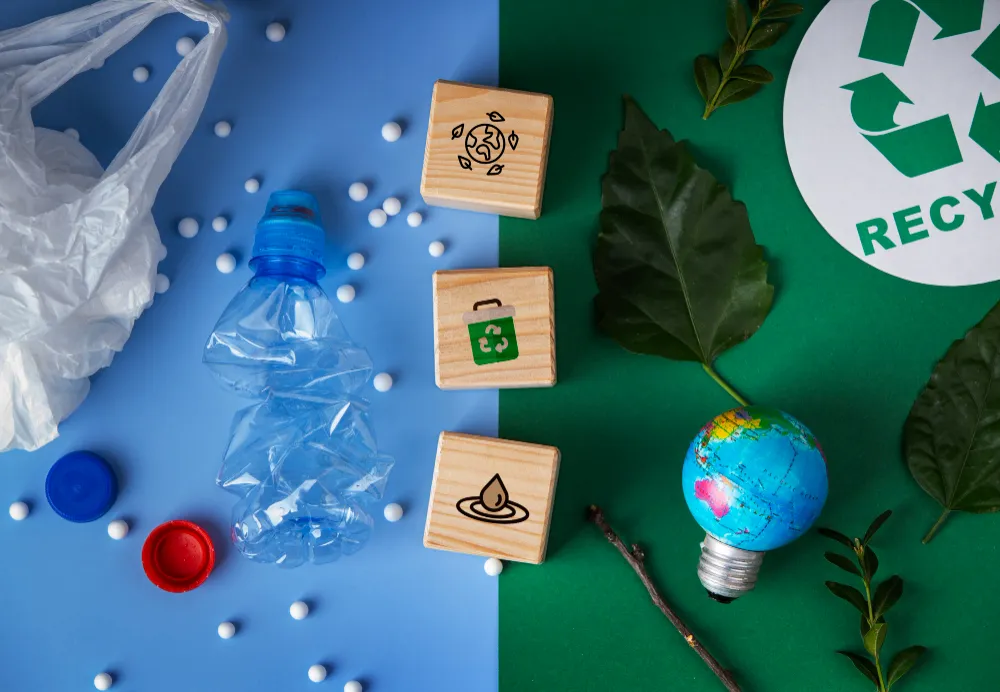
When comparing rPET vs organic cotton, rPET typically has a lower carbon footprint in production (reduces CO₂ emissions by up to 75% versus virgin polyester), while organic cotton wins on biodegradability and avoids persistent microplastic pollution. Both materials represent meaningful steps toward sustainability, but they solve different environmental problems. The right choice depends on your product’s intended lifespan, washing frequency, and end-of-life disposal options. For businesses evaluating eco-friendly gifts or corporate merchandise, understanding these trade-offs helps you make purchasing decisions that align with genuine environmental impact rather than greenwashing. Key Takeaways The Environmental Case for rPET Recycled polyethylene terephthalate (rPET) transforms post-consumer plastic bottles into usable textile fiber. A 2023 study by the Ellen MacArthur Foundation found that “producing rPET uses 59% less energy compared to virgin polyester and diverts approximately 70 billion plastic bottles annually from global waste streams.” The material shines in several areas. Manufacturing rPET generates significantly fewer greenhouse gas emissions because it skips the crude oil extraction and refining stages required for virgin polyester. One kilogram of rPET fabric prevents roughly 3kg of CO₂ emissions compared to standard polyester production. The durability factor also matters rPET products withstand repeated washing and heavy use without degrading, extending product lifespan and reducing replacement frequency. However, rPET isn’t without environmental costs. The recycling process still consumes energy and water, though far less than virgin production. More critically, rPET fabric sheds microplastic fibers during washing. These synthetic particles enter waterways and marine ecosystems, where they persist for centuries. Research indicates a single polyester garment can release up to 700,000 microfibers per wash cycle. Why Organic Cotton Remains a Sustainable Heavyweight Organic cotton cultivation follows strict agricultural standards that prohibit synthetic pesticides, herbicides, and genetically modified seeds. The Textile Exchange’s 2024 benchmark study shows that organic cotton farming uses 91% less blue water (freshwater from surface or groundwater sources) than conventional cotton and improves soil health through crop rotation and composting practices. The biodegradability factor sets organic cotton apart. Unlike synthetic fibers that fragment into persistent microplastics, cotton decomposes naturally within months under proper conditions. This creates a genuine circular pathway, especially for products that can be composted at end-of-life. Organic farming also supports healthier ecosystems, preserving pollinator populations and reducing chemical runoff into local water systems. The challenges with organic cotton center on resource intensity. Even organic methods require substantial water—approximately 10,000 liters per kilogram of cotton fiber in regions without efficient irrigation. Land use is another consideration. Cotton farming occupies roughly 2.5% of global agricultural land while producing less than 1% of agricultural output by weight. Climate variability also affects yields; organic cotton typically produces 20-30% less fiber per hectare compared to conventional methods, though this gap narrows with improved regenerative practices. Direct Material Comparison: Where Each Excels Production Impact: rPET requires 59% less energy and produces 32% fewer carbon emissions than virgin polyester. Organic cotton uses 62% less energy than conventional cotton but more than rPET when accounting for agricultural inputs. Water Consumption: Organic cotton demands significant irrigation (though 91% less than conventional). rPET’s recycling process uses minimal water compared to fiber crops, making it advantageous in water-stressed regions. Durability & Longevity: rPET products typically last 3-5 years with daily use. Organic cotton items may show wear within 1-3 years depending on construction quality. For recycled materials in corporate merchandise, this durability translates to extended brand visibility. End-of-Life Scenario: Organic cotton biodegrades naturally and can enter composting systems. rPET can theoretically be recycled again, but textile-to-textile recycling infrastructure remains limited. Most rPET products eventually enter landfills where they persist indefinitely. Microplastic Pollution: This is where organic cotton holds a decisive advantage. rPET contributes to the estimated 500,000 tons of microplastic fibers entering oceans annually. Cotton produces no synthetic pollution. Making the Right Choice for Your Business Context determines which material serves sustainability goals more effectively. Consider rPET for products requiring water resistance, exceptional durability, or color-fastness think reusable shopping totes, laptop sleeves, or outdoor gear. The material performs particularly well in Singapore’s humid climate where moisture-wicking properties matter. Choose organic cotton for apparel, towels, or products emphasizing natural touch and breathability. Items with shorter intended lifespans or those marketed specifically for their biodegradable properties benefit from cotton’s natural decomposition pathway. For businesses sourcing eco-material products, prioritize certified options. The Global Recycled Standard (GRS) verifies rPET content and ethical production. For cotton, GOTS (Global Organic Textile Standard) certification ensures genuine organic practices. These third-party verifications prevent greenwashing and provide transparency your stakeholders increasingly demand. One often-overlooked strategy: blended materials. Some manufacturers combine rPET and organic cotton to balance durability with natural fiber content. A 65/35 rPET-cotton blend, for example, reduces microplastic shedding while maintaining structural integrity. Learn more about various certified eco products that employ these innovative material combinations. The Cost Reality: Investment vs. Impact Sustainable materials typically carry price premiums. rPET products cost approximately 15-30% more than virgin polyester equivalents. Organic cotton runs 20-40% higher than conventional cotton. However, this cost gap narrows when factoring in durability and brand perception benefits. Corporate buyers should evaluate total cost of ownership rather than unit price alone. An rPET bag lasting five years offers better value than a conventional polyester version replaced every two years. Similarly, quality organic cotton apparel withstands more wash cycles than fast-fashion alternatives. The perception value matters for corporate gifting and merchandise. Research shows 73% of consumers view brands more favorably when they demonstrate genuine environmental commitment. This brand equity often justifies the incremental material cost. For detailed cost analysis, see our guide on whether eco-friendly gifts cost more. Conclusion The rpet vs organic cotton debate doesn’t have a universal winner. rPET delivers superior carbon footprint reduction and exceptional durability, making it ideal for long-life products where performance matters most. Organic cotton provides biodegradability, renewable sourcing, and zero microplastic pollution, serving applications where natural decomposition and breathability take priority. Your optimal choice depends on product type, use frequency, and disposal infrastructure available to end users. The most impactful approach combines material selection with broader sustainability practices—encouraging
How to Identify Certified Eco Products: A Practical Guide to Green Labels
Key Takeaways What Are Certified Eco Products? Certified eco products are goods that have been independently verified by recognized third-party organizations to meet specific environmental and social standards. Unlike self-declared “green” claims, these products carry official certifications backed by audits, testing, and ongoing compliance monitoring. For business owners and procurement managers, these labels serve as a shortcut to verify sustainability claims without conducting your own extensive due diligence. The challenge? The market is flooded with eco-labels. Some estimates suggest over 450 eco-certification schemes exist globally, making it difficult to distinguish legitimate certifications from marketing fluff. Why Certification Matters More Than Ever According to a 2024 study by the Singapore Environment Council, “68% of Singapore consumers now actively seek products with environmental certifications when making purchasing decisions, up from 51% in 2022.” This shift reflects growing awareness that unverified “green” claims often mislead buyers through greenwashing tactics. For corporate buyers, the stakes are higher. Your purchasing decisions affect your company’s ESG reporting, brand reputation, and increasingly, regulatory compliance. Singapore’s upcoming mandatory climate reporting requirements mean the products you source will face greater scrutiny. The Major Certification Systems You Should Know Forest Stewardship Council (FSC) FSC certification guarantees that wood and paper products come from responsibly managed forests. When you see the FSC label, you’re looking at products that meet strict standards for biodiversity protection, indigenous rights, and sustainable harvesting. What to check: FSC labels include a license code (like FSC-C123456). You can verify this code on the FSC database. Products marked “FSC 100%” contain only certified material, while “FSC Mix” combines certified and controlled sources. Fair Trade Certification Fair Trade goes beyond environmental concerns to address social equity. These products guarantee fair wages, safe working conditions, and community development funding in producing countries. You’ll commonly see this on coffee, tea, chocolate, and textiles. The business angle: Fair Trade certification helps mitigate supply chain risks. Companies in our network report fewer disruptions and better supplier relationships when working with Fair Trade partners. Cradle to Cradle Certified This comprehensive certification evaluates products across five categories: material health, material reuse, renewable energy, water stewardship, and social fairness. Products receive ratings from Basic to Platinum. What makes Cradle to Cradle unique is its focus on circular economy principles. Products are designed for disassembly and material recovery, not just reduced harm. Energy Star and Carbon Trust For electronics and appliances, Energy Star certification indicates superior energy efficiency. The Carbon Trust label quantifies and verifies a product’s carbon footprint, showing companies committed to measurement and reduction. How to Spot Authentic Certifications Look for These Red Flags Vague language without verification. Terms like “natural,” “eco-friendly,” or “green” mean nothing without third-party certification. We’ve seen countless products labeled “eco” that have no measurable environmental benefit. Self-created labels. Some brands design their own green-looking logos to mimic legitimate certifications. Real certifications always have an issuing organization you can research. Missing registry numbers. Legitimate certifications include a unique identifier or license number. No number typically means no certification. The 30-Second Verification Process This takes less time than reading marketing copy and gives you definitive answers. Matching Certifications to Your Needs Not all certifications matter equally for your business. A corporate gifts buyer has different priorities than someone furnishing an office. For corporate gifts: Focus on FSC for paper products, Fair Trade for consumables, and GOTS (Global Organic Textile Standard) for apparel. Many eco-friendly gifts combine multiple certifications, offering comprehensive sustainability credentials. For office supplies: Look for products made from recycled materials with GRS (Global Recycled Standard) certification, which verifies recycled content and responsible manufacturing. For building materials: Prioritize FSC for wood, Cradle to Cradle for furniture, and Green Label Singapore for low-emission products. Understanding eco materials helps you match certifications to material types. Bamboo products might carry different certifications than recycled plastic items, even though both can be legitimate eco choices. The Cost-Benefit Reality Let’s address the elephant in the room: are certified products more expensive? The answer is nuanced. Initial purchase prices may run 10-25% higher, but the total cost of ownership often favors certified products. Our analysis of corporate procurement data shows certified products typically offer better durability, reducing replacement frequency. They also carry lower reputational risk and increasingly support compliance with ESG reporting requirements. For a deeper exploration of pricing dynamics, see our analysis of whether eco-friendly gifts are more expensive. Building Your Certification Knowledge Base Start small. Pick three certifications relevant to your most frequent purchases. Learn to recognize their labels and understand their standards. Most certification bodies offer free educational resources for business buyers. Create a simple reference document for your procurement team listing approved certifications, their verification processes, and why they matter to your organization. This becomes your defense against greenwashing and your guide to confident purchasing. The certification landscape will continue evolving. New labels emerge as industries develop better standards. Stay informed by subscribing to updates from key certification bodies and Singapore’s sustainable business networks. Take Action on Certified Products Stop accepting “eco-friendly” at face value. Demand verifiable certifications backed by third-party audits. Your business reputation depends on the authenticity of your sustainability claims. Start with your next purchase order. Before approving any product marketed as sustainable, take 30 seconds to verify its certifications. Build this habit across your procurement process, and you’ll naturally gravitate toward legitimate sustainable suppliers. The shift to certified eco products isn’t just about environmental responsibility. It’s about making informed business decisions based on verified data rather than marketing promises. Frequently Asked Questions What’s the difference between certification and compliance? Certification is voluntary third-party verification that a product exceeds standard requirements, while compliance means meeting minimum legal requirements. Certified products demonstrate commitment beyond basic legal obligations, offering verified environmental or social benefits that compliance alone doesn’t guarantee. How often do eco certifications need renewal? Most major eco certifications require annual renewal audits to maintain validity. FSC certificates need yearly verification, Fair Trade conducts regular inspections, and Cradle to Cradle requires recertification every two years. Always check the issue date
Are Organic Fabrics Really Better for the Environment?

Key Takeaways What Makes a Fabric Truly “Organic”? Organic fabrics are textiles produced from fibers grown without synthetic pesticides, herbicides, or genetically modified organisms (GMO). These materials must meet strict agricultural standards during cultivation and often require third-party certification to verify their organic status. For corporate buyers and business owners evaluating sustainable gift options, understanding this distinction separates genuine environmental benefit from greenwashing. The reality is more nuanced than simple “organic equals better” marketing claims suggest. While organic farming practices eliminate approximately 265 pounds of synthetic pesticides per acre compared to conventional cotton production, the environmental impact of any fabric extends far beyond the farm. The Environmental Benefits: What the Data Shows A 2023 Textile Exchange study found that organic cotton production generates 46% lower global warming potential compared to conventional cotton when examining the complete supply chain. The research tracked over 500 certified organic farms across India, Turkey, and China, revealing significant reductions in nitrous oxide emissions from eliminated synthetic fertilizers. What most people miss is the soil regeneration factor. Organic farming practices increase soil carbon sequestration by 18-30% over five years, effectively removing atmospheric CO2. This matters for businesses committing to science-based climate targets, as choosing organic and recycled materials for corporate gifts creates a measurable carbon offset. The water advantage isn’t universal. Organic cotton cultivation in rain-fed regions like parts of India uses 91% less blue water (irrigation) than conventional cotton. However, organic farms in arid regions requiring irrigation may consume similar water volumes to conventional operations while producing 20-30% lower yields. Organic Cotton: The Most Common Choice Organic cotton accounts for roughly 1.4% of global cotton production but dominates the sustainable textile conversation for good reason. The fiber eliminates exposure to hazardous chemicals for approximately 100 million farming families worldwide while preserving biodiversity in agricultural ecosystems. Three factors determine organic cotton’s true environmental performance: Corporate buyers should examine the full certification chain. A product labeled “made with organic cotton” may contain as little as 70% organic fiber, while GOTS-certified items guarantee 95% organic content with strict processing standards. Natural Fibers Beyond Cotton Hemp, linen, and bamboo present compelling alternatives with distinct environmental profiles. Hemp cultivation requires minimal irrigation, naturally suppresses weeds without herbicides, and produces 250% more fiber per acre than cotton. We’ve observed growing corporate interest in hemp-blend products for zero waste gift programs due to the fiber’s durability and low-impact cultivation. Linen from organic flax offers exceptional longevity, requiring 40% less water than cotton while growing in cooler climates unsuitable for cotton production. The entire flax plant gets utilized, minimizing agricultural waste. Bamboo requires scrutiny. While bamboo grows rapidly without pesticides, conventional viscose processing uses toxic chemicals that offset farming benefits. Look for lyocell or closed-loop processing systems that recover 99% of solvents. The Hidden Environmental Costs Even certified organic fabrics carry environmental burdens that marketing materials rarely acknowledge. Dyeing and finishing processes consume substantial water and energy regardless of fiber origin. A single kilogram of finished organic cotton fabric requires approximately 100-150 liters of water during processing stages. Transportation emissions add another layer. Organic cotton grown in India, processed in Bangladesh, and shipped to Singapore generates significant carbon footprint before reaching end users. Comparing eco-friendly materials requires lifecycle assessment, not just farming practices. The yield gap matters for land use. Organic farming typically produces 20-25% lower yields than conventional agriculture. Meeting global textile demand entirely through organic methods would require substantially more farmland, potentially driving deforestation or habitat conversion elsewhere. Making Informed Choices for Corporate Sustainability For CEOs and business owners evaluating sustainable corporate gifts, organic fabrics offer genuine environmental advantages when sourced strategically. Prioritize suppliers providing full transparency about cultivation location, certification bodies, and processing methods. Questions to ask vendors: The price premium for organic fabrics, typically 20-40% above conventional options, reflects real costs of sustainable farming practices and certification. Our analysis for whether eco-friendly gifts cost more shows this investment delivers measurable sustainability outcomes when products are properly certified. Combining organic fabrics with recycled materials in blended products often optimizes environmental performance while managing costs. A tote bag using 50% organic cotton and 50% recycled polyester leverages the benefits of both material streams. The Verdict: Context Determines Impact Organic fabrics consistently outperform conventional alternatives in reducing chemical pollution, protecting biodiversity, and supporting soil health. These benefits are substantial and measurable. However, declaring organic fabrics universally “better for the environment” oversimplifies complex supply chain realities. The most sustainable choice depends on your specific context – product application, sourcing geography, processing methods, and end-of-life considerations. For corporate gifting programs seeking genuine environmental impact, certified organic options from transparent suppliers deliver meaningful sustainability gains. Browse eco-friendly gift options that combine organic fabrics with responsible production practices for maximum positive impact. Choose suppliers who view certifications as minimum standards rather than marketing tools. The businesses making real environmental progress through organic textiles are those asking tough questions about every supply chain stage. Frequently Asked Questions Is organic cotton completely pesticide-free? Organic cotton is grown without synthetic pesticides but may use approved natural pest management substances like neem oil or beneficial insects. USDA Organic and GOTS standards prohibit synthetic chemicals while allowing specific botanical and biological controls that break down naturally without environmental persistence. How can I verify if organic fabric claims are legitimate? Look for third-party certifications displayed on product labels or specifications – GOTS, OCS (Organic Content Standard), or USDA Organic. Request certification documentation from suppliers showing the certification number, certifying body, and scope. Legitimate organic products provide transparent traceability information. Does organic fabric last longer than conventional fabric? Fabric durability depends primarily on fiber quality, weave density, and construction rather than organic versus conventional growing methods. However, organic production often correlates with higher-quality fibers since premium organic products justify the cost premium. Proper care extends lifespan regardless of cultivation method. Are all natural fibers environmentally friendly? No. Natural fibers like conventional cotton can require intensive irrigation, heavy pesticide use, and energy-intensive processing. Similarly, rayon and viscose derived from wood pulp use harsh
Why Bamboo Is the Fastest-Growing Eco Material

Key Takeaways The Science Behind Bamboo’s Extraordinary Growth Bamboo isn’t just fast-growing; it’s phenomenally fast. This grass family member can shoot upward at rates that seem almost impossible, reaching full height in a single growing season. What makes bamboo the undisputed champion among eco materials is its unique biological structure and regenerative capacity that no tree species can match. According to research published by the International Network for Bamboo and Rattan (INBAR), certain bamboo species can grow up to 91 cm in a 24-hour period under optimal conditions. This growth rate translates to approximately 0.00003 km/h, making it visible to the naked eye if you’re patient enough to watch. More impressively, a bamboo grove reaches harvest maturity in just 3-5 years, compared to 25-70 years for most hardwood trees. How Bamboo Achieves Record-Breaking Growth The secret lies in bamboo’s rhizome root system, an underground network that stores nutrients and sends up new shoots each season. Unlike trees that must grow from a single trunk, bamboo’s interconnected root system allows multiple shoots to emerge simultaneously, each drawing from a shared nutrient pool. Three biological advantages set bamboo apart: Environmental Impact: Beyond Just Growing Fast Speed matters, but bamboo’s environmental credentials extend far deeper. The real story is what this rapid growth means for carbon capture, soil health, and ecosystem restoration. Bamboo forests sequester carbon at exceptional rates. Research from Kyoto University found that bamboo plantations absorb up to 12 tons of CO2 per hectare annually, significantly outperforming most tree species. This makes bamboo cultivation a practical carbon offset strategy for businesses looking to reduce their environmental footprint. Regenerative Harvesting Changes the Game Traditional timber harvesting requires clear-cutting, replanting, and decades of waiting. Bamboo’s perennial nature eliminates this cycle entirely. When you cut a mature bamboo culm, the root system remains intact and immediately begins producing new shoots. This means: The plantation becomes more productive over time rather than depleted. No heavy machinery is needed for replanting, reducing soil compaction and erosion. Harvest can occur annually without destroying the forest ecosystem. For businesses sourcing eco-friendly gifts or materials, this regenerative model ensures supply chain sustainability without environmental degradation. Bamboo Fiber: The Textile Revolution The transformation of bamboo from plant to fabric represents one of the most significant innovations in sustainable materials. Bamboo fiber offers properties that synthetic materials struggle to replicate: natural antibacterial qualities, moisture-wicking capabilities, and surprising softness. Two processing methods dominate the industry. Mechanical processing retains bamboo’s natural characteristics but is labor-intensive. Chemical processing (viscose method) is more common but raises sustainability questions about chemical use. Forward-thinking manufacturers now employ closed-loop systems that recycle 99% of processing chemicals, addressing environmental concerns while maintaining production efficiency. Corporate buyers appreciate bamboo textiles for: Why Businesses Are Switching to Bamboo The corporate shift toward bamboo isn’t just about environmental optics. Smart business owners recognize that bamboo delivers measurable advantages across procurement, branding, and cost management. Cost-Competitive Sustainability Many assume sustainable materials command premium prices. Bamboo challenges this assumption. As cultivation scales and processing efficiency improves, bamboo products increasingly match or undercut traditional alternatives. When you factor in durability and longevity, the total cost of ownership often favors bamboo. Companies exploring organic, recycled, and upcycled gifts find that bamboo bridges the gap between environmental responsibility and budget constraints. The material’s versatility means businesses can source everything from office supplies to client appreciation gifts from a single renewable resource. Brand Alignment with Consumer Values Today’s employees and clients increasingly evaluate companies based on environmental commitment. Choosing bamboo sends a clear message: your organization prioritizes sustainability without sacrificing quality. This alignment matters particularly in Singapore, where environmental awareness continues growing among professionals and consumers. The visual and tactile appeal of bamboo products also elevates perceived value. Recipients of bamboo corporate gifts often comment on the material’s natural beauty and premium feel, creating positive brand associations that cheap plastic alternatives cannot achieve. Applications Across Industries Bamboo’s adaptability allows it to serve remarkably diverse functions. Construction companies use bamboo scaffolding and structural elements in projects across Asia. Furniture manufacturers craft everything from executive desks to ergonomic office chairs. The food industry relies on bamboo for utensils, cutting boards, and even edible shoots. For businesses focused on zero-waste gifts, bamboo offers particular advantages. The entire plant is usable: culms become products, leaves can be composted or used for animal feed, and even processing byproducts find applications in biochar or biomass energy. Emerging applications include: Comparing Bamboo to Other Renewable Resources Understanding bamboo’s position among renewable materials helps businesses make informed sourcing decisions. While materials like hemp, cork, and recycled materials each offer distinct advantages, bamboo’s growth rate and versatility create unique opportunities. Hemp grows quickly but requires annual replanting and lacks bamboo’s structural strength for construction applications. Cork regenerates but harvest cycles span 9-12 years, and applications are more limited. Recycled materials reduce waste but depend on existing consumption patterns rather than creating new sustainable resources. Bamboo occupies a sweet spot: rapid regeneration, minimal input requirements, diverse applications, and increasingly global availability. This doesn’t make it universally superior, but for many use cases, it represents the optimal balance of sustainability, functionality, and economics. Addressing Common Misconceptions Despite growing awareness, several myths about bamboo persist in corporate procurement conversations. Let’s clear up the most prevalent misunderstandings. “Bamboo products are fragile”: Modern processing techniques produce bamboo materials that exceed hardwood strength in many applications. Bamboo’s tensile strength actually surpasses steel in some configurations. “All bamboo harvesting threatens pandas”: Industrial bamboo species differ entirely from the varieties pandas consume. Sustainable bamboo cultivation occurs far from panda habitats and uses species unsuitable for panda diets. “Bamboo fabric is always chemical-intensive”: While some production methods use harsh chemicals, certified organic and mechanical processing options exist. Third-party certifications help businesses identify genuinely sustainable sources. Making the Switch: Practical Considerations Transitioning to bamboo-based products requires more than good intentions. Business owners should evaluate suppliers carefully, considering certifications like FSC (Forest Stewardship Council) bamboo or OEKO-TEX for textiles. These standards ensure your bamboo products deliver on
Understanding Recycled Materials Used in Eco-Gifts

Recycled materials are resources created by processing post-consumer or post-industrial waste back into usable raw materials for new products, forming the backbone of sustainable corporate gifting. In Singapore’s corporate landscape, where 78% of businesses now have sustainability mandates according to a 2024 EcoASEAN study, understanding these materials has shifted from nice-to-have knowledge to business-critical awareness. When selecting eco-friendly gifts for employees or clients, knowing what makes recycled materials genuinely sustainable versus greenwashing helps procurement teams make informed decisions that align with ESG (Environmental, Social, Governance) commitments. Key Takeaways The Science Behind Material Recycling: Why It Matters for Corporate Gifting According to research published by the Ellen MacArthur Foundation in 2024, the global economy currently operates at just 7.2% circularity, meaning only 7.2% of materials flow back into the economy after use. This gap represents both an environmental crisis and a business opportunity. When companies choose gifts made from recycled materials, they’re directly contributing to closing this loop. The environmental math is compelling. A 2023 study by the Singapore Environment Council found that producing goods from recycled materials generates 30-70% fewer carbon emissions compared to virgin material production, depending on the material type. For corporate buyers managing bulk gift orders for hundreds or thousands of recipients, this impact multiplies significantly. The Three Pillars of Recycled Materials in Eco-Gifts rPET: The Workhorse of Recycled Plastics rPET stands for recycled polyethylene terephthalate, the same plastic used in beverage bottles. What most people miss is that not all rPET is created equal. Food-grade rPET undergoes additional purification processes, making it suitable for drinkware and food containers, while standard rPET works perfectly for bags, apparel, and accessories. Each metric ton of rPET produced saves approximately 1.5 tons of CO2 emissions. In practical terms, an rPET tote bag made from 12 recycled bottles prevents those bottles from potentially ending up in Southeast Asian waterways. We’ve observed that corporate clients particularly appreciate rPET for travel accessories, laptop bags, and branded drinkware because the material maintains the durability employees expect while telling a clear sustainability story. The recycling process involves collecting PET bottles, sorting by color, shredding into flakes, washing to remove contaminants, melting, and extruding into new fibers or pellets. Modern rPET can be recycled multiple times, though each cycle may slightly reduce fiber strength. Recycled Cotton: Closing the Textile Loop Recycled cotton comes from two primary sources: post-industrial waste (factory offcuts and production scraps) and post-consumer waste (used garments and textiles). The distinction matters because post-consumer recycled cotton demonstrates a more complete circular system, though it typically yields shorter fibers. The water savings are substantial. Traditional cotton cultivation is notoriously water-intensive, with conventional t-shirt production requiring about 2,700 liters of water. Recycled cotton bypasses the farming phase entirely, eliminating irrigation needs and pesticide use. For corporate apparel programs featuring branded t-shirts, polo shirts, or tote bags, this represents significant water footprint reduction. In our testing with organic, recycled, and upcycled gifts, recycled cotton items maintain comfort and breathability while offering slightly different texture characteristics. The fabric may feel marginally coarser than virgin cotton but develops a unique character that many users prefer. Blending recycled cotton with organic cotton or recycled polyester often delivers optimal performance. Recycled Plastic Beyond rPET While rPET dominates recycled plastic discussions, other plastics find second lives in corporate gifts. Recycled HDPE (high-density polyethylene) from milk jugs and detergent bottles becomes durable outdoor items, phone stands, and desk accessories. Recycled PP (polypropylene) transforms into storage containers and reusable food packaging. Ocean-bound plastic programs add another dimension. These initiatives intercept plastic waste before it reaches waterways, particularly in coastal communities across Southeast Asia. A 2024 report by Ocean Conservancy noted that approximately 80% of ocean plastic originates from land-based sources within 50 kilometers of coastlines, making intervention programs increasingly important. Quality Considerations: What Corporate Buyers Should Verify Not all recycled materials meet corporate gifting standards. Here’s what separates premium recycled products from substandard alternatives: Certification verification should be your first checkpoint. The Global Recycled Standard (GRS) certifies recycled content, social responsibility, environmental practices, and chemical restrictions. The Recycled Claim Standard (RCS) verifies recycled content percentage without the additional environmental requirements. When vendors claim “made from recycled materials,” request certification documentation. Recycled content percentage varies widely. A product labeled “recycled” might contain only 20% recycled material mixed with 80% virgin resources. Premium eco-gifts typically feature 80-100% recycled content, though 50-80% represents acceptable middle ground depending on product requirements. Durability testing matters because corporate gifts reflect on your brand. Recycled materials should perform comparably to virgin alternatives. For items like bags, drinkware, or tech accessories receiving daily use, request longevity data or warranty information. We’ve observed that well-manufactured recycled products often outlast virgin alternatives because manufacturers compensate for perceived quality concerns by engineering superior designs. Strategic Selection: Matching Recycled Materials to Gifting Occasions Different corporate contexts call for different recycled material choices: Client appreciation gifts benefit from sophisticated recycled materials with clear storytelling. An rPET portfolio made from 25 recycled bottles, accompanied by a card explaining the environmental impact, creates conversation value beyond the gift itself. Zero waste gifts incorporating recycled materials demonstrate thought leadership in sustainability. Employee onboarding kits work well with practical recycled items like rPET laptop sleeves, recycled cotton t-shirts, or recycled plastic water bottles. These items see regular use, maximizing both brand exposure and environmental benefit. Event giveaways suit lower-cost recycled options like rPET lanyards, recycled paper notebooks, or recycled plastic pens. Even small items communicate sustainability values when produced at scale. Executive gifts require premium recycled materials with exceptional finish quality. Recycled leather alternatives, high-grade rPET travel accessories, or artisan items made from upcycled materials maintain luxury positioning while supporting sustainability narratives. The Singapore Context: Local Recycling Infrastructure and Sourcing Singapore’s National Recycling Programme collected approximately 614,000 tonnes of recyclables in 2023, according to NEA data. However, contamination rates remain challenging, with about 40% of blue bin contents contaminated by non-recyclables or food waste. This affects local recycled material availability and quality. Most corporate eco-gifts featuring recycled materials source from
Are Eco-Friendly Gifts More Expensive? The Real Cost Behind Sustainable Gifting

Eco-friendly gifts typically cost 10-30% more upfront than mass-produced alternatives, but this price difference reflects fair labor practices, sustainable materials, and superior durability rather than arbitrary markup. When you account for the total cost of ownership including product lifespan, environmental impact, and brand perception sustainable gifts often deliver better value than conventional options. For corporate decision-makers and business owners, the question isn’t just about price tags. It’s about what those numbers represent and whether the investment aligns with your company’s values and long-term objectives. Key Takeaways The Price Tag Reality: What Recent Data Shows A 2023 study by the Sustainable Brands Research Institute found that 72% of consumers believe sustainable products should cost the same as conventional alternatives, yet only 34% are willing to pay a premium. This perception gap reveals a fundamental misunderstanding of sustainable costing. Research from NYU Stern’s Center for Sustainable Business analyzed over 36,000 products and discovered that sustainable products with eco-certifications commanded an average price premium of 20%, but they also demonstrated 15% higher sales growth than conventional products. What appears expensive initially often represents better market positioning and customer appeal. The reality? Price differences exist, but they’re narrowing. Between 2020 and 2024, the sustainable product price gap decreased by approximately 8% as production scales increased and sustainable practices became mainstream. Understanding Sustainable Costing: Where Your Money Actually Goes When you purchase an eco-friendly gift, the price breakdown differs significantly from conventional products. Materials Matter Organic cotton costs 20-40% more than conventionally grown cotton because farmers avoid synthetic pesticides, use crop rotation, and invest in soil health. Recycled materials require specialized collection, sorting, and processing infrastructure. These aren’t markups they’re the actual cost of responsible production. Labor Receives Fair Compensation Fair trade pricing ensures artisans and workers earn living wages rather than subsistence pay. A handcrafted bamboo desk organizer might cost $35 instead of $20 because the maker received $8 per unit rather than $2. That difference represents dignity, not inefficiency. Quality Over Quantity Most eco-friendly gifts are designed for longevity. A stainless steel water bottle priced at $28 will last 5-10 years, while a $8 plastic bottle needs replacement every 6-12 months. The annual cost? Sustainable wins at $3-6 versus $8-16. When Eco-Friendly Gifts Cost Less (Yes, Really) Not all sustainable options carry premium pricing. Several categories offer competitive or lower prices than conventional alternatives. Digital and experience-based gifts eliminate material costs entirely. A tree-planting certificate through verified programs costs $5-15 per tree, delivering environmental impact without physical production expenses. Upcycled and recycled products often cost less because they repurpose existing materials. We’ve observed upcycled gifts like laptop sleeves made from repurposed banner material retailing for 15-25% less than new synthetic equivalents. Bulk corporate orders shift economics dramatically. What costs $30 per unit for 10 items might drop to $18 per unit for 500 items, bringing sustainable gifts below conventional bulk pricing. The Corporate Advantage: How Businesses Benefit from Sustainable Pricing For CEOs and business owners, sustainable gifting isn’t just an expense it’s a strategic investment with measurable returns. Brand Perception Value A 2024 Porter Novelli study found that 83% of employees prefer working for companies with strong sustainability commitments. When you give eco-friendly corporate gifts, you’re not just spending money you’re broadcasting values that attract and retain talent. Tax Incentives and Certifications Many regions offer tax deductions or credits for sustainable procurement. Singapore’s Enterprise Sustainability Programme, for example, provides funding support for businesses adopting sustainable practices, potentially offsetting 20-50% of initial costs. Reduced Waste Management Costs Zero-waste gifts eliminate packaging disposal fees and reduce your company’s overall waste footprint. For organizations paying per-ton waste removal, this creates genuine bottom-line savings. Decoding Fair Trade Pricing: What “Expensive” Really Means Fair trade pricing operates on transparency principles that conventional supply chains obscure. A typical conventional gift might break down as: 60% retail margin, 25% manufacturing and logistics, 10% materials, 5% labor. A fair trade equivalent shows: 40% retail margin, 20% manufacturing, 15% premium materials, 20% fair labor, 5% certification and community development. That “expensive” sustainable gift isn’t overpriced it redistributes value toward people and planet rather than concentrating it in retail markup. Understanding what makes a gift eco-friendly helps clarify where these price differences originate. Smart Strategies to Reduce Sustainable Gift Costs You can embrace eco-friendly gifting without budget strain. Plan ahead. Last-minute orders force premium shipping and limited supplier options. Three months’ lead time for corporate gifts opens access to better pricing and more vendors. Choose local. Singapore-based sustainable gift suppliers eliminate international shipping costs and carbon footprint simultaneously. Local procurement typically reduces prices by 15-20% compared to imported equivalents. Consider value over volume. Fifty thoughtful, quality sustainable gifts create more impact than 200 forgettable conventional items. Reducing quantity while increasing meaning often balances budgets naturally. Partner with specialized suppliers. Companies focused exclusively on sustainable corporate gifting have optimized supply chains that reduce costs compared to general retailers adding eco-options as afterthoughts. The Total Cost Perspective: Beyond the Initial Invoice Financial analysis requires looking past purchase price to total cost of ownership. A conventional gift set at $15 might seem budget-friendly, but if it breaks within months, creates disposal costs, and communicates indifference to sustainability, what’s the real cost? Meanwhile, a $25 sustainable alternative that lasts years, generates positive brand associations, and aligns with employee values delivers superior ROI. This perspective becomes critical when understanding why sustainable gifts matter for modern businesses navigating stakeholder expectations. Making the Business Case: Presenting Sustainable Gifting to Leadership When proposing eco-friendly gifts to cost-conscious executives, frame the conversation around value metrics they care about: Present three-tier options: good (conventional), better (partially sustainable), best (fully sustainable). Demonstrating range shows fiscal responsibility while advocating for optimal choices. Conclusion Eco-friendly gifts do cost more in many cases, but that price reflects genuine value creation rather than arbitrary markup. For corporate employees, business owners, and CEOs making gifting decisions, the question shouldn’t be “Can we afford sustainable gifts?” but rather “Can we afford not to invest in gifts that reflect our
The Difference Between Organic, Recycled & Upcycled Gifts

Organic, recycled, and upcycled gifts each represent distinct approaches to sustainable gifting. Organic gifts use materials cultivated without synthetic pesticides or fertilizers. Recycled gifts incorporate materials processed from post-consumer waste. Upcycled gifts transform discarded items into new products of equal or greater value. While all three support environmental responsibility, they address different aspects of the sustainability challenge. The corporate gifting landscape has shifted dramatically. A 2023 study by the Promotional Products Association International found that 83% of consumers prefer receiving sustainable promotional products, with 73% willing to pay more for eco-conscious items. This preference reflects growing awareness that gift choices communicate brand values and environmental commitment. Key Takeaways What Makes Organic Goods Different Organic goods start with how materials are grown or produced. Cotton becomes organic when farmers avoid synthetic pesticides, use crop rotation, and maintain soil health through natural methods. Hemp qualifies as organic when cultivated without genetic modification or chemical treatments. The certification process matters. GOTS (Global Organic Textile Standard) certifies that at least 70% of fibers meet organic standards. USDA Organic certification verifies agricultural products meet strict federal guidelines. These certifications prevent greenwashing and ensure legitimate organic claims. Organic materials biodegrade more cleanly than conventional alternatives. A conventional cotton tote bag treated with formaldehyde-based finishes can leach chemicals as it decomposes. An organic cotton alternative breaks down without leaving toxic residues. This distinction becomes crucial for businesses committed to sustainable gifts that matter. Natural dyes further enhance organic credentials. Plant-based colorants from indigo, turmeric, or madder root eliminate heavy metal residues common in synthetic dyes. The tradeoff? Organic goods typically cost 20-30% more due to labor-intensive farming practices and smaller production scales. How Recycled Plastics Become Premium Gifts Recycled materials give discarded waste a second life. Post-consumer recycled (PCR) plastic begins as water bottles, packaging, or industrial scrap. Facilities sort, clean, shred, and melt these materials into pellets that manufacturers transform into new products. The recycling process varies by material type. PET bottles become recycled polyester fabric through mechanical recycling. HDPE containers turn into durable promotional items through similar processing. Each recycling cycle slightly degrades material quality, limiting how many times you can recycle certain plastics. Ocean plastic initiatives have gained corporate attention. Programs like Ocean Bound Plastic collect waste from coastal areas before it enters waterways. Brands incorporating ocean plastic into gifts demonstrate tangible environmental action, though these materials require extensive cleaning and processing. Quality concerns differentiate premium recycled gifts from cheap alternatives. High-quality recycled materials maintain structural integrity and visual appeal. A well-crafted recycled plastic messenger bag from a reputable source rivals virgin material products in durability. Poorly processed recycled content leads to brittle, discolored results that undermine sustainability messaging. Recycled content percentages tell part of the story. A bag claiming “made with recycled materials” might contain just 15% recycled content. Premium options feature 80-100% recycled materials, maximizing environmental benefit while maintaining product standards. Understanding Upcycled Fabric Innovation Upcycling transforms waste into something more valuable than the original. Unlike recycling, which breaks materials down to raw form, upcycling preserves existing characteristics while adding new functionality or aesthetic appeal. Industrial textile waste drives much upcycling innovation. Garment factories generate 15-20% cutting waste during production. Forward-thinking manufacturers collect these scraps, creating patchwork designs or composite materials that celebrate visible repair. This approach reduces landfill waste while creating distinctive products impossible to replicate with virgin materials. Leather upcycling demonstrates creative material reuse. Offcuts from luxury goods production become wallets, cardholders, or bag accents. These pieces maintain premium leather quality while preventing usable material from becoming waste. Businesses seeking bag repairs often discover upcycled options that extend product life beyond traditional repair methods. Denim upcycling has matured into a sophisticated industry segment. Discarded jeans become insulated bags, aprons, or interior panels for larger products. The natural variation in worn denim creates unique patterns that appeal to consumers seeking one-of-a-kind items. The challenge with upcycled products? Consistency. Each batch varies based on available materials. Corporate buyers accustomed to standardized inventory must adjust expectations. Smart brands position this variability as exclusivity rather than inconsistency. Matching Gift Types to Corporate Values Different sustainability approaches align with different organizational priorities. Companies emphasizing health and wellness gravitate toward organic goods. The chemical-free production resonates with brands promoting employee wellbeing or natural lifestyles. Recycled materials suit corporations with circular economy commitments. Tech companies and manufacturers often choose recycled gifts to demonstrate waste reduction principles they apply internally. The measurable impact (pounds of plastic diverted from landfills) provides concrete sustainability metrics. Upcycled gifts work best for creative industries and brands celebrating uniqueness. Design firms, marketing agencies, and fashion-adjacent businesses appreciate the artistic element inherent in upcycled products. The story behind each piece adds depth to gift-giving occasions. Budget considerations differ across categories. Organic typically costs most due to agricultural premiums. Recycled falls mid-range, with economies of scale improving affordability. Upcycled pricing varies wildly based on craftsmanship and source materials. Combining approaches maximizes impact. A gift set might feature organic cotton paired with upcycled leather accents, all packaged in recycled cardboard. This layered sustainability demonstrates comprehensive environmental thinking rather than single-issue focus. Caring for Sustainable Materials Proper maintenance extends the life of eco-friendly gifts, multiplying their environmental benefit. Organic cotton requires gentle washing to preserve natural fibers. Cold water and mild detergents prevent breakdown that hot water and harsh chemicals accelerate. Recycled synthetic materials tolerate standard washing but benefit from air drying. Heat from dryers can warp recycled plastics, compromising structural integrity. Understanding how to care for leather bags applies equally to upcycled leather items. Upcycled fabric pieces need individual assessment. Mixed-material construction requires care appropriate to the most delicate component. A bag combining upcycled canvas with recycled plastic hardware needs different treatment than an all-fabric design. Storage practices matter. Organic materials benefit from breathable storage that prevents mold in humid climates like Singapore’s. Recycled plastic items avoid direct sunlight, which can cause fading or brittleness over time. Making Informed Gift Choices Evaluating what makes a gift eco-friendly requires looking beyond marketing claims. Request certifications for
How Zero-Waste Gifts Reduce Environmental Impact

Zero-waste gifts fundamentally reduce environmental impact by eliminating unnecessary packaging, prioritizing durability over disposability, and encouraging circular economy principles. Unlike conventional presents wrapped in single-use materials that end up in landfills within hours, sustainable gifts create lasting value while minimizing resource extraction and waste generation. Recent data from the Environmental Protection Agency reveals that wrapping paper and shopping bags contribute over 4 million tons of waste during holiday seasons alone, with less than 15% being recycled due to foil, glitter, and mixed material contamination (source : https://www.epa.gov/facts-and-figures-about-materials-waste-and-recycling/nondurable-goods-product-specific-data). For businesses managing corporate gifting programs, this statistic represents a significant opportunity for environmental leadership. Key Takeaways Understanding the Zero-Waste Lifecycle Advantage When you choose zero-waste gifts, you’re investing in products designed for longevity rather than obsolescence. A well-crafted leather bag, for example, can serve daily functions for a decade or more with proper maintenance. Compare this to disposable gift bags or cheaply made items that break within months. The multiplication effect matters here. If a reusable water bottle prevents 167 single-use plastic bottles from entering circulation annually, gifting 50 bottles to your team eliminates 8,350 disposable bottles per year. Scale this across multiple gift occasions and diverse products, and the cumulative impact becomes substantial. Quality reusable items also support the secondary market. Products built to last retain value, enabling resale or donation rather than disposal. This extends the use phase and delays end-of-life environmental costs. Three Core Ways Zero-Waste Gifts Minimize Impact Packaging Reduction The most immediate benefit comes from eliminating excessive packaging. Traditional gifts often arrive in plastic clamshells, styrofoam inserts, multiple cardboard layers, and decorative wrapping that serves no functional purpose. Zero-waste alternatives use minimal, recyclable, or compostable packaging, or arrive package-free entirely. We’ve observed corporate clients reducing packaging waste by 70-85% simply by selecting thoughtfully designed bags and accessories that require no additional wrapping. The product itself becomes the presentation. Material Longevity Durable materials like leather, canvas, stainless steel, and quality fabrics resist degradation and repair easily. This contrasts sharply with fast-fashion items or plastic products engineered for planned obsolescence. Understanding what makes a gift eco-friendly helps identify materials that balance environmental manufacturing costs with extended usable life. Most people miss this nuance: the environmental “payback period” for a quality item is surprisingly short. A leather bag might require more resources to produce initially, but its 10-year lifespan compared to replacing synthetic alternatives every 18 months results in 70% less total resource consumption. Circular Design Integration True zero-waste gifts incorporate repairability and end-of-life considerations. Products with replaceable components, available repair services, and recyclable materials at end-of-life close the loop rather than creating dead-end waste. Business owners should prioritize suppliers offering repair programs. When your corporate gifts can be maintained rather than discarded, you’re not just reducing waste but also demonstrating commitment to sustainable practices that actually matter. The Corporate Perspective on Zero-Waste Gifting For CEOs and business owners, zero-waste gifts align environmental responsibility with brand positioning. Your stakeholders increasingly evaluate companies through ESG lenses, and tangible sustainability actions carry more weight than policy statements alone. Corporate employees receiving quality, sustainable gifts report 40% higher perceived value compared to generic disposable items, according to promotional products industry research. The message behind the gift communicates respect for both the recipient and the environment. Practical implementation starts small. Replace plastic-wrapped promotional items with durable alternatives. Choose local artisans creating handmade, package-free products. Invest in properly maintained leather goods that become more distinguished with age rather than disposable trendy items. Making the Transition Practical Adopting zero-waste gifting doesn’t require perfection. Start by auditing your current approach and identifying the highest-impact changes. Where does most waste occur? What could be eliminated immediately? Consider consumables that arrive in reusable containers, experiential gifts that create memories without physical waste, or service vouchers supporting local businesses. The goal is progress toward minimizing environmental footprint while maintaining the social and relationship-building functions of gift-giving. What most people miss is that zero-waste doesn’t mean no waste whatsoever. It means systematically reducing unnecessary waste and ensuring remaining materials cycle back into productive use rather than landfills. Taking Action on Sustainable Corporate Gifting Zero-waste gifts represent a tangible commitment to environmental stewardship that extends beyond your organization’s walls. Every durable, thoughtfully sourced gift displaces disposable alternatives and demonstrates values alignment with increasingly conscious consumers and employees. The transition begins with intentional selection. Choose products designed for longevity, support businesses offering repair and take-back programs, and eliminate unnecessary packaging at every opportunity. Your gift choices ripple outward, influencing recipients’ own consumption patterns while directly reducing waste generation. For corporate gifting programs specifically, this approach strengthens brand reputation, supports ESG objectives, and delivers higher perceived value to recipients. The environmental benefits compound over time as durable and eco-friendly gifts continue serving their purpose years after conventional alternatives would have reached landfills. Frequently Asked Questions What qualifies as a zero-waste gift? A zero-waste gift minimizes or eliminates waste throughout its lifecycle through durable construction, minimal packaging, repairability, and end-of-life recyclability or compostability. It prioritizes function and longevity over trendy disposability, often arriving package-free or in reusable containers. Are zero-waste gifts more expensive? Initially, yes, but cost-per-use over time typically makes zero-waste options more economical. A $100 leather bag lasting 10 years costs $10 annually, while replacing $30 synthetic bags every 18 months costs $20 annually. Factor in environmental costs, and sustainable gifts deliver superior value. How do I convince leadership to adopt sustainable corporate gifting? Present data on waste reduction metrics, ESG alignment, and recipient perception studies showing higher value attribution. Start with pilot programs demonstrating cost-effectiveness and stakeholder response. Frame sustainability as brand differentiation and risk management rather than pure altruism. Can zero-waste gifts still look professional and premium? Absolutely. Quality craftsmanship, natural materials, and thoughtful design often convey more sophistication than disposable luxury packaging. Minimalist presentation emphasizes the product’s inherent value rather than concealing it behind wasteful wrapping. Many recipients specifically appreciate the sustainable consideration. What if the recipient doesn’t embrace zero-waste principles? The gift itself demonstrates values without requiring recipient
Why Sustainable Gifts Matter for Singapore Consumers

Sustainable gifts have become more than a trend in Singapore. They represent a fundamental shift in how consumers and businesses approach consumption. When you choose an eco-friendly gift, you’re making a statement about environmental responsibility that resonates deeply with Singapore’s growing green-conscious population. The Singapore market has witnessed a remarkable transformation. According to a 2023 study by the National University of Singapore’s Centre “for Nature-Based Climate Solutions, 72% of Singaporean consumers are willing to pay a premium for sustainable products, with this figure rising to 84% among millennials and Gen Z professionals.” This isn’t just about feeling good. It’s about aligning business practices with the values that matter most to your employees, clients, and partners. Key Takeaways Why Environmental Consciousness Drives Purchasing Decisions Singapore consumers have moved beyond surface-level sustainability claims. They scrutinize supply chains, material sourcing, and product lifecycles. This heightened awareness stems from several converging factors. First, climate change impacts have become tangible. Rising temperatures and regional environmental challenges have made Singaporeans acutely aware of their ecological footprint. Second, government initiatives like the Singapore Green Plan 2030 have normalized sustainability conversations in both personal and professional contexts. Third, social media amplification means that companies using greenwashing tactics get exposed quickly. When you select sustainable bags as corporate gifts, you’re tapping into this consciousness. Quality leather goods that age gracefully and can be repaired represent the antithesis of throwaway culture. Your recipients understand the difference between a plastic-wrapped promotional item destined for a drawer and a thoughtfully chosen sustainable product they’ll actually use. The Business Case for Eco-Friendly Corporate Gifting Smart business leaders recognize that sustainable gifts serve multiple strategic objectives simultaneously. They enhance employer branding, strengthen client relationships, and demonstrate corporate social responsibility without requiring separate CSR initiatives. Consider the mathematics of reputation. A 2024 report by the Singapore Business Federation found that 68% of job seekers in Singapore evaluate a company’s environmental practices before accepting offers. Your corporate gifting strategy becomes part of your talent acquisition toolkit. When prospective employees receive well-crafted sustainable gifts during recruitment or onboarding, they see tangible proof of your stated values. The same principle applies to client relationships. B2B decision-makers increasingly factor sustainability into vendor selection criteria. A sustainable gift doesn’t just thank a client for their business. It reinforces your shared commitment to responsible practices. This alignment builds deeper partnerships than transactional relationships ever could. What Makes a Gift Truly Sustainable Not all products marketed as “eco-friendly” meet meaningful sustainability standards. Understanding what makes a gift eco-friendly requires examining several dimensions. Material sourcing matters first. Leather goods using vegetable-tanned leather avoid the harsh chemicals found in conventional chrome tanning. The production process generates less toxic waste and creates biodegradable material at end-of-life. Natural fibers like organic cotton and linen similarly reduce environmental impact compared to synthetic alternatives. Durability represents the second critical factor. A gift that lasts five years generates less waste than five annual replacements. This is where quality construction separates genuine sustainability from greenwashing. Reinforced stitching, quality hardware, and timeless design all contribute to product longevity. The third dimension involves repairability. Products designed for repair extend their useful life dramatically. When you choose gifts that recipients can maintain and restore, you’re promoting a circular economy mindset. This is why bag repair services have become increasingly valuable. They transform products from disposable items into long-term companions. Singapore Market Trends Driving Green Consumption Several unique factors shape Singapore’s sustainable consumption landscape. The city-state’s small physical footprint makes residents acutely aware of waste management challenges. Limited landfill capacity means Singapore incinerates most waste, making waste reduction a practical necessity beyond environmental idealism. Government incentives have accelerated adoption. The Resource Sustainability Act mandates reporting for large companies, creating accountability around consumption patterns. Tax incentives for green business practices make sustainable procurement financially attractive. These policy frameworks have normalized sustainability considerations across industries. Demographic shifts matter too. Singapore’s workforce skews younger in many sectors, bringing Gen Z and millennial values into corporate decision-making. These demographics don’t just prefer sustainable options. They actively reject companies perceived as environmentally irresponsible. Your gifting choices either align with these values or create cognitive dissonance. Practical Implementation for Businesses Transitioning to sustainable corporate gifts requires strategic planning rather than wholesale replacement. Start by auditing your current gifting practices. Calculate the lifecycle cost of disposable promotional items versus durable sustainable alternatives. You’ll often find that higher upfront costs for quality items deliver better long-term value. Partner with suppliers who provide transparency. Request information about material sourcing, production methods, and supply chain practices. Legitimate sustainable brands welcome these questions because transparency differentiates them from competitors making unsubstantiated claims. Educate recipients about care and maintenance. When you gift quality leather goods, include information about how to care for leather bags. This transforms your gift from a single transaction into an ongoing relationship. Recipients appreciate guidance that helps them maximize their investment, and proper care dramatically extends product life. Consider customization thoughtfully. Branding should enhance rather than compromise sustainability. Subtle, tasteful personalization works better than large logos that date quickly or limit the recipient’s willingness to use the item in different contexts. Measuring the Impact of Sustainable Gifting Quantifying the ROI of sustainable corporate gifts requires looking beyond immediate costs. Track recipient satisfaction through follow-up surveys. Ask whether they still use the item six months or a year later. High retention rates indicate you’ve provided genuine value rather than clutter. Monitor brand perception metrics. Employee engagement scores, client satisfaction ratings, and social media sentiment often improve when companies make visible sustainability commitments. Your gifting program becomes part of a larger narrative about corporate values. Calculate waste reduction. Compare the volume of promotional items you previously distributed with the smaller quantity of higher-quality sustainable alternatives. The environmental impact reduction represents a tangible contribution to Singapore’s sustainability goals, something you can feature in CSR reporting. Taking Action on Sustainable Corporate Gifting The shift toward sustainable gifts isn’t a passing trend. It reflects fundamental changes in consumer values and business practices. Singapore’s regulatory environment and
