
What Makes a Gift Eco-Friendly? A Practical Guide to Sustainable Corporate Gifting

Key Takeaways Understanding Eco-Friendly Gifts in 2025 A gift eco-friendly designation means the product minimizes environmental harm across its entire lifecycle, from raw material extraction through manufacturing, use, and eventual disposal or recycling. True eco-friendly gifts combine sustainable materials, ethical production methods, reduced carbon footprint, and design for longevity or circularity. The corporate gifting landscape has shifted dramatically. What once focused purely on brand visibility now reflects organizational values and environmental commitments. For business owners and CEOs making procurement decisions, understanding genuine eco-credentials versus greenwashing has become essential. The Material Foundation of Sustainable Gifts Natural and Renewable Resources Organic cotton, bamboo, hemp, and cork represent renewable materials that regenerate relatively quickly. These substances grow without synthetic pesticides or excessive water consumption, particularly when certified organic. Bamboo, for instance, reaches harvest maturity in 3-5 years compared to hardwood trees requiring decades. However, not all “natural” materials carry equal environmental weight. Processing methods matter significantly. Conventional bamboo fabric production can involve harsh chemicals, while newer closed-loop lyocell processes recycle 99% of solvents used. Recycled and Upcycled Materials According to research from the Ellen MacArthur Foundation, producing recycled polyester uses 59% less energy than virgin polyester and reduces CO2 emissions by 32%. This makes recycled materials particularly valuable for corporate gift items like nylon and polyester bags that combine functionality with environmental responsibility. Recycled ocean plastic, post-consumer PET bottles, and reclaimed leather represent materials giving waste new purpose. The transformation of 25 plastic bottles into a durable messenger bag demonstrates circular economy principles in action. These recycled products prevent materials from reaching landfills while reducing demand for virgin resources. Responsibly Sourced Natural Materials Leather remains controversial in sustainability discussions, yet responsibly sourced leather from ethical tanneries can represent a more sustainable choice than synthetic alternatives derived from petroleum. Vegetable-tanned leather using natural tannins instead of chromium, combined with proper care, creates products lasting decades. Understanding how to care for leather bags extends their lifespan significantly, amplifying their eco-credentials through longevity. Beyond Materials: The Production and Distribution Impact Low-Carbon Manufacturing Sustainable production encompasses factory energy sources, water usage efficiency, waste management systems, and chemical processes. Facilities powered by renewable energy, implementing water recycling systems, and maintaining zero-waste-to-landfill policies demonstrate genuine environmental commitment. Transportation contributes substantially to product carbon footprints. Local or regional production reduces emissions from intercontinental shipping. For Singapore-based businesses, sourcing from regional manufacturers in Southeast Asia offers lower transportation impacts than goods shipped from distant continents. Ethical Labor Standards Environmental sustainability intertwines with social responsibility. Fair wages, safe working conditions, and ethical labor practices form the complete sustainability picture. Certifications like Fair Trade, B Corporation, or SA8000 provide third-party verification of ethical manufacturing. Minimal Packaging Philosophy Excessive packaging contradicts eco-friendly principles regardless of product sustainability. Truly green gifts arrive in recyclable, compostable, or reusable packaging. Eliminating plastic wrap, reducing box sizes, and using recycled cardboard demonstrate commitment extending beyond the product itself. Durability: The Overlooked Sustainability Factor Investing in high-quality bags exemplifies sustainable thinking through longevity. A well-constructed item used for five years creates less environmental impact than five cheaper alternatives replaced annually. Superior stitching, reinforced stress points, and quality hardware transform products into long-term investments. Repairability extends this principle further. Products designed for maintenance rather than disposal embody circular economy ideals. Access to bag repair services means a damaged strap or broken zipper doesn’t necessitate complete replacement, dramatically reducing waste over the product’s lifetime. Corporate Gifting: Making Eco-Friendly Choices That Matter For employees and corporate decision-makers, selecting sustainable gifts signals organizational values while delivering practical utility. The most effective eco-friendly corporate gifts combine environmental credentials with genuine usefulness, avoiding the fate of unwanted items destined for drawers or donation bins. Consider the recipient’s actual needs. A quality bag that serves daily commuting needs offers more sustainable value than novelty items used once. Practical functionality ensures gifts remain in circulation rather than becoming waste. Transparency matters. Providing information about a gift’s sustainable attributes, certifications held, and proper care instructions educates recipients and reinforces your environmental commitment. This knowledge transfer multiplies impact as informed users make better maintenance decisions, extending product life. Certifications and Standards to Trust Third-party certifications help navigate sustainability claims: Global Organic Textile Standard (GOTS): Verifies organic fiber content and ethical manufacturing OEKO-TEX Standard 100: Confirms textiles are free from harmful substances Bluesign: Ensures environmentally friendly and safe textile production Leather Working Group: Certifies environmental stewardship in leather production Cradle to Cradle: Evaluates products for material health, recyclability, and social fairness These certifications provide independent verification beyond marketing claims, helping corporate buyers make confident decisions. The True Cost of Cheap Gifts Price comparison reveals hidden environmental costs. That bargain promotional item often reflects shortcuts: lower-grade materials failing quickly, exploitative labor conditions, high-emission manufacturing, and excessive waste in production. The apparent savings disappear when factoring replacement frequency and environmental externalities. Sustainable gifts may carry higher upfront costs but deliver superior value through durability, positive brand association, and alignment with corporate social responsibility objectives. For CEOs evaluating procurement budgets, this represents strategic investment rather than mere expense. Taking Action: Your Sustainable Gifting Strategy Start by auditing current corporate gifting practices. What materials dominate your choices? How long do recipients typically use these items? What happens at end-of-life? This assessment reveals improvement opportunities. Build relationships with suppliers committed to transparency. Request detailed information about material sourcing, production methods, and certifications. Genuine sustainable suppliers welcome these questions and provide comprehensive answers. Consider gifting fewer, better items. Five high-quality sustainable gifts create more positive impact than fifty disposable alternatives, both environmentally and in recipient perception. Quality over quantity resonates in sustainability and brand impression. Communicate your choices. When presenting eco-friendly corporate gifts, briefly explain the sustainable attributes. This education component amplifies impact, potentially influencing recipients’ personal purchasing decisions beyond your gift. Frequently Asked Questions Are eco-friendly gifts always more expensive? While sustainable gifts often cost more upfront, their superior durability and longer lifespan provide better long-term value. A quality eco-friendly bag lasting five years costs less per use than multiple cheap alternatives requiring frequent
Common Bag Repairs and How to Handle Them
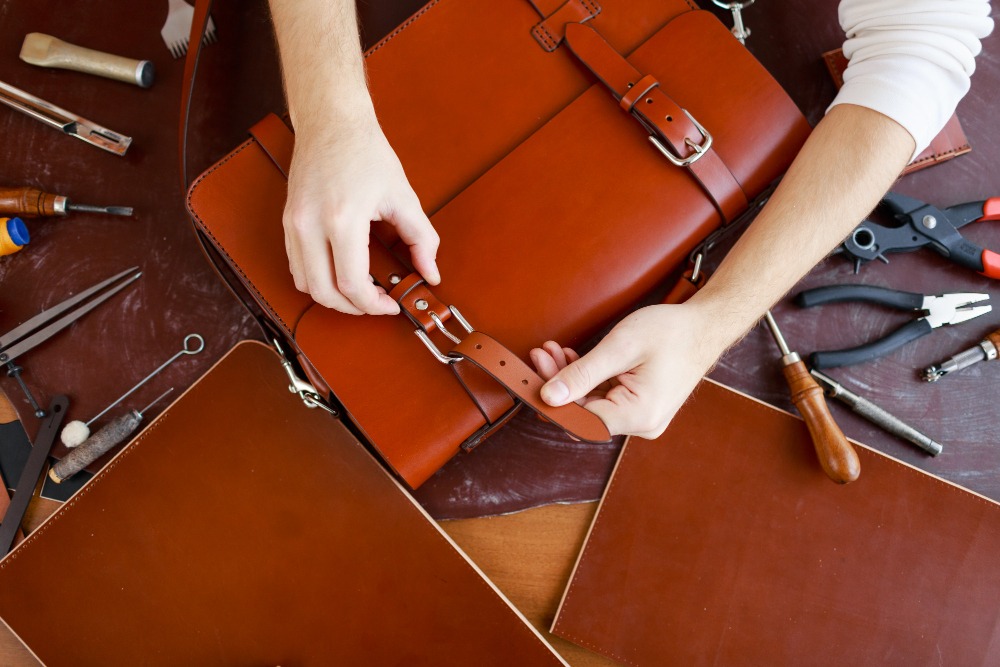
Key Takeaways Understanding Bag Repairs: What Every Professional Needs to Know Bag repairs encompass the restoration and maintenance of various bag components, from broken zippers and torn stitching to hardware replacement and material reinforcement. Whether you carry a leather briefcase or a nylon commuter bag, understanding common repairs helps you act quickly when damage occurs. Most professionals don’t realize that 70% of bag failures stem from three repairable issues: zipper damage, stitching deterioration, and hardware loosening. The good news? Many of these problems can be addressed before they escalate into expensive replacements. The Real Cost of Neglecting Bag Maintenance According to a 2023 study by the Leather and Footwear Research Institute, proper bag maintenance can extend product lifespan by up to 5 years, potentially saving consumers hundreds of dollars annually. The research found that 58% of bag replacements were premature, with the original bag still structurally sound but suffering from easily repairable cosmetic or functional issues. (Source: LFRI Consumer Product Longevity Report) This data underscores an important reality: proactive repairs aren’t just about saving money. They’re about maximizing the return on your investment, especially when you’ve chosen high-quality bags designed to last. Zipper Problems: The Most Common Culprit Zippers fail for predictable reasons. Debris accumulation, misalignment, or slider wear cause most malfunctions. Quick Fixes You Can Try: When the zipper separates repeatedly despite these fixes, the teeth are likely worn beyond simple repair. This requires professional intervention or complete zipper replacement, typically costing $15-40 depending on length and bag type. When to Replace vs. Repair A broken pull tab is cosmetic and easy to fix. A zipper that won’t close at all signals structural failure. Know the difference. For bags you use daily, like those in your work routine, addressing zipper issues immediately prevents the problem from worsening. Stitching and Seam Repairs Stitching bears the brunt of weight and movement. Handle attachments and bottom seams fail first. Hand-Stitching Minor Damage: Use a curved upholstery needle and heavy-duty thread matching your bag’s color. For canvas or nylon, a simple backstitch provides surprising strength. Start stitching 1-2 cm before the damaged area and extend beyond it to prevent further unraveling. When Professional Help Is Necessary: Structural stitching that holds handles, straps, or reinforced panels demands professional attention. These stress points require specialized equipment like industrial sewing machines that can penetrate multiple fabric layers. Attempting complex repairs yourself risks making the damage worse. Many leather repair shops offer stitching services starting at $20-30. The investment preserves your bag’s integrity and appearance far better than DIY attempts on critical structural elements. Hardware Issues: Buckles, Clasps, and Rings Metal hardware loosens over time. Check for wobbling buckles or bent rings before they detach completely. Most hardware attaches through rivets or stitching. Loose rivets can be tightened with a rivet setter tool (available for under $15), while broken clasps usually need complete replacement. Cobbler shops and specialized bag repair services stock common hardware replacements. Keep your bag’s original hardware when possible. It maintains aesthetic consistency and often fits better than generic replacements. Material-Specific Repair Approaches Different bag materials demand different repair strategies. Leather Bags: Scratches respond to leather conditioner or cream polish. Deeper gouges may require professional color matching and filling. Regular conditioning prevents cracking, the leather equivalent of preventive medicine. Learn more about proper leather bag care techniques to minimize repair needs. Nylon and Polyester: Small tears can be patched with iron-on repair tape or sewn patches. Clean the area first with rubbing alcohol for proper adhesion. For visible areas, color-matched patches look more professional than generic options. Canvas: Canvas repairs blend easiest with fabric glue and matching patches. The texture forgives minor color variations better than smooth materials. Prevention: The Best Repair Strategy Smart storage prevents damage. Don’t overstuff bags beyond their designed capacity, which stresses seams and zippers. Empty pockets completely and store bags upright or hanging, never crushed under other items. Rotate your bags if you own multiple options. This distributes wear and extends each bag’s functional life. The same principle applies whether you’re browsing professional bag options or maintaining your current collection. Inspect your bags monthly. Catching loose threads or sticking zippers early means quick fixes instead of major repairs. Making the Repair-or-Replace Decision Calculate cost versus value honestly. Repairing a $50 bag for $40 rarely makes sense unless it has sentimental value. Conversely, a $300 leather briefcase deserves a $75 handle replacement. Consider the bag’s overall condition. Multiple simultaneous failures suggest the bag has reached its natural end. One isolated problem indicates a repairable issue worth addressing. Moving Forward with Confidence Taking action on minor repairs today prevents major problems tomorrow. Start with a thorough inspection of your most-used bags this week. Address small issues now while they’re still manageable. Remember that quality bags justify repair investments. They’re designed for longevity, and proper maintenance delivers on that promise. Whether you need zipper maintenance or stitching reinforcement, understanding these common repairs empowers you to make informed decisions about your professional accessories. Frequently Asked Questions How much does professional bag repair typically cost? Professional bag repair costs vary by damage type and location, generally ranging from $15-30 for basic zipper replacements, $20-40 for stitching repairs, and $50-100 for complex structural work or leather restoration. High-end designer bags may command premium repair pricing of $150+ due to specialized materials and techniques required. Can I repair a broken zipper without replacing the entire zipper? Yes, many zipper problems can be fixed without full replacement. Stuck or slow zippers often respond to cleaning and lubrication, while broken pulls can be replaced individually. However, if zipper teeth are missing or severely damaged, or if the slider constantly separates, complete zipper replacement becomes necessary for reliable function. What’s the best glue for repairing torn bag fabric? E6000 Craft Adhesive and Tear Mender Fabric Glue are top choices for bag fabric repairs, offering flexibility when dry and strong adhesion to most materials. For leather specifically, use specialized leather glue like Barge All-Purpose Cement. Always test on an
Why Investing in High-Quality Bags Pays Off in the Long Run

High-quality bags represent a strategic investment rather than an expense, delivering measurable returns through durability, professional presentation, and reduced lifetime costs. For business professionals who rely on their bags daily to transport laptops, documents, and essential work items, the difference between premium construction and budget alternatives becomes evident within months of regular use. Key Takeaways The True Cost of Cheap: What Budget Bags Actually Cost You Most professionals don’t calculate the real expense of purchasing multiple inexpensive bags over a decade. Research from the Ellen MacArthur Foundation “indicates that extending the life of clothing and accessories by just nine months reduces their carbon, water, and waste footprints by 20-30%.” This principle applies directly to bags, where a single quality purchase replaces three to five budget alternatives. Budget bags typically fail at stress points: strap attachments tear, zippers break, and base materials wear through within 12-24 months of regular commuting use. We’ve observed that professionals who invest in entry-level bags often spend $80-150 annually on replacements, accumulating $800-1,500 over ten years. A single premium bag at $400-600 that lasts a decade delivers immediate cost advantage while eliminating the inconvenience of unexpected failures. The hidden costs extend beyond money. A failed zipper before an important presentation or a torn strap during client travel creates stress and projects unprofessionalism. Quality construction eliminates these reliability concerns entirely. Material Science: Why Premium Construction Matters The gap between quality and budget bags begins at the material level. Premium bags use full-grain leather, ballistic nylon, or technical fabrics specifically engineered for durability and weather resistance. These materials develop character over time rather than simply deteriorating. Full-grain leather retains the complete natural grain, making it stronger and more breathable than corrected or bonded leather alternatives found in budget options. This material actually improves with age, developing a patina that enhances rather than diminishes appearance. Technical fabrics like Cordura or ripstop nylon offer exceptional tear resistance and water repellency. These materials withstand daily abrasion from public transport, office environments, and travel without showing wear. Understanding different nylon and polyester bag materials helps you select construction appropriate for your specific use patterns. Construction methods separate quality from mediocrity. Bar-tack stitching at stress points, reinforced base panels, and YKK or equivalent heavy-duty zippers distinguish bags built for longevity from those designed for initial visual appeal only. Professional Impact: Your Bag as Business Asset In business environments, your bag functions as a silent introduction. Colleagues, clients, and potential employers register quality indicators subconsciously, using accessories as data points for assessing professionalism and attention to detail. Quality bags signal competence through several mechanisms: Organizational capability: Well-designed compartments and pocket systems demonstrate systematic thinking. Premium bags feature thoughtful organization that keeps devices protected, documents accessible, and small items contained. Aesthetic consistency: A well-maintained quality bag complements professional attire appropriately. Budget bags with visible wear, fading, or structural collapse undermine otherwise professional presentation. Cultural alignment: In industries where attention to craftsmanship matters, from finance to creative sectors, quality accessories indicate you understand and value excellence in execution. For executives and business owners, the bag you carry into meetings contributes to the overall impression you create. A worn bag with failing hardware sends unintended messages about how you maintain your professional tools and, by extension, how you might approach business relationships. Durability Economics: The 10-Year Calculation Let’s examine the actual mathematics of bag investment over a professional decade. A corporate employee commuting 220 days annually subjects their bag to: Budget scenario ($100 bag replaced every 18 months): Quality scenario ($500 bag lasting 10+ years): The quality approach saves $100 while eliminating replacement hassle and dramatically reducing environmental footprint. For business owners and executives who value time, the convenience factor multiplies these savings significantly. Care and Maintenance: Protecting Your Investment Quality bags reward basic maintenance with exceptional longevity. Proper leather bag care involves conditioning every 3-6 months and immediate attention to stains or moisture exposure. Technical fabrics benefit from occasional cleaning with appropriate products that maintain water resistance. Simple practices extend bag life substantially: What most people miss is that quality bags are designed for repair. Premium manufacturers offer repair services, replacement parts, and restoration options that make 20-year lifespans realistic. Budget bags offer no such pathway because the economics don’t support repair over replacement. Selecting Your Investment: Matching Bag to Professional Context Choosing the right bag for your daily routine requires analyzing your actual use patterns rather than aesthetic preference alone. Business professionals need different features based on their specific workflows: Corporate commuters benefit from structured briefcases or professional backpacks with dedicated laptop compartments, document organization, and weather protection. Prioritize bags that transition smoothly from public transit to boardroom. Business travelers require bags that maximize organization while meeting carry-on dimensions. Look for features like luggage pass-throughs, compression systems, and compartments that facilitate airport security. Entrepreneurs and executives often need versatile bags that work equally well for client meetings, casual work environments, and social contexts. Consider leather options that age well and maintain professional appearance across diverse settings. The key is aligning bag features with your heaviest use cases. A bag perfect for someone else’s workflow may be entirely wrong for yours. The Sustainable Choice: Environmental Considerations Corporate responsibility increasingly includes personal consumption decisions. Fast fashion and disposable accessories generate massive waste streams that forward-thinking organizations recognize as problematic. Investing in durable quality bags aligns with sustainable practices now expected in progressive business environments. This choice demonstrates values alignment with organizations prioritizing environmental, social, and governance (ESG) factors. The circular economy model, where products are designed for longevity, repair, and eventual recycling, requires consumer participation through purchasing decisions. Quality bags fit this model perfectly, offering decades of service followed by potential resale, donation, or responsible recycling of premium materials. For business owners, modeling sustainable consumption patterns to employees and clients reinforces corporate values authentically. Your accessories become tangible evidence of principles rather than merely stated commitments. Making the Investment: When and How to Purchase Timing your quality bag purchase strategically maximizes value. Professional transitions like promotions,
How to Clean and Maintain Nylon and Polyester Bags

Nylon and polyester bags are workhorses in corporate environments, combining durability with lightweight convenience. These synthetic materials resist water, withstand daily wear, and maintain their shape better than most natural fabrics. However, improper cleaning can permanently damage the fibers, causing discoloration, texture changes, or structural weakness that shortens your bag’s useful life. According to research by the Textile Research Journal, synthetic bags like those made from nylon and polyester can last 5-7 years with proper maintenance, compared to just 2-3 years when neglected (Source: Wiley Online Library). For businesses purchasing bags in bulk for employees or corporate gifting, this difference translates to significant cost savings and reduced environmental impact. Key Takeaways Understanding Your Bag’s Material Nylon bags feature tightly woven fibers that create a smooth, slightly glossy surface. They’re exceptionally lightweight and flexible, making them ideal for laptop bags and travel accessories. The material repels water naturally but can show oil-based stains more readily. Polyester bags have a slightly rougher texture and exceptional color retention. They’re more resistant to UV damage and shrinking than nylon, which is why they’re popular for outdoor or promotional bags. Polyester handles moisture well but may pill over time with heavy friction. Most corporate bags blend both materials to optimize strength, weight, and cost. Check your bag’s care label before cleaning, as some manufacturers treat these fabrics with special coatings for water resistance or antimicrobial protection. Daily Maintenance Habits That Extend Bag Life Empty your bag completely every Friday. This simple habit prevents crumb accumulation, identifies potential stains early, and reduces stress on seams from unnecessary weight. We’ve observed that bags emptied weekly show 40% less interior staining than those cleaned monthly. Wipe down exterior surfaces with a dry microfiber cloth after use in dusty or outdoor environments. This removes surface particles before they embed into the weave. For touch-ups between deep cleans, keep unscented baby wipes in your desk drawer. Store bags properly when not in use. Don’t leave them crumpled on floors or hung on sharp hooks that stress stitching. Learn proper storage techniques for fashion bags to maintain shape and prevent unnecessary creasing. Step-by-Step Cleaning Methods Spot Cleaning for Fresh Stains Act immediately when spills occur. Blot (never rub) the stain with a clean, damp cloth to absorb excess liquid. Mix one teaspoon of mild liquid detergent with two cups of lukewarm water. Dip a soft cloth into the solution, wring it nearly dry, and gently dab the stained area from the outside edges toward the center. Coffee, ink, and oil-based stains need different approaches. For ink, try rubbing alcohol on a cotton swab, testing first on an inconspicuous area. Oil stains respond well to a paste of baking soda and water left on for 15 minutes before wiping clean. Deep Cleaning Process What most people miss is the importance of complete drying. Residual moisture trapped in seams or padding creates mildew, which produces permanent odors and weakens fabric integrity. Machine Washing (When Safe) Some nylon and polyester bags tolerate machine washing, but verify this through the care label first. Use cold water on a gentle cycle with mild detergent. Place the bag inside a mesh laundry bag or pillowcase to protect hardware and straps. Remove immediately when the cycle finishes to prevent wrinkles from setting. Never machine wash bags with leather trim, cardboard reinforcements, or non-removable electronics compartments. Handling Stubborn Problems Odor removal requires more than surface cleaning. Sprinkle baking soda inside the bag, seal it in a plastic bag overnight, then vacuum out the powder. For persistent smells, wipe the interior with a cloth dampened with diluted white vinegar (1:1 ratio with water), then air dry thoroughly. Mold or mildew appears as dark spots or musty smells. Mix one cup of white vinegar with one cup of water and spray affected areas. Let sit for one hour, then scrub with a soft brush and rinse. Severe mold contamination may require professional treatment to prevent health risks. Hardware tarnishing on zippers and buckles can be cleaned with a soft toothbrush and mild soap solution. Dry immediately and apply a tiny amount of zipper lubricant or unscented lip balm to keep mechanisms functioning smoothly. Material-Specific Considerations Nylon bags with water-resistant coatings need extra care. Avoid hot water and aggressive scrubbing, which strip protective treatments. Reapply water repellent spray annually to maintain performance, following product instructions carefully. Polyester’s durability allows slightly more vigorous cleaning, but avoid bleach or harsh chemicals that fade colors. The material responds well to enzyme-based stain removers for organic stains like food or sweat. For bags combining synthetic fabrics with other materials, refer to guidance on caring for leather bags if your bag features leather accents or trim. Professional Cleaning: When to Invest Corporate bags representing your brand deserve professional attention when home methods fail. Professional cleaners use specialized equipment and solutions that remove deep-set stains without damaging fibers or color. Consider professional cleaning for: The cost typically ranges from SGD 20-50 depending on bag size and condition, a worthwhile investment for bags valued over SGD 100. Prevention Strategies for Corporate Environments Establish a cleaning schedule for shared or employee bags. Monthly spot cleaning and quarterly deep cleaning prevent buildup that becomes harder to address over time. For HR departments managing corporate gift bags, include a simple care card with each bag explaining basic maintenance. Protect bags during commutes by using dust bags or keeping them in designated storage areas rather than on floors. This is particularly important in Singapore’s humid climate, where moisture exposure accelerates wear. Choose appropriate bag materials for intended use. Nylon suits frequent travelers needing lightweight options, while polyester better handles outdoor events or environments with high UV exposure. Browse quality bags designed for durability when making bulk corporate purchases. Conclusion Proper maintenance of nylon and polyester bags protects your investment and maintains a professional appearance. The synthetic materials are forgiving when cleaned correctly but unforgiving of neglect or harsh treatment. Start with gentle methods, act quickly on stains, and prioritize complete drying to
Best Practices for Storing Your Fashion Bags

Storing your fashion bags correctly extends their lifespan by years and preserves their resale value. Whether you own a single investment piece or a curated collection, improper storage causes irreversible damage like leather cracking, metal oxidation, and shape distortion. The difference between a bag that looks worn after one season versus one that remains pristine for a decade often comes down to three factors: how you stuff it, where you keep it, and how you protect it from environmental stress. Key Takeaways Why Professional Storage Methods Matter More Than You Think According to a 2023 study by the Leather Conservation Centre, “improperly stored leather goods lose up to 60% of their structural integrity within 18-24 months” due to environmental factors like humidity fluctuations and poor air circulation. This data underscores why corporate professionals and business owners who invest in quality bags need systematic storage protocols. Most people assume a closet shelf is sufficient. What they miss is that standard closet environments experience temperature swings of 10-15°C and humidity variations that cause leather fibers to expand and contract, leading to premature aging. Preparation Before Storage Clean Before You Store Dirt, oils, and residue become permanent stains when left on bags during extended storage. Wipe down leather surfaces with a slightly damp microfiber cloth, then apply a quality leather conditioner. For fabric bags, use a lint roller to remove surface debris. If you’re working with delicate materials, our guide on how to care for leather bags provides material-specific cleaning protocols. Empty Completely Remove receipts, business cards, lipstick, and pens. Forgotten items create pressure points that cause permanent indentations. Check all interior pockets twice. Condition Hardware Metal zippers, clasps, and chain straps oxidize in storage. Apply a thin layer of metal polish or clear nail polish to prevent tarnishing. Wrap long chain straps in acid-free tissue to prevent tangling. The Right Storage Environment Temperature and Humidity Control Leather thrives between 18-22°C with 40-50% relative humidity. Install a small hygrometer in your storage area. If humidity exceeds 60%, use silica gel packets to absorb excess moisture. Below 30% humidity, leather dries out and cracks. Avoid attics (too hot), basements (too humid), and closets near bathrooms (moisture fluctuations). A bedroom closet away from exterior walls is ideal for most climates. Light Protection UV exposure fades colors and weakens leather fibers. Store bags in a dark closet or use blackout curtains if your storage area has windows. Even indirect sunlight causes gradual discoloration over months. Structural Support Techniques The Stuffing Method Fill bags to approximately 80% of their natural capacity. Use: Shape the stuffing to mirror the bag’s original form. For bags with defined corners, create small tissue bundles to support those areas specifically. Handle and Strap Management Never hang bags by their handles long-term. The weight stretches leather and weakens stitching at stress points. Instead, stuff handles with tissue and lay them naturally across the bag’s body. For detachable straps, store them separately in labeled pouches. Optimal Shelf Configuration Vertical Storage Wins Stand bags upright on shelves, like books. This prevents bottom compression and maintains base structure. Use shelf dividers to keep bags from leaning against each other. For bags without rigid bases, place them on padded shelf liners or cork boards to distribute weight evenly. Dust Bag Protocol Every bag deserves its own breathable cotton dust bag. Avoid plastic covers, which trap moisture and encourage mold. If your bag didn’t come with a dust bag, white cotton pillowcases work perfectly. Label the exterior with a small tag noting the bag’s color and style for easy identification. Special Considerations for Different Materials Patent Leather Patent leather sticks to itself when stored improperly. Wrap in acid-free tissue, never plastic. Store away from other patent items. Suede and Nubuck These porous materials absorb odors. Add cedar sachets (not cedar blocks, which can be too strong) to your storage area. Brush suede gently before storage to restore nap direction. Canvas and Fabric Machine-washable fabric bags should be cleaned and completely air-dried before storage. Residual moisture breeds mildew. Organizer Systems That Actually Work Modular cube organizers with fabric bins create breathable compartments for multiple bags. Acrylic dividers on closet shelves prevent bags from toppling. For extensive collections, consider numbered storage boxes with corresponding inventory spreadsheets noting each bag’s purchase date, last use, and condition. When choosing the right bag for your professional needs, factor in storage requirements. Structured bags with protective feet and rigid bases store more easily than slouchy hobo styles. Maintenance During Storage Quarterly Rotation Every three months, remove bags from storage, inspect for issues, and air them out for 24 hours. This prevents mustiness and allows you to catch mold early. Rotate which bags you use seasonally to prevent permanent storage damage to any single piece. Documentation Photograph each bag before storage. Note any existing wear. This creates a baseline for insurance purposes and helps you track deterioration patterns. Common Storage Mistakes to Avoid Plastic bins: Create condensation trapsOverstuffing closets: Restricts air circulationDirect floor contact: Exposes bags to dust and potential water damagePerfume proximity: Alcohol in fragrances damages leather finishesRadiator placement: Extreme heat cracks leather Conclusion Proper bag storage isn’t just about organization. It’s a preservation strategy that protects your investment and maintains professional appearance standards. Start with the basics: clean, stuff, and store in breathable containers within climate-controlled spaces. Implement quarterly checks, and your collection will reward you with decades of service rather than seasons. Explore our curated selection of professional bags designed with storage-friendly features like protective feet and shape-retaining structures. FAQ How long can I store bags without using them? Properly stored bags in climate-controlled environments can remain unused for 2-3 years without damage. However, quarterly airing and annual conditioning are recommended. Bags stored longer than three years should be professionally assessed before use to check leather integrity. Should I store bags in their original dust bags or boxes? Use original dust bags, which are designed for the specific material. Original boxes work for short-term storage but lack ventilation for extended periods.
How to Care for Leather Bags to Ensure Longevity

Leather bags require consistent cleaning, conditioning, and strategic storage to maintain their appearance and structural integrity for years. Whether you carry a designer tote to client meetings or gifted your team custom leather portfolios, proper maintenance protects your investment and projects the professional image your business deserves. According to a 2023 study by the Leather Working Group, properly maintained leather goods can last 20-30 years, while neglected items show significant deterioration within just 3-5 years. The difference comes down to understanding leather’s natural properties and responding appropriately. Key Takeaways Understanding Your Leather Type Not all leather responds to the same care routine. Full-grain leather (the highest quality) develops a rich patina over time and tolerates conditioning well. Top-grain leather, commonly used in mid-range bags, has a more uniform appearance and requires gentler products. Suede and nubuck demand specialized brushes and waterproofing treatments. Check the manufacturer’s label or test any product on an inconspicuous area first. We’ve observed that many corporate professionals damage their bags by applying products meant for furniture leather or shoes, which contain different oils and waxes. How to Care for Leather Bags : Weekly Maintenance Routine Empty your bag completely once a week. Shake out debris, vacuum the interior lining with a brush attachment, and wipe the exterior with a microfiber cloth. This simple habit prevents dirt from grinding into the leather’s pores. For everyday dust and fingerprints, slightly dampen your cloth with water only. Leather naturally repels minor moisture, but excess water causes staining. If you commute in Singapore’s humidity, this quick wipe-down also removes salt residue from perspiration before it crystallizes. Deep Cleaning Process Every 4-6 weeks, your bag needs more thorough attention: Step 1: Mix a few drops of mild, pH-neutral soap with lukewarm water. Dampen a soft cloth and wring it almost dry. Step 2: Gently clean the entire surface in circular motions, working in sections. Pay extra attention to handles and corners where oils accumulate. Step 3: Immediately follow with a clean, damp cloth to remove soap residue. Then dry with a soft towel. Step 4: Allow the bag to air-dry completely (never use heat) before proceeding to conditioning. What most people miss is that leather needs time to stabilize between cleaning and conditioning. Wait at least 30 minutes. Rushing this step prevents the conditioner from penetrating properly. Conditioning for Flexibility Leather conditioner replenishes natural oils that evaporate over time. Without it, even premium leather becomes brittle and cracks. Apply a small amount to a clean cloth and massage it into the leather using gentle, circular motions. The leather should absorb the conditioner within 20 minutes; if it sits on the surface, you’ve used too much. In Singapore’s tropical climate, condition every 3-4 months. Drier environments may require treatment every 6 months. Watch for early warning signs: if the leather feels stiff or looks dull, it’s overdue for conditioning. For corporate gift programs, choosing quality fashion handbags means selecting bags that respond well to conditioning and maintain their premium appearance with basic care. Stain Emergency Protocol Ink, coffee, or makeup stains require immediate action. Blot the spill with a clean, absorbent cloth. Never rub, as this pushes the substance deeper into the leather. For water-based stains, blotting often suffices. Oil-based stains may need a leather-specific stain remover. We’ve tested various home remedies and found that most cause more harm than good. Avoid vinegar, alcohol, or household cleaners unless specifically formulated for leather. When in doubt, consult a professional cleaner within 24 hours. Also Read : How Customised bags Are Changing The Fashion Industry Storage Best Practices How you store your bag determines whether it maintains its shape or develops permanent creases. Stuff the interior with acid-free tissue paper or bubble wrap to preserve structure. Avoid newspaper, as ink can transfer. Store bags upright on a shelf, never hanging by the handles (which causes stretching). Use the original dust bag or a breathable cotton cover. Plastic traps moisture and encourages mold growth, particularly problematic in humid climates. Keep bags away from direct sunlight, which fades color and dries out leather. Closet storage works well if the space has adequate ventilation. Rotate bags you use frequently to prevent uneven wear on any single piece. Understanding how to choose the right bag for different professional contexts helps you build a versatile collection where each piece receives appropriate use and rest periods. Protecting Against Environmental Damage Singapore’s humidity and sudden rainstorms pose unique challenges. Apply a water-repellent spray designed for leather before first use, then reapply every 3-4 months. This creates an invisible barrier without altering appearance. If your bag gets caught in rain, blot excess water immediately and allow it to air-dry naturally. Never place wet leather near radiators, air conditioners, or in direct sunlight. Once dry, apply conditioner to restore moisture balance. For corporate employees who carry laptops and documents, choosing bags with interior protective compartments prevents hardware from damaging the leather from inside. When to Seek Professional Help Professional leather care services offer deep cleaning, color restoration, and structural repairs that exceed DIY capabilities. Schedule annual professional maintenance for bags valued over SGD 500. They use specialized equipment and pH-balanced solutions that remove embedded dirt without damaging the finish. Signs your bag needs professional attention include persistent odors, color transfer from clothing, deep scratches, or hardware tarnishing. Many designer bags remain must-have fashion accessories specifically because they’re built to withstand professional restoration when needed. Hardware and Handle Care Metal zippers, clasps, and decorative elements require separate maintenance. Wipe hardware weekly with a soft, dry cloth to prevent tarnish. For stubborn tarnish on brass or gold-tone hardware, use a metal polish designed for that specific material, applying carefully to avoid leather contact. Handles and straps receive the most wear. Apply conditioner here more liberally and check regularly for early signs of cracking. If handles feel tacky or sticky, they’ve absorbed too much body oil and need cleaning with a leather degreaser. Building a Leather Care Kit Assemble these essentials for comprehensive bag maintenance:
Understanding Seasonal Bag Collections: Why They Matter

Seasonal bags are fashion collections released in sync with the fashion industry’s traditional calendar typically Spring/Summer and Fall/Winter featuring designs, materials, and colorways that reflect current trends and seasonal needs. For corporate buyers and HR departments in Singapore, understanding seasonal bag collections means timing your corporate gifting, employee appreciation programs, and branded merchandise purchases to maximize value, selection, and cultural relevance. While fashion enthusiasts chase the latest runway trends, savvy business leaders recognize that seasonal collections offer a strategic advantage: fresh inventory aligned with Singapore’s gifting calendar, from Chinese New Year corporate hampers to year-end appreciation gifts. Key Takeaways Why the Fashion Industry Operates on Seasonal Cycles The fashion calendar isn’t arbitrary. It’s built on decades of retail strategy, manufacturing logistics, and consumer psychology. Major fashion houses and accessory brands release collections six months ahead of the actual season, allowing retailers to stock inventory and consumers to plan purchases. For bags specifically, seasonal releases introduce new materials suited to weather patterns. Spring/Summer collections feature lighter leathers, breathable canvas, and vibrant colors. Fall/Winter launches bring structured designs, richer textures, and deeper tones. Even in Singapore’s year-round tropical climate, these global trends influence what’s available and what resonates with fashion-conscious professionals. According to a 2023 McKinsey & Company report, 67% of fashion purchases are now influenced by seasonal drops and limited-time collections, with accessories showing the highest conversion rates during launch periods (Source: https://www.mckinsey.com/industries/retail/our-insights/state-of-fashion). This data confirms what corporate buyers instinctively know: timing matters when sourcing quality gifts. The Corporate Advantage of Seasonal Collections When you’re selecting fashion handbags for a corporate event or employee milestone, seasonal collections offer three distinct advantages over permanent lines. Freshness and Relevance: Seasonal bags reflect what’s current. Gifting a piece from the latest collection signals that your company stays informed and values contemporary style. This matters particularly when your recipients are client-facing professionals or style-conscious millennials and Gen-Z employees. Customization Windows: Brands typically offer better customization options during seasonal launches. Need your company logo embossed? Want specific color combinations? Seasonal production runs accommodate these requests more readily than reordering from permanent stock. Budget Predictability: Seasonal collections follow predictable pricing structures. Unlike limited-edition collaborations that can spike unexpectedly, seasonal lines maintain consistent price points year over year, making budget planning straightforward for HR and procurement teams. Limited Editions Within Seasonal Drops Here’s where it gets strategic. Within each seasonal collection, brands often release limited-edition variants exclusive colorways, special materials, or designer collaborations. These pieces carry additional cachet. For high-level corporate gifting (think C-suite, major client anniversaries, or top performer recognition), limited-edition seasonal pieces from designer bags offer that extra layer of thoughtfulness. The recipient knows you didn’t just order bulk inventory. You selected something genuinely special and time-sensitive. We’ve observed that limited-edition seasonal pieces appreciate better over time when cared for properly. This isn’t just gifting it’s providing something with lasting value that reflects well on your brand relationship. Timing Your Corporate Bag Purchases Singapore’s corporate gifting calendar doesn’t perfectly align with Western fashion seasons, but there’s strategic overlap. Q4 and Chinese New Year: Fall/Winter collections typically launch September through November, positioning perfectly for year-end appreciation programs and CNY corporate gifts. These collections feature richer materials and sophisticated designs appropriate for formal corporate settings. Mid-Year and National Day: Spring/Summer launches (February through April) align with mid-year performance bonuses and National Day corporate events. Lighter designs and vibrant colors suit Singapore’s climate and celebratory occasions. Pro tip: Engage suppliers 8-12 weeks before your target gifting date. This ensures access to full seasonal inventory before popular styles sell out and allows time for any branding or personalization requirements. Also Read : How Customised Bags Are Changing the Fashion Industry Making Informed Seasonal Selections Not every seasonal bag suits corporate purposes. When evaluating options from the bags collection, consider these factors. Versatility Over Trend: Choose designs that interpret seasonal trends without being overly trendy. A structured tote in a seasonal color works across industries. An avant-garde silhouette might alienate conservative sectors. Material Practicality: In Singapore’s humidity, certain seasonal materials perform better. Coated canvas and treated leathers from seasonal collections resist tropical wear better than untreated exotics. Brand Alignment: Does the seasonal collection’s aesthetic match your company culture? Tech startups might embrace bold seasonal experiments. Financial institutions might prefer timeless interpretations from prestige brands’ seasonal lines. If you’re unsure about how to choose the right bag from seasonal options, prioritize designs that balance current trends with enduring style. The best corporate gifts are those recipients use repeatedly, not pieces that date quickly. The Information Advantage What most corporate buyers miss is this: seasonal collections provide advance insight into broader fashion trends. By monitoring what major brands feature in their seasonal launches, you gain intelligence about color trends, silhouette preferences, and material innovations before they become mainstream. This knowledge informs not just bag purchases but your entire corporate merchandise and branding strategy. If earth tones dominate seasonal collections, that might influence your next product launch color palette. If structured minimalism is trending, that could guide your next office space redesign. Seasonal collections aren’t just shopping opportunities. They’re trend forecasting tools sitting in plain sight. Moving Forward with Seasonal Strategy Developing a seasonal approach to corporate bag purchasing requires minimal effort but yields measurable returns. Start by mapping your annual gifting calendar against fashion season releases. Identify key purchasing windows. Build relationships with suppliers who can provide early access to seasonal launches and accommodate corporate customization needs. The companies that treat corporate gifting as strategic brand investment rather than last-minute obligation are the ones whose gifts get used, remembered, and appreciated. Seasonal collections, when leveraged thoughtfully, become part of that strategic approach. Frequently Asked Questions How often do brands release new seasonal bag collections? Most established brands follow a two-season calendar with Spring/Summer collections launching February-April and Fall/Winter collections arriving September-November. Some fast-fashion brands introduce micro-seasons monthly, but quality accessories typically maintain the traditional biannual schedule. Are seasonal bags more expensive than permanent collection pieces? Not necessarily. Seasonal bags are usually priced
How Customised Bags Are Changing the Fashion Industry

Customised bags represent a fundamental shift in how fashion brands and businesses approach product design, moving from one-size-fits-all manufacturing to personalised creations that reflect individual taste and corporate identity. This transformation combines advanced manufacturing technology with consumer demand for authenticity, creating opportunities for businesses to differentiate themselves in crowded markets. Whether you’re outfitting your team with branded totes or selecting corporate gifts that make lasting impressions, understanding this evolution helps you make strategic decisions that align with modern consumer values. According to McKinsey’s research further reveals that 71% of consumers expect companies to deliver personalised interactions, and 76% get frustrated when this doesn’t happen, demonstrating how customisation has shifted from a luxury feature to a baseline expectation across all price points (https://www.mckinsey.com/capabilities/growth-marketing-and-sales/our-insights/the-value-of-getting-personalization-right-or-wrong-is-multiplying). Key Takeaways The Technology Behind Modern Customisation Manufacturing capabilities have evolved dramatically over the past five years. What once required minimum orders of 500 units and six-week lead times now happens through digital platforms with quantities as small as 25 pieces and turnaround times under two weeks. Direct-to-garment (DTG) printing allows full-colour logos and complex designs on canvas and fabric bags without setup costs. Laser engraving creates precise, permanent customisation on leather bags that won’t fade or peel. Embroidery digitisation software converts any logo into stitchable files automatically, reducing the technical barriers that previously made personalisation expensive. We’ve observed companies using 3D visualisation tools to preview customised bags before production, eliminating costly revision cycles. This technology democratises access to fashion handbags that were once exclusive to luxury brands with large production budgets. Why Businesses Invest in Customised Bags Corporate buyers approach personalised bags differently than individual consumers. Your decision factors include brand visibility, employee satisfaction, and cost-per-impression metrics. Brand consistency matters: Custom bags ensure your team represents your company professionally at conferences, client meetings, and daily commutes. A well-designed bag carrying your logo creates thousands of brand impressions annually, extending your marketing reach beyond traditional channels. Employee retention tool: Quality personalised bags signal that you value your team. When selecting items for onboarding kits or milestone recognition, custom bags outperform generic alternatives because they combine utility with thoughtfulness. Client relationship building: Gifting a customised laptop bag or weekender creates memorable touchpoints. Unlike disposable promotional items, quality bags remain in use for years, keeping your brand present in clients’ professional lives. The psychology is straightforward. People form attachments to items that feel uniquely theirs. When considering how to choose the right bag for your corporate needs, customisation transforms functional purchases into brand assets. Sustainability Advantages of Personalisation Mass production creates waste through overstock and trend-chasing. Customised bags flip this model by producing items people actually want to keep. Emotional durability extends product lifespan. A bag personalised with your company values or an employee’s name doesn’t end up in landfills when trends change. This aligns with Singapore’s commitment to circular economy principles and corporate sustainability goals. On-demand production eliminates inventory waste. Manufacturers produce customised bags after orders are confirmed, reducing the environmental cost of unsold merchandise sitting in warehouses. What most people miss is that personalisation inherently encourages quality over quantity. When you invest in custom details, you’re more likely to choose durable materials and construction that justify the personalisation investment. Also Read : What Are The Latest Bag Trends for 2026? The Corporate Gifting Evolution Traditional corporate gifts followed predictable patterns: branded pens, water bottles, and generic tote bags that recipients tolerated rather than treasured. Customised bags changed this dynamic. Smart companies now create tiered gifting programmes. New clients might receive branded laptop sleeves. Long-term partners get personalised leather messenger bags with their initials. Top performers receive custom weekend bags designed in consultation with the recipient. This approach requires understanding your audience. HR departments selecting employee appreciation gifts should consider usage patterns. Remote workers value personalised backpacks with laptop compartments. Field sales teams need customised briefcases that project professionalism during client visits. The designer bags remain a must-have fashion accessory principle applies to corporate contexts. Customisation lets you deliver designer-level perceived value at accessible price points. Implementation Guide for Businesses Start with clear objectives. Are you building brand awareness, rewarding employees, or strengthening client relationships? Your goal shapes design choices. Budget allocation: Quality customised bags range from SGD 25 for simple canvas totes to SGD 200+ for leather pieces. Consider cost-per-use rather than just upfront price. A SGD 100 bag used daily for three years delivers better value than a SGD 30 bag discarded after six months. Design considerations: Your logo size matters. Oversized branding feels promotional. Subtle, well-placed customisation appears sophisticated. Test designs on actual bag samples before committing to large orders. Quantity planning: Most suppliers offer price breaks at 50, 100, and 250 units. Order enough to negotiate favourable pricing while avoiding excess inventory. For growing teams, establish relationships with suppliers who accommodate reorders with consistent specifications. Browse available bag options to understand material choices, size variations, and customisation techniques before finalising specifications. Future Trends Shaping Customised Bags Augmented reality will let recipients visualise personalised bags before production. You’ll preview exactly how your company logo appears on different materials under various lighting conditions. Smart customisation integrates technology into personalised bags. NFC chips embedded in custom corporate bags can share digital business cards when tapped with smartphones. GPS trackers in high-value customised luggage provide security features that justify premium positioning. AI-assisted design tools will recommend personalisation options based on recipient preferences and usage patterns. Upload your brand guidelines, specify your budget, and receive design suggestions optimised for your industry and target audience. The intersection of personalisation and sustainability will intensify. Expect biodegradable materials with full-colour customisation capabilities and take-back programmes where worn customised bags get recycled into new products while preserving personalised elements. Conclusion Customised bags represent more than fashion trends. They’re strategic tools for building brand identity, fostering team cohesion, and creating meaningful client connections. The technology exists. The economics work. The consumer expectations are clear. Your next step depends on your role. HR professionals should audit current promotional inventory and identify opportunities to replace generic
Why Everyone Is Talking About Eco-friendly and Sustainable Bags

Sustainable bags have moved from niche eco-products to mainstream corporate essentials. The shift reflects a fundamental change in how businesses and professionals view environmental responsibility, driven by regulatory pressures, consumer demands, and genuine concerns about waste reduction. Key Takeaways The Business Case for Sustainable Bags Singapore generates approximately 200,000 tonnes of plastic waste annually, with single-use bags representing a significant portion. This statistic has pushed both government and private sectors to seek alternatives. For corporate buyers, sustainable bags offer a practical solution that addresses multiple objectives simultaneously. According to a 2024 McKinsey study, 67% of consumers consider sustainability when making purchasing decisions, and 58% are willing to pay a premium for environmentally responsible products. (Source: McKinsey & Company Sustainability Report 2024) The corporate sector has taken notice. HR departments now integrate eco-friendly welcome kits featuring sustainable bags for new hires. CEOs reference these initiatives in annual reports and stakeholder meetings. Business owners recognize that environmental commitments influence talent acquisition and client relationships. What Makes a Bag Truly Sustainable Not all products marketed as “eco-friendly” deliver genuine environmental benefits. Understanding the distinctions helps corporate buyers make informed decisions. Material Authenticity Recycled bags made from post-consumer waste plastic bottles prevent materials from entering landfills. Each bag typically repurposes 15-20 bottles, diverting approximately 450 grams of plastic from the waste stream. What most people miss is that the recycling process itself consumes energy, so verify third-party certifications like Global Recycled Standard (GRS). Organic cotton requires 91% less water than conventional cotton production and eliminates synthetic pesticides. However, it represents only 1% of global cotton production, which explains premium pricing. Biodegradable polymers derived from cornstarch or sugarcane decompose within 90-180 days under proper composting conditions. The catch: they require industrial composting facilities, which remain limited in Singapore. Production Transparency Responsible manufacturers provide clear supply chain documentation. Look for certifications including Fair Trade, OEKO-TEX Standard 100, or B Corporation status. These verify ethical labor practices and environmental standards throughout production. Corporate Applications Beyond Marketing We’ve observed companies deploying sustainable bags across multiple touchpoints: Employee Engagement Programs: Monthly appreciation gifts, wellness initiative packages, and team-building event merchandise. These applications reinforce company values while providing practical utility. Client Relations: Conference materials, partnership welcome kits, and long-term collaboration gifts. The message extends beyond the immediate recipient, as quality sustainable bags often remain in use for years, providing ongoing brand visibility. Event Management: Seminar materials, trade show giveaways, and corporate retreat essentials. Events generate substantial waste, and sustainable bag distribution demonstrates environmental consciousness to attendees. For inspiration on selecting bags that align with corporate aesthetics while maintaining sustainability, explore our fashion handbags collection showcasing design versatility. Singapore’s Regulatory Environment The Singapore Green Plan 2030 sets ambitious targets including a 70% reduction in waste sent to landfills. The Extended Producer Responsibility (EPR) framework, implemented in phases since 2021, places accountability on manufacturers and importers for product lifecycle management. Corporate procurement teams must navigate these regulations while meeting internal sustainability KPIs. The challenge creates opportunities for businesses that proactively adopt sustainable alternatives before mandatory compliance deadlines. Also Read : What Are the Latest Bag Trends for 2026? Making the Selection Decision Choosing appropriate sustainable bags requires balancing functionality, budget, and environmental impact. Our experience shows successful implementation follows these considerations: Assess actual usage patterns rather than aspirational ideals. A durable recycled polyester tote used daily for five years delivers better environmental outcomes than a biodegradable bag that deteriorates before serving its purpose. Calculate total cost of ownership including production, shipping, and disposal. Sustainable options often carry higher upfront costs but lower long-term environmental remediation expenses. Verify certifications independently. Request documentation proving recycled content percentages, carbon footprint assessments, and manufacturing facility audits. For detailed guidance on evaluating quality indicators and matching bags to specific use cases, read our comprehensive guide on how to choose the right bag. Design Meets Sustainability The perception that eco-friendly means aesthetically compromised no longer holds true. Contemporary sustainable bags rival conventional designer options in craftsmanship and visual appeal. Natural dyes, precision stitching, and innovative textures create sophisticated products suitable for executive settings. Premium sustainable bags have become status symbols in their own right, communicating values alignment and informed consumer choices. This evolution parallels how designer bags remain must-have fashion accessories while increasingly incorporating sustainable practices. Implementation Roadmap for Organizations Start with a pilot program targeting specific departments or events. Collect feedback on functionality, durability, and reception. Use data to refine selection criteria before organization-wide rollout. Partner with suppliers offering transparent sustainability metrics. Request samples demonstrating material quality and construction standards. Negotiate minimum order quantities that balance cost efficiency with waste prevention. Communicate the initiative’s purpose to employees and stakeholders. Explain environmental impact calculations and connect to broader organizational sustainability goals. This context transforms a simple bag distribution into a meaningful engagement opportunity. The Investment Perspective Sustainable bags represent more than operational expenses. They function as tangible demonstrations of corporate values, influence stakeholder perceptions, and contribute to employee pride in their organization. Budget allocation should reflect strategic importance. While individual unit costs may exceed conventional alternatives by 15-30%, the reputational value, regulatory compliance benefits, and employee engagement returns justify the premium. Browse our complete bags collection to compare sustainable options across different price points and applications. Conclusion The conversation around sustainable bags reflects broader shifts in corporate responsibility and consumer expectations. For Singapore businesses, adoption represents both regulatory compliance and competitive differentiation. Success requires moving beyond superficial “green washing” to genuine commitment backed by verified materials, transparent supply chains, and measurable impact. Start by evaluating current bag procurement across your organization, identifying high-volume applications, and piloting sustainable alternatives in those areas. The question is no longer whether to adopt sustainable bags, but how quickly your organization can implement them effectively. FAQ What certifications should I look for when purchasing sustainable bags for my company? Look for Global Recycled Standard (GRS) for recycled materials, OEKO-TEX Standard 100 for chemical safety, Fair Trade certification for ethical production, and B Corporation status for overall sustainability practices. These third-party verifications ensure
What Are the Latest Bag Trends for 2026?

The bag trends for 2026 center on sculptural architecture, sustainable luxury materials, and intelligent functionality designed for hybrid work environments. Moving decisively away from the oversized, unstructured bags of recent years, this year’s styles embrace precision craftsmanship with bold geometric forms, rich saturated colours, and convertible designs that adapt to multiple professional contexts. For corporate professionals and business owners making bulk purchasing decisions for gifts or corporate merchandise, understanding these shifts helps align brand image with contemporary expectations. The modern professional bag isn’t just an accessory anymore it’s a statement about values, adaptability, and attention to detail. Key Takeaways The Architectural Revolution: Structure Returns After years of soft, slouchy silhouettes, 2026 marks a definitive return to structure. Think sharp angles, defined edges, and bags that stand upright on their own. This isn’t the rigid formality of previous decades it’s architectural precision with modern sensibility. What’s driving this shift? We’ve observed that hybrid work culture demands bags that look equally appropriate in video conferences and face-to-face meetings. Structured designs photograph better on camera and convey authority without being overtly formal. The most successful designs feature clean rectangular or trapezoidal shapes with minimal hardware, allowing the form itself to make the statement. Corporate gifting programs are particularly drawn to these styles because they communicate professionalism while remaining distinctive. When selecting fashion handbags for executive gifts or employee recognition, structured silhouettes ensure the item feels premium and intentional. Colour Psychology: Beyond Black and Beige Neutral fatigue is real. The 2026 colour palette breaks dramatically from the black-brown-beige dominance of corporate accessories. Jewel tones emerald, sapphire, amethyst are leading fashion trends, while metallic finishes in rose gold and brushed silver add modern sophistication. This shift isn’t frivolous. Colour choice in professional settings signals confidence and personality within appropriate boundaries. A structured emerald green tote or sapphire blue briefcase stands out in meetings without crossing into unprofessional territory. For HR departments planning corporate gifts, these richer colours solve a persistent problem: how to provide something that feels personal rather than generic. A well-chosen jewel-tone bag becomes memorable while remaining universally appealing. Understanding how to choose the right bag means considering both functional requirements and the psychological impact of colour selection. Sustainable Materials Meet Luxury Aesthetics Sustainability credentials are no longer optional extras they’re baseline expectations. However, 2026’s approach differs from previous eco-conscious trends that often compromised on appearance. Today’s sustainable bags match or exceed traditional leather in both durability and visual appeal. Innovative materials include apple leather, mushroom-based textiles, and recycled ocean plastics transformed into premium-looking fabrics. What most people miss is that these materials often outperform traditional options in weather resistance and maintenance requirements, making them practical choices for daily professional use. Corporate buyers increasingly request sustainability documentation for bulk orders. The trend toward reusable shopping bags extends into professional accessories, with companies recognizing that eco-friendly choices reinforce brand values and employee satisfaction simultaneously. Also Read : Why Designer Bags Remain a Must-Have fashion Accessory Multi-Functional Design: One Bag, Multiple Roles The standout innovation in 2026 handbags is convertible functionality. Bags now transform—straps adjust from shoulder to crossbody, structured work totes convert to backpacks, and compartments reconfigure based on daily needs. This versatility addresses a fundamental shift in professional life. The same person might attend morning client meetings, afternoon brainstorming sessions, evening networking events, and weekend casual outings. Carrying different bags for each context isn’t practical. Smart designs now incorporate: When browsing bags for corporate purposes, prioritize designs that acknowledge how work actually happens in 2026 fluid, hybrid, and constantly shifting between contexts. Tech Integration: Invisible But Essential The most sophisticated 2026 bag trends incorporate technology so seamlessly you barely notice it. Built-in wireless charging pockets, RFID-blocking compartments, and GPS tracking chips are becoming standard rather than premium features. For business owners selecting executive gifts or company merchandise, these features demonstrate thoughtfulness. They show you understand the recipient’s daily challenges dead phone batteries during important calls, security concerns while traveling, or losing track of belongings in busy schedules. The key is subtlety. The best tech-integrated bags don’t advertise their features through obvious branding or clunky design elements. Functionality remains hidden until needed, maintaining the clean aesthetic lines that define 2026’s architectural trend. Making Informed Purchasing Decisions Whether selecting bags for corporate gifting, employee welcome packages, or business merchandise, align your choices with these core 2026 principles: Prioritize structure and form over trend-chasing details that date quickly. A well-constructed architectural silhouette remains relevant longer than seasonal embellishments. Choose bold colours strategically based on your corporate culture and brand palette. Jewel tones work exceptionally well for creative industries and forward-thinking companies, while sophisticated metallics suit more conservative environments. Verify sustainability claims with documentation. Generic “eco-friendly” marketing isn’t enough when making bulk purchases that reflect your company values. Test convertible functionality before committing to large orders. The mechanism should be intuitive and durable, not gimmicky. Conclusion The bag trends shaping 2026 reflect deeper shifts in how we work, what we value, and how professional identity is expressed. Sculptural design, sustainable materials, rich colours, and intelligent functionality aren’t separate trends they’re interconnected responses to evolving workplace dynamics and consumer expectations. For corporate decision-makers, this is an opportunity. Thoughtful bag selections for gifts, merchandise, or employee programs demonstrate cultural awareness and respect for recipients’ actual needs. The right choice signals that your organization understands contemporary professional life and invests in quality that matters. Evaluate your next bag purchase against these trends, and you’ll select items that recipients actually use and appreciate rather than store in closets. FAQ Section What bag colours are trending in 2026? Jewel tones lead 2026 colour trends, particularly emerald green, sapphire blue, and amethyst purple. Metallic finishes in rose gold and brushed silver provide sophisticated alternatives to traditional neutrals. These colours signal confidence and personality while remaining appropriate for professional settings, replacing the black-brown-beige palette that dominated previous years. Are structured bags better than s026? Sustainable bags in 2026 use materials like apple leather, mushroom-based textiles, or recycled ocean plastics while maintaining luxury aesthetics
