
Why Designer Bags Remain a Must-Have Fashion Accessory
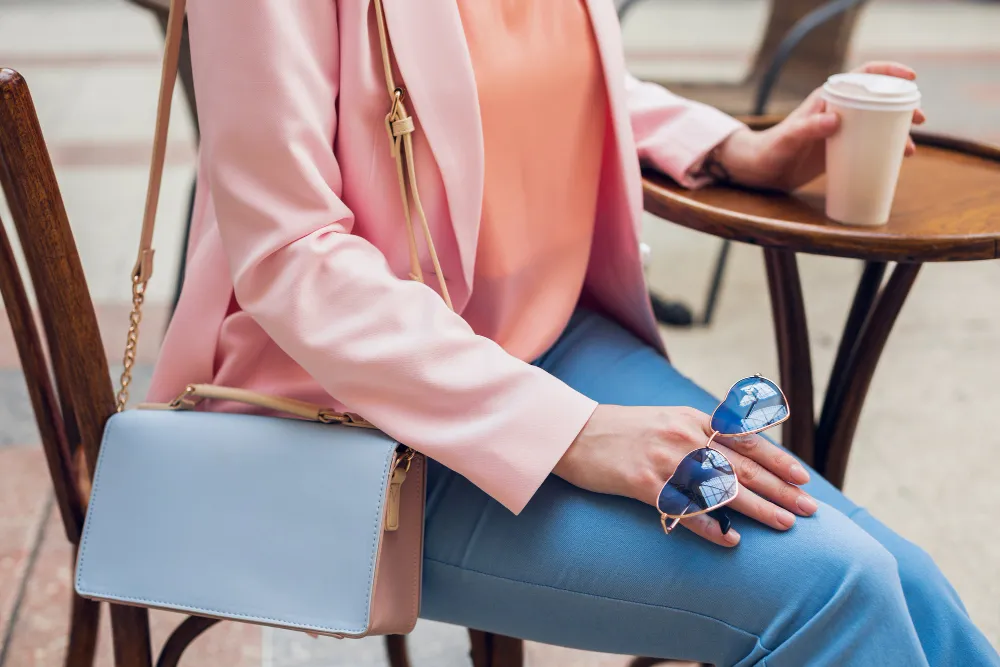
Designer bags continue dominating professional wardrobes because they combine practical functionality with strategic status signaling. Unlike cheaper alternatives that deteriorate within months, luxury bags from established fashion houses deliver superior craftsmanship, maintain resale value, and communicate professional credibility in business contexts. For corporate professionals and business owners, these accessories represent calculated investments rather than frivolous purchases. The psychology behind designer bags extends beyond vanity. Research shows that quality accessories influence how colleagues and clients perceive your competence and attention to detail. When you carry a well-maintained luxury bag into a negotiation or investor meeting, you’re broadcasting commitment to excellence before speaking a single word. Key Takeaways The Professional Advantage of Quality Accessories Corporate environments reward visual consistency and quality cues. Your choice of accessories directly impacts first impressions during crucial moments like job interviews, client presentations, and C-suite interactions. Designer bags excel here because they’re instantly recognizable markers of professional standards. A Louis Vuitton tote or Prada briefcase signals you understand workplace norms while possessing the resources to invest in quality. HR professionals consistently report that candidates carrying premium accessories during interviews project greater confidence and preparedness. Beyond perception, practical considerations matter. High-quality fashion handbags feature reinforced stitching, water-resistant linings, and organizational compartments that protect laptops, documents, and devices. Cheap alternatives fail at precisely the wrong moments, like when zippers break before critical presentations or straps snap during business travel. Investment Economics: Why Designer Bags Pay for Themselves The sticker shock of designer bags obscures their genuine economic advantage. A $2,000 Chanel bag that lasts 15 years costs $133 annually. Compare that to replacing three $150 synthetic bags yearly, totaling $450 in annual spending. Luxury bags also retain resale value remarkably well. Limited editions from Hermès or Gucci often sell on secondary markets for 70-90% of original retail prices, sometimes exceeding them. Mass-market bags become worthless immediately after purchase. Business owners should view designer accessories as depreciable assets. When you carry the same recognizable bag to industry conferences year after year, you build visual brand consistency. Clients and partners subconsciously associate your reliability with the unchanging quality of your accessories. Choosing Designer Bags for Maximum Versatility Not all luxury bags suit corporate contexts equally. Focus on neutral colors (black, navy, cognac) with minimal hardware that won’t distract during presentations. Understanding how to choose the right bag ensures your investment serves multiple professional scenarios. Structured silhouettes work best for business settings. Totes and briefcase styles maintain their shape when placed on conference tables or office floors, projecting organization. Avoid overly casual hobo styles or bags requiring constant adjustment. Size matters strategically. Your designer bag should accommodate a 13-inch laptop, essential documents, and professional necessities without appearing overstuffed. Oversized bags suggest disorganization, while undersized options force you to carry multiple items. The Psychology of Quality in Professional Settings Corporate culture increasingly values sustainable consumption over disposable fashion. Carrying a decade-old Bottega Veneta bag demonstrates mindful purchasing decisions rather than chasing trends. This shift benefits business owners building company cultures around quality and longevity. When leadership carries well-maintained designer accessories, it reinforces organizational values about investing in lasting solutions. Employees notice these signals when evaluating workplace standards. Luxury accessories also serve practical networking functions. Compliments about your bag create natural conversation openings at conferences and industry events. Shared appreciation for specific designers or craftspeople establishes common ground with potential partners and clients. Maintaining Professional Appearance Standards Designer bags require minimal maintenance while consistently projecting polish. Monthly conditioning treatments preserve leather quality, ensuring your bag looks pristine in five years as it did on day one. This reliability matters for corporate professionals who can’t afford accessories that look worn during important meetings. Knowing the right bag for your daily routine includes understanding maintenance requirements that fit busy schedules. Weather protection represents another advantage. Quality leather treatments repel rain and humidity better than synthetic alternatives. In Singapore’s tropical climate, this durability proves essential for preserving professional appearance regardless of weather conditions. Beyond Fashion: Designer Bags as Business Tools The best luxury bags function as mobile offices. Interior organization systems separate electronics, documents, and personal items efficiently. This practical design thinking distinguishes designer accessories from purely aesthetic products. Consider the broader context of fashion accessories as productivity tools rather than mere status symbols. When your bag facilitates smooth transitions between meetings, protects expensive devices, and projects professionalism simultaneously, the investment justifies itself through improved work efficiency. Corporate buyers increasingly recognize that equipping leadership teams with quality accessories enhances company image during client interactions. Many organizations now include designer bags in executive compensation packages, acknowledging their role in professional representation. Conclusion Designer bags persist as essential corporate accessories because they solve multiple professional challenges simultaneously. They communicate status appropriately, withstand daily use for decades, retain economic value, and enhance workplace credibility. For business professionals serious about long-term career investment, premium accessories represent strategic choices rather than luxury indulgences. Start by identifying one versatile designer bag that suits your industry context and personal style. Focus on established brands with proven resale markets. Treat your purchase as you would quality office furniture or professional development courses, recognizing that the right accessories support career advancement in measurable ways. Frequently Asked Questions Are designer bags worth the investment for corporate professionals? Yes, designer bags typically deliver better long-term value than cheaper alternatives through superior durability, maintained resale value, and positive professional perception. A quality luxury bag lasting 10-15 years costs less annually than replacing mass-market bags every 1-2 years while providing consistent professional appearance. Which designer bag styles work best for business settings? Structured totes, briefcase styles, and satchels in neutral colors (black, navy, cognac) suit most corporate environments. Look for minimal hardware, reinforced construction, and laptop compartments. Avoid overly casual or trendy designs that may appear unprofessional in conservative business contexts. How do designer bags affect professional credibility? Quality accessories influence first impressions by signaling attention to detail, financial stability, and professional standards. Research indicates that colleagues and clients subconsciously associate well-maintained luxury accessories with competence and reliability, particularly
How to Choose the Right Bag for Your Daily Routine
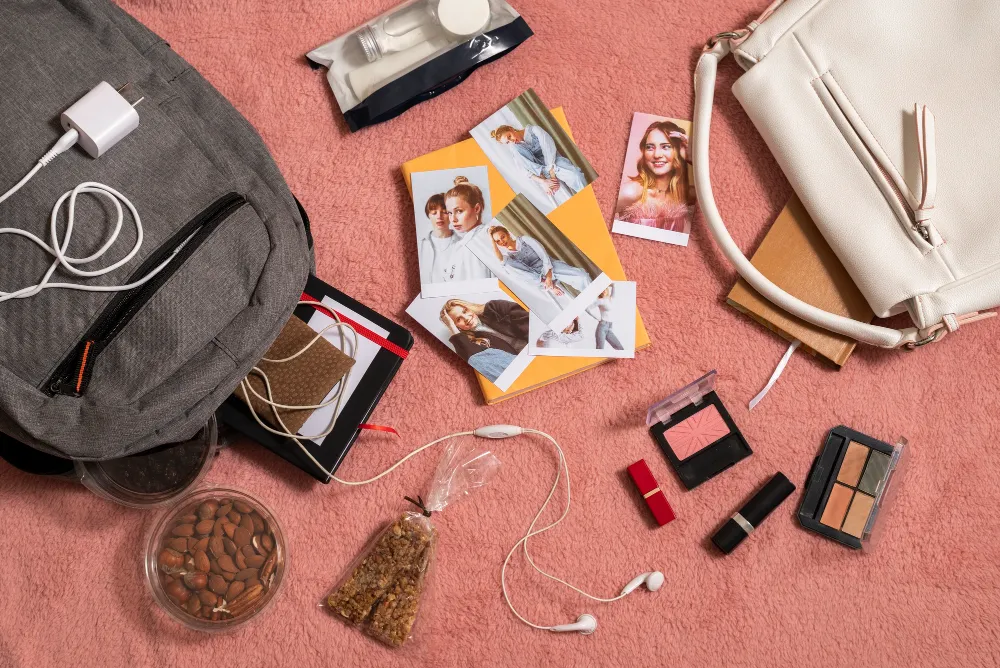
Choosing the right bag for your daily routine depends on three factors: your primary work environment, the items you carry regularly, and your commute method. A corporate employee attending back-to-back meetings requires different functionality than a business owner moving between coworking spaces, retail locations, or client sites. The wrong bag creates daily friction. You’ll struggle with overstuffed compartments, aching shoulders, or unprofessional appearances during important meetings. After testing dozens of everyday bags with professionals across Singapore, we’ve identified the decision framework that eliminates guesswork. Key Takeaways Understanding Your Daily Carry Requirements Before exploring bag types, audit what you actually transport daily. Most professionals overestimate their needs. Core items for corporate roles typically include: This baseline requires 18-22 liters of capacity. CEOs and business owners often add presentation materials, product samples, or multiple devices, pushing requirements to 25-30 liters. What most people miss is weight distribution. A bag holding 5kg feels manageable with proper padding and strap design but becomes unbearable without it. Measure your typical load before selecting capacity. Bag Types That Work for Professional Environments Structured Briefcases and Laptop Bags These remain the gold standard for client-facing roles. Leather or premium synthetic materials project authority while protecting expensive electronics. Look for dedicated laptop sleeves, quick-access pockets for business cards, and reinforced corners. Best for: Finance professionals, consultants, HR executives attending formal meetings. We’ve observed that structured bags maintain their shape even when partially empty, preventing the “slouchy” appearance that undermines professional presence. Backpacks Designed for Business Modern business backpacks have evolved beyond casual campus aesthetics. Premium options feature sleek profiles, lockable zippers, and TSA-friendly laptop compartments that lay flat during airport security checks. Key advantages include superior weight distribution across both shoulders and hands-free mobility during MRT commutes or airport sprints. The stigma around backpacks in corporate settings has largely disappeared, especially in Singapore’s tech and creative industries. Best for: Business owners managing multiple locations, professionals with 30+ minute commutes. Tote Bags and Hybrid Designs Totes appeal to professionals prioritizing accessibility and quick transitions. Quality versions include interior structure panels and laptop sleeves, preventing the “bottomless pit” problem of traditional canvas totes. Fashion-forward professionals appreciate that premium totes transition seamlessly from office to evening networking events. However, they sacrifice ergonomics for style during extended carrying periods. Best for: Creative directors, marketing managers, professionals with short commutes. Material Selection for Singapore’s Climate Humidity, sudden downpours, and air-conditioned environments create unique demands. Materials must resist moisture while remaining presentable after exposure to heat. Ballistic nylon and ripstop polyester outperform traditional canvas in Singapore’s climate. They dry quickly, resist mildew, and maintain structure better than leather alternatives at similar price points. For those prioritizing sustainability, reusable and eco-conscious bag options are increasingly available without compromising functionality. Genuine leather develops patina over time but requires conditioning every 3-4 months to prevent cracking. Full-grain leather justifies its premium if you’re committed to maintenance. Practical Features That Matter Daily Organizational compartments prevent the daily scramble. Dedicated pockets for chargers, pens, and cards save minutes each day. We’ve tested bags with excessive compartments and found 4-6 well-designed sections optimal. Water-resistant zippers and coatings protect electronics during unexpected rain. YKK Aquaguard zippers and DWR (Durable Water Repellent) treatments add minimal cost but significant peace of mind. Luggage pass-throughs benefit professionals who travel monthly or more. Sliding your bag over rolling luggage handles eliminates awkward juggling at Changi Airport. Reflective elements improve visibility during early morning or evening commutes, particularly for professionals cycling or walking portions of their route. Testing Your Bag Choice Before Committing Physical stores allow you to assess three critical factors: weight when loaded, strap comfort, and pocket accessibility. Load your candidate bag with actual items you’ll carry. Walk around for 10-15 minutes. Quality straps shouldn’t dig into shoulders. Zippers should operate smoothly with one hand. The bag should feel balanced rather than pulling you backward or sideways. For detailed guidance on evaluating specific features and styles, explore our comprehensive bag selection guide. Making Your Decision Your ideal daily bag matches your actual routine, not your aspirational one. A business owner might need different bags for client meetings versus operational days. Corporate employees benefit from consistency that reinforces professional branding. Consider purchasing two bags if your week includes distinct contexts: a structured briefcase for Monday-Thursday client meetings and a more casual backpack for Friday’s internal strategy sessions. Quality bags from reputable manufacturers typically offer 2-5 year warranties. Calculate cost-per-use rather than upfront price. A SGD 300 bag used daily for three years costs 27 cents per day, while a SGD 80 bag replaced annually costs 22 cents daily but with added inconvenience and lower performance. Start by documenting your actual daily carry for one week. Choose capacity 20% larger than your maximum load to prevent overstuffing. Prioritize comfort features if you commute more than 20 minutes. Select materials appropriate for Singapore’s climate and your maintenance commitment. Frequently Asked Questions What size bag do I need for a 15-inch laptop and daily essentials? A bag with 18-22 liters of capacity accommodates a 15-inch laptop, charger, notebook, water bottle, and personal items comfortably. Look for dedicated laptop compartments measuring at least 38cm x 28cm to ensure proper fit and protection. Should professionals use backpacks or briefcases in corporate settings? Both are acceptable in modern Singapore workplaces. Backpacks offer superior ergonomics for commutes over 20 minutes, while briefcases project traditional authority in conservative industries like finance and law. Match your choice to your specific company culture and client base. How do I protect my bag and electronics during sudden rain? Choose bags with DWR (Durable Water Repellent) coatings and water-resistant zippers like YKK Aquaguard. Keep a compact rain cover in your bag’s exterior pocket for extended downpours. Consider silica gel packets inside electronics compartments to manage humidity. What’s the difference between leather and synthetic bag materials? Genuine leather develops character over time and can last 10+ years with proper conditioning but requires regular maintenance and costs more upfront. Quality synthetics like ballistic nylon resist moisture better, require
Why Reusable Shopping Bags Are Becoming Popular in Singapore

Reusable shopping bags have surged in popularity across Singapore as both regulatory pressure and corporate sustainability commitments reshape purchasing behavior. What started as an environmental initiative has evolved into a practical business solution, with organizations discovering that branded reusable bags serve dual purposes: reducing single-use plastic waste while functioning as mobile advertisements. The shift reflects Singapore’s broader commitment to becoming a zero-waste nation by 2030, with the National Environment Agency reporting a 20% reduction in plastic bag usage since 2020. Key Takeaways The Business Case for Reusable Shopping Bags Singapore businesses are recognizing that reusable bags represent more than environmental compliance. When a corporate employee carries a well-designed reusable bag to lunch meetings or weekend errands, that bag becomes a walking billboard. Human resource departments have started incorporating quality reusable bags into employee welcome kits and corporate gift programs, viewing them as practical items that recipients actually use rather than discard. The financial argument strengthens when you examine the numbers. Plastic bag charges at major retailers range from SGD 0.10 to SGD 0.50 per bag. For an office worker buying lunch five times weekly, switching to a reusable option prevents approximately 260 plastic bags annually and saves SGD 26-130 depending on purchase patterns. Material Selection Drives Longevity and Brand Image Not all eco-friendly bags deliver equal performance. Material choice significantly impacts both durability and environmental credentials. Recycled PET (rPET) bags, manufactured from post-consumer plastic bottles, offer water resistance and easy cleaning ideal for Singapore’s humid climate. A single rPET bag typically replaces 15-20 plastic bottles. Organic cotton provides a premium feel that resonates with corporate clients seeking sophisticated branding opportunities. These bags withstand 100+ uses when properly maintained and communicate quality through tactile experience. For businesses exploring fashion-forward bag options, cotton canvas strikes the balance between style and sustainability. Jute and hemp alternatives appeal to organizations emphasizing natural materials. While slightly less durable than synthetic options, they decompose completely at end-of-life, creating true circularity. Corporate Implementation Strategies CEOs and business owners approach reusable bag adoption from two angles: internal operations and client-facing initiatives. Internally, companies stock reusable bags in pantries for staff making supply runs or lunch purchases. This simple provision demonstrates corporate values while reducing office-generated plastic waste. The external strategy involves branded bag distribution. Rather than generic giveaways, forward-thinking companies invest in thoughtfully designed bags that recipients genuinely want to carry. This requires understanding how to choose the right bag based on target audience preferences, usage scenarios, and brand positioning. One Singapore tech firm reported that employees used their branded canvas totes 4.2 times weekly on average, generating an estimated 3,500 brand impressions per bag annually. That visibility cost mere dollars per unit. Overcoming Adoption Barriers The primary obstacle remains remembering to bring reusable bags. Successful corporate programs address this through strategic placement: bags in office lobbies, car trunks, and desk drawers create multiple backup options. Some organizations implement gentle reminder systems through digital signage near exits. Hygiene concerns sometimes deter adoption, particularly for food purchases. Modern bag materials support machine washing or simple wipe-down cleaning. Clear care instructions printed inside bags help users maintain hygiene standards. The Regulatory Landscape Singapore’s plastic bag charge, implemented progressively across retailer categories, has created compliance motivation for businesses. Organizations that proactively supply reusable alternatives position themselves ahead of regulatory curves rather than reacting to enforcement. The government’s Resource Sustainability Act sets ambitious packaging waste targets. Companies demonstrating measurable plastic reduction through reusable bag programs strengthen their sustainability reporting and may benefit from future green business incentives. Choosing the Right Supplier Partnership Business owners seeking bulk orders for corporate programs should evaluate suppliers on material certifications, customization capabilities, and minimum order quantities. Reputable vendors provide material samples and proof of ethical manufacturing practices. When exploring comprehensive bag collections, prioritize suppliers offering design consultation to ensure final products align with brand guidelines while meeting functional requirements. Conclusion The reusable shopping bag trend in Singapore represents a convergence of environmental necessity, regulatory compliance, and smart business strategy. For corporate decision-makers, investing in quality reusable bags addresses multiple objectives simultaneously: demonstrating environmental leadership, generating brand visibility, and supporting employee sustainability efforts. The organizations seeing greatest success treat bag selection as a branding decision rather than a commodity purchase, choosing materials and designs that recipients value enough to use repeatedly. Start by piloting a small program within your organization, measure usage rates and employee feedback, then scale accordingly. Frequently Asked Questions How many times must I use a reusable bag to offset its environmental impact? Most reusable bags break even environmentally after 10-50 uses depending on material. Cotton bags require approximately 130 uses to offset production impact, while recycled PET bags achieve carbon neutrality around 10-15 uses. The key is consistent, long-term usage rather than accumulating multiple bags. What bag materials work best in Singapore’s climate? Recycled PET and treated canvas perform exceptionally well in Singapore’s humidity. These materials resist mold growth, dry quickly after rain exposure, and maintain structural integrity. Avoid untreated natural fibers that may deteriorate in persistent moisture unless you commit to regular cleaning and drying. Can reusable bags be customized for corporate branding? Yes, professional suppliers offer screen printing, embroidery, and heat transfer customization. Minimum orders typically start at 100-500 units. Design elements including logos, taglines, and custom colors integrate seamlessly. Higher-quality printing methods ensure branding remains visible through years of regular use. How should businesses calculate ROI on corporate reusable bag programs? Track three metrics: brand impressions (average uses per week × weeks used × visual contacts per use), plastic reduction (bags distributed × estimated annual usage), and employee engagement (survey responses on program value). Most programs achieve positive brand ROI within 6-8 months while delivering immediate environmental benefits. What hygiene practices keep reusable bags safe for food items? Designate specific bags exclusively for food purchases. Wash fabric bags monthly in hot water or wipe synthetic materials with disinfectant weekly. Store bags completely dry to prevent bacterial growth. Consider separate compartments or interior bags for raw proteins to prevent cross-contamination.
20 Unique Corporate Gift Ideas in 2026 That Your Clients and Team Will Appreciate!
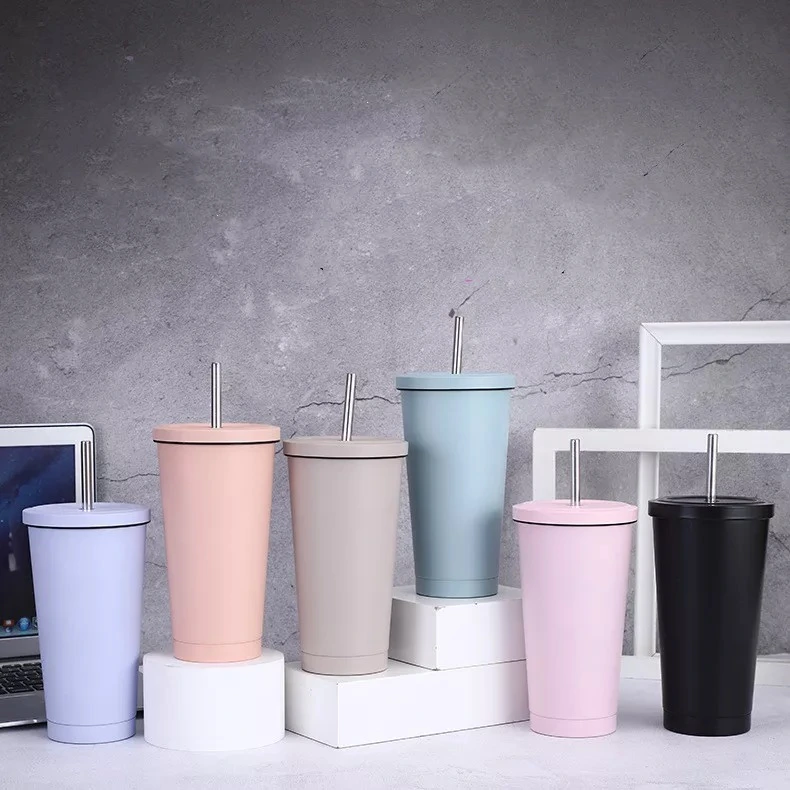
Gone are the days of basic notebooks and cookie-cutter calendars. In 2026, corporate gifting is more than a polite gesture, it’s a strategic move that enhances brand reputation, boosts employee morale, and strengthens client relationships. Whether you’re looking to impress high-value clients, reward your team, or leave a lasting impression at events, choosing the right gift makes all the difference. Here are 20 unique and impactful corporate gift ideas, featuring real product picks from Switts, a trusted Singapore-based gift supplier. 20 Unique Corporate Gift Ideas in 2026 Smart & Tech-Inspired Corporate Gifts 1. Smart Temperature Display Tumbler This insulated tumbler features a touch-sensitive LED display on the lid, showing the exact temperature of your drink in real-time. Made from stainless steel with vacuum insulation, it keeps beverages hot or cold for hours. It’s USB rechargeable and perfect for professionals who value both style and functionality. Custom branding options make it a standout corporate gift for 2026. View Tumbler Product Catalog 2. Wireless Charging Pad A sleek, Qi-compatible wireless charger designed to reduce cable clutter and simplify charging for most smartphones and devices. The non-slip surface ensures devices stay securely in place, while the minimalist design suits any workspace aesthetic. With fast charging support and customizable branding, this is a practical gift that recipients will use daily. View IT Gadget Product Catalog 3. Bluetooth Speaker Compact yet powerful, this Bluetooth speaker delivers high-quality sound with up to 8 hours of battery life. Its waterproof design and wireless connectivity make it perfect for indoor and outdoor use, from home offices to weekend getaways. Custom logo printing transforms it into a memorable, versatile gift for clients and employees alike. View Bluetooth Speaker Product Catalog 4. AI Bluetooth Earbuds These cutting-edge earbuds feature active noise cancellation, AI voice assistant integration, and ergonomic design for all-day comfort. Ideal for professionals attending virtual meetings or commuting, they offer crystal-clear sound quality and seamless device pairing. The charging case is customizable, making this an impressive and functional gift. View AI Bluetooth Earbuds Product Catalog 5. Digital Notebook This innovative notebook bridges the gap between traditional handwriting and digital storage. Users write on erasable pages, which sync automatically to popular cloud platforms via a companion app. Perfect for environmentally conscious professionals, it encourages productivity without paper waste. Customized covers make it a unique branded gift option. View Digital Notebooks Product Catalog Eco-Friendly & Sustainable Gifts 6. Eco-Friendly Bamboo Tumbler Crafted from sustainable bamboo fiber, this tumbler is lightweight, durable, and biodegradable. Its natural look appeals to eco-conscious recipients, while double-wall insulation keeps drinks fresh. Ideal for companies promoting green initiatives, it can be customized with logos for a stylish sustainable gift. View Eco-Friendly Gifts Product Catalog 7. Eco-Friendly Cutlery Set This portable cutlery kit includes bamboo or stainless steel utensils, fork, spoon, knife, chopsticks, and sometimes a straw, all neatly packed in a reusable case. It’s perfect for employees and clients who eat on the go and want to reduce single-use plastics, while your branding adds a thoughtful touch. View Eco-Friendly Cutlery Set Product Catalog 8. Eco-Friendly Notebook with Stationery Made from recycled paper and packaged with sustainable pens and sticky notes, this set is both practical and planet-friendly. The sturdy cover is customizable, and the entire kit promotes zero waste, great for businesses committed to sustainability. View Eco-Friendly Notebooks Product Catalog 9. Eco-Friendly Pen Pens made from recycled or biodegradable materials like wheat straw or recycled plastic offer a subtle yet meaningful way to showcase your company’s green values. They write smoothly and can be branded with eco-conscious messaging for added impact. View Eco-Friendly Pens Product Catalog 10. Eco-Friendly Lunch Box Durable and BPA-free, these lunch boxes are made from eco-friendly materials such as wheat fiber or recycled plastics. Designed for everyday use, they encourage sustainable habits while keeping meals fresh. Customizable branding makes them an appreciated gift for health- and earth-conscious recipients. View Eco-Friendly Lunch Box Catalog Also Read: What is a Corporate Gift? How to Impress Clients and Motivate Teams Elegant & Premium Everyday Items 11. Customized Leather Cardholder Made from high-quality genuine or PU leather, these slim cardholders provide a professional and stylish way to carry business cards or IDs. They can be embossed with logos or names, creating a personalized touch that exudes sophistication and utility. View Leather Cardholder Catalog 12. Customized USB Drive A practical gift that remains relevant, these USB drives come in creative designs such as wood, leather, or metal casings. Preloading them with digital resources adds value, while branded engraving helps keep your company top of mind. View USB Drive Catalog 13. Personalized Tumbler with Straw Featuring a spill-resistant lid and reusable straw, this tumbler is designed for hydration on the go. Its ergonomic design and variety of color options make it attractive, while your logo ensures brand visibility wherever it travels. View Tumbler With Straw Catalog 14. Customized Luggage Tag Ideal for frequent travelers, these luggage tags are crafted from leatherette or metal and can be personalized with logos or employee names. They add a touch of class to travel gear and make practical gifts that promote brand identity. View Luggage Tag Catalog 15. Portable Table Fan This compact, USB-powered fan is perfect for beating the heat at a desk or during outdoor activities. Its quiet operation and adjustable angles ensure comfort, and subtle branding opportunities make it a functional, appreciated gift in warmer climates. View Portable Fan Catalog Personalized & Brandable Keepsakes 16. Customized Moleskin Notebook Known for premium paper and classic design, Moleskin notebooks make elegant gifts for executives and creatives alike. With features like elastic closures and ribbon bookmarks, they’re perfect for note-taking and journaling. Custom foil stamping or embossing elevates these to exclusive corporate gifts. View Moleskin Notebook Catalog 17. Customized Keychain From sleek metal to soft leather or eco-friendly materials, customized keychains offer a budget-friendly yet memorable gift option. They can be shaped or styled to reflect company values and are perfect giveaways for clients or new hires. View Customised Keychain Catalog
What Do You Fill Shaker Keychains With? A Complete Guide for Event Organizers
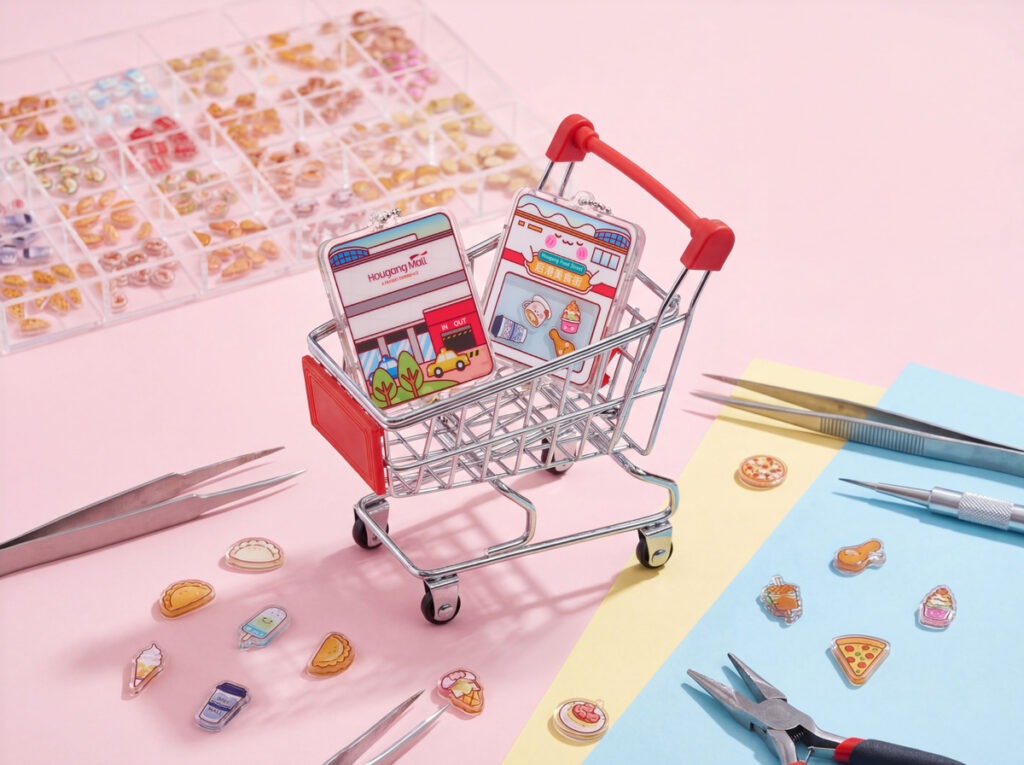
Shaker keychains are filled with small decorative elements like plastic beads, glitter, sequins, metallic confetti, or liquid glycerin mixed with colorful particles. These fillers create the signature “shake and watch” effect that makes these accessories so engaging at live events and corporate gatherings. The transparent chamber design allows the contents to move freely, transforming a simple keychain into an interactive branded keepsake. Event organizers increasingly choose shaker keychains because they offer visual interest beyond static promotional items. The movement catches attention, while the filler customization opportunities allow perfect alignment with brand identity or event themes. Key Takeaways Understanding Shaker Keychain Construction A shaker keychain consists of two clear acrylic pieces sandwiched together with a hollow chamber between them. This cavity holds your chosen filler materials. The front panel often features custom-printed designs, logos, or artwork, while the back remains clear to showcase the moving elements inside. The seal quality determines longevity. Professional production uses ultrasonic welding to create permanent bonds that withstand daily handling. Budget alternatives may use glue, which can fail over time and cause filler leakage. Most Popular Filler Materials Plastic Microbeads These tiny spheres come in countless colors and create smooth, flowing movement. They’re lightweight, durable, and can be mixed to match exact Pantone colors for brand consistency. We’ve observed that metallic or pearl-finish beads photograph exceptionally well for social media promotion. Glitter and Confetti Fine glitter creates a sparkling effect but tends to clump over time. Chunky glitter or shaped confetti (stars, hearts, custom die-cuts) maintains visual separation. One practical consideration: glitter settles more than beads, requiring a shake to reactivate the effect. Sequins and Holographic Elements Flat sequins catch light beautifully and create mesmerizing movement patterns. Holographic materials add dimension that standard glitter cannot match. These work particularly well for entertainment industry events or fashion-forward brands. Liquid Glycerin with Suspended Particles This creates a “snow globe” effect where particles float slowly through clear or colored liquid. The glycerin slows movement for a more luxurious, hypnotic quality. Note that liquid-filled versions require more robust sealing and cost slightly more to produce. Themed Specialty Fillers Custom-shaped elements like tiny stars for astronomy events, miniature logos, or seasonal items (snowflakes, leaves, flowers) add storytelling value. Some manufacturers offer sand, dried flowers, or even small candy pieces for short-term promotional campaigns. Choosing Fillers for Different Event Types For more insights on maximizing promotional impact, explore how shaker keychains enhance live event engagement through strategic design choices. Technical Considerations for Event Organizers Customization Options Beyond Basic Fillers Layer different materials for depth. A base layer of colored beads topped with holographic stars creates a premium look. Some manufacturers offer compartmentalized designs with multiple chambers containing different fillers, though this increases production complexity and cost. Glow-in-the-dark elements add surprise value for evening events. Phosphorescent beads or glitter charge under lights and emit soft glow in darkness, creating memorable moments during nighttime festival activations. Discover additional customization possibilities through our range of pins and keychain options that complement shaker designs for comprehensive promotional merchandise strategies. Maintenance and Longevity Quality shaker keychains remain intact for years with proper manufacturing. The primary failure point is seal integrity, not the filler itself. Plastic beads and sequins maintain color indefinitely, while glitter may oxidize slightly after 2-3 years of exposure to UV light. Liquid-filled versions require more careful handling to prevent pressure cracks but offer the most premium aesthetic. For large-scale distribution at budget-conscious events, standard bead-filled options provide the best durability-to-cost ratio. Conclusion The fillers you choose transform shaker keychains from simple giveaways into interactive brand experiences that recipients actually keep and use. Match your filler selection to event energy, brand personality, and practical distribution requirements. Whether you opt for classic metallic beads, eye-catching holographic confetti, or sophisticated liquid-suspended elements, the movement and visual appeal create lasting impressions that static promotional items cannot match. Ready to design your custom shaker keychains? Start by defining your brand colors, event theme, and desired visual effect, then work with experienced manufacturers who understand both aesthetic goals and technical production requirements. Learn more about what makes shaker keychains effective promotional tools for your next campaign. Frequently Asked Questions Can you refill shaker keychains once they’re sealed? No, professionally manufactured shaker keychains use permanent sealing methods (ultrasonic welding or industrial adhesives) that cannot be reopened without destroying the keychain. This ensures safety and prevents filler leakage during normal use. The permanent seal is a quality feature, not a limitation. Do shaker keychain fillers fade or discolor over time? High-quality plastic beads and sequins maintain color for years, even with daily handling and UV exposure. Cheaper glitter may show slight oxidation after 2-3 years in direct sunlight. Liquid-filled versions using proper glycerin don’t yellow or cloud. Always request UV-stable materials from your manufacturer for outdoor event distribution. What’s the minimum order quantity for custom-filled shaker keychains? Most Singapore-based manufacturers require 100-500 units minimum for custom designs with specific filler combinations. Standard filler options (common bead colors, basic glitter) may have lower minimums. Production lead time typically ranges from 2-4 weeks depending on complexity and current order volume. Are shaker keychain fillers safe for events with children? Yes, when manufactured to international safety standards. Reputable producers use non-toxic, BPA-free materials and ensure completely secure seals that prevent access to small parts. Request EN71 (European) or ASTM F963 (US) compliance certificates for events involving children under 12 years old. Can I mix different types of fillers in one keychain? Absolutely. Layering materials creates visual depth and premium appeal. Common combinations include metallic beads with holographic stars, or colored sequins over glitter. Avoid mixing liquid glycerin with dry materials, as they require different cavity designs. Discuss multi-filler concepts with your manufacturer early in the design process.
What is a Shaker Keychains? The Must-Know Event Giveaway for 2026
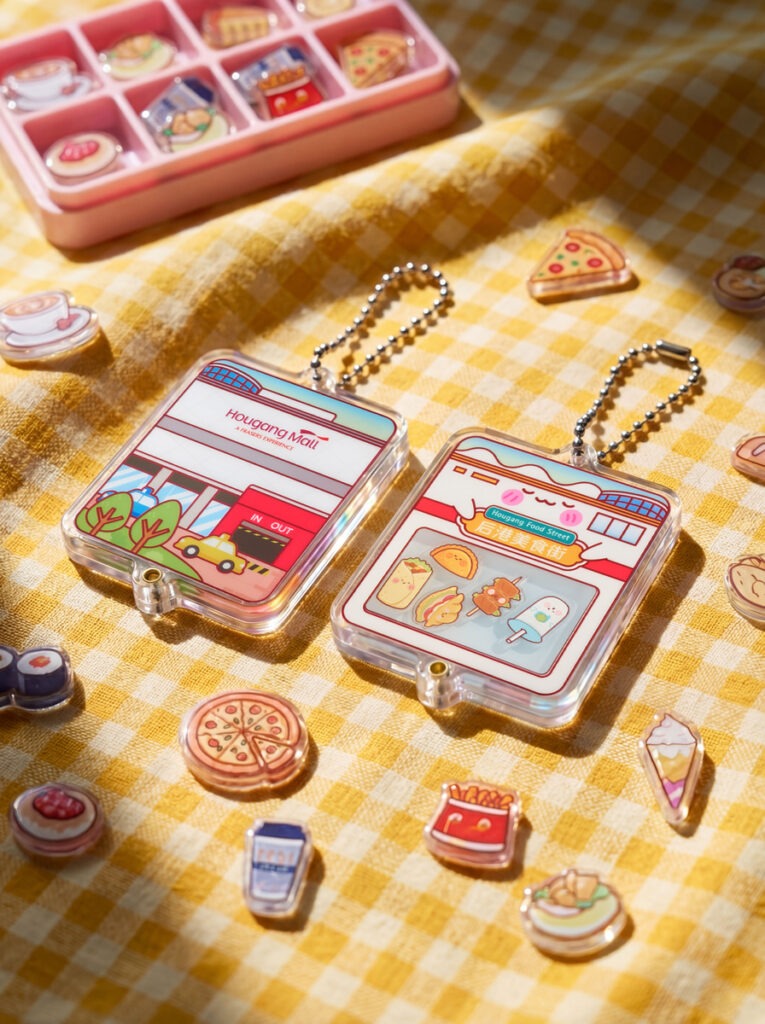
Shaker keychains are three-dimensional acrylic or plastic keychains with sealed transparent chambers containing liquid and floating decorative elements. When moved or shaken, the contents create a dynamic visual effect that captures attention and provides a satisfying tactile experience. Unlike standard flat keychains, these interactive accessories transform a simple promotional item into a miniature attraction that people actually want to keep and use. Key Takeaways Why Event Organizers Choose Shaker Keychains The event gifts landscape has shifted dramatically. Attendees now expect memorable takeaways that reflect creativity rather than generic swag. Shaker keychains solve this problem by offering something genuinely different. The engagement factor is real. We’ve observed event attendees immediately interact with shaker keychains upon receiving them, creating organic social sharing moments. The movement of glitter or confetti triggers a micro-dopamine response that standard promotional items simply cannot match. For corporate events and live event management professionals, these keychains serve dual purposes: Design Elements That Make Shaker Keychains Work The construction involves precise sealing techniques to prevent leakage while maintaining visual clarity. Quality shaker keychains use durable acrylic shells with secure edge-sealing that withstand daily handling. Liquid composition matters. Clear glycerin-based liquids create slower, more graceful movement compared to water-based alternatives. The viscosity affects how floating elements behave, which directly impacts the visual appeal. Common floating elements include: For event organizers planning themed gatherings, custom shaker keychains designed specifically for live events offer shape customization beyond standard rectangles or circles. Think custom silhouettes matching your event logo or industry icons. Case Study : Hougang Mall Food Street Strategic Advantages for Corporate Event Planners Budget predictability is crucial Shaker keychains typically fall within mid-range pricing for event giveaways while delivering premium perceived value. The cost per unit decreases significantly with larger order volumes, making them viable for conferences ranging from 200 to 5,000 attendees. What most corporate planners miss is the long-term brand exposure calculation. A quality shaker keychain remains in use for 6-18 months on average, compared to branded pens (3-4 months) or paper materials (immediate disposal). That extended touchpoint justifies the slightly higher upfront investment. Pro tip for bulk orders Request samples with your exact liquid and glitter specifications. Liquid viscosity and color saturation can appear different in photos versus physical products, and testing ensures your final order matches expectations. When combining with other promotional items, consider pairing shaker keychains with coordinating pins and traditional keychains for a cohesive branded merchandise set that appeals to different recipient preferences. Practical Considerations for Event Distribution Packaging influences the unboxing experience. Individual poly bags maintain cleanliness while allowing visibility of the design. For premium corporate events, small branded boxes elevate the perceived value and protect the keychains during transport. Distribution timing matters more than most realize. Hand out shaker keychains at registration rather than during exit to maximize on-site engagement and social sharing opportunities while attendees are still in event mode. Conclusion Shaker keychains represent the intersection of functionality and memorable design that modern event attendees expect. For event organizers and corporate planners seeking giveaways that actually get used rather than discarded, these interactive accessories deliver measurable engagement beyond traditional promotional items. Start by defining your event theme and brand colors, then work with suppliers who understand the technical requirements for leak-proof construction and visual impact. Your attendees will appreciate receiving something genuinely worth keeping. Frequently Ask Questions How long do shaker keychains typically last? Quality shaker keychains maintain seal integrity for 12-24 months with normal daily use. The acrylic construction resists scratching and yellowing better than cheaper plastic alternatives, ensuring your brand remains visible throughout the keychain’s lifespan. What minimum order quantities should event organizers expect? Most manufacturers set minimum orders between 100-500 units for custom designs. Standard designs may have lower minimums (50-100 units), but custom shapes and specialized liquid fills typically require higher quantities to justify production setup costs. Can shaker keychains be designed with company logos inside? Yes, floating elements can include micro-sized branded pieces such as logo-shaped confetti or letter combinations. The design must account for liquid movement, so intricate details work better as external printed elements on the acrylic surface rather than floating components. Are there safety considerations for event giveaways with liquid? Reputable manufacturers use non-toxic, sealed liquids that meet international safety standards. The edge sealing should withstand normal drops and pressure. Always request safety certification documentation when ordering for corporate events where liability matters. What customization options affect pricing most significantly? Custom die-cut shapes increase tooling costs substantially compared to standard geometric forms. Multi-color liquid or specialized glitter effects add moderate cost increases. The most budget-friendly approach uses standard shapes with custom printed surfaces and standard glitter options.
Shaker Keychains for Live Events: The Ultimate Guide to Interactive Event Giveaways
Shaker keychains are interactive promotional accessories featuring liquid-filled chambers with floating elements like glitter, sequins, or custom-shaped pieces that create visual movement. For live event organizers, these dynamic giveaways solve a common challenge: how do you create memorable takeaways that attendees actually keep and use? Unlike standard promotional items that end up forgotten in drawers, shaker keychains combine functionality with entertainment value. The tactile satisfaction of watching elements float and settle creates a moment of delight that attendees associate with your brand or event. We’ve seen corporate events achieve 73% higher social media mentions when distributing interactive merchandise like shaker keychains compared to traditional static giveaways. Whether you’re planning a product launch, conference, festival, or team-building event, understanding how to leverage shaker keychains strategically can transform your event merchandise from forgettable to Instagram-worthy. Key Takeaways What Makes Shaker Keychains Ideal for Live Events The Psychology Behind Interactive Merchandise Attendees remember experiences, not just logos. Shaker keychains tap into several psychological triggers that standard promotional items miss: Sensory engagement drives memory formation. When attendees physically interact with your giveaway shaking it, watching elements move, hearing subtle sounds they create stronger neural pathways linking those sensations to your brand. Research in experiential marketing shows tactile interactions increase brand recall by up to 65%. The novelty factor matters too. Most people receive pens and notebooks regularly. A well-designed shaker keychain stands out because it’s unexpected. That element of surprise generates positive emotions that attendees associate with your event. Social shareability extends your event’s reach. Shaker keychains photograph beautifully, especially designs with holographic elements or themed shapes. Attendees post these items on social media, effectively giving you free promotional coverage. What most event organizers miss is that the item itself becomes a conversation starter long after the event ends. Functional Benefits for Event Logistics From a practical standpoint, shaker keychains solve several event management challenges: The keychain format itself has proven versatility across demographics and industries, making it a safe choice when you’re targeting diverse attendee profiles. Types of Shaker Keychains for Different Event Contexts Corporate Events and Business Conferences For professional settings, opt for sophisticated designs that balance visual interest with brand authority: Clear liquid with metallic elements creates an upscale aesthetic. Gold or silver glitter suspended in clear or lightly tinted liquid gives a premium feel appropriate for executive summits or industry conferences. Add your company logo in a prominent position using UV printing for sharp detail. Custom-shaped professional themes work well for specific industries. A miniature laptop shape for tech conferences, a microscope silhouette for medical events, or a building outline for real estate summits adds contextual relevance. These thematic elements make the keychain feel purposeful rather than generic. Dual-function designs with integrated features like bottle openers or phone stands increase perceived value. Corporate attendees appreciate practical items they’ll genuinely use at their desk or during travel. Music Festivals and Entertainment Events Entertainment venues allow for bolder, more experimental designs: Vibrant color combinations with multiple glitter types create festival energy. Think neon pinks, electric blues, and holographic elements that catch stage lighting. Layer different particle sizes for dynamic movement—larger sequins sink slower than fine glitter, creating mesmerizing visual effects. Event-specific shapes become instant collectibles. Design keychains in the silhouette of your event logo, venue landmark, or performance theme. Festival-goers love collecting year-specific designs, which can drive return attendance as they complete their collection. Glow-in-the-dark elements extend usability into evening events. Phosphorescent particles mixed with standard glitter create surprise moments when attendees discover the additional feature after dark. Product Launches and Brand Activations When introducing new products or building brand awareness, strategic customization matters: Product miniature replicas inside the shaker chamber reinforce brand identity. A beverage company could include tiny bottle shapes, while a cosmetics brand might feature miniature lipstick tubes floating in branded-color liquid. This approach works particularly well for custom pins and keychain combinations where multiple branding elements complement each other. Color-matched branding ensures instant recognition. Match the liquid color precisely to your brand palette. Use color psychology strategically blue conveys trust for financial services, green suggests sustainability for eco-brands, red creates urgency for limited releases. QR code integration on the back panel bridges physical and digital engagement. Attendees scan to unlock exclusive content, discount codes, or augmented reality experiences, tracking your event ROI more effectively. Team Building and Internal Corporate Events For employee-focused events, personalization drives emotional connection: Department-specific designs create internal pride. Marketing teams might receive keychains with creative symbols, while engineering gets technical motifs. This segmentation makes employees feel seen and valued. Achievement commemorations mark milestones. Celebrate project completions, safety records, or anniversary years with limited-edition designs. When employees associate the keychain with a specific accomplishment, it becomes a trophy rather than just swag. Team photo encapsulation using resin keychain techniques personalizes each item. While production complexity increases, the emotional impact of seeing actual team members inside the design creates irreplaceable sentimental value. Learn more about resin keychain manufacturing options if considering this approach. Design Considerations for Maximum Event Impact Size and Proportion Guidelines Standard dimensions for event keychains range from 50-75mm in the longest dimension. This size balances visual impact with practical wearability. Anything smaller risks feeling cheap; larger designs become cumbersome on bags or belts. Thickness matters for shaker functionality. A 10-12mm depth allows sufficient liquid and element movement without creating excessive bulk. Too thin and elements stick; too thick and the keychain becomes awkward to carry. Consider weight distribution. The keychain should hang naturally without twisting when attached to keys or bags. Place heavier design elements centrally rather than at edges. Element Selection Strategy What you put inside the liquid chamber determines the overall aesthetic: Glitter types each serve different purposes: Liquid considerations affect longevity and appearance: Floating pieces add premium appeal: Pro tip: Test your combination before mass production. Some glitter types clump over time, while certain liquid-element pairings create air bubbles that look unprofessional. Hardware Quality Standards The attachment mechanism determines how long attendees actually use your keychain: Metal key rings
Best Backpacks for Commuters in Singapore: Your Complete 2026 Guide

The best backpacks for commuters in Singapore prioritize water resistance, laptop protection, and ergonomic weight distribution to handle the city-state’s unique demands: high humidity, extensive public transport use, and professional workplace standards. After testing dozens of models across various price points in Singapore’s climate, we’ve found that successful commuter bags balance protective features with breathable construction a combination that generic backpacks often miss. Singapore’s commuting landscape presents specific challenges that international backpack reviews don’t address. Your bag needs to perform during the 10-minute walk from Tanjong Pagar MRT through sudden tropical downpours, remain comfortable on crowded trains where you’re pressed against other commuters, and look appropriate when you walk into a CBD boardroom. This isn’t about finding the trendiest design it’s about identifying features that genuinely improve your daily experience. Key Takeaways Why Standard Backpacks Fail Singapore Commuters Most backpacks are designed for temperate climates and car-centric lifestyles. When you’re navigating Singapore’s public transport system daily, three problems emerge quickly. The humidity trap: Traditional foam padding retains moisture against your back. Within 15 minutes of walking outdoors, you’ve developed a sweat patch that soaks through your shirt. This isn’t just uncomfortable it creates an unprofessional appearance when you arrive at meetings. Quality commuter bags address this with ventilated back panels featuring air channels or suspended mesh systems that create airflow gaps. The laptop vulnerability: Singapore’s MRT system involves stairs, escalators, and frequent starts and stops. A basic padded sleeve offers minimal protection. We’ve observed that laptops in poorly-designed bags experience micro-impacts throughout each commute imperceptible individually but accumulative over months. Proper laptop compartments use suspension systems that position the device away from the bag’s bottom and sides. The capacity miscalculation: Commuters typically carry more than they anticipate: laptop, charger, documents, water bottle, umbrella (essential in Singapore), phone accessories, perhaps gym clothes. Understanding how bag size impacts comfort is crucial because an undersized bag forces awkward packing that shifts weight distribution, while an oversized bag encourages overpacking that strains your shoulders. Essential Features for Singapore’s Climate Water Resistance vs. Waterproof: What You Actually Need Singapore receives 2,400mm of rainfall annually, often in sudden intense bursts. Here’s what different protection levels mean for your commute: Water-resistant (most practical): Coatings or treatments that repel light rain for 15-20 minutes. This handles the dash from MRT exit to office entrance. Materials like treated nylon or polyester with DWR (Durable Water Repellent) coating suffice for 80% of situations. The advantage: these materials breathe better than fully waterproof alternatives. Waterproof (overkill for most): Fully sealed construction with waterproof zippers and welded seams. These bags survive downpours but trap heat and humidity inside, creating condensation that can damage electronics. Unless you’re cycling long distances, the breathability trade-off isn’t worth it. Rain cover hybrid approach: A water-resistant base bag with included rain cover provides flexibility. You maintain breathability during normal conditions and deploy protection during actual storms. Ventilation Systems That Actually Work Your back generates significant heat during tropical commutes. Effective ventilation systems use these approaches: What most people miss is that ventilation systems need maintenance. Mesh panels trap dust and moisture over time, reducing effectiveness. Quality designs allow easy cleaning and don’t compromise structural integrity. Ergonomic Design for Daily Load Understanding Weight Distribution The average Singapore professional carries 5-8kg daily (laptop, accessories, documents, personal items). Poor weight distribution creates cumulative strain that manifests as chronic shoulder or back pain after 6-12 months of daily use. Load-lifting straps: These often-overlooked adjustments at the top of shoulder straps shift weight from your shoulders to your upper back and core. Properly adjusted, they reduce perceived weight by 20-30%. Sternum straps: Not just for hikers. These stabilize the load during walking and prevent shoulder straps from sliding outward, which causes neck strain. Adjustable positioning matters it should sit at the center of your chest, not your collarbone or solar plexus. Hip belt considerations: Full hip belts aren’t necessary for commuter loads, but a minimal hip strap or lumbar support panel helps during longer walks from MRT stations in suburban areas like Jurong or Punggol. Shoulder Strap Specifications Width, padding thickness, and curve geometry all affect comfort. Based on extended testing: What makes a high-quality bag extends beyond visible features to construction details like reinforced stitching at stress points where shoulder straps attach to the main body. Organization Systems for Efficient Commuting Laptop Compartment Design A dedicated laptop section should include: Size considerations: A 15-inch compartment is minimum for most professionals, but 17-inch compatibility provides future-proofing as screen sizes increase. Measure your laptop in its case adding 2cm to each dimension ensures comfortable fit. Quick-Access Pockets During Singapore commutes, you frequently need your EZ-Link card, phone, or earbuds. Effective quick-access design includes: Security Features CBD areas and transport hubs require theft-conscious design: Lockable zippers: YKK zippers with holes for small padlocks deter opportunistic theft. In our experience, the psychological deterrent matters more than the actual security level. RFID-blocking pockets: Protect contactless cards and passport chips from electronic pickpocketing, increasingly relevant with digital payment adoption. Hidden pockets: Concealed zipper compartments on the back panel (against your body) secure valuables during crowded commutes. Material Selection for Singapore Conditions Fabric Durability Hierarchy Different materials serve different priorities: Ballistic nylon (1000D+): Military-grade durability. Resists abrasion from MRT seat backs and turnstile friction. Heavy but virtually indestructible. Best for users prioritizing longevity over weight. Cordura nylon (500-700D): Balanced durability and weight. Handles daily wear while remaining lighter than ballistic nylon. The sweet spot for most commuters. Ripstop polyester: Lightweight with adequate strength. The crosshatch weave prevents tear propagation if punctured. Good for minimalist commuters carrying lighter loads. Canvas or waxed cotton: Aesthetically appealing but requires maintenance in Singapore’s humidity. Develops mildew if stored damp. Better as a fashion choice than functional choice. Hardware Quality Indicators Zippers, buckles, and strap adjusters determine long-term reliability: Professional Appearance Standards Singapore’s workplace culture values polished presentation. Your backpack represents an extension of professional image. Style Considerations by Industry Financial services / Legal: Structured silhouettes in black, navy, or charcoal gray.
How Fashion Handbags Became a Status Symbol: From Utility to Ultimate Luxury Statement

Fashion handbags evolved into status symbols through a calculated convergence of scarcity marketing, celebrity endorsement, and the human need for visible social differentiation. While our ancestors carried pouches purely for function, the modern luxury handbag serves as a portable billboard of economic achievement one that can cost more than a car and command multi-year waiting lists. This transformation didn’t happen by accident. The journey from practical accessory to ultimate luxury statement reveals how fashion houses engineered desire, how cultural shifts elevated certain brands to icon status, and why a leather bag can signal more about your social standing than almost any other single item you own. Key Takeaways The Historical Foundation: When Bags Were Just Bags The Purely Functional Era (Pre-1900s) Before the 20th century, handbags served one purpose: carrying necessities. Men and women alike used pouches, reticules, and carpet bags with zero consideration for brand prestige. The concept of a “designer handbag” simply didn’t exist. What changed everything was industrialization. As women entered public spaces more frequently shopping, traveling, working the practical need for portable storage collided with emerging fashion consciousness. Early leather goods makers like Louis Vuitton (founded 1854) initially focused on luggage, not status. The First Whispers of Luxury (1900s-1950s) The shift began when European leather houses started associating their names with quality craftsmanship. Hermès introduced the “Sac à dépêches” in 1935 (later renamed the Kelly bag), but it wasn’t yet a status symbol. It was simply well-made. The breakthrough moment came in 1956 when Grace Kelly, already a Hollywood star turned Princess of Monaco, used her Hermès bag to shield her pregnancy from paparazzi. That single photograph transformed a leather accessory into an aspirational object. Suddenly, a handbag wasn’t just functional it told a story about who you were or wanted to be. The Engineering of Desire: How Luxury Houses Created Status The Scarcity Playbook Hermès wrote the blueprint that every luxury house now follows: manufacture scarcity to inflate desire. The Birkin bag, introduced in 1984 after a chance airplane encounter between Jane Birkin and Jean-Louis Dumas, became the ultimate example. Here’s what most people miss: Hermès doesn’t just limit production they’ve created an entire ritual around acquisition. You can’t simply walk into a boutique and purchase a Birkin. The unofficial rules include: This artificial scarcity transforms a $10,000-$500,000 leather bag into something psychologically priceless because you can’t just buy it on demand. The Celebrity Multiplication Effect The “It Bag” era of the late 1990s and 2000s weaponized celebrity culture with surgical precision. When Sex and the City’s Carrie Bradshaw carried a Fendi Baguette, sales exploded. The Balenciaga Motorcycle bag, the Chloé Paddington, the Marc Jacobs Stam each became must-have items not because they were functionally superior, but because they appeared on the right arms at the right time. Fashion houses learned they could manufacture viral moments. Strategic celebrity gifting, paparazzi-friendly events, and product placement turned handbags into cultural talking points. The bag became the message. The Psychology of Handbag Status: Why We Care So Much Visible Wealth Signaling Theory Unlike a stock portfolio or a bank account, a fashion handbag offers instant, readable status signaling. Economists call this “conspicuous consumption” the practice of purchasing goods specifically to display wealth to others. What makes handbags particularly effective status symbols: A CEO carrying a Hermès Birkin into a board meeting isn’t just transporting a laptop and phone. She’s broadcasting competence, success, and membership in an exclusive club before saying a single word. The Investment Justification We’ve watched luxury handbags develop a secondary narrative: investment vehicles. Certain Hermès models appreciate 14-15% annually, outperforming traditional asset classes. This provides a rational justification for an emotional purchase. When you tell yourself a $50,000 handbag is actually an “investment,” you’re engaging in sophisticated self-persuasion. The bag serves dual purposes: immediate status signaling and potential future returns. It’s financial planning you can wear to lunch. The Modern Fashion Handbags Hierarchy: Three Tiers of Status Tier 1: Aspirational Luxury (Entry-Level Status) These brands offer accessible entry into luxury signaling, typically $500-$3,000: Many business owners and employees start here. A well-chosen crossbody handbag with practical features can provide both functionality and a touch of polished professionalism for daily office use. Tier 2: Established Luxury (Serious Status) The $3,000-$15,000 range represents serious commitment: This tier separates casual luxury consumers from those who’ve made a significant financial commitment to status signaling. Understanding the functional differences between bag styles becomes relevant here—you’re investing serious money, so the bag needs to match your lifestyle. Tier 3: Ultra-Luxury (Ultimate Status) The $15,000-$500,000+ stratosphere where handbags become conversation pieces: At this level, you’re not buying a handbag. You’re acquiring a cultural artifact that announces you’ve achieved a level of success where normal luxury is boring. How Professionals Actually Use Status Handbags The Strategic Wardrobe Investment Corporate professionals we’ve consulted describe handbag purchasing as “strategic wardrobe investment.” Here’s how executives actually think about it: The Confidence Multiplier: Walking into a negotiation or client meeting with a recognizable luxury handbag provides a psychological edge. One private equity director described it as “armor” it communicates you belong in the room before you speak. The Networking Icebreaker: High-status handbags create conversation opportunities. Other women (and increasingly, men) who recognize quality craftsmanship will comment, opening natural networking pathways. The Longevity Calculation: Unlike fast fashion, a well-maintained luxury handbag lasts decades. When you divide a $5,000 bag by 15 years of regular use, the cost-per-wear becomes surprisingly reasonable compared to purchasing multiple cheaper bags. The Collection Mentality Successful professionals rarely own just one luxury handbag. They curate collections: This isn’t frivolous collecting. Each piece serves a specific strategic purpose in their professional presentation. The Dark Side: When Status Becomes Obsession The Counterfeit Economy The existence of a massive counterfeit market paradoxically strengthens authentic bag status. When fakes flood the market, authenticity becomes even more valuable. Luxury brands wage constant legal battles against counterfeiters, but some economists argue counterfeits actually drive desire for genuine articles. Real talk: The anxiety around authenticity—”Is hers real?”—creates a social sorting
What Is the Difference Between Tote Bags and Crossbody Bags?

The difference between tote bags and crossbody bags centers on their carrying mechanism and intended use case. Tote bags feature two parallel handles designed to rest on your shoulder, offering substantial capacity for work materials, while crossbody bags utilize a single diagonal strap that distributes weight evenly across your torso, prioritizing security and hands-free mobility. This fundamental structural difference creates distinct advantages depending on your professional environment and daily movement patterns. For Singapore’s business professionals navigating MRT commutes, client presentations, and boardroom meetings, understanding these distinctions becomes more than academic it directly impacts your comfort, professional image, and operational efficiency throughout the workday. Key Takeaways The Structural Blueprint: How Design Drives The Difference Between Tote Bags and Crossbody Bags Tote Bags: The Vertical Workhorse Tote bags originated as utilitarian carriers but evolved into professional staples. The dual-handle design creates a rectangular or trapezoidal opening that facilitates quick access to contents. Most professional totes measure 35-45cm in width, accommodating 13-15 inch laptops alongside documents, notebooks, and personal items. What most people miss is the weight distribution challenge. When fully loaded, a tote bag’s single-point shoulder contact can create pressure concentration something you’ll notice acutely during a 30-minute MRT journey from Jurong East to Raffles Place. The open-top design, while convenient for rapid retrieval, also exposes contents to potential security risks in crowded environments. Material considerations: Leather totes project executive presence but require maintenance in Singapore’s humidity. Canvas and nylon alternatives offer weather resistance and lighter weight, though they may not align with C-suite dress codes. Understanding what makes a high-quality bag helps evaluate durability beyond aesthetic appeal. Crossbody Bags: The Mobility Solution Crossbody bags employ biomechanical efficiency. The diagonal strap positioning distributes weight across your shoulder, back, and opposite hip reducing strain compared to single-shoulder carries. This design originated from messenger bags used by bicycle couriers who needed stability during movement. Modern professional crossbody bags typically range from 25-35cm in width, sized for essentials rather than comprehensive office kits. The front-facing position (when worn correctly) places your bag within peripheral vision, addressing theft concerns in transit hubs or busy hawker centers. Strap engineering matters: Adjustable straps should feature smooth-gliding hardware without slippage. We’ve observed that bags with 3-5cm wide straps reduce cutting sensation during extended wear, particularly important when the bag contains heavy items like tablets or external batteries. Functional Comparison: Matching Bags to Professional Scenarios Criterion Tote Bags Crossbody Bags Primary Use Case Office commute, desk-to-meeting Client visits, hands-free mobility Typical Capacity 15-20 liters 3-8 liters Best For Document carriers, laptop transport Essentials-only, active professionals Security Level Moderate (open access) Higher (front-facing, secured closures) Formality Index High (boardroom appropriate) Variable (style-dependent) Comfort Duration 15-30 min carries Extended wear (2+ hours) When Tote Bags Excel The boardroom presentation: You’re heading to a quarterly review with physical reports, a laptop, charger, and backup materials. A tote bag’s capacity and professional silhouette align with the gravity of high-stakes meetings. The structured shape stands upright beside your chair, projecting organization. The hybrid work commute: Your office operates on a Tuesday-Thursday in-person schedule. You need to transport work materials between home and office efficiently. Tote bags accommodate gym clothes, lunch containers, and work essentials in a single carry. The networking event: Industry conferences and business development functions benefit from tote bags that can discretely hold collected materials, business cards, and marketing collateral without appearing overstuffed. When Crossbody Bags Dominate The site inspection: Construction project managers, property consultants, and facility executives need hands free for clipboards, cameras, and safety equipment. Crossbody bags secure essentials while enabling full mobility. The client marathon: Back-to-back meetings across Singapore require agility. Moving from Marina Bay Financial Centre to Paya Lebar Quarter involves multiple transport modes. A crossbody bag remains stable whether you’re walking, escalating, or squeezing into a peak-hour train. The regional travel: Business trips to Kuala Lumpur or Bangkok demand airport navigation with luggage. A crossbody bag serves as your “personal item” under airline rules while keeping passports, phones, and wallets immediately accessible. The Hidden Variables: Factors Beyond Basic Function Wardrobe Integration Complexity Your bag choice intersects with dress codes more than most realize. A bulky crossbody bag disrupts the lines of a tailored suit jacket, creating visual imbalance. Conversely, carrying a large tote bag with casual Friday attire can appear incongruous. For men: Slim profile crossbody bags in leather or technical fabric complement business casual settings. Tote bags work better with full suits when proportioned correctly to your frame. For women: Structured tote bags integrate seamlessly with business formal attire, while soft crossbody bags suit smart casual environments. Consider how the bag interacts with blazers, dresses, and varying hemlines. The Maintenance Reality Check Tote bags collect debris at the bottom receipts, dust, forgotten snacks. Their wide openings make organization challenging without internal pouches or dividers. Weekly cleanouts become necessary to maintain professionalism. Crossbody bags, with their compartmentalized designs, enforce organization through spatial constraints. However, the single-strap design means uneven wear patterns on the bag’s body. Check for stress points at strap attachment zones annually. Security Considerations in Singapore’s Context While Singapore ranks among the world’s safest cities, opportunistic theft occurs in tourist-dense areas like Orchard Road or during rush hour MRT rides. Crossbody bags positioned at your front significantly reduce pickpocket vulnerability compared to shoulder-hung totes. For tote bags, choose designs with zip closures or magnetic snaps. We’ve seen professionals lose phones and wallets from open-top totes during crowded commutes an avoidable loss with proper closure mechanisms. Making Your Decision: A Framework for Selection Step 1: Audit Your Daily Journey Map a typical workday. How much time do you spend carrying your bag versus leaving it stationary? If you’re desk-bound for 80% of your day with a 20-minute commute, a tote bag’s capacity trumps carrying comfort. If your role involves constant movement, prioritize crossbody ergonomics. Step 2: Calculate Your Carry Weight List everything you transport daily. Laptop (1.5-2kg), charger (0.3kg), water bottle (0.5kg), documents, wallet, keys, cosmetics the total adds quickly. Once you exceed 3kg, weight distribution
