Reusable vs disposable isn’t just an environmental debate anymore. It’s a business decision that affects your bottom line, brand reputation, and operational efficiency. Reusable products are items designed for repeated use over extended periods, while disposables are single-use items discarded after one application. For corporate employees and business owners in Singapore, the shift toward reusable options represents both a sustainability commitment and a strategic investment that pays dividends in cost reduction and stakeholder trust.
The disposable convenience culture has created a crisis. We’re facing it daily in our offices, pantries, and meeting rooms.
Key Takeaways
- Reusable products cut waste by up to 80% compared to single-use alternatives, directly reducing landfill burden and ocean pollution.
- Long-term cost savings are substantial: businesses save 40-60% annually by switching to reusable office supplies, drinkware, and packaging.
- Corporate sustainability isn’t optional anymore: 73% of consumers prefer buying from environmentally responsible companies, making eco-friendly practices a competitive advantage.
- Small switches create compound impact: replacing just five disposable items in your workplace can prevent thousands of pieces of waste yearly.
The Hidden Cost of Disposable Culture
According to the National Environment Agency’s 2023 Waste Statistics, “Singapore generated 1.81 million tonnes of plastic waste, with only 6% being recycled.” Office environments contribute significantly to this figure through disposable cups, cutlery, packaging, and single-use stationery. What most people miss is the total cost of ownership. That $0.20 disposable cup becomes $200 annually per employee when you calculate daily usage across a 50-person office.
Disposables carry three hidden price tags. First, the procurement cost compounds weekly. Second, waste disposal fees increase as landfill levies rise. Third, there’s reputational cost as stakeholders increasingly scrutinize environmental practices.
Why Reusable Products Deliver Superior Value
Financial Returns That Actually Matter
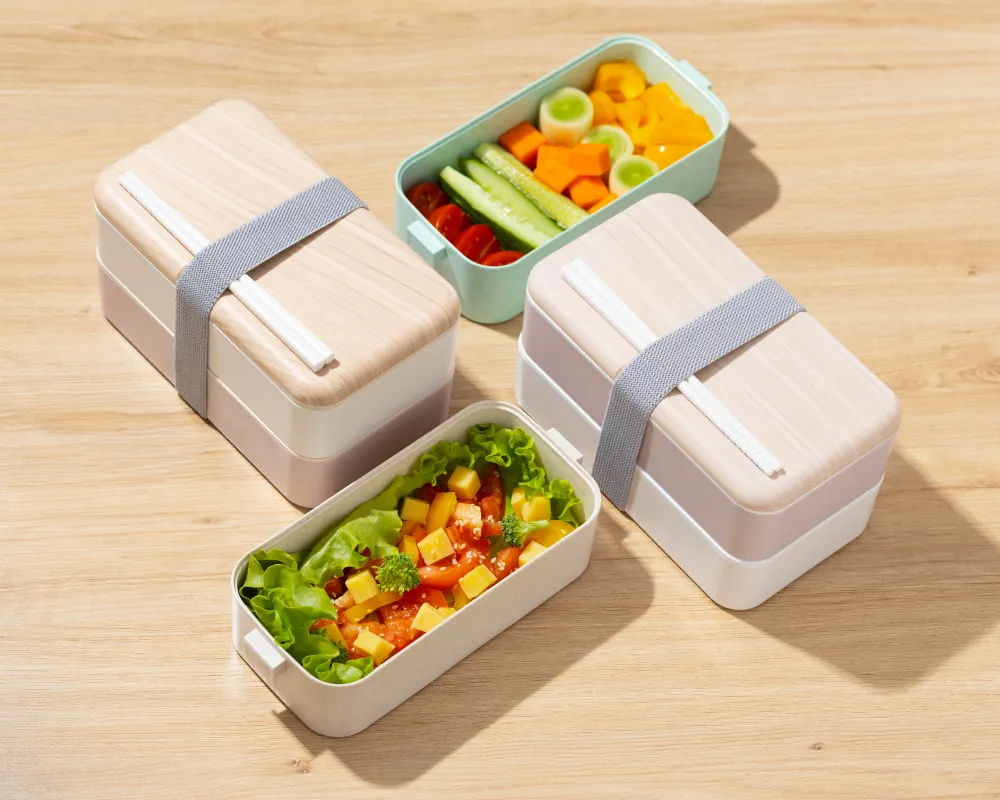
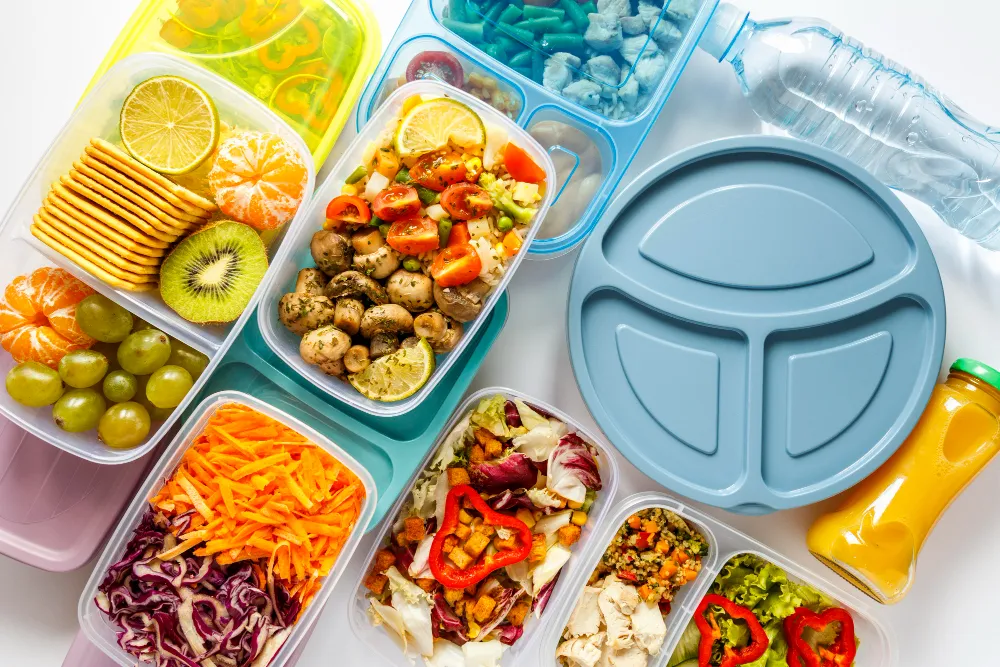
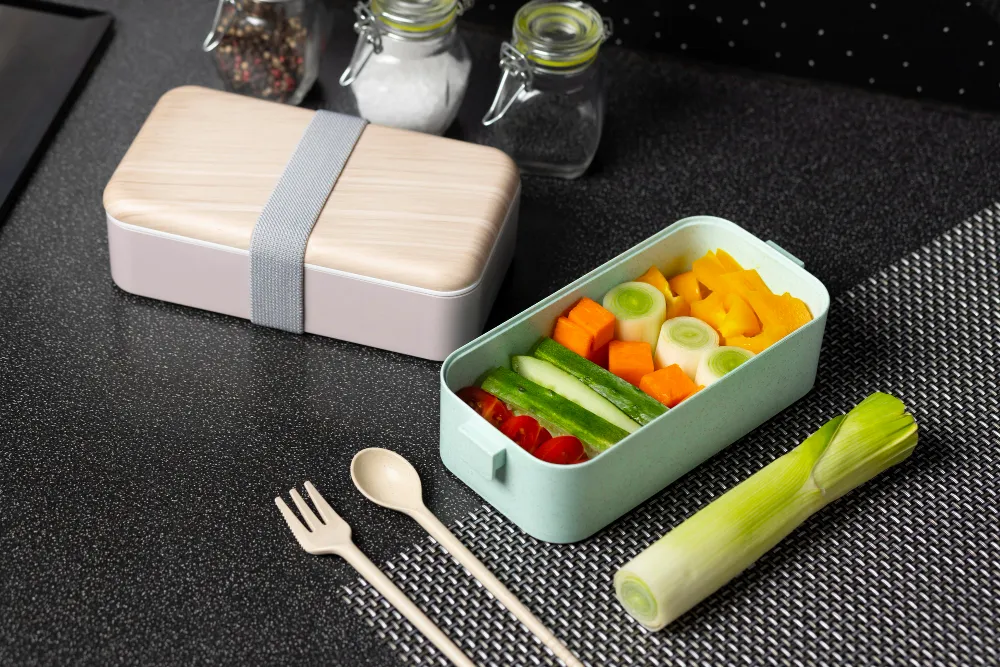
We’ve observed businesses transitioning to reusable alternatives achieve payback periods of 3-8 months. A quality reusable water bottle costs $15-30 but replaces 500+ disposable bottles over its lifetime. Reusable food containers eliminate daily packaging waste while reducing catering costs by 25-35% when employees bring meals from home.
The math is straightforward. Calculate your monthly spend on disposables, compare it against the one-time investment in quality reusables, and factor in durability ratings. Most businesses discover savings within the first quarter.
Environmental Impact Beyond the Marketing Pitch
Switching from disposable to reusable products prevents an average of 1,200 single-use items per person annually from entering waste streams. The production footprint matters too. Manufacturing one reusable stainless steel bottle requires more initial resources than producing a single plastic bottle, but after 15 uses, the reusable option becomes environmentally superior across all metrics: carbon emissions, water consumption, and resource extraction.
Businesses implementing certified eco-products report measurable reductions in waste management costs and improved compliance with Singapore’s Resource Sustainability Act.
Material Choices Create Different Outcomes
Not all reusable products deliver equal sustainability value. Understanding material trade-offs helps you make informed procurement decisions. For corporate gifting and employee programs, comparing options like rPET vs organic cotton reveals surprising nuances in lifecycle impact.
Smart Material Selection Guide:
- Stainless steel: Exceptional durability for drinkware and food containers, fully recyclable at end-of-life
- Bamboo fiber: Lightweight, compostable, ideal for cutlery and lunchboxes
- Recycled plastics (rPET): Lower virgin resource use, good for bags and promotional items
- Glass: Non-reactive, premium feel, perfect for client-facing applications
Implementing Reusables in Your Workplace
Start small and scale systematically. Identify your top five disposable items by volume and cost. For most offices, this includes cups, water bottles, food packaging, shopping bags, and printing paper. Replace one category monthly to manage budget impact and build employee adoption.
Communication drives success. When you introduce reusable coffee mugs, explain both the environmental benefit and the quality improvement. Many employees discover their coffee actually tastes better in ceramic or stainless steel than in paper cups with plastic lining.
Create infrastructure that supports the change. Install dishwashers or partner with cleaning services. Designate storage areas for personal reusable items. Some forward-thinking companies even offer employees eco-friendly lifestyle gifts as onboarding packages, immediately establishing sustainability as a core value.
Addressing Common Objections
“Hygiene concerns make disposables safer.” This misconception persists despite evidence showing properly cleaned reusables meet identical safety standards. Singapore’s food safety regulations don’t mandate disposables. They mandate cleanliness, which both product types can achieve.
“We don’t have time to manage reusables.” Initial setup requires effort, but operational burden decreases quickly. Automated cleaning systems and simple storage solutions eliminate most friction. The time saved on procurement, inventory management, and waste removal often exceeds the cleaning time investment.
“Upfront costs are prohibitive.” Phase your implementation. Redirect existing disposable budgets toward reusable purchases. Most organizations achieve budget neutrality within 6-12 months while building durable asset inventory.
Making the Transition Stick
Behavior change requires both systems and culture. Systems include providing quality reusable options, making them easily accessible, and creating cleaning processes. Culture develops through leadership modeling, recognizing employee participation, and celebrating waste reduction milestones.
Track meaningful metrics. Monitor disposable product procurement spending monthly. Calculate waste volume reduction quarterly. Survey employees about satisfaction with reusable alternatives. These data points demonstrate impact and justify continued investment.
For businesses ready to formalize their commitment, exploring comprehensive eco-friendly gift options for employee recognition and client appreciation reinforces your sustainability positioning while delivering practical value.
Moving Forward
The reusable vs disposable decision becomes clearer when you examine total impact: financial, environmental, and cultural. Disposables offer convenience that comes at compounding cost. Reusables require initial investment but deliver enduring returns across multiple dimensions.
Your next step is simple. Audit one disposable category this week. Calculate the annual cost. Research quality reusable alternatives. Run a small pilot with your team. The data will guide your broader implementation strategy.
Singapore’s journey toward zero waste by 2030 requires collective action. Your choice between reusable and disposable products isn’t just about your office. It’s about the example you set, the culture you build, and the future you’re actively creating.
Frequently Asked Questions
How long do reusable products need to last to be more sustainable than disposables?
Most reusable products achieve environmental break-even after 10-50 uses, depending on the material and manufacturing process. Reusable bags need approximately 15 uses to offset their production impact compared to single-use plastic bags. Stainless steel bottles break even after 10-15 uses versus disposable plastic bottles. Quality matters significantly as longer product lifespans improve the sustainability equation exponentially.
What are the best reusable alternatives for office environments?
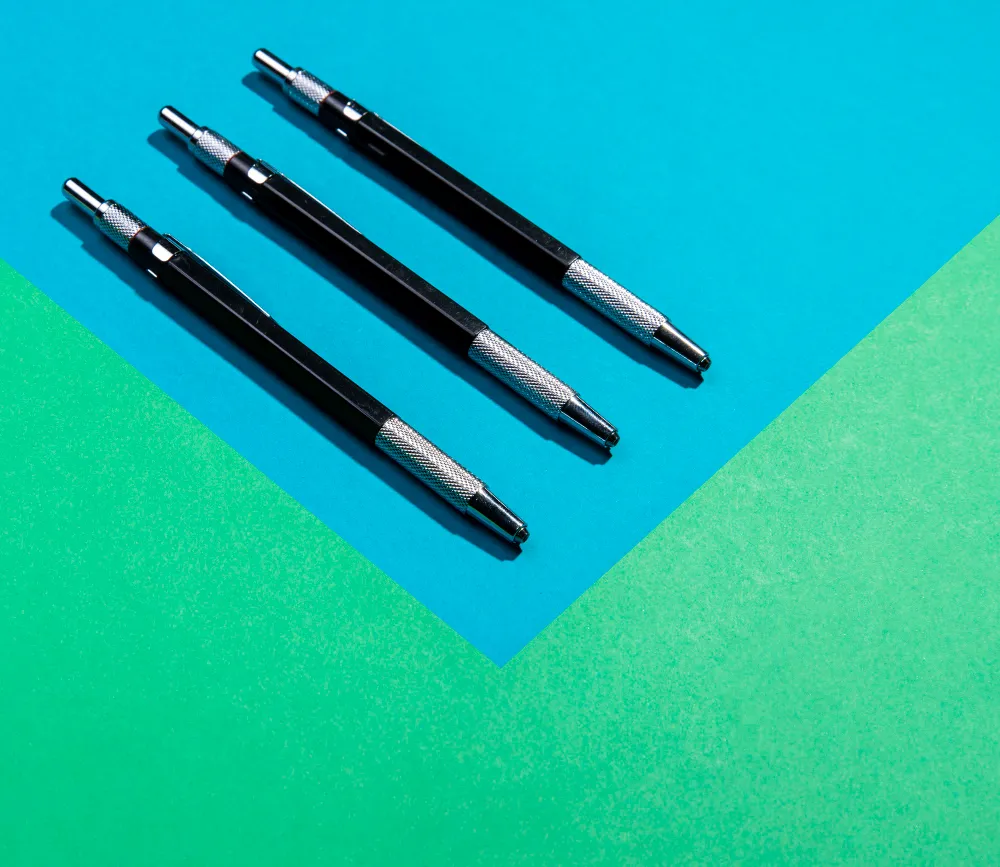
The highest-impact office switches include reusable water bottles and coffee mugs, cloth or recycled material shopping bags, refillable pens and markers, rechargeable batteries, and durable food containers for lunches and catering. These five categories typically account for 70-80% of workplace disposable waste volume and offer straightforward replacement options with minimal behavior change required.
Do reusable products actually save money for businesses?
Yes, substantially. Businesses typically see 40-60% cost reduction within the first year after switching to reusables. A 50-person office spending $200 monthly on disposable cups, cutlery, and plates can invest $1,500 in quality reusable alternatives that last 3-5 years, eliminating $2,400 in annual recurring costs. The savings compound as waste disposal fees decrease and procurement time reduces.
How do you encourage employees to adopt reusable products?
Successful adoption combines three elements: providing quality products employees actually want to use, creating convenient infrastructure like accessible dishwashers and storage, and building culture through leadership example and recognition programs. Offering personalized reusable items as welcome gifts, hosting lunch-and-learns about waste reduction, and gamifying waste reduction goals with team competitions all drive higher participation rates.
Are reusable products hygienic enough for shared office spaces?
Absolutely, when proper cleaning protocols are followed. Reusable products meet identical safety standards as disposables when washed with hot water and appropriate detergent or run through commercial dishwashers. Singapore’s food safety regulations focus on cleanliness outcomes, not product type. Many offices find dishwasher systems easier to manage than constant disposable restocking, waste removal, and pest control associated with accumulated disposable waste.