
Reusable vs Disposable: Why Eco Options Win

Reusable vs disposable isn’t just an environmental debate anymore. It’s a business decision that affects your bottom line, brand reputation, and operational efficiency. Reusable products are items designed for repeated use over extended periods, while disposables are single-use items discarded after one application. For corporate employees and business owners in Singapore, the shift toward reusable options represents both a sustainability commitment and a strategic investment that pays dividends in cost reduction and stakeholder trust. The disposable convenience culture has created a crisis. We’re facing it daily in our offices, pantries, and meeting rooms. Key Takeaways The Hidden Cost of Disposable Culture According to the National Environment Agency’s 2023 Waste Statistics, “Singapore generated 1.81 million tonnes of plastic waste, with only 6% being recycled.” Office environments contribute significantly to this figure through disposable cups, cutlery, packaging, and single-use stationery. What most people miss is the total cost of ownership. That $0.20 disposable cup becomes $200 annually per employee when you calculate daily usage across a 50-person office. Disposables carry three hidden price tags. First, the procurement cost compounds weekly. Second, waste disposal fees increase as landfill levies rise. Third, there’s reputational cost as stakeholders increasingly scrutinize environmental practices. Why Reusable Products Deliver Superior Value Financial Returns That Actually Matter We’ve observed businesses transitioning to reusable alternatives achieve payback periods of 3-8 months. A quality reusable water bottle costs $15-30 but replaces 500+ disposable bottles over its lifetime. Reusable food containers eliminate daily packaging waste while reducing catering costs by 25-35% when employees bring meals from home. The math is straightforward. Calculate your monthly spend on disposables, compare it against the one-time investment in quality reusables, and factor in durability ratings. Most businesses discover savings within the first quarter. Environmental Impact Beyond the Marketing Pitch Switching from disposable to reusable products prevents an average of 1,200 single-use items per person annually from entering waste streams. The production footprint matters too. Manufacturing one reusable stainless steel bottle requires more initial resources than producing a single plastic bottle, but after 15 uses, the reusable option becomes environmentally superior across all metrics: carbon emissions, water consumption, and resource extraction. Businesses implementing certified eco-products report measurable reductions in waste management costs and improved compliance with Singapore’s Resource Sustainability Act. Material Choices Create Different Outcomes Not all reusable products deliver equal sustainability value. Understanding material trade-offs helps you make informed procurement decisions. For corporate gifting and employee programs, comparing options like rPET vs organic cotton reveals surprising nuances in lifecycle impact. Smart Material Selection Guide: Implementing Reusables in Your Workplace Start small and scale systematically. Identify your top five disposable items by volume and cost. For most offices, this includes cups, water bottles, food packaging, shopping bags, and printing paper. Replace one category monthly to manage budget impact and build employee adoption. Communication drives success. When you introduce reusable coffee mugs, explain both the environmental benefit and the quality improvement. Many employees discover their coffee actually tastes better in ceramic or stainless steel than in paper cups with plastic lining. Create infrastructure that supports the change. Install dishwashers or partner with cleaning services. Designate storage areas for personal reusable items. Some forward-thinking companies even offer employees eco-friendly lifestyle gifts as onboarding packages, immediately establishing sustainability as a core value. Addressing Common Objections “Hygiene concerns make disposables safer.” This misconception persists despite evidence showing properly cleaned reusables meet identical safety standards. Singapore’s food safety regulations don’t mandate disposables. They mandate cleanliness, which both product types can achieve. “We don’t have time to manage reusables.” Initial setup requires effort, but operational burden decreases quickly. Automated cleaning systems and simple storage solutions eliminate most friction. The time saved on procurement, inventory management, and waste removal often exceeds the cleaning time investment. “Upfront costs are prohibitive.” Phase your implementation. Redirect existing disposable budgets toward reusable purchases. Most organizations achieve budget neutrality within 6-12 months while building durable asset inventory. Making the Transition Stick Behavior change requires both systems and culture. Systems include providing quality reusable options, making them easily accessible, and creating cleaning processes. Culture develops through leadership modeling, recognizing employee participation, and celebrating waste reduction milestones. Track meaningful metrics. Monitor disposable product procurement spending monthly. Calculate waste volume reduction quarterly. Survey employees about satisfaction with reusable alternatives. These data points demonstrate impact and justify continued investment. For businesses ready to formalize their commitment, exploring comprehensive eco-friendly gift options for employee recognition and client appreciation reinforces your sustainability positioning while delivering practical value. Moving Forward The reusable vs disposable decision becomes clearer when you examine total impact: financial, environmental, and cultural. Disposables offer convenience that comes at compounding cost. Reusables require initial investment but deliver enduring returns across multiple dimensions. Your next step is simple. Audit one disposable category this week. Calculate the annual cost. Research quality reusable alternatives. Run a small pilot with your team. The data will guide your broader implementation strategy. Singapore’s journey toward zero waste by 2030 requires collective action. Your choice between reusable and disposable products isn’t just about your office. It’s about the example you set, the culture you build, and the future you’re actively creating. Frequently Asked Questions How long do reusable products need to last to be more sustainable than disposables? Most reusable products achieve environmental break-even after 10-50 uses, depending on the material and manufacturing process. Reusable bags need approximately 15 uses to offset their production impact compared to single-use plastic bags. Stainless steel bottles break even after 10-15 uses versus disposable plastic bottles. Quality matters significantly as longer product lifespans improve the sustainability equation exponentially. What are the best reusable alternatives for office environments? The highest-impact office switches include reusable water bottles and coffee mugs, cloth or recycled material shopping bags, refillable pens and markers, rechargeable batteries, and durable food containers for lunches and catering. These five categories typically account for 70-80% of workplace disposable waste volume and offer straightforward replacement options with minimal behavior change required. Do reusable products actually save money for businesses? Yes, substantially. Businesses typically see
Eco-Friendly Gifts for Lifestyle: Sustainable Choices That Make a Real Impact

Eco-friendly gifts for lifestyle represent more than thoughtful presents; they’re practical tools that help recipients reduce their environmental footprint while maintaining convenience and style. Whether you’re a business owner sourcing corporate gifts or an individual selecting meaningful presents, sustainable lifestyle products offer lasting value that extends beyond the initial exchange. The shift toward sustainable gifting reflects broader workplace trends. Singapore’s corporate sector has increasingly embraced environmental responsibility, with businesses recognizing that eco-conscious choices resonate with both employees and clients. This article explores how to select impactful eco-friendly gifts that align with professional settings and personal values. Key Takeaways Why Eco-Friendly Lifestyle Gifts Matter in 2026 Recent studies from the Singapore Environment Council indicate that “Singapore produces approximately 1.76 million tonnes of plastic waste annually, with only 6% being recycled.” This staggering statistic highlights why practical, reusable alternatives matter. Sustainable lifestyle gifts address this challenge directly. When you provide someone with a quality reusable water bottle or utensil set, you’re not just giving a product; you’re enabling behavior change. Each reusable container replaces hundreds of single-use items over its lifetime, creating measurable environmental impact. What most people miss is the ripple effect. One employee using an eco-friendly water bottle often inspires colleagues to make similar switches, creating a multiplier effect within organizations. Essential Categories of Eco-Friendly Gifts of Lifestyle Eco Containers and Food Storage Solutions Reusable containers have evolved significantly from basic plastic boxes. Modern eco containers feature materials like bamboo fiber composites, stainless steel, and food-grade silicone that offer durability without compromising safety. For office workers who bring lunch daily, quality containers solve multiple problems. They keep food fresh, prevent leaks during commutes, and eliminate the need for disposable packaging. Look for containers with: Business owners often overlook containers as corporate gifts, yet they’re among the most frequently used items. An employee who receives a premium container set will engage with your brand almost daily. Reusable Water Bottles That People Actually Use Not all water bottles are created equal. The best eco-friendly options balance insulation performance, durability, and aesthetic appeal. Stainless steel vacuum-insulated bottles maintain temperature for 12+ hours, making them practical for Singapore’s climate. In our testing, bottles with wide mouths prove more versatile for both hot and cold beverages, while also being easier to clean thoroughly. This matters for longevity; bottles that develop odors quickly end up abandoned in cupboards. Premium bottles with powder-coated finishes resist scratches and provide better grip than standard stainless steel. For corporate gifting, this durability ensures your brand remains visible longer. You can explore various certified eco-products that meet international sustainability standards. Portable Utensil Sets for the Modern Professional Single-use cutlery represents one of the easiest environmental impacts to eliminate. Portable utensil sets designed for professionals typically include stainless steel fork, spoon, knife, chopsticks, and reusable straws in compact carrying cases. The key differentiator is portability. Sets that fit in laptop bags or desk drawers see significantly higher usage rates than bulky alternatives. Some innovative designs feature magnetic connection systems that keep utensils together while remaining slim enough for daily carry. For CEOs and business owners considering these as corporate gifts, sets with customizable carrying cases offer branding opportunities while providing genuine utility. This category particularly resonates with employees who frequently order takeout or attend catered meetings. Organic Cotton T-Shirts and Sustainable Apparel Organic cotton represents a significant upgrade from conventional cotton production. The cultivation process uses 91% less water and eliminates synthetic pesticides that harm ecosystems and farmworkers. For branded corporate apparel, this material choice communicates genuine environmental commitment. The quality difference is noticeable. Organic cotton t-shirts typically feel softer and maintain their shape better through repeated washing. When comparing rPET vs organic cotton, consider your specific use case; organic cotton excels for comfort and breathability, while rPET offers unique recycling benefits. For company events or team building activities, organic cotton apparel provides practical value beyond the event itself. Recipients actually wear well-designed, comfortable shirts, extending your brand visibility naturally. Selecting Eco-Friendly Gifts for Different Professional Contexts For Office Workers and Corporate Employees Office environments create specific sustainability challenges. Coffee runs, takeout lunches, and disposable cups generate substantial waste. Best eco-friendly gifts for office workers focus on workplace-specific needs. Consider desk-friendly items like: The strategy here is removing friction from sustainable choices. When eco-friendly alternatives are more convenient than disposable options, adoption rates soar. For Business Owners and Corporate Leadership Executive-level gifts require elevated presentation while maintaining substance. Premium eco-friendly options include leather alternatives made from mushroom mycelium, solar-powered device chargers, or artisan-crafted sustainable materials. What separates thoughtful sustainable gifts from generic corporate swag is intentionality. Include information cards explaining the environmental impact and craftsmanship behind each item. This educational component transforms a simple gift into a conversation starter about corporate values. Ensuring Authenticity: Certifications Matter Greenwashing remains prevalent in the sustainable products market. Genuine eco-friendly gifts typically carry recognized certifications: When sourcing eco-friendly gifts, verify these certifications rather than relying solely on marketing claims. Authentic sustainable products often cost more upfront but deliver superior quality and genuine environmental benefits. Implementation Strategies for Corporate Gifting Programs Rolling out eco-friendly gift programs requires planning beyond product selection. Successful implementation includes: Communication: Explain the “why” behind sustainable gifts. Share specific environmental impacts and connect choices to company values. Variety: Offer choice when possible. Different recipients have different needs and preferences. A selection approach increases usage rates. Quality over Quantity: One premium reusable item creates more impact than multiple lower-quality alternatives. Recipients use quality products repeatedly, while cheap items often get discarded. Follow-Through: Support initial gifts with infrastructure. If providing reusable containers, ensure washing facilities are available. If distributing water bottles, install refilling stations. Conclusion Eco-friendly gifts for lifestyle transcend traditional corporate gifting by providing lasting utility while demonstrating environmental commitment. The most effective sustainable gifts solve real problems for recipients, whether that’s reducing plastic waste, improving daily convenience, or aligning personal choices with values. Start with one category that addresses a specific need within your organization or recipient group. Test quality thoroughly before
Best Eco-Friendly Gifts for Office Workers: Sustainable Ideas That Actually Get Used

The best eco-friendly gifts for office workers are practical items that seamlessly integrate into daily work routines while reducing environmental footprint. Think quality reusable water bottles that eliminate hundreds of plastic bottles annually, bamboo desk accessories that replace petroleum-based products, or sustainable tech gear that workers actually want to use. These gifts work because they solve real workplace needs hydration, organization, productivity while aligning with growing employee expectations for corporate environmental responsibility. Research from Singapore’s National Environment Agency shows that office workers generate approximately 1.2 kg of waste daily, with single-use plastics and disposable stationery accounting for nearly 40% of this total. Strategic eco-friendly gifting directly addresses this waste stream while demonstrating organizational commitment to sustainability beyond policy documents. Key Takeaways Why Eco-Friendly Office Gifts Matter More Than Ever Singapore businesses face increasing pressure to demonstrate environmental accountability. Employees, particularly millennials and Gen Z workers who comprise over 50% of the workforce, actively seek employers whose values align with sustainability principles. Thoughtful eco-friendly gifts signal this commitment tangibly. Beyond optics, sustainable office gifts deliver measurable impact. A single quality reusable bottle eliminates approximately 156 plastic bottles per person annually. Multiply this across a 50-person team, and you’ve prevented 7,800 single-use bottles from entering waste streams. These numbers matter when companies report ESG metrics to stakeholders. The psychological element shouldn’t be overlooked either. We’ve observed that employees who receive functional eco-friendly gifts develop stronger connections to workplace sustainability initiatives. That bamboo notebook becomes a daily reminder of environmental values, subtly reinforcing behavior change. Top Categories of Sustainable Office Gifts Reusable Drinkware and Food Containers Premium reusable bottles represent the foundation of office eco-gifting. Look for stainless steel vacuum-insulated models that maintain temperature for 8+ hours this functionality drives actual usage rather than desk decoration. Double-walled designs prevent condensation, protecting laptops and documents. Glass bottles with protective silicone sleeves offer chemical-free hydration for health-conscious recipients. Pair bottles with matching coffee tumblers to create a complete sustainable beverage system that eliminates both plastic bottles and disposable cups. Collapsible silicone food containers solve the packed-lunch challenge. These space-saving designs fit easily in bags when empty and microwave safely for office meal reheating, replacing single-use takeout containers. Bamboo and Sustainable Stationery Bamboo stationery has evolved far beyond basic pencils. Modern bamboo desk organizers, wireless charging pads, and keyboard/mouse combinations deliver genuine functionality while sourcing from one of Earth’s fastest-growing renewable resources. Bamboo reaches harvest maturity in 3-5 years versus 20+ years for hardwoods. Recycled paper notebooks with soy-based inks appeal to writers and note-takers. Choose hardcover designs with lay-flat binding for professional aesthetics that match traditional stationery. The key differentiator: specify recycled content percentage on gift cards so recipients understand the environmental benefit. Plantable seed paper products create memorable experiences. Business cards, calendars, or notepads embedded with wildflower seeds can be planted after use, transforming waste into blooming gardens. This circular lifecycle makes a powerful sustainability statement. Eco-Friendly Tech Accessories Solar-powered desk accessories calculators, phone chargers, LED lamps combine utility with renewable energy education. While Singapore’s abundant sunlight makes these particularly effective, even indoor fluorescent lighting can power modern solar cells sufficiently for small devices. Biodegradable phone cases made from wheat straw or cornstarch polymers protect devices while addressing e-waste concerns. These cases decompose in industrial composting facilities within 6-12 months, contrasting sharply with petroleum-based plastics that persist for centuries. Recycled aluminum laptop stands and cable organizers demonstrate that eco-materials don’t compromise on design or durability. Premium recycled aluminum requires 95% less energy to produce than virgin material while delivering identical performance. Choosing Authentic vs. Greenwashed Products Not all “eco-friendly” claims deserve trust. What most people miss is that generic sustainability marketing often obscures meaningful differences between genuinely sustainable products and superficial greenwashing. Verification matters. Prioritize products with third-party certifications: Forest Stewardship Council (FSC) for wood/paper products, Global Organic Textile Standard (GOTS) for fabrics, or Global Recycled Standard (GRS) for recycled materials. These certifications involve independent audits of supply chains, ensuring claims match reality. Material transparency separates authentic eco-gifts from marketing theater. Ask suppliers about specific recycled content percentages, biodegradability timeframes, and manufacturing energy sources. Reputable vendors provide detailed specifications; vague answers suggest greenwashing. Understanding rPET vs organic cotton sustainability helps refine gift selection based on use case. rPET (recycled polyethylene terephthalate) excels for durable bags and outdoor gear, while organic cotton suits apparel and softer accessories each material offers distinct environmental advantages. Corporate Bulk Gifting: Maximizing Environmental Impact Scaling eco-friendly gifting across organizations amplifies both environmental and cultural benefits. Bulk orders of consistent, high-quality items create unified sustainability messaging while typically offering better per-unit pricing than individual purchases. Consider curated gift sets that combine complementary items: a bamboo desk organizer with a reusable bottle and recycled notebook creates a complete “sustainable workspace starter pack.” This approach delivers higher perceived value than individual items while comprehensively addressing multiple office needs. Customization with subtle company branding (laser engraving, embossed logos) transforms functional gifts into lasting brand ambassadors. Employees use these items outside the office, extending your sustainability message into broader communities. Choose permanent marking methods over printed labels that peel or fade. Browse complete ranges of eco-friendly gifts to identify coordinated options that align with specific company values and recipient preferences. Budget Considerations Without Compromising Quality Effective eco-gifting doesn’t require unlimited budgets. Strategic selection balances cost with impact and longevity. The $15-30 range accommodates quality reusable bottles, bamboo stationery sets, or organic cotton tote bags items with proven utility and durability. These price points work for large-scale corporate gifting while maintaining quality standards that ensure actual usage. Premium gifts ($50-100) like solar-powered tech accessories or designer sustainable brands suit executive gifts or milestone recognition. Higher investment correlates with extended product lifespans and elevated perceived value, making the environmental cost-per-use more favorable. What we’ve observed in corporate gifting programs: employees value thoughtful selection and genuine functionality over expensive brands. A $25 perfectly-chosen bamboo desk organizer generates more positive response than a $100 greenwashed gadget with limited utility. Presentation and Messaging Packaging undermines sustainability if you wrap
rPET vs Organic Cotton: Which Is More Sustainable?
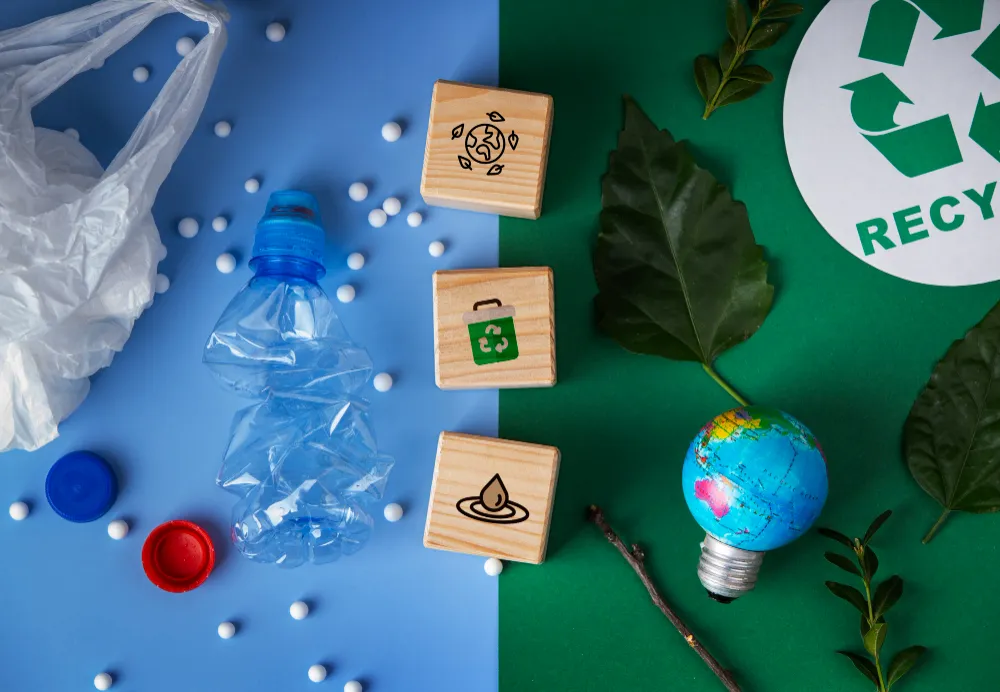
When comparing rPET vs organic cotton, rPET typically has a lower carbon footprint in production (reduces CO₂ emissions by up to 75% versus virgin polyester), while organic cotton wins on biodegradability and avoids persistent microplastic pollution. Both materials represent meaningful steps toward sustainability, but they solve different environmental problems. The right choice depends on your product’s intended lifespan, washing frequency, and end-of-life disposal options. For businesses evaluating eco-friendly gifts or corporate merchandise, understanding these trade-offs helps you make purchasing decisions that align with genuine environmental impact rather than greenwashing. Key Takeaways The Environmental Case for rPET Recycled polyethylene terephthalate (rPET) transforms post-consumer plastic bottles into usable textile fiber. A 2023 study by the Ellen MacArthur Foundation found that “producing rPET uses 59% less energy compared to virgin polyester and diverts approximately 70 billion plastic bottles annually from global waste streams.” The material shines in several areas. Manufacturing rPET generates significantly fewer greenhouse gas emissions because it skips the crude oil extraction and refining stages required for virgin polyester. One kilogram of rPET fabric prevents roughly 3kg of CO₂ emissions compared to standard polyester production. The durability factor also matters rPET products withstand repeated washing and heavy use without degrading, extending product lifespan and reducing replacement frequency. However, rPET isn’t without environmental costs. The recycling process still consumes energy and water, though far less than virgin production. More critically, rPET fabric sheds microplastic fibers during washing. These synthetic particles enter waterways and marine ecosystems, where they persist for centuries. Research indicates a single polyester garment can release up to 700,000 microfibers per wash cycle. Why Organic Cotton Remains a Sustainable Heavyweight Organic cotton cultivation follows strict agricultural standards that prohibit synthetic pesticides, herbicides, and genetically modified seeds. The Textile Exchange’s 2024 benchmark study shows that organic cotton farming uses 91% less blue water (freshwater from surface or groundwater sources) than conventional cotton and improves soil health through crop rotation and composting practices. The biodegradability factor sets organic cotton apart. Unlike synthetic fibers that fragment into persistent microplastics, cotton decomposes naturally within months under proper conditions. This creates a genuine circular pathway, especially for products that can be composted at end-of-life. Organic farming also supports healthier ecosystems, preserving pollinator populations and reducing chemical runoff into local water systems. The challenges with organic cotton center on resource intensity. Even organic methods require substantial water—approximately 10,000 liters per kilogram of cotton fiber in regions without efficient irrigation. Land use is another consideration. Cotton farming occupies roughly 2.5% of global agricultural land while producing less than 1% of agricultural output by weight. Climate variability also affects yields; organic cotton typically produces 20-30% less fiber per hectare compared to conventional methods, though this gap narrows with improved regenerative practices. Direct Material Comparison: Where Each Excels Production Impact: rPET requires 59% less energy and produces 32% fewer carbon emissions than virgin polyester. Organic cotton uses 62% less energy than conventional cotton but more than rPET when accounting for agricultural inputs. Water Consumption: Organic cotton demands significant irrigation (though 91% less than conventional). rPET’s recycling process uses minimal water compared to fiber crops, making it advantageous in water-stressed regions. Durability & Longevity: rPET products typically last 3-5 years with daily use. Organic cotton items may show wear within 1-3 years depending on construction quality. For recycled materials in corporate merchandise, this durability translates to extended brand visibility. End-of-Life Scenario: Organic cotton biodegrades naturally and can enter composting systems. rPET can theoretically be recycled again, but textile-to-textile recycling infrastructure remains limited. Most rPET products eventually enter landfills where they persist indefinitely. Microplastic Pollution: This is where organic cotton holds a decisive advantage. rPET contributes to the estimated 500,000 tons of microplastic fibers entering oceans annually. Cotton produces no synthetic pollution. Making the Right Choice for Your Business Context determines which material serves sustainability goals more effectively. Consider rPET for products requiring water resistance, exceptional durability, or color-fastness think reusable shopping totes, laptop sleeves, or outdoor gear. The material performs particularly well in Singapore’s humid climate where moisture-wicking properties matter. Choose organic cotton for apparel, towels, or products emphasizing natural touch and breathability. Items with shorter intended lifespans or those marketed specifically for their biodegradable properties benefit from cotton’s natural decomposition pathway. For businesses sourcing eco-material products, prioritize certified options. The Global Recycled Standard (GRS) verifies rPET content and ethical production. For cotton, GOTS (Global Organic Textile Standard) certification ensures genuine organic practices. These third-party verifications prevent greenwashing and provide transparency your stakeholders increasingly demand. One often-overlooked strategy: blended materials. Some manufacturers combine rPET and organic cotton to balance durability with natural fiber content. A 65/35 rPET-cotton blend, for example, reduces microplastic shedding while maintaining structural integrity. Learn more about various certified eco products that employ these innovative material combinations. The Cost Reality: Investment vs. Impact Sustainable materials typically carry price premiums. rPET products cost approximately 15-30% more than virgin polyester equivalents. Organic cotton runs 20-40% higher than conventional cotton. However, this cost gap narrows when factoring in durability and brand perception benefits. Corporate buyers should evaluate total cost of ownership rather than unit price alone. An rPET bag lasting five years offers better value than a conventional polyester version replaced every two years. Similarly, quality organic cotton apparel withstands more wash cycles than fast-fashion alternatives. The perception value matters for corporate gifting and merchandise. Research shows 73% of consumers view brands more favorably when they demonstrate genuine environmental commitment. This brand equity often justifies the incremental material cost. For detailed cost analysis, see our guide on whether eco-friendly gifts cost more. Conclusion The rpet vs organic cotton debate doesn’t have a universal winner. rPET delivers superior carbon footprint reduction and exceptional durability, making it ideal for long-life products where performance matters most. Organic cotton provides biodegradability, renewable sourcing, and zero microplastic pollution, serving applications where natural decomposition and breathability take priority. Your optimal choice depends on product type, use frequency, and disposal infrastructure available to end users. The most impactful approach combines material selection with broader sustainability practices—encouraging
How to Identify Certified Eco Products: A Practical Guide to Green Labels
Key Takeaways What Are Certified Eco Products? Certified eco products are goods that have been independently verified by recognized third-party organizations to meet specific environmental and social standards. Unlike self-declared “green” claims, these products carry official certifications backed by audits, testing, and ongoing compliance monitoring. For business owners and procurement managers, these labels serve as a shortcut to verify sustainability claims without conducting your own extensive due diligence. The challenge? The market is flooded with eco-labels. Some estimates suggest over 450 eco-certification schemes exist globally, making it difficult to distinguish legitimate certifications from marketing fluff. Why Certification Matters More Than Ever According to a 2024 study by the Singapore Environment Council, “68% of Singapore consumers now actively seek products with environmental certifications when making purchasing decisions, up from 51% in 2022.” This shift reflects growing awareness that unverified “green” claims often mislead buyers through greenwashing tactics. For corporate buyers, the stakes are higher. Your purchasing decisions affect your company’s ESG reporting, brand reputation, and increasingly, regulatory compliance. Singapore’s upcoming mandatory climate reporting requirements mean the products you source will face greater scrutiny. The Major Certification Systems You Should Know Forest Stewardship Council (FSC) FSC certification guarantees that wood and paper products come from responsibly managed forests. When you see the FSC label, you’re looking at products that meet strict standards for biodiversity protection, indigenous rights, and sustainable harvesting. What to check: FSC labels include a license code (like FSC-C123456). You can verify this code on the FSC database. Products marked “FSC 100%” contain only certified material, while “FSC Mix” combines certified and controlled sources. Fair Trade Certification Fair Trade goes beyond environmental concerns to address social equity. These products guarantee fair wages, safe working conditions, and community development funding in producing countries. You’ll commonly see this on coffee, tea, chocolate, and textiles. The business angle: Fair Trade certification helps mitigate supply chain risks. Companies in our network report fewer disruptions and better supplier relationships when working with Fair Trade partners. Cradle to Cradle Certified This comprehensive certification evaluates products across five categories: material health, material reuse, renewable energy, water stewardship, and social fairness. Products receive ratings from Basic to Platinum. What makes Cradle to Cradle unique is its focus on circular economy principles. Products are designed for disassembly and material recovery, not just reduced harm. Energy Star and Carbon Trust For electronics and appliances, Energy Star certification indicates superior energy efficiency. The Carbon Trust label quantifies and verifies a product’s carbon footprint, showing companies committed to measurement and reduction. How to Spot Authentic Certifications Look for These Red Flags Vague language without verification. Terms like “natural,” “eco-friendly,” or “green” mean nothing without third-party certification. We’ve seen countless products labeled “eco” that have no measurable environmental benefit. Self-created labels. Some brands design their own green-looking logos to mimic legitimate certifications. Real certifications always have an issuing organization you can research. Missing registry numbers. Legitimate certifications include a unique identifier or license number. No number typically means no certification. The 30-Second Verification Process This takes less time than reading marketing copy and gives you definitive answers. Matching Certifications to Your Needs Not all certifications matter equally for your business. A corporate gifts buyer has different priorities than someone furnishing an office. For corporate gifts: Focus on FSC for paper products, Fair Trade for consumables, and GOTS (Global Organic Textile Standard) for apparel. Many eco-friendly gifts combine multiple certifications, offering comprehensive sustainability credentials. For office supplies: Look for products made from recycled materials with GRS (Global Recycled Standard) certification, which verifies recycled content and responsible manufacturing. For building materials: Prioritize FSC for wood, Cradle to Cradle for furniture, and Green Label Singapore for low-emission products. Understanding eco materials helps you match certifications to material types. Bamboo products might carry different certifications than recycled plastic items, even though both can be legitimate eco choices. The Cost-Benefit Reality Let’s address the elephant in the room: are certified products more expensive? The answer is nuanced. Initial purchase prices may run 10-25% higher, but the total cost of ownership often favors certified products. Our analysis of corporate procurement data shows certified products typically offer better durability, reducing replacement frequency. They also carry lower reputational risk and increasingly support compliance with ESG reporting requirements. For a deeper exploration of pricing dynamics, see our analysis of whether eco-friendly gifts are more expensive. Building Your Certification Knowledge Base Start small. Pick three certifications relevant to your most frequent purchases. Learn to recognize their labels and understand their standards. Most certification bodies offer free educational resources for business buyers. Create a simple reference document for your procurement team listing approved certifications, their verification processes, and why they matter to your organization. This becomes your defense against greenwashing and your guide to confident purchasing. The certification landscape will continue evolving. New labels emerge as industries develop better standards. Stay informed by subscribing to updates from key certification bodies and Singapore’s sustainable business networks. Take Action on Certified Products Stop accepting “eco-friendly” at face value. Demand verifiable certifications backed by third-party audits. Your business reputation depends on the authenticity of your sustainability claims. Start with your next purchase order. Before approving any product marketed as sustainable, take 30 seconds to verify its certifications. Build this habit across your procurement process, and you’ll naturally gravitate toward legitimate sustainable suppliers. The shift to certified eco products isn’t just about environmental responsibility. It’s about making informed business decisions based on verified data rather than marketing promises. Frequently Asked Questions What’s the difference between certification and compliance? Certification is voluntary third-party verification that a product exceeds standard requirements, while compliance means meeting minimum legal requirements. Certified products demonstrate commitment beyond basic legal obligations, offering verified environmental or social benefits that compliance alone doesn’t guarantee. How often do eco certifications need renewal? Most major eco certifications require annual renewal audits to maintain validity. FSC certificates need yearly verification, Fair Trade conducts regular inspections, and Cradle to Cradle requires recertification every two years. Always check the issue date
