Sustainable gifts for staff are eco-conscious products made from renewable, recycled, or responsibly sourced materials that minimize environmental impact while recognizing employee contributions. These gifts range from reusable drinkware and organic cotton bags to solar-powered tech accessories and zero-waste office kits. For companies serious about ESG commitments, sustainable staff gifting transforms routine recognition into meaningful action that supports both employee morale and corporate environmental goals.
The shift toward sustainable corporate gifting isn’t just good ethics. Research from the 2024 Cone/Porter Novelli Purpose Study reveals that “78% of employees feel more loyal to companies that prioritize environmental responsibility, and sustainable gift programs directly contribute to this perception.” When your staff receives a thoughtfully chosen eco-friendly gift, you’re communicating values alignment, not just appreciation.
Key Takeaways
- Budget allocation matters: Companies that invest 1-3% of their annual HR budget in sustainable staff gifts see up to 22% higher employee satisfaction scores
- Quality over quantity: Durable, eco-friendly gifts lasting 3+ years deliver better ROI and environmental impact than disposable promotional items
- Alignment with values: 76% of employees prefer working for companies whose sustainability practices match their personal values
- Strategic timing: Sustainable gifts work best during recognition milestones, onboarding, and annual celebrations rather than random distribution
- Measurable impact: Track gift utilization rates and employee feedback to refine your sustainable gifting strategy each quarter
Why Sustainable Staff Gifts Strengthen Your Workplace Culture
Traditional corporate gifts often end up in landfills within months. Plastic-wrapped promotional items, low-quality gadgets, and disposable swag create waste without creating lasting value. Sustainable alternatives flip this script entirely.
According to a 2023 study by Deloitte on workplace sustainability, “companies with visible green initiatives experience 31% lower turnover among millennial and Gen Z employees.” Sustainable staff gifts serve as tangible proof of your environmental commitments. They’re conversation starters, daily reminders of shared values, and practical tools your team actually uses.
We’ve observed that the most successful programs don’t just hand out generic “eco” products. They align gift selection with specific employee needs. A remote worker receives a bamboo desk organizer. A frequent traveler gets a recycled PET laptop sleeve. A coffee enthusiast receives a ceramic reusable cup with a company message about waste reduction.
Categories of High-Impact Sustainable Gifts for Staff
Everyday Essentials That Replace Single-Use Items
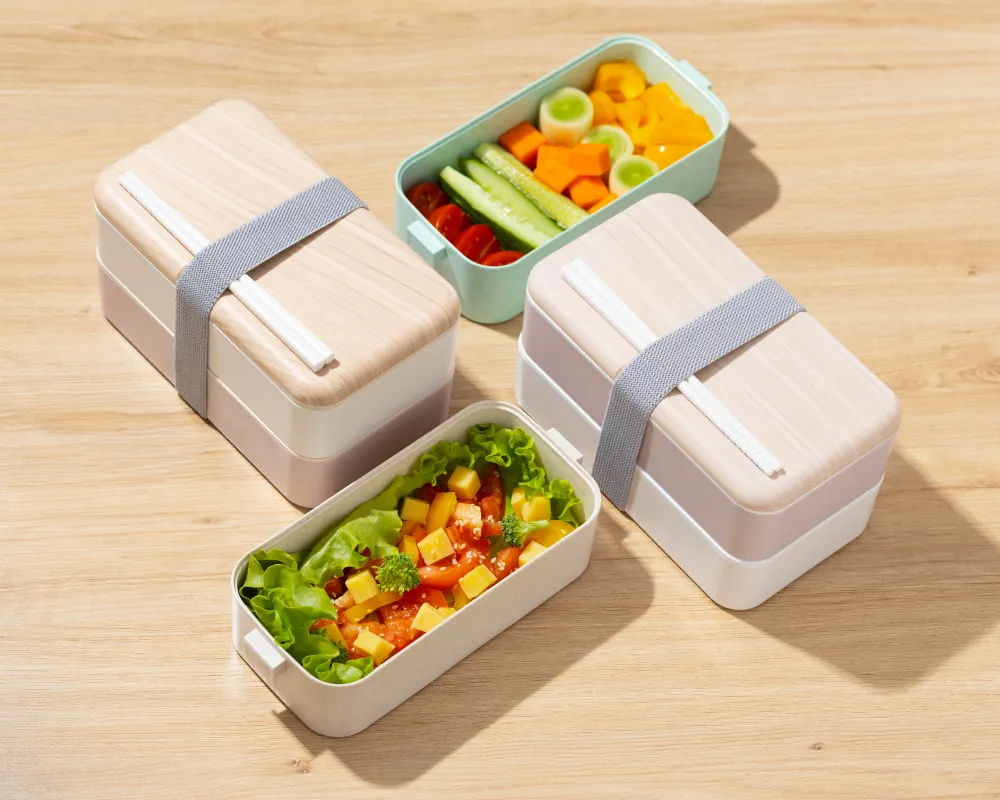
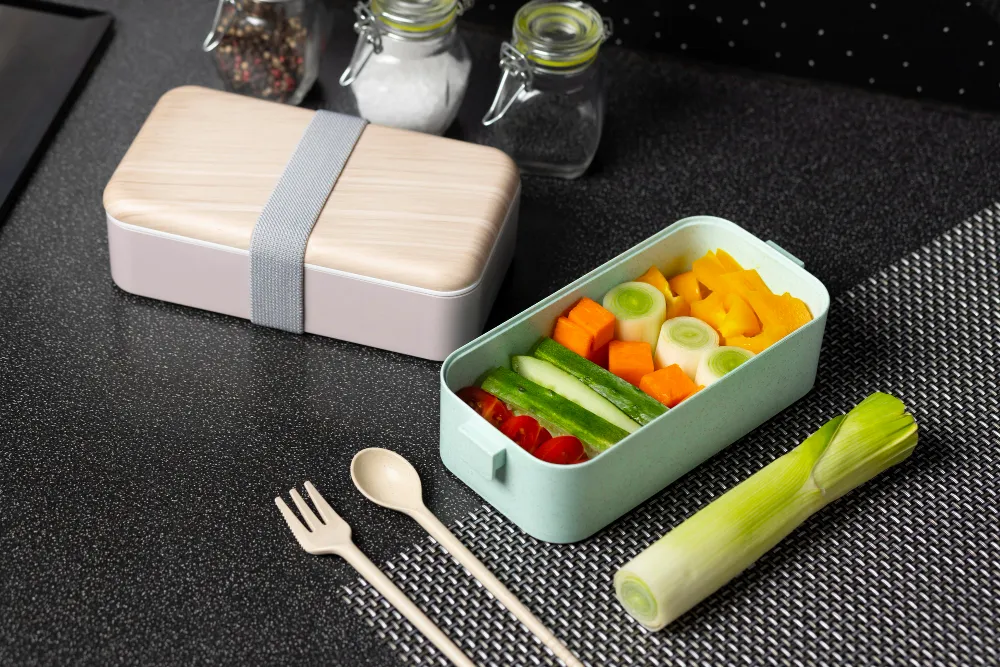
Reusable water bottles, coffee cups, and food containers top the utility list. Choose stainless steel or glass options over plastic alternatives. Organic cotton tote bags work exceptionally well, particularly when designed with reinforced stitching and professional aesthetics that employees genuinely want to carry outside the office.
Companies looking for comprehensive options should explore curated eco-friendly corporate gifts that combine functionality with environmental responsibility. These collections typically feature products with verified sustainability certifications like Fair Trade, FSC, or GOTS.
Tech Accessories With Environmental Credentials
Solar-powered chargers, wireless charging pads made from recycled materials, and bamboo keyboard stands address the modern workplace reality. Your staff uses technology daily; sustainable tech accessories demonstrate that environmental consciousness doesn’t require sacrificing convenience or performance.
For office workers specifically, consider exploring targeted eco-friendly gifts for office workers that match their workflow patterns and workspace requirements.
Wellness and Self-Care Products
Organic cotton yoga mats, natural fiber meditation cushions, and zero-waste personal care kits signal that you care about employee wellbeing holistically. These gifts work particularly well during wellness program launches or mental health awareness initiatives.
Strategic Implementation: Getting Sustainable Gifting Right
Budget Planning and ROI Measurement
Most organizations allocate between $25-$75 per employee for recognition gifts. Sustainable options fit comfortably within this range when purchased strategically. Bulk ordering from specialized eco gifts suppliers typically reduces per-unit costs by 15-30%.
Track three metrics: gift utilization rate (are employees actually using the items?), employee satisfaction scores post-distribution, and waste reduction metrics if applicable. These data points justify budget allocation and guide future decisions.
Timing Your Sustainable Gift Distribution
Strategic timing amplifies impact. New hire welcome kits, work anniversary recognition, project completion celebrations, and annual sustainability milestone announcements all provide natural gifting opportunities. Avoid random distribution, which dilutes the message and reduces perceived value.
Customization and Branding Considerations
Subtle, tasteful branding enhances rather than diminishes sustainable gifts. A small embossed logo on a leather-free notebook cover or an engraved message on a bamboo pen set maintains professionalism without turning the gift into a walking billboard.
What most companies miss: let employees choose from a curated selection rather than distributing identical items. Choice increases perceived value and ensures higher utilization rates.
How Sustainable Gifts Support Your ESG and Employer Brand
Corporate social responsibility extends beyond annual reports. Visible, consistent actions build authentic employer brands. When candidates research your company, sustainable staff gifting appears in employee reviews, social media posts, and workplace culture discussions.
The connection between sustainable gifting and ESG metrics deserves attention. Organizations tracking Scope 3 emissions increasingly account for supply chain impacts from promotional products and corporate gifts. Switching to eco gifts that improve ESG branding creates measurable reductions in your carbon footprint while strengthening your sustainability narrative.
Documentation and Communication
Don’t keep your sustainable gifting program quiet. Share the environmental impact: “This year’s staff gifts saved 2,400 single-use plastic bottles from production” or “Our eco-friendly welcome kits reduced onboarding waste by 67%.” These statements resonate internally and externally.
Create simple educational materials that accompany gifts. A card explaining the materials, manufacturing process, or environmental benefit adds context and reinforces the purposeful nature of your selection.
Sourcing Sustainable Gifts: Vendor Selection Criteria
Certifications and Verification
Look for third-party certifications: B Corp status, Climate Neutral certification, Fair Trade verification, or specific material certifications like GOTS for textiles or FSC for paper products. These credentials indicate genuine commitment beyond marketing claims.
Local and Regional Suppliers
Singapore-based companies benefit from working with regional suppliers who understand local preferences and can provide faster, lower-emission shipping. Browse curated sustainable gift product categories from local vendors to compare options efficiently.
Supply Chain Transparency
Request information about manufacturing processes, material sourcing, and labor conditions. Reputable sustainable gift suppliers provide this information readily. Lack of transparency often indicates greenwashing rather than genuine environmental commitment.
Common Mistakes to Avoid in Sustainable Staff Gifting
Greenwashing Through Poor Quality
A “bamboo” product that’s actually 80% plastic with bamboo coating defeats the purpose entirely. Verify material composition and prioritize durability. A gift that breaks within weeks creates more waste than a conventional alternative that lasts years.
Ignoring Employee Preferences
What seems sustainable to leadership might not resonate with staff. Survey your team about their sustainability priorities and product preferences before committing to large orders. A gift that doesn’t match employee lifestyles becomes clutter, regardless of its eco-credentials.
One-Size-Fits-All Approaches
Different departments, roles, and working arrangements require different gift considerations. Remote workers need different items than on-site staff. Sales teams have different requirements than engineering teams. Segmentation improves satisfaction and utilization.
Measuring the Success of Your Sustainable Gifting Program
Track employee engagement through post-distribution surveys asking about gift quality, usefulness, and alignment with personal values. Monitor social media mentions and internal communication channels for organic feedback.
Calculate environmental impact using supplier-provided data on carbon footprint reduction, waste diverted from landfills, or trees planted through offsetting programs. These metrics belong in your annual sustainability reporting.
Financial metrics matter too. Compare cost-per-employee for sustainable gifts against traditional alternatives, factoring in longevity and utilization rates. Many organizations discover that higher upfront costs for quality sustainable items deliver better overall value.
Building a Long-Term Sustainable Gifting Strategy
Treat sustainable staff gifting as an evolving program rather than one-off initiatives. Establish an annual review process that examines vendor performance, employee feedback, environmental impact data, and budget utilization.
Create a gift library or inventory system that tracks what items different employee segments prefer. This database becomes invaluable for planning future distributions and avoiding repetition.
Consider partnering with sustainability-focused vendors who can provide ongoing consultation about emerging eco-friendly products, changing certifications, and industry best practices. These relationships strengthen your program over time.
Conclusion
Sustainable gifts for staff represent more than environmental responsibility. They’re strategic investments in workplace culture, employee satisfaction, and authentic ESG commitments. The most effective programs combine thoughtful selection, strategic timing, and ongoing measurement to ensure both environmental and organizational impact.
Start small if needed. Pilot sustainable gifts with one department or during a specific recognition event. Gather feedback, refine your approach, and expand gradually. The goal isn’t perfection from day one but consistent progress toward more sustainable, more meaningful employee recognition practices.
FAQ
What makes a corporate gift truly sustainable?
A sustainable corporate gift meets three criteria: materials sourced from renewable, recycled, or responsibly managed resources; manufacturing processes that minimize environmental impact and ensure fair labor practices; and product longevity that reduces replacement frequency. Look for third-party certifications like Fair Trade, FSC, GOTS, or B Corp status as verification of these standards.
How much should companies budget per employee for sustainable gifts?
Most organizations allocate $25-$75 per employee annually for recognition gifts, with sustainable options fitting comfortably within this range. Higher-quality eco-friendly items may cost 10-20% more upfront but deliver better ROI through longer lifespan and higher utilization rates. Consider total cost of ownership rather than just purchase price.
Do employees actually appreciate sustainable gifts over conventional options?
Research consistently shows yes. Studies indicate 76% of employees prefer working for environmentally responsible companies, and tangible sustainable gifts reinforce this alignment. Success depends on choosing practical, high-quality items that match employee lifestyles rather than generic “green” products. Employee surveys reveal that thoughtful sustainable gifts receive higher satisfaction scores than conventional promotional items.
What sustainable gift categories work best for remote workers?
Remote workers benefit most from home office essentials like bamboo desk organizers, recycled material mouse pads, organic cotton cable organizers, and energy-efficient LED desk lamps. Reusable drinkware and lunch containers also perform well since remote workers control their own kitchen access. Avoid gifts requiring office infrastructure or that assume shared workspace environments.
How can companies verify that suppliers aren’t greenwashing their products?
Request detailed documentation of material composition, manufacturing processes, and supply chain practices. Look for specific third-party certifications rather than vague environmental claims. Ask for carbon footprint data, certifications like Climate Neutral or B Corp, and information about labor standards. Reputable suppliers provide transparency readily; evasive answers indicate potential greenwashing.