The best eco-friendly gifts for office workers are practical items that seamlessly integrate into daily work routines while reducing environmental footprint. Think quality reusable water bottles that eliminate hundreds of plastic bottles annually, bamboo desk accessories that replace petroleum-based products, or sustainable tech gear that workers actually want to use. These gifts work because they solve real workplace needs hydration, organization, productivity while aligning with growing employee expectations for corporate environmental responsibility.
Research from Singapore’s National Environment Agency shows that office workers generate approximately 1.2 kg of waste daily, with single-use plastics and disposable stationery accounting for nearly 40% of this total. Strategic eco-friendly gifting directly addresses this waste stream while demonstrating organizational commitment to sustainability beyond policy documents.
Key Takeaways
- Practical sustainability wins: The best eco-friendly gifts combine environmental benefits with daily office utility, like reusable bottles and bamboo stationery that replace single-use items.
- Material matters: Look for gifts made from recycled materials or renewable resources like bamboo, organic cotton, and rPET to minimize environmental impact.
- Certification builds trust: Certified eco-products with verified sustainability credentials (FSC, GOTS, GRS) ensure your gift delivers genuine environmental value, not greenwashing.
- Corporate gifting scale: Bulk eco-friendly gifts for teams create measurable environmental impact while strengthening workplace culture and corporate sustainability goals.
Why Eco-Friendly Office Gifts Matter More Than Ever
Singapore businesses face increasing pressure to demonstrate environmental accountability. Employees, particularly millennials and Gen Z workers who comprise over 50% of the workforce, actively seek employers whose values align with sustainability principles. Thoughtful eco-friendly gifts signal this commitment tangibly.
Beyond optics, sustainable office gifts deliver measurable impact. A single quality reusable bottle eliminates approximately 156 plastic bottles per person annually. Multiply this across a 50-person team, and you’ve prevented 7,800 single-use bottles from entering waste streams. These numbers matter when companies report ESG metrics to stakeholders.
The psychological element shouldn’t be overlooked either. We’ve observed that employees who receive functional eco-friendly gifts develop stronger connections to workplace sustainability initiatives. That bamboo notebook becomes a daily reminder of environmental values, subtly reinforcing behavior change.
Top Categories of Sustainable Office Gifts
Reusable Drinkware and Food Containers
Premium reusable bottles represent the foundation of office eco-gifting. Look for stainless steel vacuum-insulated models that maintain temperature for 8+ hours this functionality drives actual usage rather than desk decoration. Double-walled designs prevent condensation, protecting laptops and documents.
Glass bottles with protective silicone sleeves offer chemical-free hydration for health-conscious recipients. Pair bottles with matching coffee tumblers to create a complete sustainable beverage system that eliminates both plastic bottles and disposable cups.
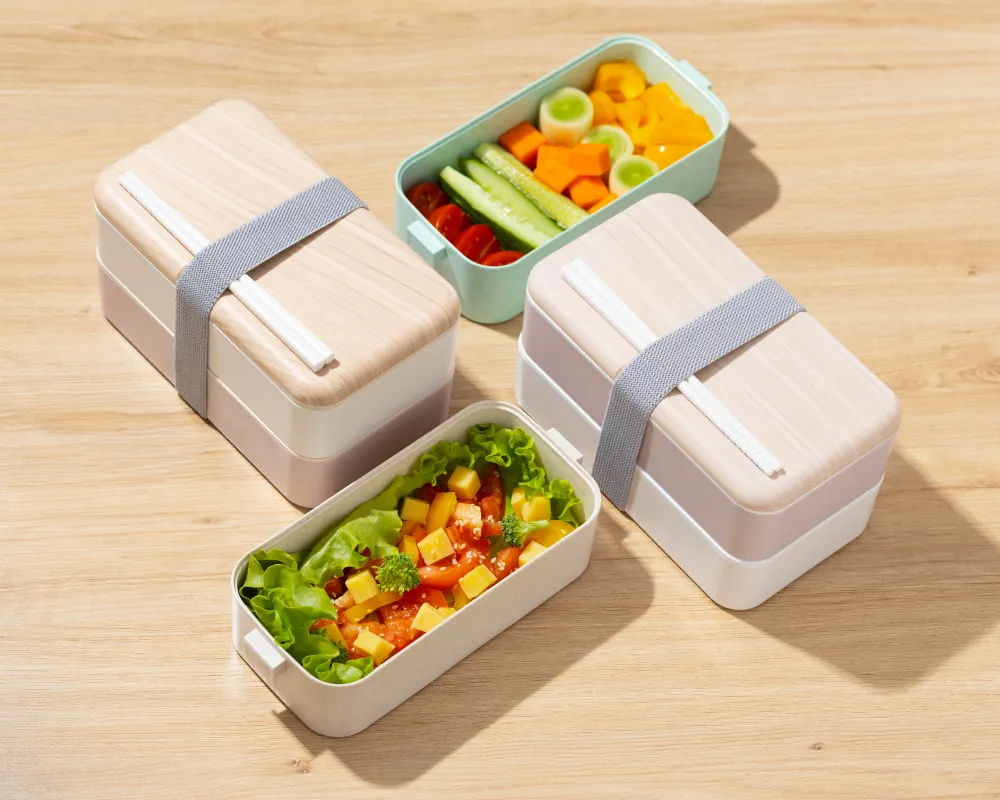
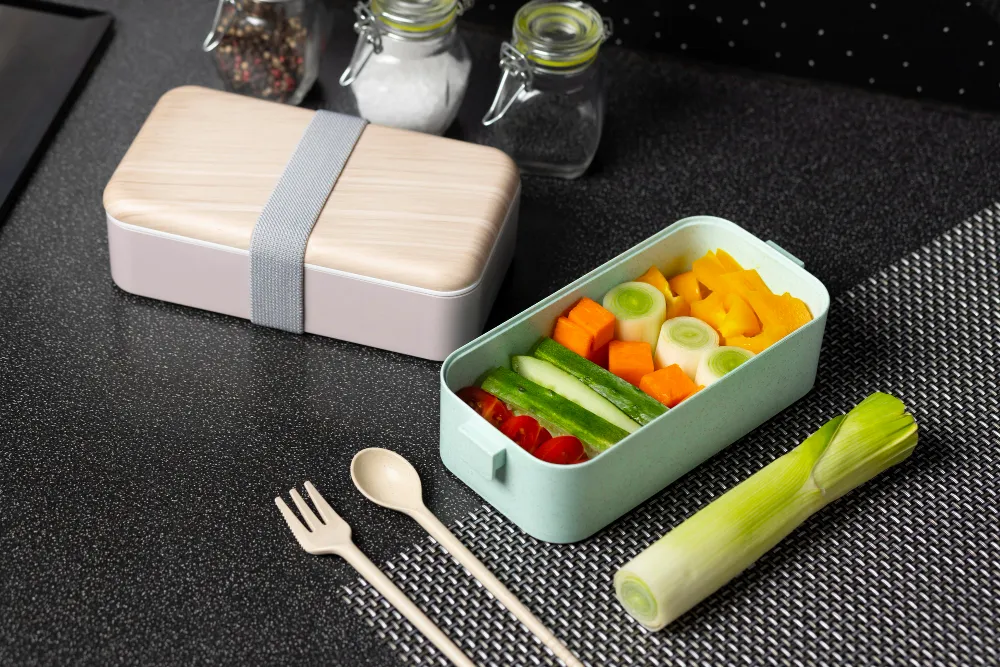
Collapsible silicone food containers solve the packed-lunch challenge. These space-saving designs fit easily in bags when empty and microwave safely for office meal reheating, replacing single-use takeout containers.
Bamboo and Sustainable Stationery
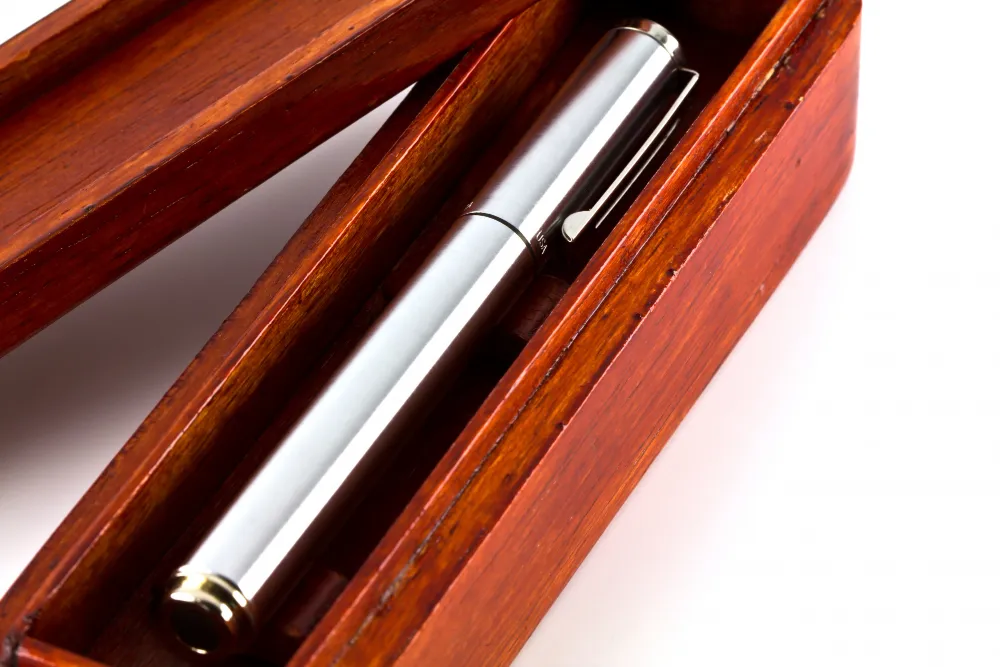
Bamboo stationery has evolved far beyond basic pencils. Modern bamboo desk organizers, wireless charging pads, and keyboard/mouse combinations deliver genuine functionality while sourcing from one of Earth’s fastest-growing renewable resources. Bamboo reaches harvest maturity in 3-5 years versus 20+ years for hardwoods.
Recycled paper notebooks with soy-based inks appeal to writers and note-takers. Choose hardcover designs with lay-flat binding for professional aesthetics that match traditional stationery. The key differentiator: specify recycled content percentage on gift cards so recipients understand the environmental benefit.
Plantable seed paper products create memorable experiences. Business cards, calendars, or notepads embedded with wildflower seeds can be planted after use, transforming waste into blooming gardens. This circular lifecycle makes a powerful sustainability statement.
Eco-Friendly Tech Accessories
Solar-powered desk accessories calculators, phone chargers, LED lamps combine utility with renewable energy education. While Singapore’s abundant sunlight makes these particularly effective, even indoor fluorescent lighting can power modern solar cells sufficiently for small devices.
Biodegradable phone cases made from wheat straw or cornstarch polymers protect devices while addressing e-waste concerns. These cases decompose in industrial composting facilities within 6-12 months, contrasting sharply with petroleum-based plastics that persist for centuries.
Recycled aluminum laptop stands and cable organizers demonstrate that eco-materials don’t compromise on design or durability. Premium recycled aluminum requires 95% less energy to produce than virgin material while delivering identical performance.
Choosing Authentic vs. Greenwashed Products
Not all “eco-friendly” claims deserve trust. What most people miss is that generic sustainability marketing often obscures meaningful differences between genuinely sustainable products and superficial greenwashing. Verification matters.
Prioritize products with third-party certifications: Forest Stewardship Council (FSC) for wood/paper products, Global Organic Textile Standard (GOTS) for fabrics, or Global Recycled Standard (GRS) for recycled materials. These certifications involve independent audits of supply chains, ensuring claims match reality.
Material transparency separates authentic eco-gifts from marketing theater. Ask suppliers about specific recycled content percentages, biodegradability timeframes, and manufacturing energy sources. Reputable vendors provide detailed specifications; vague answers suggest greenwashing.
Understanding rPET vs organic cotton sustainability helps refine gift selection based on use case. rPET (recycled polyethylene terephthalate) excels for durable bags and outdoor gear, while organic cotton suits apparel and softer accessories each material offers distinct environmental advantages.
Corporate Bulk Gifting: Maximizing Environmental Impact
Scaling eco-friendly gifting across organizations amplifies both environmental and cultural benefits. Bulk orders of consistent, high-quality items create unified sustainability messaging while typically offering better per-unit pricing than individual purchases.
Consider curated gift sets that combine complementary items: a bamboo desk organizer with a reusable bottle and recycled notebook creates a complete “sustainable workspace starter pack.” This approach delivers higher perceived value than individual items while comprehensively addressing multiple office needs.
Customization with subtle company branding (laser engraving, embossed logos) transforms functional gifts into lasting brand ambassadors. Employees use these items outside the office, extending your sustainability message into broader communities. Choose permanent marking methods over printed labels that peel or fade.
Browse complete ranges of eco-friendly gifts to identify coordinated options that align with specific company values and recipient preferences.
Budget Considerations Without Compromising Quality
Effective eco-gifting doesn’t require unlimited budgets. Strategic selection balances cost with impact and longevity.
The $15-30 range accommodates quality reusable bottles, bamboo stationery sets, or organic cotton tote bags items with proven utility and durability. These price points work for large-scale corporate gifting while maintaining quality standards that ensure actual usage.
Premium gifts ($50-100) like solar-powered tech accessories or designer sustainable brands suit executive gifts or milestone recognition. Higher investment correlates with extended product lifespans and elevated perceived value, making the environmental cost-per-use more favorable.
What we’ve observed in corporate gifting programs: employees value thoughtful selection and genuine functionality over expensive brands. A $25 perfectly-chosen bamboo desk organizer generates more positive response than a $100 greenwashed gadget with limited utility.
Presentation and Messaging
Packaging undermines sustainability if you wrap eco-friendly gifts in excessive plastic. Use recycled kraft boxes, reusable fabric wraps (furoshiki style), or seed paper that recipients can plant. The packaging should reinforce the environmental message, not contradict it.
Include concise information cards explaining each item’s environmental benefits: “This bottle saves 156 plastic bottles annually” or “Bamboo absorbs 35% more CO₂ than equivalent trees.” Quantified impact helps recipients understand their contribution beyond abstract sustainability concepts.
Digital gift cards minimize material waste for remote teams while providing flexibility. Recipients choose items matching their specific needs from curated sustainable selections, improving satisfaction rates and actual product usage.
Conclusion
Selecting the best eco-friendly gifts for office workers requires balancing environmental authenticity, practical functionality, and recipient preferences. Focus on certified sustainable materials, proven utility in daily work environments, and measurable environmental impact rather than trendy greenwashed alternatives.
Start small with pilot programs testing employee response to different gift categories. Gather feedback, measure usage rates, and refine selections before scaling to full organizational rollouts. This iterative approach ensures your eco-gifting investment delivers both environmental and cultural returns.
Ready to implement sustainable gifting? Explore verified options, prioritize quality over quantity, and remember that the most eco-friendly gift is one recipients actually use daily.
Frequently Asked Questions
What makes a gift truly eco-friendly versus just marketing greenwashing?
Genuinely eco-friendly gifts feature third-party certifications (FSC, GOTS, GRS), transparent material sourcing, and quantifiable environmental benefits like specific recycled content percentages or carbon reduction metrics. Greenwashed products use vague sustainability claims without verification, minimal actual environmental improvement, or misleading imagery that suggests eco-friendliness without substance.
Are bamboo products actually more sustainable than recycled plastic alternatives?
Bamboo offers superior sustainability for many applications due to rapid 3-5 year growth cycles, natural pest resistance eliminating pesticide needs, and biodegradability at end-of-life. However, recycled plastics like rPET prevent existing petroleum-based materials from entering landfills and require less energy than virgin plastic production. Choose based on product type: bamboo for stationery and organizers, recycled plastic for durable outdoor items.
How can I calculate the environmental impact of bulk eco-friendly office gifts?
Calculate impact by multiplying individual item benefits by quantity distributed. For example, 100 reusable bottles eliminating 156 single-use bottles annually equals 15,600 prevented plastic bottles. Convert to weight (typical bottle: 25g) for 390kg plastic prevented yearly. Add carbon savings from avoided production and transportation of disposable alternatives for comprehensive impact metrics.
What’s the ideal budget per person for corporate eco-friendly gifts?
Effective corporate eco-gifting ranges from $15-30 per person for standard employee gifts, delivering quality reusable items that ensure actual usage. Executive or milestone gifts justify $50-100 budgets for premium sustainable brands with extended lifespans. Prioritize functionality and durability over price a well-chosen $20 bamboo organizer outperforms a $60 novelty item with limited utility.
Do employees actually use eco-friendly office gifts or do they become desk clutter?
Usage rates correlate directly with practical functionality rather than environmental messaging alone. Reusable bottles, quality stationery, and functional desk organizers achieve 70-80% regular usage when properly selected for recipient needs. Novelty eco-items without clear utility often become clutter regardless of sustainability credentials. Survey employees about actual office needs before purchasing to maximize usage rates and environmental impact.