
Trending Lifestyle Products Singapore Professionals Are Actually Buying in 2026

The trending lifestyle category in Singapore right now is defined by one word: intentionality. Professionals are not buying more, they are buying smarter, choosing products that move seamlessly between work, outdoor recreation, and home use. Whether you are a C-suite exec planning a team offsite or an employee putting together a weekend picnic at East Coast Park, the same set of products keeps surfacing. Here is what is genuinely gaining traction across Singapore homes and workplaces in 2026. Key Takeaways What Is Driving the Lifestyle Product Boom in Singapore? A 2025 report by the Singapore Department of Statistics noted that “resident household expenditure on recreation and culture grew by 7.1% year-on-year, continuing a sustained post-pandemic rebound into outdoor and leisure spending.” Separately, research from Euromonitor International flagged Southeast Asia as one of the fastest-growing markets for premium everyday lifestyle goods, with Singapore consumers showing a strong preference for products that blend aesthetics with functionality. What this means practically: Singaporeans are not just buying lifestyle products, they are curating them. Office workers and business owners are treating everyday carry as a form of personal branding. Picnic Gear Has Gone Professional The humble picnic basket has had a serious upgrade. What we have observed across corporate wellness programs and team events is that picnic sets are now the go-to for HR managers organizing outdoor team bonding. The modern picnic kit includes insulated tote bags with divider compartments, stainless steel cutlery sets, and foldable mats made from recycled materials. For the solo professional, a compact picnic pouch fits inside a work bag and deploys in under a minute at the Botanic Gardens or Marina Bay waterfront. What most people miss is that the best picnic bags are not sold in the outdoor sports aisle. They are lifestyle and fashion products, designed to look as good at a weekend market as they do on an office pantry shelf. If you are sourcing picnic-ready carriers that also function as daily totes, Switts’ fashion handbags collection includes structured options that transition well between both contexts. Caps: The Most Underrated Everyday Accessory Performance caps are having a mainstream moment in Singapore, and the weather is partly responsible. UV index levels here regularly hit 11 or above between 11am and 3pm, making a good cap less of a fashion choice and more of a health decision. What is trending specifically: For corporate buyers, branded caps have become a staple team gift because they are gender-neutral, size-flexible, and actually get worn. They slot naturally into a broader lifestyle gifting set alongside tote bags and accessories from Switts’ lifestyle product range. Quick-Dry Towels: Small Product, High Daily Impact The quick-dry towel sounds unglamorous until you factor in Singapore’s climate. Switching from a cotton bath towel to a microfibre or bamboo quick-dry alternative cuts drying time by roughly 60%, which matters a great deal in a humid, air-conditioned home where bathroom turnover is fast. Beyond the bathroom, the quick-dry towel is now a gym bag staple, a beach essential, and increasingly a corporate wellness gift. Compact enough to fold into a jacket pocket, it has become one of those products professionals buy once and then evangelize about quietly. Pro tip: Look for towels with a GSM (grams per square metre) rating between 300 and 400 for the best balance of absorbency and fast drying. Anything above 500 GSM starts behaving like a conventional towel. Sustainable Products Are No Longer a Niche Purchase The sustainability angle has moved from marketing buzzword to genuine purchasing criterion for Singapore’s professional class. Executives and business owners especially are paying attention to material sourcing, packaging, and brand ethics before committing to a lifestyle purchase. Recycled canvas totes, cork accessories, and organic cotton caps are moving volume precisely because they do not look like compromise products anymore. They look good. Switts’ eco-friendly and sustainable bag collection is a strong example of where form and ethics have converged into something genuinely usable for both personal carry and corporate gifting. Building a Lifestyle Kit Worth Keeping The professionals getting the most value from this trend are not buying individual products. They are assembling a kit: a cap for outdoor commutes, a quick-dry towel for post-gym or beach use, a versatile tote that handles both grocery runs and client meetings, and a picnic set that makes impromptu outdoor lunches effortless. What ties all of this together is intentional design. Products that serve multiple functions, pack flat, and hold up to Singapore’s heat and humidity are the ones that stick around. If you are putting together a personal lifestyle upgrade or sourcing corporate gifts that employees will actually use, start with products that solve a real daily friction point. The rest tends to follow from there. FAQ What are the most popular lifestyle products for Singapore professionals in 2026? Quick-dry towels, performance caps, multi-use tote bags, and compact picnic sets are among the most purchased lifestyle items. They share a common trait: they address Singapore’s specific climate and urban outdoor culture while looking polished enough for professional contexts. Why are sustainable lifestyle products growing in popularity in Singapore? Singapore consumers, especially executives and business owners, are increasingly factoring in material ethics and environmental impact. Sustainable products have also improved significantly in design quality, making them viable for premium gifting and everyday use without aesthetic compromise. Are caps considered appropriate corporate gifts in Singapore? Yes. Caps have become a reliable corporate gift because they are size-flexible, gender-neutral, and genuinely functional in Singapore’s climate. Branded minimalist caps in particular are well-received by professional audiences, especially as part of a curated lifestyle gift set. What should I look for in a quick-dry towel for Singapore’s climate? Target a GSM rating of 300 to 400 for the optimal balance of absorbency and drying speed. Microfibre and bamboo options outperform cotton significantly in humid conditions. Compact foldability is also worth prioritizing if the towel doubles as a gym or travel item. How do I choose a lifestyle tote bag that works for both daily commutes
How to Extend the Lifespan of Company-Branded Leather Items
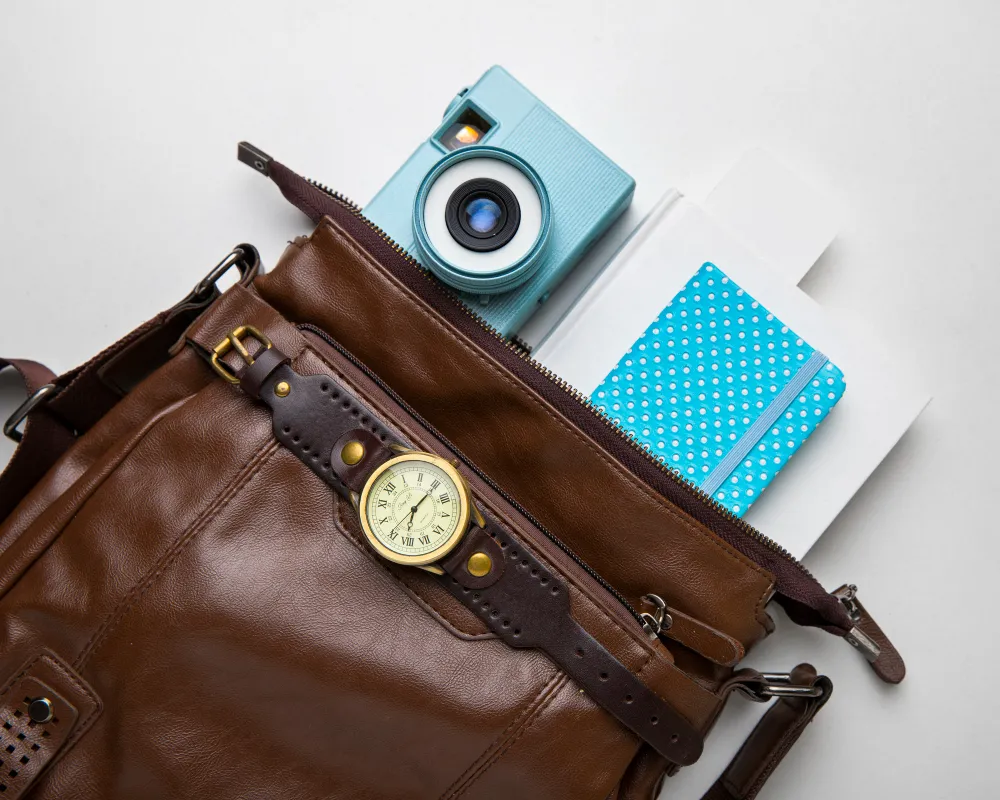
To extend the lifespan of company-branded leather items, the core principle is consistent moisture management combined with proper storage. Leather is a natural material that breathes, which means it responds directly to its environment. Without routine care, even premium branded leather portfolios, cardholders, and bags can deteriorate within 18 to 24 months of regular office use. Most corporate gifting guides stop at “wipe it clean.” That advice is incomplete. What actually determines longevity is how you treat the leather between uses, not just when it looks dirty. Key Takeaways What the Research Says About Leather Durability A study published by the Leather and Hide Council of America found that “untreated leather loses up to 25% of its natural moisture content within the first year of use in temperature-controlled office environments. Air conditioning, in particular, creates low-humidity conditions that dry out leather faster than outdoor exposure in moderate climates.“ For corporate leather gifts used daily in Singapore’s office environments, where air conditioning runs almost continuously, this data is directly relevant. The fix is not complicated. It requires building a simple care routine and choosing the right products from the outset. Why Branded Leather Items Are More Vulnerable Than Regular Leather Company-branded leather goods have an additional layer of complexity: the branding process itself. Embossing, debossing, and foil stamping all compress or alter the leather’s surface at specific points. These areas have slightly less flexibility than the surrounding material. When the leather dries out, these stress points are the first to crack or peel. Understanding why leather products crack starts with recognizing that the branding zone is a structural weak point if not properly maintained. This is something most users never consider until the damage is already visible. Daily and Weekly Care Habits That Actually Work Wipe, do not soak. Use a dry or barely damp microfibre cloth after each use to remove surface dust and oils from your hands. Moisture from skin accelerates tanning and discolouration on lighter leathers. Keep it away from heat sources. Laptop bags, portfolios, and wallets left on car dashboards or near charging pads absorb heat rapidly. Sustained heat above 40 degrees Celsius breaks down the leather’s fiber structure from the inside. Rotate usage where possible. If your company has issued multiple branded items, rotating between them gives each piece time to breathe and recover its natural shape. The Right Way to Condition Company-Branded Leather Conditioning is the most overlooked step in corporate leather care. Here is a practical process: For embossed logo areas specifically, use a cotton swab to apply conditioner precisely without over-saturating the surrounding material. Storage Practices That Preserve Leather Long-Term How you store branded leather items between uses matters more than most people realise. Choosing the Right Leather Products Reduces Maintenance Over Time Not all branded leather is created equal. Full-grain leather, the highest grade, retains its natural surface and develops a patina over time. It requires less frequent conditioning and resists cracking better than corrected-grain or bonded leather alternatives. When selecting the best leather corporate gifts for your team or clients, the grade of leather directly affects how long the item will look presentable. A full-grain leather notebook cover, for example, will still look sharp after three years of daily use. A bonded leather equivalent may begin to peel within 12 to 18 months. There is also a practical business case here. Higher-quality leather items represent your brand for longer, which means better return on the investment made in customisation and branding. For a deeper look at what to evaluate before purchasing, the guide on choosing leather corporate gifts covers material grades, branding compatibility, and vendor considerations in detail. Handling Specific Leather Types Used in Corporate Gifts Different leather finishes require slightly different approaches: Leather Type Conditioning Frequency Key Risk Recommended Product Full-Grain Every 6 months Dryness, minor scuffs Saphir Renovateur Top-Grain Every 3 to 4 months Surface peeling at edges Bickmore Bick 4 Nubuck / Suede Quarterly with suede brush Staining, matting Collonil Carbon Pro Bonded Leather Monthly Delamination, cracking Leather Honey (light use) If your company branded leather collection includes mixed material items, such as leather combined with canvas or metal hardware, condition only the leather sections and avoid getting product onto other materials. Explore the full range of corporate leather options available at Switts’ leather collection to see which material grades are available for custom branding. What to Do When Damage Has Already Occurred Prevention is the goal, but damage happens. Here is how to manage common issues without making them worse: Surface scratches: Rub gently with a clean fingertip. The warmth and natural skin oils often blend minor scratches into the surrounding leather. Dry or cracking areas: Apply a generous layer of conditioner and allow it to absorb over several hours. For deeper cracks, a leather filler product can restore the surface before reconditioning. Mould or mildew: Wipe with a cloth lightly dampened with white vinegar diluted in water (1:1 ratio), allow to dry fully, then condition. Do not use bleach or alcohol. Colour fading on branded areas: A leather colourant matched to the original shade can restore faded sections. Test in a hidden area first. Building a Corporate Leather Care Programme For companies that distribute branded leather items at scale, a care card or digital guide distributed alongside the gift significantly extends the usable life of each item. This is not a minor consideration. When a leather portfolio reaches a client or employee looking worn, that reflects directly on the brand. A simple quarterly reminder email or a printed care card tucked into the gift box sets the standard for how the item should be maintained. Some companies include a small sample of leather conditioner with premium gifts, which is a practical and appreciated addition. Conclusion Extending the life of company-branded leather items comes down to three non-negotiable habits: regular conditioning, proper storage, and avoiding the common mistakes that strip leather of its natural oils. The branding on these items represents your company’s identity, and maintaining
Why Leather Products Crack and How to Prevent It
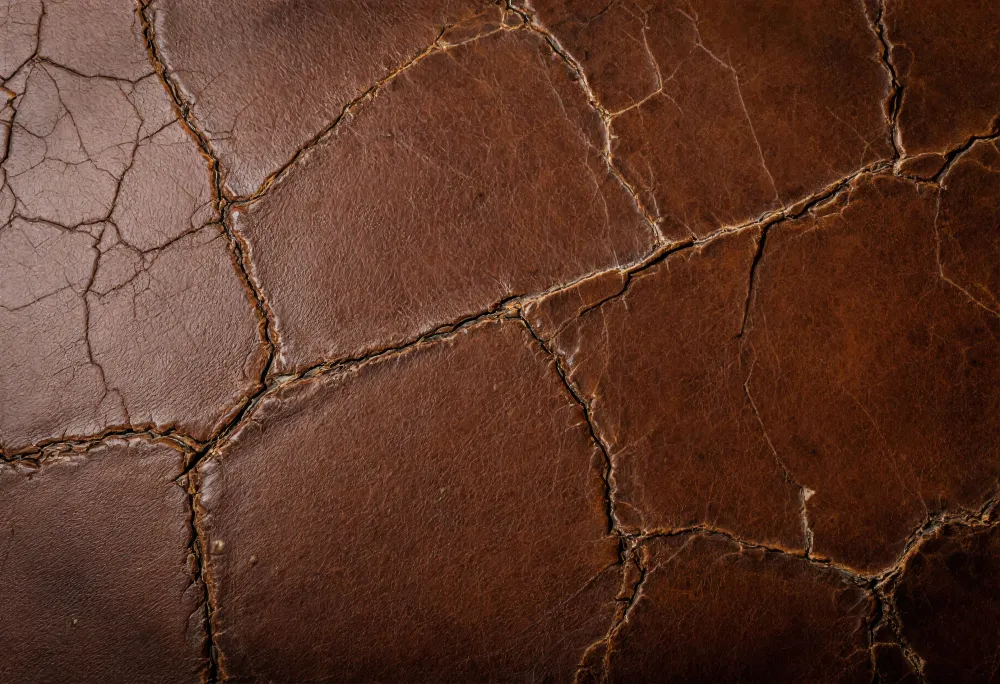
Leather products crack when the natural oils and moisture within the material evaporate, leaving the fibres rigid and unable to flex without splitting. This happens to virtually every leather item, from a well-used office bag to a boardroom chair, and the process begins long before any visible damage appears. Understanding why it happens is the first step to stopping it. Key Takeaways What the Research Says About Leather Degradation Material science research consistently shows that collagen fibre degradation in leather accelerates significantly when relative humidity drops below 40% or spikes above 70%. A study published by the Journal of Cultural Heritage found that “cycling between dry and humid conditions causes micro-stress fractures in leather’s fibre network, which eventually compound into visible surface cracking.” In Singapore’s climate, this is particularly relevant. The air-conditioning in most offices pulls humidity down sharply, then you step outside into 80%+ tropical air. Your leather bag, wallet, or portfolio makes that transition multiple times a day. Over months, this repeated contraction and expansion quietly destroys the surface from the inside out. The Real Reasons Leather Products Crack It Loses Its Natural Oils Over Time Leather is a processed animal hide, and like skin, it depends on oils to stay supple. Tanneries introduce these oils during production, but they don’t last indefinitely. Daily handling, sunlight exposure, and cleaning agents all strip them away gradually. What most people miss is that this process is invisible until it’s already advanced. By the time you feel stiffness or see fine surface lines, the leather has been drying out for weeks or months. Heat Is a Faster Killer Than Most Realise Leaving a leather bag in a car, placing it near an office window in direct sunlight, or storing it next to a dehumidifier creates localised heat that evaporates moisture far faster than ambient air alone. We’ve observed that items stored in warm, poorly ventilated environments show cracking two to three times faster than those kept in climate-controlled spaces. Chemical Exposure From Everyday Products Hand sanitisers, perfumes, and even some cleaning sprays contain alcohol and solvents that break down leather’s surface coating. For a corporate professional handling a leather portfolio or card holder daily, incidental contact with these products is almost unavoidable, which makes conditioning even more important as a counterbalance. PU Leather Has a Different Failure Mode PU leather doesn’t dry out the same way genuine leather does. Instead, its polyurethane coating breaks down from UV exposure, heat, and physical stress, causing it to peel and flake rather than crack in the traditional sense. If you’re working with PU leather accessories or furniture, the maintenance approach differs meaningfully from genuine leather care. How to Prevent Leather From Cracking Condition It Before It Asks You To Most people condition leather only after they notice dryness. By then, micro-damage has already set in. For leather bags, wallets, or accessories used daily in an office environment, conditioning every six to eight weeks is a practical baseline. Products containing lanolin, beeswax, or neatsfoot oil penetrate the fibre structure rather than just coating the surface. Apply a small amount with a soft cloth using circular motions, let it absorb for 15 to 20 minutes, then buff off the excess. It takes less time than polishing shoes. Store It Properly When Not in Use Leather stored in plastic bags suffocates. Without airflow, moisture gets trapped against the surface and encourages mould, then dries unevenly when aired out. Use a breathable dust bag, maintain a stable room temperature, and stuff bags with acid-free tissue paper to hold their shape. Clean Gently and Deliberately Use a barely damp cloth for surface dust, and a dedicated leather cleaner for deeper cleaning. Avoid anything labelled as an all-purpose cleaner. The surfactants in general household sprays strip leather’s natural finish faster than almost any other single factor. Know What You’re Buying Not all leather ages the same way. Full-grain leather, which retains the hide’s original surface, is the most durable and develops a patina over time rather than cracking prematurely. Bonded leather, made from leather scraps pressed together, tends to delaminate and crack within one to two years of regular use. If longevity matters for a corporate gift or daily-use item, understanding how to identify high-quality leather products before purchasing saves significant cost and disappointment down the line. When Cracks Already Appear Minor surface cracks can often be addressed with a leather filler or repair cream, followed by conditioning and a colour-matched leather dye. This works best on full-grain or top-grain leather. For bonded leather or advanced cracking on any type, professional repair or replacement is usually the more honest recommendation. The goal at this stage is stabilisation, not reversal. You can stop further damage, but deep cracks don’t fully disappear. Choosing Leather That Lasts in a Professional Context For corporate professionals who carry leather daily, or business owners selecting leather corporate gifts, the material grade matters far more than the brand name on the label. A well-conditioned piece of full-grain leather will outlast five cycles of bonded leather products at the same price point. If you’re sourcing leather accessories for professional use or corporate gifting, exploring a curated leather collection built for durability gives you a clearer baseline for what quality looks and feels like before you commit. The Bottom Line Leather cracking is not inevitable. It’s a maintenance failure that compounds slowly until it becomes visible. A conditioning routine, proper storage, and informed purchasing decisions will keep most leather items looking sharp through years of daily professional use. Start with what you already own: check it for surface dryness today, condition it this week, and set a reminder to do it again in six weeks. Frequently Asked Questions Why does my leather bag crack even though I rarely use it? Leather stored without use still loses moisture through evaporation, especially in air-conditioned environments. Lack of regular handling also means no natural oil transfer from your hands. Stored items need conditioning every three to four months and should be
What Is Upcycle Material? A Practical Guide for Businesses and Professionals
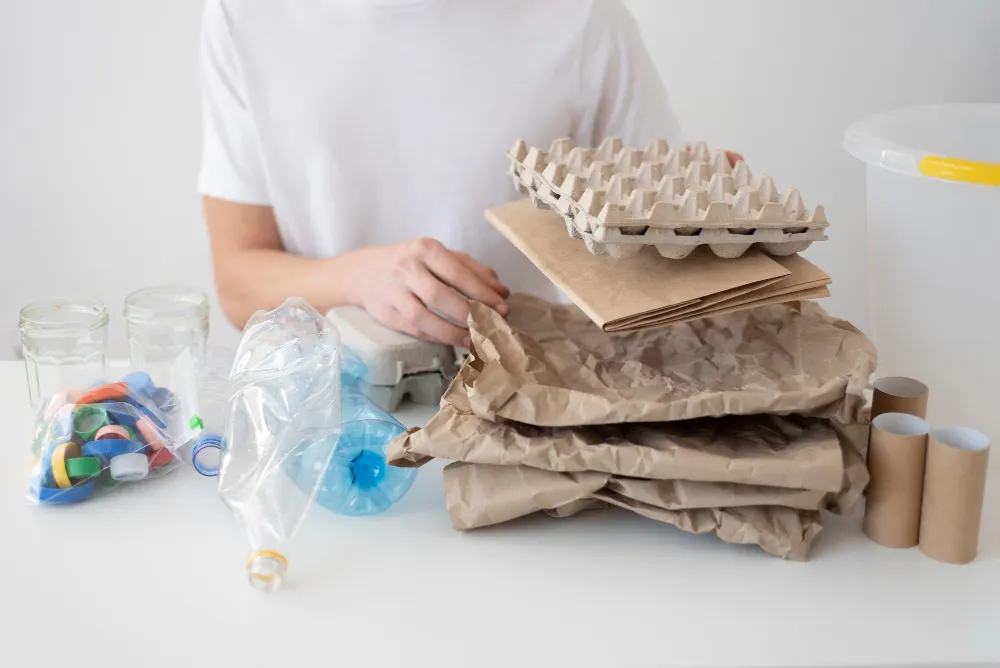
Key Takeaways So, What Exactly Is Upcycle Material? Upcycle material is any waste, surplus, or discarded resource that gets transformed into something with greater value than its original form. Think factory fabric offcuts turned into premium tote bags, or decommissioned truck tarps stitched into durable wallets. The defining feature is value addition, not just reuse. This matters because a lot of people confuse upcycling with general recycling. They are not the same process, and understanding the difference shapes how businesses make smarter, more credible sustainability decisions. The Numbers Behind the Upcycling Movement The global upcycling market has been gaining serious traction. According to a report by Grand View Research, “the global sustainable packaging market, which includes upcycled materials, was valued at over USD 340 billion in 2023 and is projected to grow at a CAGR of around 7% through 2030.“ What this tells us from a business lens: sustainability is no longer a fringe concern. Procurement teams, HR managers, and CEOs are all facing increasing pressure from employees and stakeholders to make choices that reflect environmental responsibility. Common Types of Upcycle Materials Used in Products Not all upcycled materials are created equal. Here is what shows up most frequently in quality upcycled products, particularly in the corporate merchandise space: Reclaimed Fabric and Textile Offcuts Garment factories generate enormous quantities of fabric scraps that would otherwise end up in landfill. These offcuts are often sorted by quality and reworked into pouches, bags, or accessories. Leather Scraps Leather manufacturing produces irregular trimmings that are too small for standard production but perfectly sized for cardholders, keychains, or notebook covers. The texture and durability of these pieces are often indistinguishable from virgin leather goods. Decommissioned Banners and Tarpaulins Event banners and PVC tarpaulins have a surprisingly short operational life. Once retired, they can be cleaned and cut into sleek, weather-resistant bags and accessories. Several sustainable brands have built their entire product line around this single material stream. Industrial Packaging and Paper Waste Corrugated cardboard, kraft paper, and even wine corks find second lives as stationery, protective packaging inserts, or decorative elements in gift boxes. Why Upcycle Material Beats Conventional Material for Corporate Use Here is something most procurement guides miss: the story behind the material is as valuable as the product itself. When a company gifts a cardholder made from reclaimed leather offcuts, it gives the recipient something to talk about. That provenance, knowing where the material came from and why it was rescued, turns a standard gift into a conversation about values. We have observed that branded merchandise using upcycle materials consistently generates more positive feedback in corporate settings than equivalent conventional gifts at similar price points. The perceived thoughtfulness factor is simply higher. Beyond perception, there are practical advantages: If you want to understand the broader business case, the breakdown of the benefits of using upcycled materials covers the cost, impact, and brand equity angles in detail. Upcycling vs. Recycling: Why the Distinction Matters A common sticking point for businesses drafting sustainability policies is conflating these two terms. Recycling breaks a material down to its base components so it can be reformed, often at a lower quality. Upcycling skips that degradation step entirely. A plastic bottle that gets shredded and reformed into polyester fibre is recycled. That same bottle, cut and sealed into a functional pencil case without any chemical processing, is upcycled. The energy cost difference is significant. Upcycling generally requires far less industrial processing, which means a smaller carbon footprint per product. For companies tracking Scope 3 emissions, this distinction is worth documenting. For a more detailed comparison, the upcycle vs recycle breakdown is a useful reference when briefing internal teams or sustainability consultants. What to Look for When Sourcing Upcycled Products If you are sourcing upcycled merchandise for your company, here are the questions worth asking any supplier: For businesses exploring ready-made options, upcycled merchandise from Switts offers a practical starting point with traceable materials and corporate customisation options. Making Upcycle Material Work for Your Organisation Adopting upcycled materials in corporate procurement does not require a complete overhaul. Start with a single category, corporate gifts, event merchandise, or branded stationery, and evaluate supplier quality and employee response before scaling. The shift is less about perfection and more about direction. Companies that start asking the right questions about where their materials come from are already ahead of organisations that treat sustainability as a checkbox exercise. Upcycle material is not a trend. It is a practical, verifiable way to reduce procurement waste while producing something people actually want to keep. FAQ What does “upcycle material” mean? Upcycle material refers to waste or surplus resources that are transformed into a new product of equal or greater value without breaking them down chemically or mechanically. Unlike recycling, upcycling preserves the material’s original character while giving it a new, often more useful, purpose. What are common examples of upcycled materials in products? Frequent examples include leather manufacturing offcuts used in accessories, reclaimed fabric scraps turned into bags, decommissioned PVC banners made into wallets, and industrial paper waste repurposed into packaging or stationery. These materials come from existing waste streams rather than new resource extraction. Is upcycling better than recycling for the environment? Generally, yes, from an energy-use perspective. Upcycling skips the energy-intensive breakdown and reformation process that recycling requires. This results in a lower carbon footprint per finished product. However, recycling handles a much wider range of materials, so both methods serve complementary roles in waste reduction. Can small businesses or SMEs use upcycled materials for corporate gifts? Absolutely. Many suppliers, particularly in Singapore, offer minimum order quantities suited to SMEs. Upcycled corporate gifts do not require large budgets. A well-made cardholder or tote bag from reclaimed material often costs comparably to conventional alternatives while carrying a stronger brand story. How do I verify that a product is genuinely made from upcycled material? Ask the supplier for the material’s source, the percentage of upcycled content, and any third-party certifications such as the Global
The Real Benefit of Using Upcycle in Your Business Strategy
Key Takeaways What Is the Benefit of Using Upcycle, Really? The core benefit of using upcycle is straightforward: you take materials that would otherwise be discarded and give them a second life at equal or greater value. For businesses, this translates into branded merchandise, corporate gifts, and office supplies that carry a story, reduce waste, and cost less to source over time. Unlike recycling, upcycling skips the energy-intensive breakdown process entirely. The material goes up in value, not down. That distinction matters more than most people realise when you’re sourcing gifts at scale. What the Data Says About Sustainable Business Practices A 2023 Nielsen report found that 73% of global consumers say they would definitely or probably change their consumption habits to reduce environmental impact. Among B2B buyers and corporate decision-makers in Singapore and Southeast Asia, sustainability credentials are increasingly part of vendor evaluation. We’ve observed firsthand that companies integrating sustainable procurement into their gifting cycles receive noticeably warmer reception during client events compared to those handing out conventional plastic-heavy merchandise. The product becomes a conversation starter, not just a giveaway. The Business Case for Upcycle Merch Lower Long-Term Procurement Costs Sourcing upcycle merch from suppliers who work with reclaimed materials often removes layers of raw material costs from the supply chain. When you’re ordering corporate gifts in bulk, even marginal per-unit savings add up quickly across a financial year. What most people miss is that the price advantage compounds: upcycled suppliers tend to operate leaner production models, which means faster customisation turnaround and fewer minimum order constraints. Stronger Brand Alignment With Modern Employees Your employees are watching how you spend. A branded tote bag made from reclaimed canvas or a notebook crafted from factory offcuts communicates something a plastic pen never can: that your company’s values extend to the products you put in people’s hands. This matters especially during onboarding, team milestones, and year-end gifting seasons, when branded merchandise doubles as a culture statement. ESG Reporting and Procurement Documentation For companies filing ESG reports or working toward green certification, every upcycled procurement decision becomes a traceable, documented step toward measurable targets. Switching even 30% of your annual gifting budget to upcycled products generates reportable data. Upcycle Versus Recycle: Why the Distinction Matters for Procurement Many buyers use the terms interchangeably, but they’re not the same. Understanding the difference helps you make sharper sourcing decisions. The full breakdown is covered in this guide on upcycle vs recycle, but the short version is this: recycling degrades material quality through processing, while upcycling preserves or improves it. For corporate gifting, this means upcycled products typically feel more premium, hold up longer, and photograph better for social media and internal communications. Choosing the Right Upcycled Gifts for Your Team or Clients Not all upcycled products are created equal. The best choices share three traits: clear material provenance, strong finish quality, and brand customisation flexibility. When evaluating suppliers, ask specifically where source materials come from and whether the production process has any third-party certification. Browse organic, recycled, and upcycled gift options that meet corporate gifting standards while keeping environmental credentials intact. The range spans notebooks, bags, drinkware, and tech accessories, all built from reclaimed or responsibly sourced materials. Make the Switch Count The benefit of using upcycle in your corporate procurement strategy is not a trend. It is a structural shift in how businesses communicate value, manage costs, and demonstrate accountability. The companies that act on this now build supplier relationships, internal culture, and brand credibility that competitors will struggle to replicate later. Start with one product category. Replace your next batch of corporate gifts with upcycled alternatives. Measure the response. The results tend to speak for themselves. FAQ What is the main benefit of upcycling for businesses? The primary benefit is turning waste or surplus materials into useful, higher-value products without energy-intensive processing. For businesses, this reduces procurement costs, supports ESG goals, and produces branded merchandise that resonates more deeply with sustainability-conscious employees and clients. How is upcycle merch different from regular corporate gifts? Upcycle merch is made from reclaimed or repurposed materials, giving each item a traceable origin story. Regular corporate gifts are typically manufactured from virgin raw materials. The distinction affects perceived quality, environmental impact, and how recipients emotionally connect with the product. Is upcycled merchandise more expensive than conventional options? Not necessarily. While some specialised upcycled items carry a premium, many upcycled products are competitively priced because they reduce raw material costs at the production stage. When ordered in bulk, upcycled corporate gifts often match or undercut conventional alternatives on price per unit. Can upcycled products be customised with company branding? Yes. Most upcycled merchandise suppliers offer standard branding options including screen printing, embossing, and embroidery. The customisation scope depends on the material and product type, but the process is comparable to conventional branded merchandise production. How does upcycling support a company’s ESG commitments? Each upcycled procurement decision reduces landfill contribution, lowers the demand for virgin raw materials, and generates documentation that can be used in sustainability reporting. For companies with formal ESG targets, upcycled gifting is one of the simplest and most visible ways to record measurable progress.
Upcycle vs Recycle: What’s the Real Difference and Why It Matters for Your Business
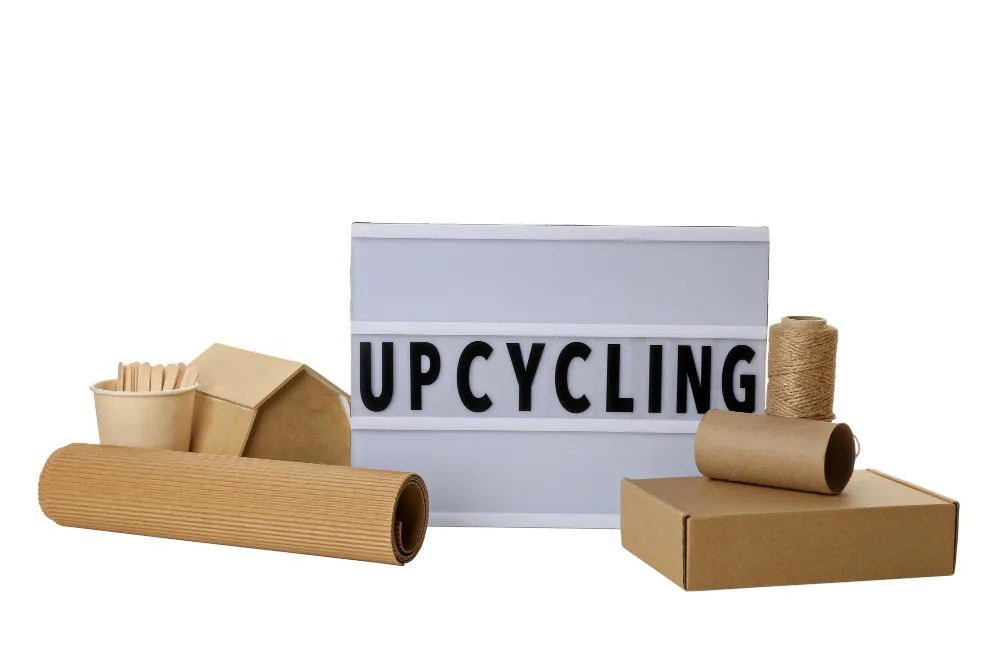
The difference between upcycle and recycle comes down to one thing: what happens to the material’s value. Recycling breaks a material down into base components so it can be remade into something new. Upcycling skips the breakdown entirely and transforms the material as-is into something with greater perceived or functional value. Same waste, very different outcomes. This distinction matters more than most people realise, especially when you are sourcing corporate gifts or evaluating your company’s sustainability credentials. Key Takeaways The Numbers Behind the Confusion Part of the reason upcycle vs recycle gets muddled is that sustainability messaging has become a marketing default rather than a precise commitment. A 2023 report by the Ellen MacArthur Foundation found that “less than 9% of the global economy is currently circular, meaning the vast majority of materials, even those that enter recycling streams, do not complete a full loop back into productive use.“ What most people miss is that recycling rates on labels often reflect collection rates, not actual material recovery. A plastic bottle marked as recyclable may still end up in landfill depending on local infrastructure. Upcycled products sidestep this uncertainty almost entirely because the transformation happens upstream, before any industrial processing. What Recycling Actually Involves Recycling is a downstream process. Materials are collected, sorted, cleaned, and then broken down, often through heat, chemical treatment, or mechanical shredding, into raw inputs that manufacturers can use again. The challenge with recycling: Recycling is undeniably important. It reduces the demand for virgin materials and keeps waste out of landfill at scale. But it is not a closed loop, and it is not cost-free. What Upcycling Actually Involves Upcycling is a creative, often artisan-level intervention. A worn leather belt becomes a wallet. Decommissioned fire hoses become laptop bags. Excess fabric offcuts become tote bags. The material retains its physical integrity while its function and perceived value increase. We have observed that upcycled products tend to carry a stronger emotional narrative than recycled ones precisely because the origin of the material is visible and traceable. A customer holding an upcycled bag knows what it was before. That transparency is increasingly valuable to sustainability-conscious consumers and corporate buyers alike. What makes upcycling distinct: Upcycle vs Recycle: A Side-by-Side Comparison Factor Recycle Upcycle Process Breakdown and reprocessing Direct transformation Energy use High (industrial) Low (craft or small batch) Material quality Degrades over cycles Preserved or improved End product Raw material for new manufacturing Finished product with added value Traceability Low High Sustainability story Generic Specific and compelling Why This Matters for Corporate Gifting If your company is sourcing gifts or branded merchandise, the upcycle vs recycle distinction has direct implications for how your sustainability commitment is perceived, both internally by employees and externally by clients. Recycled content gifts (recycled PET bottles turned into jackets, for example) are good. They are marketable and widely understood. But upcycled gifts communicate something more deliberate. They signal that your brand is thinking upstream, not just diverting waste at the end. For procurement teams and CEOs making CSR-aligned purchasing decisions, Switts offers a curated range of organic, recycled, and upcycled corporate gifts that make it straightforward to align your gifting strategy with measurable sustainability outcomes. Each product category is clearly distinguished so you are not guessing at impact. If your brief specifically calls for merchandise with an upcycled origin, Switts upcycle merch collection is worth reviewing. Products in this range are made from reclaimed and transformed materials, each with a cleaner supply chain story than most standard promotional items. Which Should Your Business Prioritise? There is no universal answer, and anyone who tells you one is always better than the other is oversimplifying. The right choice depends on your procurement volume, budget, and the specific message you want to send. For high-volume, cost-sensitive orders, recycled content products are more scalable. For smaller, premium gifts where the story behind the product matters (think year-end executive gifts or client appreciation items), upcycled goods offer a narrative edge that recycled products cannot easily match. A pragmatic approach: use recycled for everyday branded items like notebooks and tote bags, and reserve upcycled pieces for moments where the gift is meant to make an impression. The Takeaway for Business Owners and Procurement Teams Sustainability in corporate gifting is no longer a checkbox. Clients, employees, and regulators are paying closer attention to what these terms actually mean. Knowing the difference between upcycle and recycle lets you ask better questions when briefing suppliers and make more credible claims in your CSR reports. Start by auditing your current gifting spend. How much of it involves materials with a clear, verifiable second life? If the answer is vague, that is the gap worth closing. Frequently Asked Questions What is the main difference between upcycling and recycling? Recycling breaks materials down into raw inputs for remanufacturing, while upcycling transforms materials directly into new products of higher value without industrial breakdown. Upcycling typically uses less energy and produces a more traceable, story-rich end product. Is upcycling better for the environment than recycling? On a per-unit basis, upcycling generally has a lower carbon footprint because it skips energy-intensive processing. However, recycling operates at a much larger scale, so both contribute meaningfully to reducing waste depending on the material and context. Can upcycled products be used as corporate gifts? Yes, and they are increasingly popular for this purpose. Upcycled corporate gifts made from reclaimed leather, canvas, or industrial materials offer a compelling sustainability story that resonates with environmentally aware employees and clients. How do I verify if a product is genuinely upcycled or just marketed as sustainable? Ask your supplier for material origin documentation and production process details. Legitimate upcycled goods will have a traceable source material. Vague terms like “eco-friendly” without specifics are a red flag. Does upcycled merchandise cost more than regular promotional items? It often does, particularly for small-batch or artisan-made pieces. However, the per-unit premium is frequently offset by the higher perceived value and longer product lifespan, which reduces the cost-per-impression over
Quick Guide: Cleaning Leather Bags, Wallets & Accessories
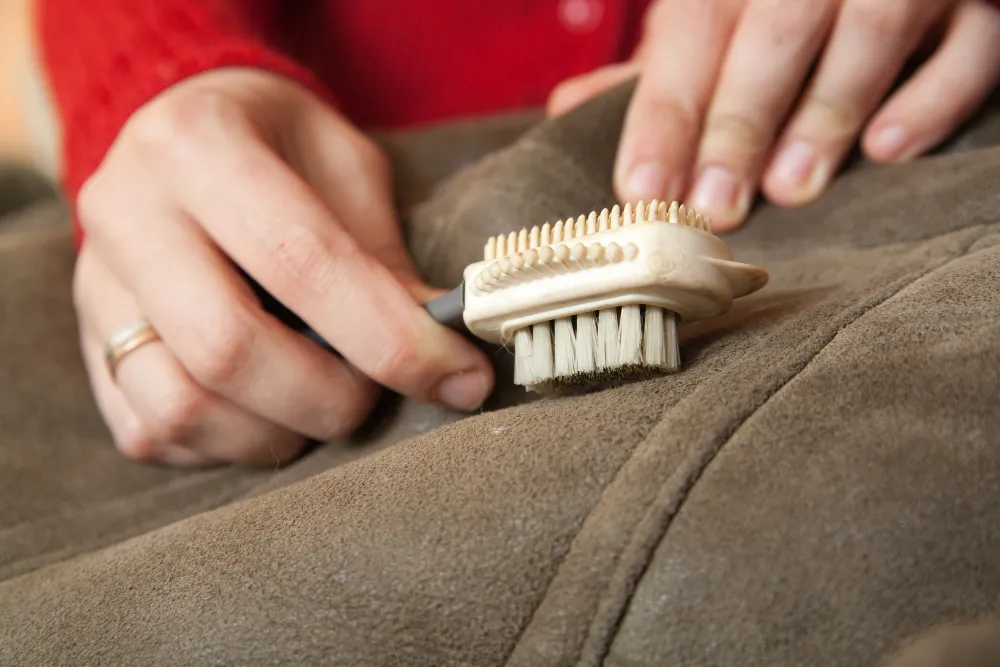
Cleaning leather is straightforward: remove surface dirt with a dry or damp microfibre cloth, apply a pH-balanced leather cleaner, then follow up with a conditioner to restore moisture. Done right, this routine takes under 10 minutes and keeps your corporate bag or wallet looking sharp for years. For busy professionals, a leather bag or wallet is more than an accessory. It is a signal of credibility in every client meeting and boardroom conversation. Yet most people only think about leather care after they notice cracking, staining, or fading. That is one maintenance cycle too late. Key Takeaways Why the Leather Care Market Is Growing (And What It Tells You About Your Bag) The global leather care products market is projected to grow from USD 3.9 billion in 2024 to USD 5.9 billion by 2034, at a CAGR of 4.3%. That growth is not coincidence. As more professionals invest in premium leather goods, the demand for proper maintenance has grown alongside it. People are learning that a quality leather piece, properly maintained, outlasts fast-fashion alternatives by a decade or more. A 2024 life cycle assessment study cited by the EPA found that “using proper leather care products can extend the lifespan of leather goods by up to 40%. That is a meaningful figure if you have spent SGD 200 to 600 on a corporate bag or wallet.” Source: market.us Leather Care Products Market Report In our experience working with corporate gifting clients at Switts, the leather pieces that age gracefully are almost always the ones that received consistent, simple care from the start. The ones that crack or discolour prematurely? Almost always neglected for six months or more. The Right Cleaning Sequence for Leather Bags and Wallets What most people miss is that cleaning order matters as much as the products you choose. Applying conditioner onto dirty leather seals the grime in and can cause premature darkening or uneven texture. Step 1: Dry-wipe the surface Use a clean, lint-free microfibre cloth to remove loose dust and surface debris. Work in gentle circular motions. For textured or pebbled leather, a soft-bristle brush works better to lift dirt from the grain. Step 2: Apply a leather cleaner Use a pH-balanced leather cleaner on a damp cloth, not directly on the leather. Wipe gently in the direction of the grain. You should see the cloth pick up discolouration; that is the oxidised surface oils and environmental grime coming off. If the cloth stays clean, the leather is in good shape. Step 3: Condition Once the leather is dry (give it 10 to 15 minutes), apply a small amount of leather conditioner with a fresh cloth. Buff in circular motions and allow it to absorb fully before using the bag. This step replenishes the natural oils that keep leather supple and crack-resistant. Leather Wipes: Convenient, But Not a Complete Solution Leather wipes have surged in popularity for good reason. They are portable, pre-moistened, and ideal for quick clean-ups after a long commute or a lunch meeting where the bag picks up food residue or humidity. The limitation is that most leather wipes are formulated for cleaning only. They do not replace conditioning. In Singapore’s humid climate, leather loses moisture through a different mechanism than in dry climates; it can feel soft on the surface while the inner fibres are drying out from repeated wipe-downs without replenishment. Use leather wipes as your first-response tool. Reserve the full clean-and-condition cycle for once every three months at minimum, or more frequently if the bag is in daily use. Pro tip: Test any new leather wipe or cleaner on a hidden section of the bag first, such as the underside of a strap or the interior edge. Even products labelled as safe can react unpredictably with certain leather dyes or finishes. What to Avoid When Cleaning Leather This is where most damage happens. Well-intentioned cleaning with the wrong products accelerates deterioration faster than neglect. For accessories made from PU or synthetic leather, the care approach differs. Check out how to maintain PU leather before applying the same routine, as the wrong products can lift the coating entirely. Conditioning: The Step Most Professionals Skip Conditioning is the single most impactful thing you can do for leather longevity, and it is the step most commonly skipped because the results are not immediately visible. Think of leather as skin. Without moisture, it becomes rigid and brittle. Conditioning restores the oils that daily handling, cleaning, and environmental exposure remove. In Singapore’s air-conditioned offices, this matters more than most people realise; cold, dry air dehumidifies leather over time, especially for bags stored near vents. Apply conditioner every 3 to 6 months for regularly used pieces, and after every full clean. A small amount goes further than expected. Over-conditioning is also possible; leather that absorbs too much product becomes tacky and prone to attracting dust. A thin, even application is always better than a heavy coat. If you are shopping for new leather corporate gifts or personal accessories, Switts’ leather collection includes full-grain options that respond well to standard conditioning routines. Matching Cleaning Products to Leather Colour Darker leather tends to hide minor residue but shows water marks more readily. Light-coloured leather picks up pen marks, denim transfer, and food stains faster. Neither is inherently harder to maintain, but the cleaning approach needs adjustment. For light-coloured pieces, work with a white or very light-coloured cloth during cleaning; a dyed cloth can transfer colour onto the leather. For dark pieces, test conditioner on a hidden area first to confirm it does not lighten the finish. Choosing the right leather colour for your corporate bag or gift also factors into long-term maintenance. This guide on choosing the right leather colour walks through practical considerations beyond aesthetics. A Simple Maintenance Schedule for Busy Professionals Frequency Task Daily Dry-wipe with microfibre cloth after use Weekly Check seams, zips, and handles for early wear Monthly Spot-clean any stains or marks with leather wipes Every 3 to 6 months Full
How to Maintain PU Leather in Singapore’s Humid Climate
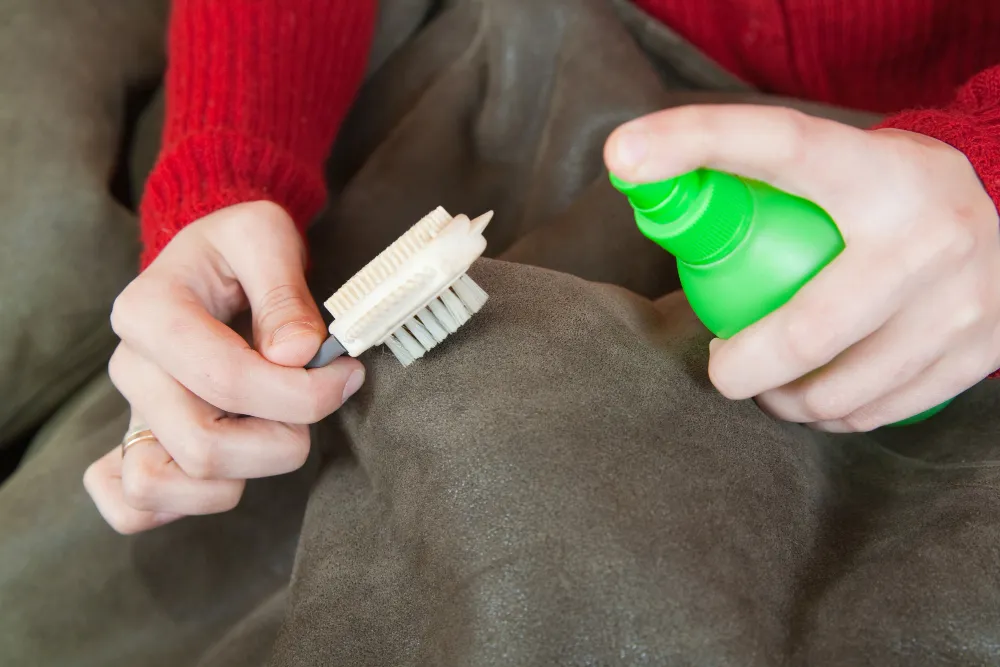
Key Takeaways PU leather degrades faster in Singapore’s year-round humidity (70-90% RH) than in temperate climates, making regular maintenance non-negotiable.Wiping items down weekly and storing them with silica gel desiccants are the two highest-impact habits you can build.Anti-mold sprays formulated for synthetic leather provide a protective barrier that over-the-counter options cannot match.Avoid plastic storage bags, sealed boxes without ventilation, and direct aircon vents all accelerate PU breakdown.Well-maintained PU leather corporate items last 3-5 years; neglected pieces in humid conditions can degrade in under 12 months. To maintain PU leather in Singapore, clean it weekly with a damp microfibre cloth, condition it monthly with a silicone-free leather conditioner, and store it in a cool, ventilated space with silica gel to prevent mold and peeling. Singapore’s humidity sits between 70% and 90% for most of the year, which means PU leather the synthetic material used in corporate bags, portfolios, and desk accessories faces constant moisture stress that accelerates surface cracking, discolouration, and mold growth. If you’re a professional relying on your leather portfolio to make a strong impression in a client meeting, or a business owner who gifts branded leather items to partners, understanding how to care for PU leather in a tropical climate is genuinely practical knowledge. This guide breaks down exactly what works, what doesn’t, and what most people miss. Why Singapore’s Humidity Is Uniquely Harsh on PU Leather Most leather care advice comes from North America or Europe, where relative humidity rarely stays above 60%. Singapore operates in an entirely different environment. The National Environment Agency consistently records mean relative humidity between 75% and 85%, with peaks during the monsoon months hitting 90% or more. For PU leather, this isn’t just an inconvenience it’s a structural threat. PU leather (short for polyurethane leather) is constructed with a fabric base coat and a polyurethane top layer. Moisture penetrates microscopic pores in that top layer, softening the adhesive bond beneath it. Over time, the polyurethane surface begins to bubble, peel, and crack. This process happens slowly in dry climates, but in Singapore it can begin within months of purchase if the item isn’t maintained. What most people miss is that it’s not just outdoor humidity that causes damage. Storing your leather bag in a sealed wardrobe or the drawer of an air-conditioned office creates a microclimate that traps moisture and encourages mold spores which are always present in tropical air to colonise the surface. If you’re curious about what makes PU leather a preferred choice for professional settings despite its care requirements, this overview of why PU leather is popular for corporate gifts covers its practical appeal in detail. What the Research Says About Humidity and Material Degradation A 2021 study published in the Polymer Degradation and Stability journal found that polyurethane materials exposed to relative humidity above 75% for extended periods exhibited a statistically significant increase in hydrolytic degradation the chemical process that breaks down the polymer chains responsible for PU’s flexibility and surface integrity. The rate of degradation nearly doubled when humidity was combined with temperatures above 28°C, conditions that closely mirror Singapore’s daily climate profile. In practical terms, this means a PU leather bag left uncared-for in Singapore’s climate doesn’t just age it degrades at an accelerated chemical rate. The surface changes you see (peeling, cracking, the powdery residue that forms on aged PU) are the visible result of polymer chain breakdown happening at a molecular level. How to Maintain PU Leather: Your Weekly Routine Consistency beats intensity with PU leather care. A five-minute weekly habit protects far better than an intensive monthly clean after visible damage has already appeared. Weekly Cleaning Use a clean, damp microfibre cloth to wipe down the entire surface. Microfibre lifts dust, skin oils, and early-stage mold spores without scratching the polyurethane coating. Do not use paper towels the texture is abrasive enough to create micro-scratches over time. For light stains, a solution of mild dish soap diluted in water (1:10 ratio) applied with a soft cloth works well. Rinse with a clean damp cloth immediately after. Never let soapy residue sit on the surface surfactants degrade the PU coating with repeated exposure. Dry the item thoroughly with a dry microfibre cloth after cleaning. Leaving moisture on PU leather after cleaning is one of the most common mistakes we observe it undoes the cleaning process by reintroducing surface hydration. Monthly Conditioning Apply a silicone-free leather conditioner once a month to restore flexibility to the PU surface. Products like Leather Nova Conditioner or similar pH-balanced formulations work well. Apply a small amount to a cloth, not directly to the leather, and work it in using circular motions. Avoid petroleum-based products, wax conditioners designed for genuine leather, and anything marketed for vinyl unless it explicitly states PU compatibility. These can either leave a greasy residue that attracts dust or chemically react with the polyurethane layer. Anti-Mold Care for PU Leather in Tropical Conditions Mold on PU leather looks like a grey, white, or greenish powdery coating, often with a musty smell. It spreads quickly in Singapore’s humidity and, if left untreated, permanently stains and weakens the surface beneath. Prevention: The First Line of Defence The most effective anti-mold measure is managing moisture in the storage environment, not just treating the leather itself. Place silica gel desiccant packets inside bags and near stored leather items, replacing them every 4-6 weeks or when the packets change colour (if using indicator-type gel). Treating Active Mold Growth If mold has already taken hold, act within 48 hours. Wipe the affected area with 70% isopropyl alcohol, allow it to dry fully, then apply an anti-mold leather spray. For severe cases where mold has penetrated the surface stitching or seams, professional leather cleaning is the safer option. What doesn’t work: applying household bleach (it degrades PU instantly), using a hair dryer to ‘dry out’ the mold (heat accelerates PU deterioration), or sealing the item in an airtight bag after treatment (traps residual moisture). Storage Tips That Actually Work in Singapore
Custom Leather Packaging: The Honest Pros and Cons for Corporate Gift Sets
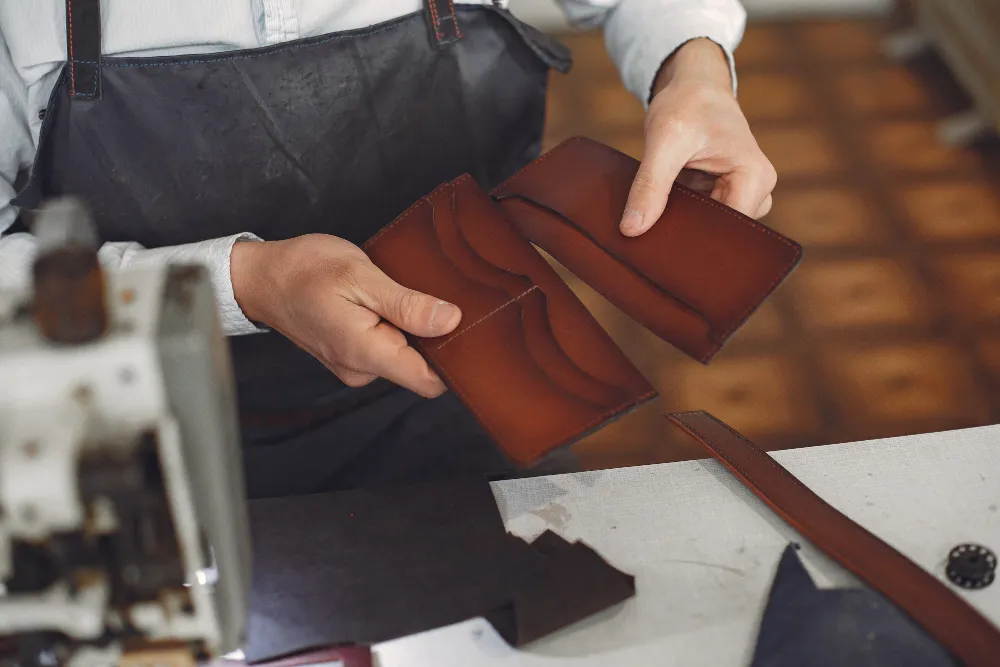
Key Takeaways Custom leather packaging elevates perceived gift value, but it comes with higher per-unit costs and longer production lead times compared to standard gift boxes.The durability of leather means recipients reuse the packaging, giving your brand ongoing visibility long after the gift is opened.Colour selection and leather grade directly affect the final impression. Getting these wrong undermines the premium positioning you are paying for.MOQ and lead time planning are the two factors most companies overlook. Factor these into your campaign timeline early.For mid-to-large gifting runs, the cost-per-impression of leather packaging is often lower than it first appears, especially when the box becomes a desktop or shelf item. Custom leather packaging refers to gift boxes, pouches, and presentation sets made from genuine or PU leather, produced with your brand’s logo, colours, and specifications. For corporate gift sets, it is one of the clearest signals of brand quality you can send to a client or employee. The trade-off, like most premium choices, is cost, planning time, and knowing exactly which variables to control. If you are a business owner, procurement lead, or HR manager evaluating whether leather packaging is worth the investment for your next gifting campaign, this article walks through every meaningful advantage and limitation, with nothing left out. Why Premium Packaging is Gaining Ground in Corporate Gifting The numbers behind corporate gifting make a compelling case for investing in packaging quality. According to Global Market Insights, the global leather packaging materials market was valued at USD 20.5 billion in 2024 and is projected to reach USD 31.9 billion by 2034, growing at a CAGR of 4.6%. Luxury packaging boxes alone accounted for 33.9% of that market share in 2024. Separately, research from GiftAFeeling shows that 62% of recipients say the quality of the gift matters significantly, and that companies with structured gifting programs see 31% lower voluntary employee turnover. Packaging is not a cosmetic detail. It is the first physical signal your brand sends. What most people miss is that the packaging often outlasts the gift itself. A leather box on a recipient’s desk continues representing your brand months after the gifting occasion has passed. The Real Advantages of Custom Leather Packaging 1. It Signals Brand Tier Before the Box is Even Opened Weight, texture, and finish communicate quality instantly. When a recipient picks up a leather-bound gift set, the tactile experience alone sets an expectation that a standard cardboard box simply cannot replicate. For B2B relationships, that first impression carries real weight, especially when you are gifting to C-suite contacts or top-tier clients. 2. Durability That Works in Your Favour Unlike paper or fabric packaging, a well-made leather box or pouch typically survives years of use. Recipients repurpose them as desk organisers, card holders, or storage cases. That ongoing visibility is essentially free brand exposure at zero additional cost after the initial order. 3. Deep Customisation Across Multiple Variables Custom leather packaging is not just logo placement. You have meaningful control over: If you are working through colour decisions for your order, Switts’ guide on choosing the right leather colour is a practical starting point that covers how different tones photograph, age, and read across different brand palettes. 4. Stronger Unboxing Experience With the rise of shared unboxing moments on LinkedIn and internal Slack channels, the presentation layer of a corporate gift set carries social currency. Leather packaging photographs well, feels intentional, and implies that serious thought went into the gift. In our experience working with corporate clients, gifts in premium packaging generate noticeably more internal sharing and social mentions than the same items in standard gift boxes. 5. Reusable and Increasingly Aligned with ESG Values Reusability is a growing consideration for procurement teams with ESG mandates. A leather box that stays in use for three years is arguably more defensible than a single-use premium paper box, regardless of the upfront cost. Custom Leather Packaging at a Glance: Pros vs Cons Pros Cons Signals premium brand positioning Higher upfront cost per unit Durable: lasts years, not months Minimum order quantities (MOQ) apply Highly customisable (colour, emboss, logo) Longer lead times vs standard boxes Strong unboxing experience Sourcing requires careful vetting Perceived high value by recipients Not all leather types age the same Reusable packaging adds ongoing exposure Colour matching needs expert input The Limitations You Should Plan Around Higher Upfront Cost Per Unit Custom leather packaging costs more per unit than standard gift boxes, sometimes significantly so. The gap narrows at higher quantities, but for small gifting runs, the per-unit figure can be a genuine budget constraint. The key question is not whether it is expensive, but whether the cost aligns with the relationship value you are trying to signal. Minimum Order Quantities (MOQ) Most quality leather packaging suppliers work with MOQs that are non-negotiable for custom work. This is a legitimate planning variable, not a sales tactic. Custom tooling, embossing dies, and material sourcing all require a minimum run to be economically viable. Before committing to a design, make sure your intended order volume meets the threshold. For specifics on what MOQs look like across different leather product types, Switts’ overview of MOQ and lead times for custom leather products gives honest guidance on what to expect at different order sizes. Longer Lead Times This is the variable that most corporate gifting campaigns underestimate. Standard gift boxes can often be turned around in days. Custom leather packaging requires weeks, sometimes more, depending on order complexity and material sourcing. If your gifting timeline is tight, factor lead time into your brief from day one, not as an afterthought. Material Quality Varies More Than You Expect Not all leather is the same. Full-grain leather, top-grain leather, PU leather, and bonded leather all behave differently over time. PU is cost-effective and consistent but does not age the same way as genuine leather. Bonded leather can peel if the substrate is poor quality. What you specify matters as much as what you pay. Colour Consistency Requires Oversight Colour matching across
Choosing the Right Leather Colour for Corporate Branding
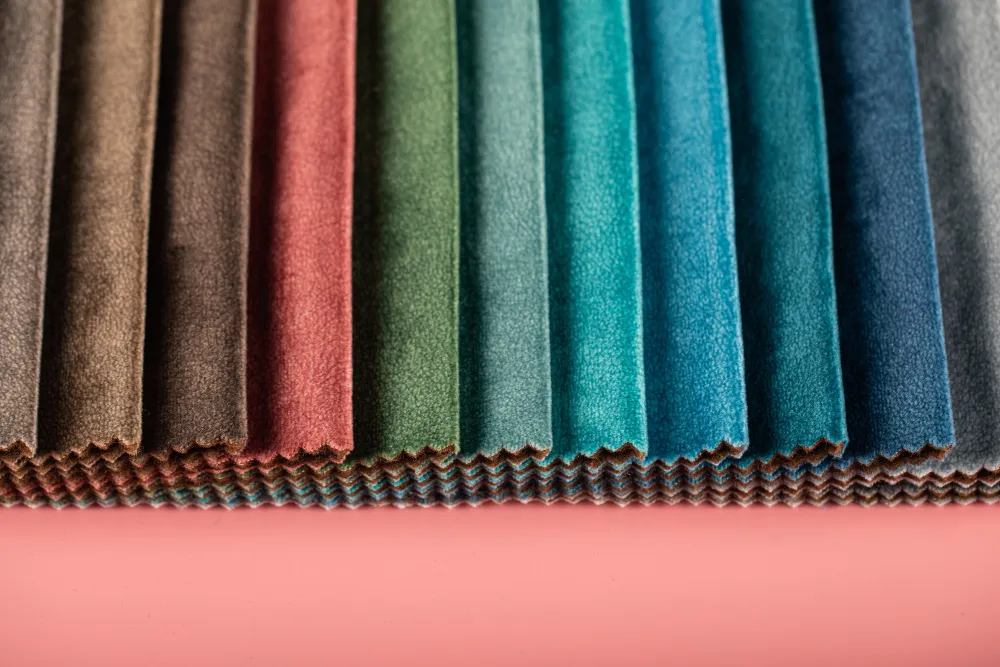
Key Takeaways The leather colour palette you choose communicates brand personality before anyone reads your company name.Classic tones (black, tan, brown) suit conservative industries; bold tones (navy, burgundy, forest green) work well for brands projecting confidence and originality.Custom leather products with consistent colour branding reinforce brand recognition by up to 80%, according to colour psychology research.Always align leather colour with your existing brand palette and the cultural context of your recipient audience.Debossed or foil-stamped logos on leather show most clearly on mid-tone colours; very dark or very light surfaces can reduce logo visibility. Why Leather Colour Is a Branding Decision, Not Just an Aesthetic One Choosing the right leather colour for custom leather products is one of the most overlooked steps in corporate gifting and brand merchandise strategy. The colour of a leather notebook, cardholder, or portfolio bag signals your brand’s personality the moment someone picks it up, before they ever flip it open to see your logo. Done well, it reinforces trust and brand recall. Done poorly, it creates a subtle but real disconnect between what your brand says and what your brand shows. The good news is that leather, unlike printed materials, ages with character. The colour you choose does not just represent your brand on day one. It continues to represent you every time that product is used, carried, or placed on a boardroom table. If you are still deciding whether leather is the right material for your corporate gifts, the guide on choosing leather corporate gifts covers the broader decision-making framework in depth. This article focuses specifically on the colour dimension. What the Research Says About Colour and Brand Perception Colour is not a decoration. It is communication. According to a study published on ResearchGate on Color Psychology in Marketing, 62 to 90 percent of a consumer’s initial product evaluation is based on colour alone, and people form that judgment within 90 seconds. Separate research cited by branding specialists consistently shows that colour can increase brand recognition by up to 80%. For corporate merchandise, this is particularly relevant. When a client or employee receives a leather gift, the colour registers before the logo, before the texture, and certainly before any accompanying message card. It sets the emotional tone of the entire gifting experience. What most people miss is that leather colour perception also shifts depending on finish. A matte black leather portfolio reads very differently from a gloss black one, even at the same hue. The matte finish suggests understated confidence; the gloss reads as bold and status-driven. Both can work, but they speak to different brand personalities. The Corporate Leather Colour Palette: What Each Shade Communicates Here is a breakdown of the most commonly used leather colours in corporate branding, and the perception each one creates. Leather Colour Brand Perception Best-fit Industries Logo Treatment Black Prestige, authority, luxury Finance, law, C-suite gifts Gold/silver foil stamping Tan / Caramel Approachable, classic, craftsmanship Professional services, SMEs Dark brown or black deboss Dark Brown Reliability, warmth, heritage Traditional industries, insurance Cream or gold logo Navy Blue Trust, innovation, corporate confidence Tech, banking, consulting White or silver foil Burgundy / Wine Distinction, premium quality Hospitality, luxury retail, media Gold or rose gold foil Forest Green Growth, responsibility, sustainability ESG-focused brands, biotech Cream or gold logo Grey Neutrality, sophistication, modernity Architecture, design, SaaS Black or silver deboss Black: The Default of Authority Black leather is the most universally safe choice for corporate gifting because it signals prestige and seriousness across virtually all industries and cultures. It pairs well with gold or silver foil stamping, which gives logos excellent visibility. The risk with black is that it is also the most generic. If your brand wants to stand out from competitors who are also gifting black leather, consider a complementary accent colour or a unique texture instead. Tan and Caramel: The Underrated Workhorses Tan and caramel tones have made a strong comeback in corporate gifting circles. We’ve observed that these shades are particularly effective for professional services firms, boutique consultancies, and SMEs that want to project approachability alongside expertise. The warm tones feel handcrafted and considered, rather than mass-produced, which elevates the perceived value of the gift. Navy, Burgundy, and Forest Green: The Differentiators These three colours are worth serious consideration if you want your brand merchandise to feel distinct without straying into unprofessional territory. Navy signals corporate confidence and is particularly strong for technology, banking, and consulting firms. Burgundy lends a sense of premium distinction well-suited to hospitality and luxury retail brands. Forest green has become the go-to for businesses with active ESG commitments, where the colour works as a visible signal of brand values. The One Mistake Most Brands Make With Leather Colour Choosing leather colour in isolation from the rest of the brand palette is the single most common mistake we see in corporate gifting projects. A company with a vibrant orange and white brand identity should not default to black leather just because it feels safe. The gift will feel disconnected from the brand it is supposed to represent. The better approach is to identify the closest leather tone to your secondary or accent brand colour. You do not need an exact match. Leather has its own inherent warmth and depth that print colours do not. You need a tone that belongs to the same colour family. For example, a brand with a deep teal primary colour could use forest green or navy leather and retain a clear visual relationship. A brand built on warm gold and cream would find tan or caramel leather far more cohesive than black. For event merchandise specifically, where multiple items are distributed together, consistency across the leather colour palette becomes even more critical. The guide on branded leather merchandise for events explains how to manage this across a product range. Leather Colour and Logo Visibility: A Practical Guide Colour choice directly affects how well your logo reads on the finished product. Here is what to know before finalising your selection:
