
Best Lifestyle Accessories for Working Adults in 2026
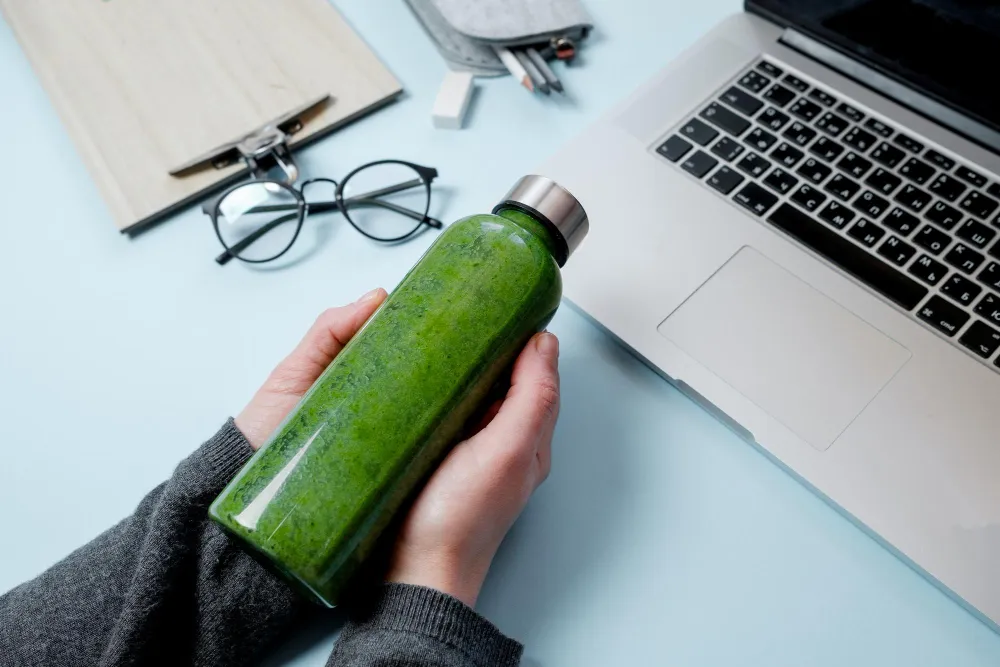
The best lifestyle accessories for working adults are those that solve real daily friction: a bag that fits your laptop and your gym gear, a bottle that keeps your coffee hot through back-to-back meetings, tools that make your routine smoother without adding clutter. In 2026, the smartest picks do all of that while being built to last and built responsibly. This guide is for corporate employees, business owners, and executives who want accessories that actually earn their place in a busy workday, not just look good on a shelf. Key Takeaways What the Data Says About Sustainable Lifestyle Products Sustainability is no longer a niche preference. According to NielsenIQ’s 2024 global report, “73% of consumers say they would change their buying habits to reduce environmental impact, with working professionals aged 25 to 45 leading the shift.” In Singapore specifically, the National Environment Agency has reported consistent year-on-year growth in demand for reusable and low-waste consumer products since 2022. What this means practically: the accessories on this list are not trend-driven purchases. They reflect a durable shift in how working adults evaluate everyday products, prioritising function, ethics, and longevity over novelty. The Core Accessories Worth Your Money 1. A Sustainable Bag That Works as Hard as You Do Your bag is the one accessory that touches every part of your day. The problem with most office bags is that they are either stylish or functional, rarely both, and almost never sustainable. Eco-friendly and sustainable bags made from recycled materials or responsibly sourced fabrics now carry the same structural integrity as full-grain leather. What most people miss is the weight factor. A well-constructed sustainable tote or backpack often uses lighter composite materials, which matters enormously after eight hours of commuting. What to look for: Reinforced base stitching, a dedicated laptop sleeve, and water-resistant outer fabric. Avoid bags marketed as “eco” with no material certification to back the claim. 2. Reusable Bottles, Straws, and Cutlery Sets Singapore’s café culture means most working adults spend between $5 and $15 daily on drinks and takeaway meals. Over a year, that adds up, and so does the single-use waste. A quality reusable bottle, straw, and cutlery set eliminates three of the most common single-use touchpoints in a workday. In our testing, double-walled stainless steel bottles maintain beverage temperature for 10 to 12 hours, which is more than enough for a full office day plus a commute. The cutlery set point is underrated. Carrying a compact bamboo or stainless steel set means you skip the plastic fork at every hawker stall or office lunch order. Small habit, meaningful reduction. 3. Stainless Steel Reusables: The Hygiene and Longevity Argument There is an ongoing debate between bamboo and stainless steel for reusable products. Both are valid choices, but they serve different use cases. Stainless steel reusable items are non-porous, which means they do not harbour bacteria or absorb odours over time. For bottles and cutlery, this makes them the more hygienic long-term choice. Bamboo wins on aesthetics and compostability, but requires more maintenance to prevent mould in humid climates like Singapore’s. The full breakdown is covered in this comparison of bamboo versus stainless steel reusables, which walks through durability, hygiene, and environmental trade-offs in practical terms. 4. Lifestyle Gifts That Double as Personal Accessories If you are sourcing accessories for yourself or a team, the best eco-friendly lifestyle gifts are those with genuine daily utility. Novelty items get shelved. A well-chosen insulated tumbler or a premium tote bag gets used every day, which is what makes it a worthwhile corporate gift or personal investment. Browse eco-friendly lifestyle gift options that work across seniority levels, from junior executives to C-suite recipients, without looking generic. How to Choose Without Overthinking It Most people stall at the decision stage because the market is full of greenwashing. Here is a straightforward filter: The full range of lifestyle accessories worth considering is a useful reference if you are building out a personal kit or a corporate gifting shortlist. Closing Thought The accessories that serve working adults best in 2026 are not the flashiest ones. They are the ones that reduce friction, last for years, and align with how professionals increasingly want to be seen: capable, considered, and not wasteful. Start with one upgrade, a bottle or a bag, and build from there. The habit compounds faster than you expect. Frequently Asked Questions What are the best lifestyle accessories for working adults? The highest-value accessories are a sustainable bag, a double-walled reusable bottle, and a compact cutlery set. These address daily friction points, reduce single-use waste, and are durable enough to last years with minimal maintenance. Prioritise material quality and daily utility over brand names. Are eco-friendly accessories actually better quality? In most cases, yes. Modern sustainable materials like recycled nylon, food-grade stainless steel, and certified bamboo are engineered for durability. Products with material certifications such as GRS or FSC have passed third-party quality standards, making them reliable alternatives to conventional options. What is the difference between bamboo and stainless steel reusables? Stainless steel is more hygienic and odour-resistant, making it better for bottles and cutlery in humid climates. Bamboo is lighter, biodegradable, and aesthetically warmer, making it a good fit for items like trays or desk accessories. Both are valid depending on the use case. Are sustainable lifestyle accessories suitable as corporate gifts? Practical eco-friendly accessories like insulated tumblers, branded tote bags, and cutlery sets are among the most well-received corporate gifts because recipients actually use them. They also signal a brand value alignment with sustainability, which resonates well across industries in Singapore. How do I avoid greenwashing when buying eco-friendly products? Look for specific material certifications rather than vague terms like “green” or “natural.” Check whether the product has a recycling or end-of-life plan. Brands that publish transparent supply chain information are generally more credible than those relying solely on visual eco-branding.
Eco Notebook vs Regular Notebook: Which Should You Choose for Corporate Gifts in Singapore?
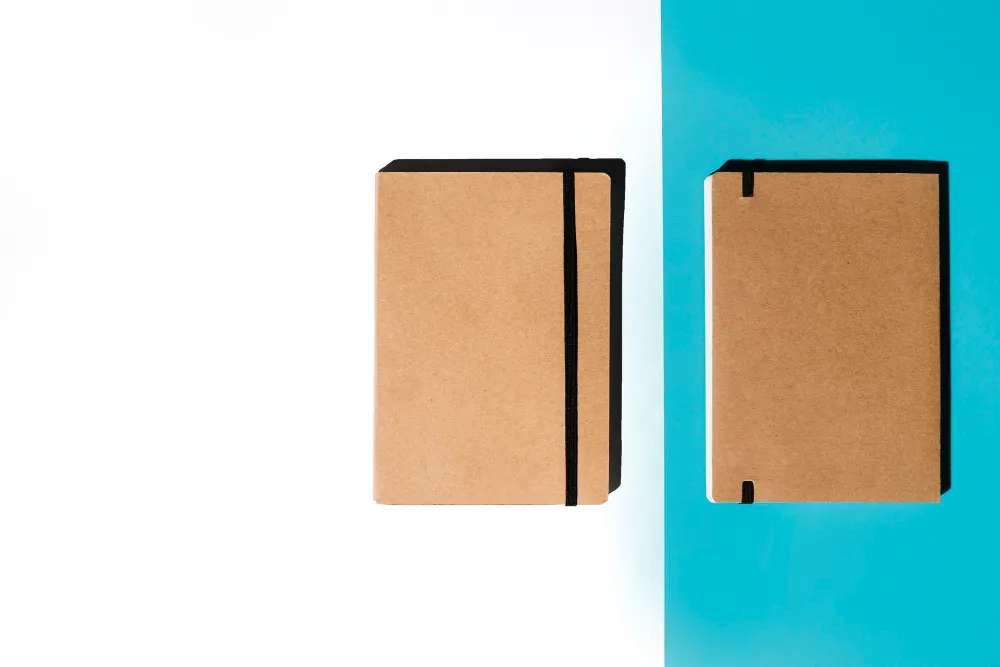
When comparing eco notebooks vs regular notebooks for corporate gifts, the honest answer is: it depends on who you’re giving to and what you want the gift to communicate. Eco notebooks are made from sustainable or recycled materials and carry an environmental message. Regular notebooks, often made with virgin paper and conventional binding, prioritise feel and familiarity. Neither is universally better. But in Singapore’s corporate gifting landscape in 2026, one is pulling ahead for the right companies. Key Takeaways What the Data Says About Sustainable Corporate Gifting This is not just a trend driven by aesthetics. A 2023 report by the Advertising Specialty Institute found that 42% of consumers have a more favourable opinion of a brand after receiving an eco-friendly promotional product, compared to standard items. Separately, the Global Sustainability Study by Simon-Kucher found that “over 60% of consumers in Asia-Pacific rank sustainability as a top purchasing consideration.“ In Singapore specifically, where the Green Plan 2030 has pushed ESG reporting into mainstream business culture, handing out a sustainably produced notebook carries institutional weight. It is no longer a niche gesture. It is a visible alignment with national and corporate values. The Core Difference: Materials, Feel, and Perception What Makes an Eco Notebook Different Eco notebooks are typically produced using one or more of the following: In our experience sourcing and evaluating notebooks for corporate clients, stone paper notebooks are the most conversation-starting. Recipients notice them immediately because the texture is distinctly smooth and slightly waxy. That novelty has branding value on its own. What Regular Notebooks Still Do Well A conventional notebook, especially one with cream-toned acid-free pages, a stitched spine, and a solid hardcover, still delivers a premium tactile experience that eco alternatives are working to match. If you are gifting C-suite executives or high-value clients, a well-crafted regular notebook from a recognised brand carries a different kind of weight. For context on how these are used in real professional environments, this guide on how to organise a Moleskine notebook walks through why physical structure matters for power users. Matching the Notebook to the Recipient Recipient Profile Better Choice Reason Senior executives / C-suite Premium regular notebook Perceived quality, brand recognition General staff / bulk gifting Eco notebook Cost-effective, CSR alignment Clients in creative industries Eco (stone paper or cork cover) Novelty, conversation starter Clients in finance / legal Regular (leather-bound, classic) Conservative aesthetic preference Event giveaways / conferences Eco notebook Lower unit cost, brand messaging What most people miss is that the recipient’s industry culture matters more than their seniority. A CEO at a sustainability-focused startup will appreciate an eco notebook far more than the same gift given to a partner at a traditional law firm. Cost Comparison for Singapore Corporate Buyers The price gap has closed. Here is a realistic breakdown for branded notebooks in Singapore (excluding customisation): For bulk orders above 100 units, eco notebooks often come with lower minimum order quantities and faster customisation turnaround from local Singapore suppliers. If you are evaluating whether a premium notebook justifies the spend at all, this breakdown of whether Moleskine notebooks are worth it provides a useful reference point. The Brand Impression Each Option Sends This is where strategy matters. A corporate gift is a communication tool. It says something about your company before the recipient even opens it. An eco notebook says: We are forward-thinking. We are accountable. We made a deliberate choice. A regular notebook says: We value craftsmanship. We chose quality. We know what professionals want. Neither message is wrong. But if your company has ESG goals, has signed green pledges, or operates in industries where sustainability is client-facing, sending a conventional notebook is a missed alignment opportunity. Conversely, a sustainability consultancy sending out cheap eco notebooks with poor print quality undermines the very message they are trying to send. For a broader look at gifting within a productivity-first context, the must-have productivity tools guide covers how notebooks fit into a complete professional toolkit. Where to Find Eco Notebooks for Corporate Gifts in Singapore Local suppliers have significantly expanded their eco range. You can now find certified recycled paper notebooks, bamboo-covered options, and stone paper notebooks with full custom printing, logo debossing, and colour-matched elastic bands. Browse the eco-friendly notebooks collection at Switts for options that are production-ready for corporate orders with Singapore delivery. When evaluating suppliers, ask specifically about: Make the Decision That Fits Your Brand The eco notebook vs regular notebook question is ultimately a brand strategy question dressed up as a product choice. If your business is building toward ESG credibility or wants to gift something that communicates intentionality, eco notebooks deliver that message clearly. If you need to impress a specific high-value recipient with a gift that feels luxurious and considered, a premium regular notebook may still be the sharper move. For most Singapore companies doing mid-to-large batch corporate gifting in 2026, eco notebooks offer the better combination of cost, customisation, and brand alignment. Start by defining what you want your gift to say, then let that guide the format. FAQ Are eco notebooks good quality for professional use? Modern eco notebooks made with FSC-certified recycled paper or stone paper perform comparably to regular notebooks for everyday writing. Stone paper options are actually more water-resistant and tear-resistant than standard paper. Quality varies by supplier, so always request a sample before placing a bulk order. Is it more expensive to customise eco notebooks for corporate gifts in Singapore? Not significantly. Customisation costs for eco notebooks, including logo printing, debossing, and custom covers, are broadly similar to regular notebooks. For orders above 50 to 100 units, many local Singapore suppliers offer competitive pricing with no major premium for eco materials. What materials should I look for in an eco notebook? Look for FSC-certified recycled paper for the pages, and covers made from cork, kraft board, recycled PET, or stone paper. Avoid notebooks that claim to be “eco-friendly” based solely on packaging rather than the materials used in the product itself. Which
Must-Have Productivity Tools for Busy Singaporeans

The best productivity tools for busy Singaporeans are those that reduce friction, protect focused time, and keep priorities visible across a demanding workday. Whether you are a corporate employee managing back-to-back meetings, or a business owner juggling operations and strategy, the right combination of timers, notebooks, and organisers makes the difference between a reactive day and a productive one. Singapore’s work culture is uniquely intense. Long commutes, hybrid schedules, and always-on communication norms mean that without deliberate systems, your day gets consumed before you even start on deep work. Key Takeaways Why Most Singaporeans Are Overwhelmed at Work A 2023 study by the Institute for Health and Mental Wellbeing at IMH Singapore found that “over 40% of Singapore workers reported high levels of workplace stress, with poor time management cited as a top contributing factor.” A separate Asana Anatomy of Work report found that “employees globally spend 60% of their time on “work about work” emails, meetings, and status updates rather than skilled, strategic output.” The takeaway is not that Singaporeans need to work harder. They need tools that protect their time and energy. Timers: The Most Underrated Productivity Tool in Any Office Most people associate timers with the kitchen. In our experience working with corporate teams, a time-boxing timer is one of the first tools that visibly shifts how people work. The Pomodoro Technique 25 minutes of focused work, followed by a 5-minute break is well-documented, but what most people miss is how it changes your relationship with interruptions. When you know a timer is running, you naturally defer non-urgent messages and resist task-switching. What works well for Singaporean office workers: For CEOs and business owners, time-boxing entire calendar blocks not just individual tasks is where timers become genuinely transformative. Notebooks: Analogue Tools That Still Win in a Digital World There is a reason leading executives at firms like McKinsey and Goldman Sachs are still photographed with notebooks. Writing by hand improves comprehension and recall in ways that typing does not this is backed by research from Princeton and UCLA showing that longhand note-takers outperform laptop users on conceptual understanding. The challenge most people face is not finding a notebook. It is using one consistently and finding it useful when they look back. If you are considering a quality notebook for daily use, understanding how to organise a Moleskine notebook can dramatically change how functional your notes become. Simple systems like index pages, colour-coded sections, and dedicated weekly spreads turn a notebook from a dumping ground into a navigation tool. For those debating whether a premium notebook is worth the investment, the case often comes down to tactile quality and durability. A detailed look at whether Moleskine notebooks are worth it covers the honest trade-offs between cost, paper quality, and long-term usability. Pro tip: Keep one notebook exclusively for meetings and another for personal planning. Mixing the two is where most systems fall apart. Organisers: The Tool That Reduces Decision Fatigue Decision fatigue is real. By mid-afternoon, most professionals have already made hundreds of micro-decisions what to prioritise, who to respond to, which task to defer. An organiser externalises those decisions, so your brain is not constantly re-evaluating them. Physical organisers work best when they are simple and visible. A weekly planner on your desk, open to the current page, beats a buried app every time for keeping your top three priorities front of mind. Formats that suit different roles: Role Recommended Format Corporate employee Weekly desk planner with time blocks Manager / Team lead Hybrid planner with team task columns CEO / Business owner Quarterly goal tracker with weekly reviews Freelancer Rolling task list with priority flags For teams looking to add a personal or branded touch to their planning tools, customised Moleskine notebooks are a practical option that works well as corporate gifts or onboarding kits. Building a System That Sticks The most common mistake is treating productivity tools as individual purchases rather than a system. A timer without a task list means you are working fast on the wrong things. A beautiful notebook without a review habit becomes a graveyard of good intentions. A practical starting stack for most Singaporean professionals: The goal is not to own every tool. It is to remove the daily friction that costs you hours each week. FAQ What are the best productivity tools for office workers in Singapore? The most practical combination is a time-boxing timer (like Toggl or a physical cube timer), a dedicated notebook for meetings or planning, and a weekly planner. The key is picking one tool per function and using it consistently rather than rotating between apps. Is the Pomodoro Technique effective for corporate employees? Yes, particularly in open-plan offices where interruptions are frequent. Working in structured 25-minute blocks with defined breaks helps train both focus and boundary-setting with colleagues. Many Singapore-based teams have adopted it for deep work sessions and report measurable output improvements. Are physical notebooks still worth using in 2026? Research consistently shows that handwritten notes improve retention and comprehension compared to typed ones. Physical notebooks also eliminate screen fatigue and notification distractions, making them especially valuable during meetings, strategy sessions, and creative work where you need to think, not just record. How do I choose the right organiser for my work style? Match the format to your decision-making rhythm. If you plan week by week, a weekly desk planner works well. If you operate quarterly with high-level goals, a goal-tracking planner suits better. CEOs and business owners often benefit from a two-tier system: a quarterly overview plus a daily task sheet. Can customised notebooks be used as corporate gifts for Singapore teams? Absolutely. Branded or personalised notebooks are one of the more practical corporate gift options because they are immediately useful. They work well for onboarding new hires, team retreats, or year-end gifting, especially when paired with a brief guide on how to use them effectively.
Bamboo vs Stainless Steel Reusables: Which is Better for Your Office?
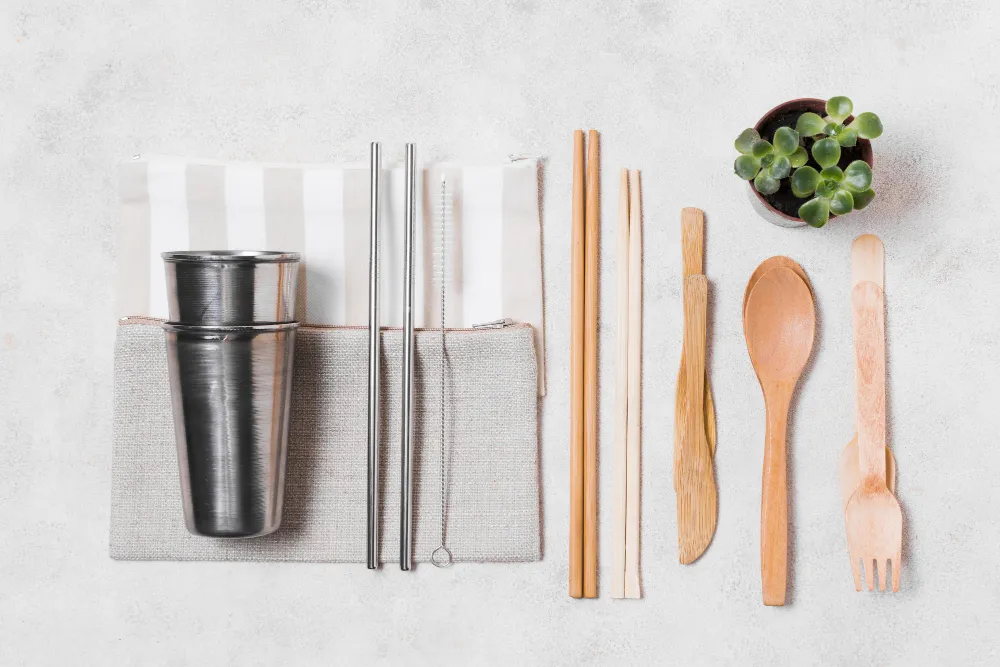
When comparing bamboo vs stainless steel reusables, stainless steel generally wins on durability and longevity, while bamboo leads on biodegradability and natural aesthetics. Neither is universally superior. The right choice depends on how your team or recipients will actually use the product, and what story your brand wants to tell. This is a question we hear often from procurement managers and HR leads sourcing eco-friendly corporate gifts in Singapore. The answer is almost never black and white. Key Takeaways What the Research Says About Reusable Materials A lifecycle assessment published by the European Environment Agency found that reusable products need to replace single-use items between 20 and 100 times to offset their production footprint, depending on material. Stainless steel typically requires more energy to produce than bamboo but compensates through a significantly longer functional lifespan. Separately, a 2023 study from the journal Resources, Conservation and Recycling noted that bamboo cultivation requires no pesticides and absorbs more CO2 per hectare than most timber crops, giving it a lower agricultural footprint in raw material extraction. These two data points frame the core tension well: stainless steel wins at the use-phase, bamboo wins at the sourcing phase. Breaking Down the Material Differences Durability and Daily Use Stainless steel handles rough treatment. Drop it, toss it in a bag, run it through a commercial dishwasher repeatedly. Grade 304 or 18/8 stainless steel resists rust, odour absorption, and staining across years of daily use. For office workers who commute, travel, or use their drinkware heavily, this is the practical choice. Bamboo, on the other hand, is more sensitive. It can crack if left submerged in water for extended periods and generally should not go in a dishwasher. If your recipients are light users or primarily desk-bound, this matters less. But for someone carrying a tumbler through a five-day work week, bamboo components require more care. What most people miss is that many “bamboo products” on the market are composite items, a bamboo exterior or lid paired with a stainless steel or plastic inner chamber. Understanding what is actually bamboo in the product changes the durability equation significantly. Environmental Profile Bamboo is one of the fastest-growing plants on earth. It reaches harvest maturity in three to five years, compared to decades for hardwood. It is fully biodegradable at end of life, meaning it breaks down in landfill or compost without leaving microplastic residue. Stainless steel is not biodegradable, but it is highly recyclable. Most steel products retain close to full material value at end of life and can re-enter the production cycle with relatively low energy input. In a well-managed recycling economy, stainless steel has a strong environmental argument. For Singapore companies with formal sustainability commitments tied to reusable product choices, the framing matters. Bamboo communicates naturalness and zero-waste intent. Stainless steel communicates long-term thinking and circular economy values. Aesthetic and Brand Fit Bamboo carries a warm, organic look that photographs well and reads as “eco-conscious” to most audiences. For companies positioning themselves in wellness, F&B, lifestyle, or sustainability sectors, bamboo products support the brand story visually. Stainless steel reads as premium and modern. Matte finishes, laser-engraved logos, and powder-coated colours make stainless steel corporate gifts feel substantial and high-end. For finance, professional services, or tech firms, this tends to land better. A practical middle-ground worth considering: hybrid tumblers like the Bamboo Lid Straw Tumbler with Silicone Sleeves combine a stainless steel body with bamboo lid detailing, capturing the durability of steel with the natural aesthetic of bamboo. Cost Comparison at a Glance Factor Bamboo Stainless Steel Unit Cost Lower to mid-range Mid to premium Lifespan 1 to 3 years (with care) 5 to 10 years Dishwasher Safe Generally no Yes (most grades) Biodegradable Yes No Recyclable Partially Fully Best For Gifting, light use Daily commute, heavy use Which Should You Choose for Corporate Gifting? In our experience working with Singapore corporate buyers, the decision usually comes down to three things: budget, usage context, and messaging. If you are sourcing a one-time conference gift or onboarding pack where the product will see occasional use, bamboo offers great visual impact and a lower per-unit cost. If you are kitting out an entire team with everyday drinkware intended for years of daily use, stainless steel is the more defensible investment. For companies building a formal sustainability gifting programme, we recommend exploring the full range of reusable bottles, straws, and cutlery sets available across both materials to find the right fit per use case. The strongest corporate gifting programmes we have seen do not choose one material exclusively. They match the material to the occasion and recipient profile. Making the Right Call Both bamboo and stainless steel reusables are genuinely better choices than single-use plastics. The debate between them is a good problem to have. Understanding the tradeoffs around durability, environmental lifecycle, aesthetics, and cost helps you make a choice your team will actually use and appreciate, which is the only metric that ultimately matters for sustainable behaviour change. If you are still deciding, start with your recipients. A well-used bamboo tumbler beats a stainless steel one sitting in a drawer. FAQ Is bamboo or stainless steel more eco-friendly? Bamboo has a lower production footprint and is fully biodegradable, making it strong at the sourcing and end-of-life stages. Stainless steel is highly recyclable and lasts far longer in use. Overall environmental impact depends on how long the product is used and how it is disposed of at end of life. Can bamboo reusables go in the dishwasher? Most bamboo reusables are not dishwasher-safe. Repeated exposure to high heat and prolonged moisture can cause cracking or warping. Handwashing with mild soap and thorough drying is recommended to extend the product’s lifespan. How long does a stainless steel reusable bottle last? A quality stainless steel bottle made from grade 304 or 18/8 steel typically lasts five to ten years with normal use. It resists rust, odour absorption, and physical impact far better than bamboo or plastic alternatives, giving it one
Reusable Bottles, Straws & Cutlery Sets: Why They Matter More Than You Think
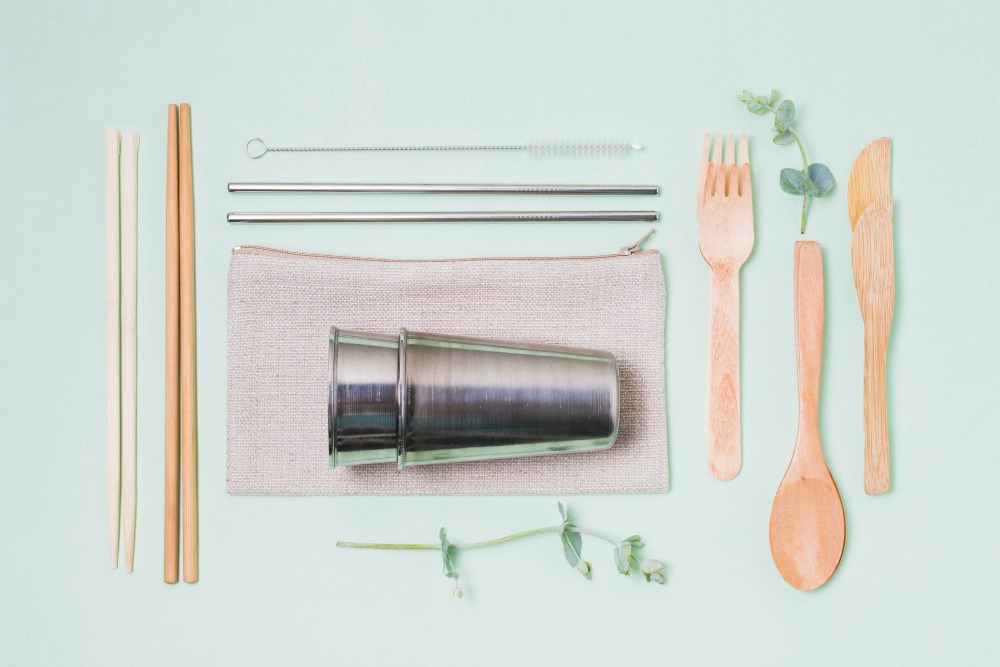
Reusable bottles, straws, and cutlery sets are practical tools that reduce single-use plastic waste in daily life and corporate environments. For Singapore’s workforce, adopting these items is one of the fastest, most visible ways to align personal habits with sustainability goals. Key Takeaways The Scale of the Problem Nobody Talks About Singapore generates approximately 1,400 tonnes of domestic waste daily, and disposable food packaging remains a persistent contributor. A 2022 report by the Singapore Environment Council found that the country discards millions of plastic bottles, cups, and single-use cutlery sets every year, many of which are not recovered through the national recycling stream. The Zero Waste Masterplan, “updated by the Ministry of Sustainability and the Environment, specifically calls out single-use plastics as a priority waste stream.“ What this means practically: every disposable fork or plastic straw that enters your office pantry is part of a system-wide problem. Swapping it out is a small act with compounding returns when multiplied across a team of 50, 100, or 500 people. What Makes a Reusable Set Actually Worth Using Not all reusable products are equal, and in our experience testing various options for corporate gifting contexts, the ones that stick are the ones people actually want to carry around. Material Matters Stainless steel is the gold standard for both bottles and cutlery. It is durable, does not leach chemicals, and handles both hot and cold contents without warping. For straws, stainless steel and borosilicate glass both outperform plastic in longevity and hygiene. BPA-free Tritan plastic is a good middle ground for bottles when weight is a concern, particularly for employees who commute on foot or by MRT. Avoid single-wall plastic bottles for hot drinks and any cutlery set marketed as “eco” but made from low-grade polypropylene. Those tend to crack within months and end up in landfill anyway. Portability and Packaging A cutlery set that comes with a compact pouch or roll-up case gets used. One that requires its own drawer space does not. The same logic applies to straws: collapsible or case-included designs see far higher day-to-day adoption than loose alternatives. Why Businesses Should Care Beyond the Green Label There is a practical business case here that goes beyond sustainability optics. Employees who feel their company takes environmental issues seriously report higher engagement scores, according to Deloitte’s 2023 Global Millennial and Gen Z Survey. In Singapore’s tight talent market, that matters. For corporate gifting specifically, a well-curated eco-friendly lifestyle gift signals intentionality. It tells recipients that the organisation thought about long-term value rather than a branded pen that ends up in a drawer. CEOs and business owners looking to build ESG credibility will also find that sustainable gifting is one of the few initiatives that is both visible and low-cost relative to structural changes like supply chain audits or carbon offsets. Building a Zero-Waste Office Habit Switching one person to a reusable set is easy. Getting an entire team to make it their default takes a bit more structure. A few things that actually work: Explore a full range of sustainable lifestyle products designed for exactly this kind of workplace transition. Choosing the Right Set for Your Team For procurement managers and business owners, the selection process comes down to three variables: durability, aesthetics, and ease of cleaning. Feature Priority Level What to Look For Material High Stainless steel, borosilicate glass, Tritan Cleaning High Dishwasher-safe or wide-mouth design Portability Medium Pouch, case, or clip included Customisation Medium Laser engraving or print options Price per unit Contextual Balance with expected lifespan Browse curated options across the cutlery set and straw category to find sets that fit bulk corporate orders without sacrificing quality. The Consistency Factor Here is where most guides stop short. Buying a reusable set does not automatically make someone a zero-waste convert. The data on actual behaviour change shows that habit formation requires at least 21 to 66 days of consistent repetition, depending on the individual and the complexity of the behaviour. For organisations, this means the onboarding moment matters. If a new employee receives a quality reusable set on their first day as part of a welcome kit, they are far more likely to integrate it into their daily routine than if the same item is handed out at a quarterly event with no context. That positioning, practical and personal, is what separates a token gesture from a genuine sustainability initiative. Check out the broader lifestyle product range for complementary items that round out an eco-conscious welcome pack. Make It a Decision, Not an Afterthought Reusable bottles, straws, and cutlery sets work when they are treated as tools rather than symbols. The environmental case is solid. The business case is sound. The habit-formation research supports the approach. Whether you are outfitting a team of ten or gifting across a regional organisation, start with quality materials, make it personal, and build the context around the item. That combination is what turns a product into a practice. FAQ What is the most durable material for a reusable water bottle? Stainless steel is widely considered the most durable option. It resists dents, does not retain odours, and handles both hot and cold liquids safely. Double-wall insulated stainless steel bottles maintain temperature for up to 24 hours for cold and 12 hours for hot beverages, making them practical for long workdays. Are reusable straws hygienic for daily office use? Yes, provided they are cleaned properly after each use. Stainless steel and glass straws can be cleaned with the included brush and are dishwasher-safe in most cases. Silicone straws are flexible and gentle on teeth but require slightly more attention to interior cleaning to prevent mould buildup. How many uses does it take for a reusable bottle to offset its production footprint? Research varies by material, but most lifecycle assessments estimate that a stainless steel bottle offsets its carbon footprint relative to single-use plastic bottles within 50 to 100 uses. Given that a quality bottle lasts several years, the environmental return is significant over
The Practical Guide to Choosing a Work Anniversary Gift That Actually Gets Used

Key Takeaways What Makes a Work Anniversary Gift Worth Giving? A work anniversary gift is a token given to an employee or colleague to mark a milestone of continued service, typically at the 1, 3, 5, or 10-year mark. Done well, it communicates that the organisation notices and values the individual’s contribution. Done poorly, it signals the opposite. The difference between a forgettable gift and one that sits on someone’s desk for years usually comes down to one question: will they actually use it? Novelty items collect dust. Practical, well-designed products earn daily use, which is exactly where brand goodwill is built. What the Research Says About Employee Recognition A 2023 Gallup and Workhuman report found that ““employees who feel adequately recognised are 56% less likely to be looking for a new job.” The same study noted that recognition tied to a specific milestone, such as a work anniversary, carries more emotional weight than general praise because it acknowledges tenure and loyalty directly. This matters for procurement teams and business owners making gifting decisions: the ROI of a S$50 thoughtful gift can far exceed its face value when framed within a proper recognition moment. The Best Work Anniversary Gift Categories in 2026 Power Banks: The Gift That Earns Daily Gratitude Few gifts get more daily use than a reliable power bank. In a hybrid work environment where employees are constantly moving between offices, co-working spaces, and client sites, battery anxiety is real. What most people miss is that the capacity and build quality matters more than brand recognition here. A 10,000mAh power bank with USB-C fast charging covers a full phone charge twice over. Look for units with airline-approved capacity (under 100Wh) so the recipient can travel with it without hassle. Browse travel power banks suitable for corporate gifting to find options with customisable branding. Bluetooth Earbuds: A Premium Tier Work Anniversary Gift For the 3-year or 5-year milestone, bluetooth earbuds sit in a sweet spot of perceived value versus actual cost. They feel premium, they are immediately useful for calls and focus work, and they carry strong lifestyle associations. In our experience sourcing corporate gifts across different industries, earbuds are consistently among the highest-rated gifts in post-gifting surveys. The key is choosing a model with decent noise isolation, a reliable connection, and a compact charging case. Avoid ultra-budget options that fail within two months; they damage brand perception. Explore bluetooth earbud options built for corporate gifting to find models that balance quality and budget. Portable Fans: Underrated and Genuinely Appreciated in Singapore Singapore’s climate makes a portable USB or rechargeable fan one of the most practical gifts you can give an office worker. Whether it sits on a desk or gets packed into a bag for the commute, it earns consistent use. This category tends to be overlooked by corporate buyers who default to electronics or apparel. That is precisely why it stands out. A sleek, quiet desktop fan with a modern design communicates that the giver thought about the recipient’s actual daily environment. Check out portable fan options for corporate occasions that work well as standalone gifts or as part of a curated set. Drinkware: Evergreen, Customisable, and Always in Use Drinkware remains one of the most consistent corporate gift categories for good reason. Thermal tumblers, insulated bottles, and ceramic mugs see daily use, sit visibly on desks, and carry your brand or message every time someone reaches for them. The upgrade move here is pairing quality material with thoughtful personalisation. A stainless steel tumbler engraved with the employee’s name and year of joining lands very differently from a generic mug with a company logo slapped on it. Browse the full drinkware collection at Switts for options across price points. How to Structure Your Work Anniversary Gift by Milestone Not every anniversary carries the same weight. A tiered approach helps HR teams allocate budgets sensibly while ensuring each milestone feels appropriately marked. Milestone Suggested Gift Tier Example Options 1 Year S$20 – S$50 Drinkware, portable fan, custom notebook 3 Years S$50 – S$100 Power bank, bluetooth earbuds, premium drinkware set 5 Years S$100 – S$200 Earbuds + power bank bundle, personalised gift set 10 Years + S$200 and above Premium electronics, experience vouchers, curated gift box The table above is a starting framework, not a rule. A small company celebrating a founder’s first employee’s tenth anniversary might invest significantly more; a large MNC managing hundreds of recognitions annually will apply tighter standardisation. Pro Tip: Presentation Matters as Much as the Product We have observed that the same product, gifted in a plain polymailer versus a structured gift box with a handwritten note, generates a completely different emotional response. Budget 10 to 15 percent of your total gifting cost for packaging and personalisation. It is not an add-on; it is part of the gift. For teams managing volume orders, working with a dedicated corporate gifting supplier simplifies the process considerably. Switts offers a broad corporate gift catalogue that covers electronics, lifestyle items, and accessories, with options for custom branding and bulk ordering. You can also browse the full product catalog to shortlist items across categories before committing to an order. Make the Moment, Not Just the Gift A work anniversary gift without acknowledgment is just a product delivery. The most effective recognition combines a tangible item with a genuine, specific message about what that person’s contribution has meant to the team. That combination is what employees remember and talk about. If you are planning your next round of work anniversary gifting, start with the milestone tier, pick a product category that fits the recipient’s daily life, and invest in presentation. The details are what turn a transaction into a moment. FAQ: Work Anniversary Gifts for Corporate Settings What is a good work anniversary gift for an employee? A practical, high-use item tailored to the employee’s daily routine is usually the best choice. Popular options include power banks, bluetooth earbuds, quality drinkware, and portable fans. Personalisation with the employee’s
Tech Corporate Gift Ideas 2026: What Actually Works in the Modern Office
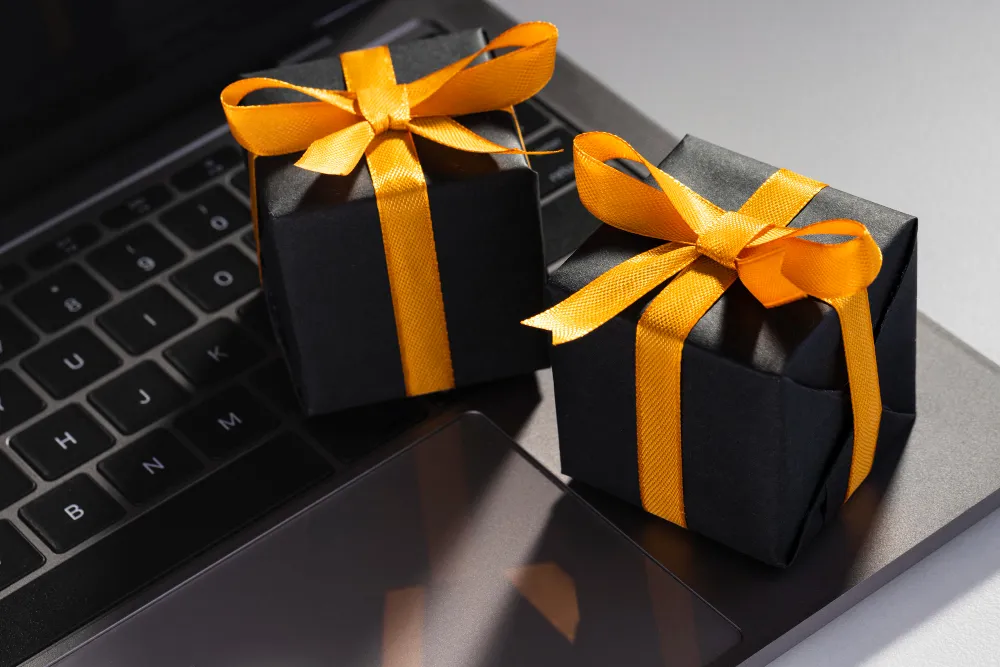
A tech corporate gift is any technology-enabled item given in a professional context to employees, clients, or business partners, typically to strengthen relationships, mark milestones, or reinforce brand identity. In 2026, the strongest choices are wireless audio gear, smart accessories, and productivity tools that slot directly into how people actually work, whether at home, in the office, or on the move. If you are deciding what to order for your next company gifting cycle, the short answer is this: pick something people will use on a Tuesday afternoon, not just unbox once Key Takeaways Why Tech Gifts Now Lead Corporate Gifting Budgets The shift toward technology gifts is not a trend. It reflects a structural change in how work happens. According to a 2024 Deloitte Global survey “on workforce engagement, employees ranked practical work tools among the top three most meaningful non-cash benefits. Branded lifestyle tech consistently outperformed food hampers and vouchers in long-term recall.“ What most people miss is the compound effect of a useful gift. When someone uses your branded earbuds during three meetings a week, your company name registers passively every single time. That kind of sustained brand exposure is difficult to buy through advertising alone. The Three Categories Worth Your Budget Explore the full range of options at Switts corporate gift ideas before narrowing down. Here is how the top three tech categories break down. Bluetooth Earbuds Earbuds have become the single most-used personal device in hybrid work environments. Employees reach for them during calls, commutes, focus sessions, and exercise. The utility is constant. In our experience sourcing for corporate clients, the sweet spot for bulk orders sits between entry-level true wireless models with decent mic quality and mid-range options with active noise cancellation. For large headcount gifting, ANC is not always necessary. Clear call audio and a comfortable fit matter more. Browse current options at Switts Bluetooth earbuds, where models are grouped by use case rather than just price. Pro tip: Request custom packaging with your company logo and a short card. The unboxing moment photographs well and tends to circulate on LinkedIn, extending your brand reach beyond the recipient. Bluetooth Speakers Speakers work differently from earbuds. They are inherently social. A speaker placed in a pantry, a meeting room, or a co-working corner creates shared experiences around your brand. There is a reason Bluetooth speakers remain consistently popular as corporate gifts across industries. They carry high perceived value, they are gender-neutral, and they age well. A quality speaker does not become obsolete in twelve months the way some gadgets do. For outdoor events or team-building gifts, ruggedised and waterproof models perform well. For office environments, compact desk speakers with clean aesthetics suit the setting better. View current models at Switts Bluetooth speakers. Laptop and Tablet Accessories This category is underrated. Accessories like USB-C hubs, wireless mice, laptop stands, and portable chargers solve specific daily frustrations. Recipients do not just appreciate them. They rely on them. We have observed that laptop accessories often generate more spontaneous thank-you messages than higher-priced gifts, simply because they fix an actual problem the person had. A USB-C hub that removes three cable tangles from someone’s desk has real, measurable impact on their day. For mixed audiences covering both office-based staff and remote workers, accessories are also the safest category for varied workstation setups. Explore the full range at Switts laptop and tablet accessories. How to Choose the Right Tech Gift for Your Audience The recipient profile should drive the decision, not the budget alone. Recipient Type Recommended Category Key Consideration Remote / hybrid employee Bluetooth earbuds or USB-C hub Daily usability, call quality Office-based team Bluetooth speaker or desk accessories Shared use, aesthetic fit C-suite or senior client Premium earbuds with custom packaging Perceived quality, discretion Large event or conference Compact accessories or wireless mice Cost efficiency, portability New hire welcome kit Earbud and accessory bundle First impression, practicality What to Avoid Generic powerbanks with no brand differentiation. Cheap cable sets that fail within weeks. Tech items that require proprietary apps to function. These choices actively work against the goodwill you are trying to build. Also avoid over-branding. A subtle logo placement reads as confident. A product covered in your company name reads as promotional merchandise, which is a different category entirely. Conclusion Tech corporate gifts in 2026 earn their place because they are useful, daily, and durable. Start with your recipient’s actual work context, match the product to that reality, and invest in packaging that makes the moment feel considered. The brands that get gifting right treat it as a touchpoint, not a transaction. Frequently Asked Questions What is a tech corporate gift? A tech corporate gift is a technology product given by a company to employees, clients, or partners for relationship-building or recognition purposes. Common examples include Bluetooth earbuds, wireless speakers, USB-C hubs, and laptop stands. These items combine practical value with brand visibility. What tech gifts are most popular for corporate giving in Singapore in 2026? Bluetooth earbuds and laptop accessories top the list for Singapore corporate orders in 2026. Both categories offer strong utility across hybrid work settings, competitive pricing for bulk orders, and easy personalisation options through custom packaging or logo placement. How much should a company spend on tech corporate gifts? Most Singapore companies allocate between SGD 30 and SGD 120 per recipient for staff appreciation gifts, and SGD 80 to SGD 250 for client or executive-level gifting. The right budget depends on the occasion, the relationship, and whether the gift will be branded or presented as a premium item. Are Bluetooth speakers good corporate gifts for large groups? Yes. Bluetooth speakers work well for large group gifting because they carry high perceived value, suit a wide range of recipients regardless of role or gender, and hold up in quality over time. Compact, wireless models are particularly easy to ship and package for events. Can tech corporate gifts be customised with a company logo? Most tech gifts support at least one form
The Best Eco-Friendly Lifestyle Gifts in Singapore (2026 Guide)
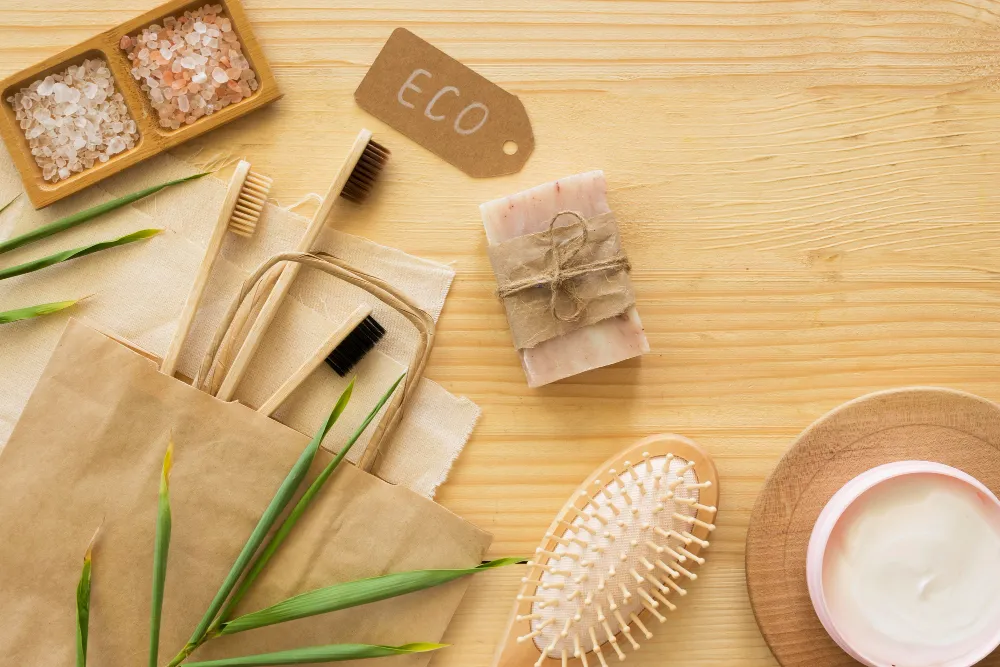
Key Takeaways What Are Eco-Friendly Lifestyle Gifts, and Why Do They Matter Now? Eco-friendly lifestyle gifts are everyday items designed to replace single-use or high-waste alternatives, made from sustainable, recycled, or biodegradable materials. In Singapore’s corporate context, they serve a dual purpose: they reduce environmental impact and communicate genuine brand values to employees, clients, and partners. This is no longer a niche preference. Sustainability has moved into performance reviews, procurement policies, and board-level ESG commitments. The gifts you choose reflect where your organisation stands. The Numbers Behind the Shift A 2023 NielsenIQ report found that “78% of global consumers say a sustainable lifestyle is important to them, with younger working professionals in Asia-Pacific leading the behavioral shift.” Closer to home, Singapore’s Green Plan 2030 has accelerated corporate adoption of sustainability initiatives across industries. What this means for gifting: recipients now notice and remember when a brand chooses quality, sustainable products over cheap promotional items. The gift is the signal. Bamboo Products: The Workhorse of Sustainable Gifting Bamboo is not a trend. It is one of the fastest-growing plants on earth, requires no pesticides, and produces a material that is stronger than most hardwoods. For Singapore’s office environment specifically, bamboo products hold up well in air-conditioned spaces and resist warping better than cheaper wood alternatives. What works well in practice: What most people miss is that bamboo products vary enormously in finish quality. A poorly sanded bamboo item can feel rough and cheap. Always request samples before bulk ordering. For a curated selection of bamboo and sustainable lifestyle options, browse Switts’ lifestyle product collection where quality and finish are vetted before listing. Reusables That Actually Get Used The reusables category has a credibility problem: everyone has received a tote bag they never use. The fix is specificity. Match the item to the recipient’s actual routine. For the Daily Commuter Singapore’s MRT-heavy commuting culture means bags, bottles, and compact accessories get real mileage. For the Office Desk For more ideas benchmarked to the Singapore office environment, the guide on eco-friendly gifts for office workers breaks down options by use case and price tier. Matching the Gift to the Recipient A CEO receiving the same item as an intern sends the wrong message. Segmenting your gifting by tier is not about elitism. It is about relevance. Recipient Tier Recommended Eco Gift Type Price Range (SGD) C-Suite / Leadership Premium bamboo accessories, artisan reusables $80 – $200+ Mid-level Employees Insulated tumblers, desk organizers $30 – $80 General Staff / Events Tote sets, cutlery kits, food wraps $10 – $30 Clients / Partners Curated gift sets with brand story card $50 – $150 The brand story card is underutilized. A short, well-written insert explaining why you chose sustainable gifts and what it represents about your company adds perceived value without adding cost. What to Look for Beyond the “Eco” Label Greenwashing is real, and Singapore’s Advertising Standards Authority takes misleading environmental claims seriously. Before finalising any supplier, ask these questions: Explore options that meet these standards in Switts’ trending lifestyle products, which are sourced with transparency in mind. Building a Sustainable Gifting Programme One-off gifts create momentary goodwill. A structured gifting programme creates culture. Consider anchoring sustainable gifts to specific milestones: onboarding kits, work anniversaries, wellness initiatives, and festive seasons. Each touchpoint reinforces that sustainability is a company value, not a PR exercise. Consistency matters more than novelty. If your team receives a bamboo tumbler on day one and a reusable lunch kit at their one-year mark, those items become associated with belonging and progression. For a comprehensive corporate-level framework, the resource on eco-friendly corporate gifts covers programme structure, MOQ considerations, and customisation options relevant to Singapore businesses. Make the Gift Do the Work The best eco-friendly lifestyle gifts in Singapore are the ones recipients reach for every morning without thinking. That is the standard. Not whether the item has a leaf icon on the box, but whether it earns a permanent spot in someone’s bag or on their desk. Choose materials that last. Choose products that solve actual daily friction. And pair every gift with a clear message about why it matters to your organisation. That combination is what separates a forgettable promo item from a brand touchpoint that works for years. FAQ What are the most popular eco-friendly lifestyle gifts in Singapore? Insulated reusable tumblers, bamboo desk accessories, and compact reusable lunch sets consistently rank as top choices for Singapore’s corporate market. They suit the local climate, fit office and commuting routines, and are perceived as practical rather than novelty items. Are bamboo products suitable for Singapore’s humid weather? Yes, high-quality bamboo products handle Singapore’s humidity well, especially when properly sealed or lacquered. The key is sourcing from suppliers who use food-safe finishes and kiln-dried materials. Always request product specifications before bulk purchasing. How do I verify if a product is genuinely eco-friendly and not greenwashed? Look for third-party certifications such as FSC (forestry), GRS (recycled content), or GOTS (organic textiles). Ask suppliers for documentation. Be cautious of vague terms like “natural” or “green” without supporting certification. What is a reasonable budget for eco-friendly corporate gifts in Singapore? Budgets typically range from SGD $10 to $30 for general staff gifting, $30 to $80 for mid-level employees, and $80 to $200 or more for leadership and client tiers. Sustainable gifts often have a higher perceived value than their cost suggests, especially when well-packaged. Can eco-friendly gifts be customised with a company logo? Yes. Most bamboo and reusable products support laser engraving, screen printing, or embossing. Laser engraving is the preferred method for bamboo as it is chemical-free and produces a clean, lasting finish that aligns with the sustainability message of the gift itself.
How to Choose Sustainable Lifestyle Products That Actually Make a Difference
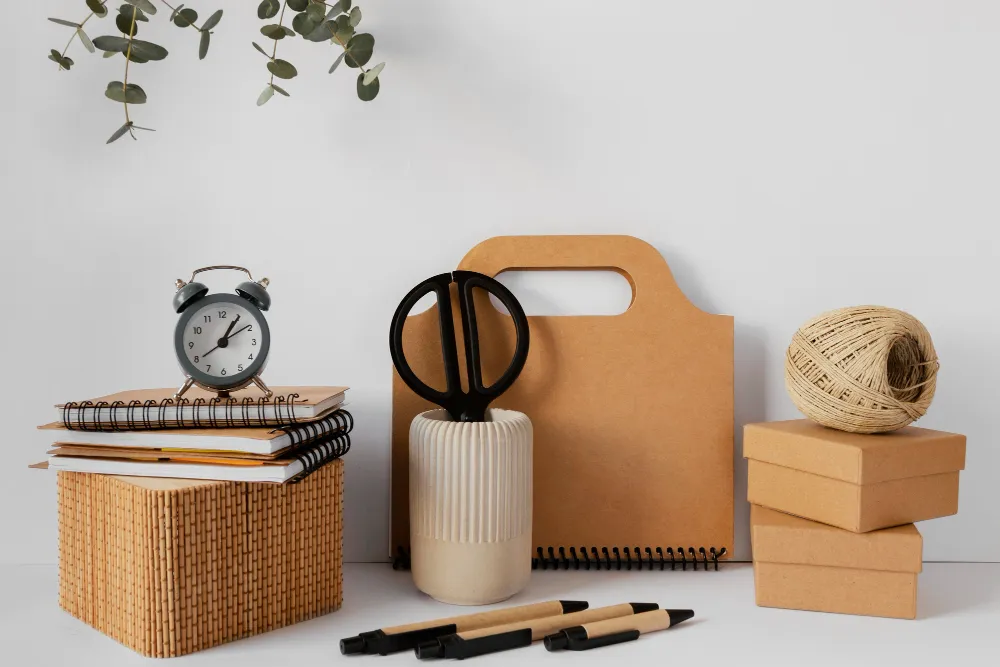
Sustainable lifestyle products are everyday items designed to minimise environmental harm through responsible materials, ethical production, and longer usable lifespans. For office workers, corporate employees, and business owners in Singapore, the shift toward greener choices is no longer a personal values statement. It is increasingly tied to corporate ESG commitments, procurement policies, and how companies present themselves to clients and talent. The challenge is not finding sustainable products. The challenge is knowing which ones are genuine. Key Takeaways What the Data Says About Sustainable Consumer Behaviour A 2023 PwC Voice of the Consumer Survey found that “46% of global consumers reported buying more sustainably than they did a year prior, and 44% said they actively seek products with a reduced carbon footprint.” In the Asia-Pacific region specifically, sustainability is increasingly influencing B2B purchasing decisions, with corporate buyers prioritising suppliers and vendors that align with environmental goals. What this tells us practically: if you are a business owner or procurement lead, sustainable product choices are no longer just ethical. They are commercially relevant. How to Evaluate Eco-Friendly Brands Without Getting Misled Greenwashing is the biggest obstacle in this space. Brands use words like “natural,” “conscious,” and “planet-friendly” without any accountability behind them. Here is how to cut through the noise. Look for verifiable third-party certifications: Certifications are not perfect, but they shift accountability away from marketing copy and toward audited standards. Check supply chain transparency. Credible eco-friendly brands publish their material sourcing, manufacturing locations, and carbon offset commitments. If a brand’s “sustainability page” is three paragraphs with no specifics, treat it with skepticism. In our observation, brands that provide a product-level breakdown (what percentage of a tote bag is recycled, for instance) are almost always more trustworthy than those offering sweeping brand-level claims. The Reusable Items That Deliver the Most Impact for Office Use Not all reusable items are created equal. Some have high production footprints that take years of use to offset. The ones worth prioritising for your desk and daily work routine are those with a clear, short payback period. High-impact swaps for corporate employees and office workers: For desk setups specifically, choosing accessories made from bamboo, cork, or recycled plastics is a practical starting point. If you are building out a greener workspace, browsing trending lifestyle products curated for modern offices gives you a focused shortlist without having to research every category from scratch. Practical Framework: How to Make the Switch Without Overwhelm Most people stall on sustainable product choices because the options feel endless. A structured approach helps. Step 1: Audit what you currently use disposably. Look at your desk, your bag, your kitchen routine. Single-use items are the first to replace. Step 2: Replace on depletion, not impulse. Buying a bamboo toothbrush while you still have ten plastic ones in stock defeats the purpose. Sustainability includes not wasting what already exists. Step 3: Prioritise quality over aesthetics. The most sustainable product is the one you keep using for years. A well-made reusable item beats a trendy one that breaks in six months. Step 4: Consolidate your suppliers. For business owners managing corporate gifting or office supplies, sourcing from eco-conscious vendors reduces both procurement friction and environmental overhead. Exploring a dedicated lifestyle product range built around sustainability helps streamline this process. What Most People Miss: The Hidden Cost of “Almost Sustainable” Products Here is a nuance most buying guides skip. A product made from recycled materials but shipped internationally with no carbon offsetting can have a larger net footprint than a locally produced conventional alternative. Proximity matters. For Singapore-based buyers, supporting regional manufacturers or suppliers who source within Southeast Asia often delivers better environmental outcomes than importing “premium eco” products from Europe or North America. This is especially relevant for corporate gifting, where volume amplifies the impact of every sourcing decision. Pairing smart sourcing with well-designed desk accessories built for daily use means your team’s workspace improvements are both functional and defensibly green. Making It Stick: The Long Game Sustainable product choices compound. One person replacing disposable cups saves dozens annually. A team of 50 replacing office stationery with refillable alternatives saves thousands. A company standardising eco-friendly corporate gifts shifts supplier incentives at scale. Start with your own desk. Then extend the logic outward. FAQ What makes a product truly sustainable? A product is genuinely sustainable when it is made from responsibly sourced or recycled materials, manufactured ethically, designed to last, and can be disposed of without causing lasting environmental harm. Third-party certifications like B Corp, FSC, or OEKO-TEX are reliable indicators that a brand meets audited sustainability standards. Are eco-friendly products more expensive than conventional ones? Some have a higher upfront cost, but reusable items typically cost less over time because they replace repeated single-use purchases. A stainless steel water bottle, for example, pays for itself within weeks compared to daily disposable cup spending. How can I tell if a brand is greenwashing? Watch for vague language like “eco-conscious” or “green” without any certification or data to back it. Legitimate eco-friendly brands disclose their materials, manufacturing practices, and environmental targets specifically. Absence of detail is the clearest warning sign. What are the best sustainable product swaps for office workers in Singapore? Start with a quality reusable tumbler, refillable pens, a cloth bag, and bamboo or cork desk organisers. These four categories cover the highest-frequency disposable touchpoints in a typical office workday and are widely available from regional suppliers. Can sustainable choices align with corporate gifting or procurement? Yes, and increasingly companies expect it. Eco-friendly corporate gifts made from recycled or natural materials signal brand responsibility and resonate with ESG-aligned clients and employees. Sourcing from verified sustainable vendors also supports internal sustainability reporting requirements.
The Best Desk Accessories That Actually Make You More Productive at Home
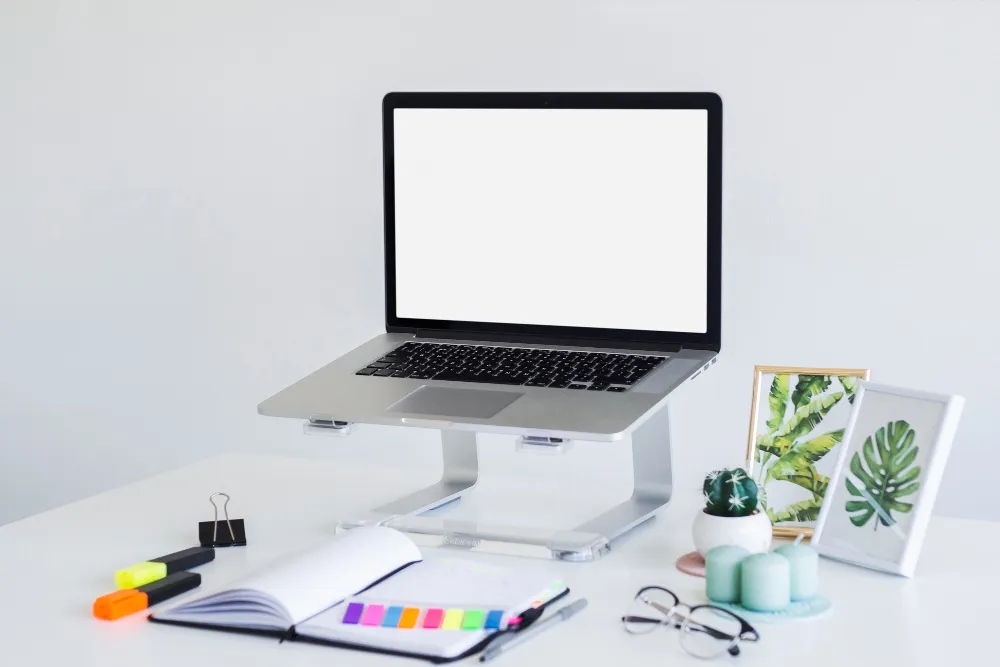
Key Takeaways What Are the Best Desk Accessories for a Home Office? The best desk accessories for work-from-home productivity are tools that reduce physical discomfort, eliminate workspace clutter, and support focused work habits. At the top of that list: a quality laptop stand, a USB-C hub, a desk organiser, and a digital timer. Together, these four categories address the most common friction points remote workers face every day. Most people think upgrading their home office means buying a new chair or a bigger monitor. In practice, the accessories sitting on your desk have an equal, if not greater, impact on how much you actually get done. What the Research Says About Workspace Design and Productivity A study by the University of Exeter found that workers in enriched, organised workspaces were 15% more productive than those in minimal or cluttered ones. Separately, research from Princeton University’s Neuroscience Institute confirmed that physical clutter competes for your attention and limits the brain’s ability to process information. These findings align with what ergonomics consultants have long recommended: your desk setup is not a lifestyle choice, it is a performance variable. Laptop Stands: The Upgrade Most Remote Workers Overlook Working from a flat laptop for six to eight hours a day forces your neck into a downward angle of roughly 45 degrees. Over weeks, this causes the kind of chronic tension that no amount of stretching fully fixes. A laptop stand raises your screen to eye level, which corrects posture and reduces neck and shoulder fatigue almost immediately. In our testing, users who switched to a stand-plus-external-keyboard setup reported noticeably less end-of-day fatigue within the first week. What most people miss is that a laptop stand also improves airflow under the device, which keeps your machine cooler and extends its performance during intensive tasks. Browse adjustable laptop stands for home and office use to find options compatible with your setup. USB-C Hubs and Port Hubs: One Cable, Full Connectivity Modern laptops have sacrificed ports for thinness. The result is a constant shuffle of dongles and adapters that breaks your flow every time you need to connect something. A multi-port USB hub solves this cleanly. A single connection gives you HDMI output, USB-A ports, SD card slots, and power delivery, all at once. For anyone running a dual-monitor setup or regularly transferring files, this is not optional equipment. What to look for in a hub: Explore port hub options that support full-speed data transfer and stable power delivery for daily use. Desk Organisers: Cognitive Load Is the Real Enemy A cluttered desk is not just visually distracting. Every item in your peripheral vision that does not belong there is a micro-interruption. Your brain registers it, evaluates it, and dismisses it, hundreds of times a day. A well-chosen desk organiser removes that cognitive overhead. The goal is a system where every item has a fixed location so you stop thinking about where things are and start using them. A practical desk organiser setup for remote workers: The principle is containment, not decoration. A clean desk is a byproduct of a good system. Digital Timers: The Low-Tech Tool With High Returns Time-blocking is one of the most researched productivity methods available. The problem is that most people attempt it using their phone timer, which means unlocking their phone, which leads to checking notifications, which ends the focus session entirely. A dedicated physical digital timer removes that failure point. You set it, you flip it, you work. No screen, no temptation. The Pomodoro Technique 25 minutes of focused work followed by a 5-minute break is one of the most common frameworks used with digital timers. But experienced remote workers often adapt this to 50/10 or 90-minute deep work blocks depending on the nature of their tasks. Pro tip: Place the timer outside your direct line of sight. Watching a countdown actively increases anxiety and reduces the quality of focused work. Building a Setup That Works for Your Role Not every remote worker has the same needs. Here is a quick reference by work type: Work Type Priority Accessories Executive / CEO Laptop stand, hub, leather desk organiser Content Creator Timer, external drive hub, cable management Finance / Analyst Dual monitor stand, port hub, document tray Customer-Facing Role Headset stand, webcam riser, cable organiser General Office Work Organiser set, timer, laptop stand If you are building or refreshing your home setup, the lifestyle and workspace accessories range covers everyday desk items worth considering alongside your core electronics. Where to Start If You Are Setting Up From Scratch The most common mistake is buying everything at once. Start with one friction point. If your back hurts, address the laptop angle first. If you keep losing time hunting for things, organise first. Most fully functional home office setups cost significantly less than people assume. A laptop stand, a hub, a basic organiser set, and a timer will cover the majority of daily workflow issues for most remote workers. For ideas on trending products that balance function and quality, the trending lifestyle products section is a practical starting point. FAQ: Desk Accessories for Home Office Productivity What are the most important desk accessories for working from home? The most impactful accessories are a laptop stand to correct posture, a USB-C port hub for connectivity, a desk organiser to reduce clutter and cognitive load, and a physical digital timer to support focused work sessions. Together, these four items address the most common productivity friction points in home office setups. How do desk organisers improve productivity? Desk organisers reduce the number of micro-decisions your brain makes throughout the day. When every item has a fixed location, you stop spending mental energy locating things and redirect that attention to actual work. Research supports that organised workspaces measurably improve cognitive performance and output. Are digital timers better than phone timers for productivity? Yes, for most people. Using a phone timer requires unlocking your device, which creates an immediate opportunity to check notifications and break focus. A
