
MOQ & Lead Times for Custom Leather Products in Singapore: What Every Business Should Know
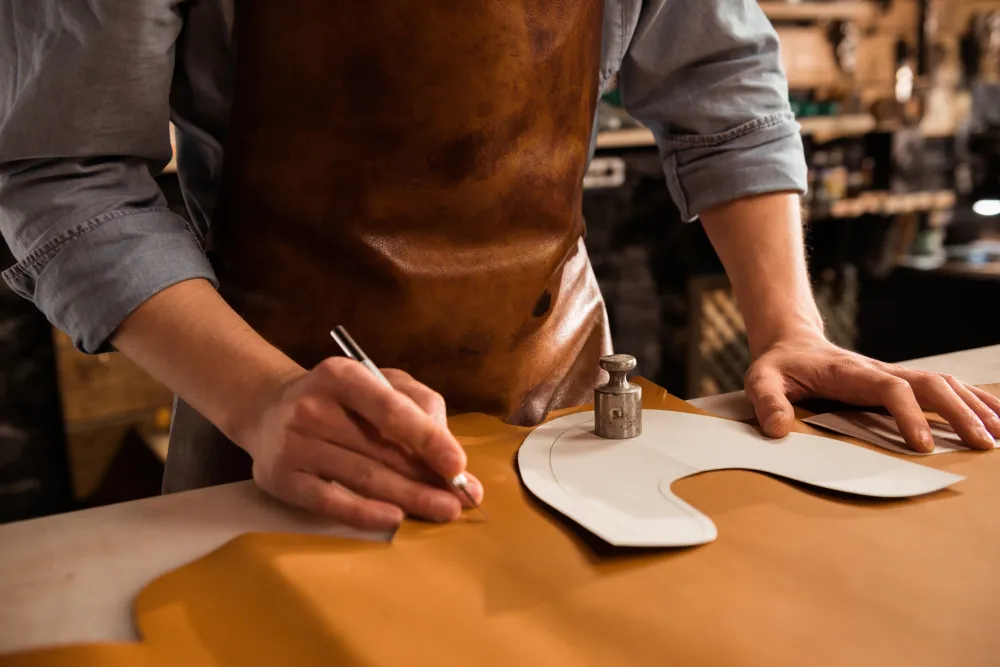
Key Takeaways What Are the Typical MOQ and Lead Times for Custom Leather Products? For most corporate buyers in Singapore, the answer is: it depends on the level of customisation. Ready-made leather items with a logo stamp or deboss typically carry no formal MOQ and a lead time of 10 to 15 days. Fully bespoke custom leather products, where the design, dimensions, and material grade are built from scratch, generally require a minimum of 50 to 300 pieces and a production window of 4 to 10 weeks. Understanding this split early saves you from the most common procurement mistake: assuming a short turnaround because the product looks simple. Why Singapore Businesses Are Ordering More Custom Leather Gifts Corporate gifting is growing. The global corporate gifting market is projected to reach $919.9 billion in 2025, up from $839.6 billion in 2024, at a CAGR of 9.6%. Within Asia-Pacific specifically, the fastest growth is happening in the Asia-Pacific region at 9.05% yearly, driven by businesses that recognise gift-giving as a structured relationship-building tool rather than a one-off gesture. In Singapore, premiumisation is the dominant trend. Companies are moving away from generic giveaways and toward personalised leather accessories, such as cardholders, portfolios, passport holders, and tote bags, because these items carry perceived value and get used repeatedly. Research shows that 67% of businesses say corporate gifting significantly improves brand image, and companies with corporate gifting programs see 31% lower voluntary turnover. That data makes leather, a premium and durable material, a category worth planning carefully. Breaking Down MOQ: What Actually Affects Your Minimum Order MOQ is not an arbitrary number. It reflects the economics of setup, material cutting, tooling, and finishing that a supplier absorbs before the first unit is even completed. Ready-Made Items With Logo Customisation For ready-made gifts that require only a corporate logo, no MOQ is required, and the production lead time runs approximately 10 to 15 days. This is your fastest and most flexible option. The tradeoff is that the product shape and design are fixed. Semi-Custom and Catalogue Designs With Branding These typically carry an MOQ of 50 pieces. Creating a new bespoke design with an MOQ of 50 pieces carries a prototyping lead time of 2 to 4 weeks and a production lead time of 4 weeks. You get more brand alignment than a stock item, but the base design framework is already tested, which speeds up production. Fully Bespoke Custom Leather Products This is where MOQs climb. A MOQ of 300 pieces is required for fully bespoke leather items not seen in a supplier’s standard product range, with a production lead time of approximately 60 to 75 days. What most people miss is that the MOQ threshold is not always fixed. We’ve observed that corporate buyers who come in with clear artwork, confirmed colour references, and a firm purchase order can sometimes negotiate MOQs down, especially outside peak festive periods. Suppliers are more flexible when their production calendar has breathing room. Lead Times in Detail: A Practical Reference Here is how production timelines typically break down across the three customisation tiers: Customisation Level MOQ Lead Time Logo stamp on ready-made item None 10 to 15 days Catalogue design with custom branding 50 pieces 3 to 6 weeks Fully bespoke leather product 100 to 300+ pieces 6 to 10 weeks These figures assume your artwork is finalised at the time of order. Delays in artwork approval, colour confirmation, or sample sign-off add time linearly. A supplier cannot begin cutting leather until the proof is confirmed. Peak Period Warning It is always recommended to confirm timelines early, especially during peak festive seasons. In Singapore, the windows from October to January and April to May (around Hari Raya and Mother’s Day) see supplier capacity fill quickly. If your order lands during these periods, add at least two extra weeks to every estimate above. How Order Quantity Affects Pricing The relationship between quantity and cost per unit is steep for leather goods. Unlike printed merchandise where setup is the main cost driver, leather products involve material waste, skilled handwork, and finishing time per unit. At low volumes, suppliers cannot amortise these costs effectively. In-stock products with standard printing typically take around 7 to 10 working days, while customised or overseas-manufactured items may require 3 to 6 weeks including shipping. Locally produced or locally assembled leather items command a premium but offer shorter revision cycles and easier quality checks. A practical benchmark from our experience: moving from a 50-piece order to a 200-piece order on a custom cardholder can reduce the per-unit cost by 25 to 35%. For companies with an annual gifting budget, consolidating one larger order is almost always more economical than placing multiple smaller runs. If you are evaluating which leather products offer the best ROI for your brand, the leather collection at Switts gives a useful reference point for what is available across different price tiers and product categories. Sampling: The Step Most Buyers Skip Skipping sample approval is the single biggest source of complaints in custom leather orders. Leather is a natural material. The same shade of “navy blue” looks noticeably different on full-grain versus PU leather. Embossing depth varies depending on the tanning process and surface hardness. Request a physical sample before confirming bulk production. For bespoke orders, build the sample review into your timeline explicitly. A two-week sample round-trip is normal; three weeks is not unusual if adjustments are needed. Requesting a physical sample before confirming a bulk order is highly recommended. This allows you to assess material quality, print accuracy, packaging, and overall finish. If you want to understand how leather grade selection affects the final look and perceived value of a gift, the guide on choosing leather corporate gifts covers the key distinctions between full-grain, top-grain, and bonded leather in a corporate context. What to Prepare Before You Contact a Supplier Walk in with these five things and your procurement process will move significantly faster: Personalised leather gifts deliver measurable brand
How Personalised Leather Gifts Increase Brand Value
Key Takeaways What Makes Personalised Leather Gifts a Brand-Building Tool? Personalised leather gifts increase brand value by turning a functional object into a long-term, daily brand impression. Unlike digital ads or printed flyers, a quality leather item sits on a desk, travels in a bag, or rests in a pocket carrying your logo or a recipient’s custom name every single day. The personalisation is what transforms the object from a gift into a statement of intent. Most companies understand that gifting matters. What they underestimate is that the material choice carries as much brand signal as the logo itself. Leather communicates permanence, quality, and attention to detail the exact values most corporate brands want associated with their name. The Data Behind Personalised Corporate Gifting The numbers here are hard to ignore. According to research compiled by GiftAFeeling’s Shared Secrets Lab, “branded merchandise achieves an 85% top-of-mind recall rate higher than any other marketing channel.” The same study found that 67% of businesses report corporate gifting significantly improves brand image, and companies running structured gifting programmes see up to 5x ROI in client retention and employee engagement. Separately, the global personalised gifts market was valued at USD 30.84 billion in 2024 and is forecast to reach USD 63.28 billion by 2032, growing at a 9.4% CAGR. The growth is driven specifically by consumer preference for products that reflect thoughtfulness which is precisely where leather with custom engraving or embossing punches above its weight class. (Source: Data Bridge Market Research) The takeaway: personalised gifting is not a soft, feel-good marketing tactic. It is a measurable brand investment. Why Leather Specifically Elevates Brand Perception The Psychology of Material Quality There is a reason luxury houses like Hermès and Montblanc have built billion-dollar brand empires on leather. The global luxury leather goods market was valued at USD 97.20 billion in 2023 and is projected to reach USD 140.55 billion by 2030. Consumer behaviour research consistently shows that leather triggers perceptions of durability, craftsmanship, and status a halo effect that extends to any brand whose logo appears on it. When a CEO hands a new client a full-grain leather portfolio embossed with the company logo, they are not just giving a gift. They are associating their brand with those qualities in the recipient’s mind. Longevity as a Marketing Multiplier A leather cardholder, passport holder, or notebook cover does not get thrown away after a week. We have observed that well-crafted leather corporate gifts remain in active daily use for three to five years on average. Every day that item is used, the brand impression is renewed without additional spend. That kind of extended exposure does not exist with perishable gifts or fast-fashion merchandise. How Custom Names and Corporate Logos Work Differently This is a distinction most gifting guides miss entirely. Custom names and corporate logos serve two distinct psychological functions, and the best campaigns use both strategically. Custom names (debossed or engraved on the item itself) create a sense of individual recognition. The recipient feels seen as a person, not just as a job title or a client account number. This is especially powerful for employee gifts, long-term client appreciation, and executive onboarding kits. Corporate logos, applied through laser engraving, foil stamping, or embossing, serve a different purpose. They keep the brand visible without being intrusive. A logo on the interior lining of a leather notebook is far more elegant than a logo plastered across the front and recipients are significantly more likely to use, and display, a gift that does not feel like a walking advertisement. The smart approach: use the recipient’s name on the exterior, your logo on the interior. It signals that the gift was made for them, while the brand remains quietly present every time they open it. For a practical overview of how to make these decisions well, the guide on choosing leather corporate gifts covers material grades, engraving methods, and how to match gift type to recipient role. The Right Occasions for Branded Leather Merchandise Leather gifts carry weight precisely because they feel considered. Using them indiscriminately dilutes that effect. Based on what works consistently in the Singapore corporate market, the highest-impact use cases are: If you are planning an event-specific rollout, the resource on branded leather merchandise for events outlines how to approach bulk personalisation without sacrificing the individual feel. What Most Companies Get Wrong With Logo Placement Oversized logos are the single most common mistake in corporate leather gifting. A logo that dominates the front face of a leather wallet communicates the wrong priority it says the gift was for the company’s benefit, not the recipient’s. Pro tip: Request a blind emboss (no ink or foil, just the impression of the logo pressed into the leather) rather than a full colour print. It reads as high-end, subtle, and intentional. Colour printing on leather can look impressive in a catalogue and cheap in person, depending on the leather grade and finish. For businesses ordering at scale, request a physical sample before committing to a full run. The difference between full-grain and bonded leather under an emboss is significant, and it shows immediately. Building a Long-Term Gifting Strategy Around Leather One-off gifts create one-off impressions. The companies that see measurable brand value from personalised leather gifts treat them as part of a recurring touchpoint strategy, not a one-time expense. A simple framework: Explore the full range of available corporate leather options in the leather collection to identify which items fit each tier of your gifting strategy. Make Your Brand Impossible to Forget The brands that leave a lasting impression are not always the ones with the biggest advertising budgets. They are the ones that show up in the right moment, with the right object, in a way that makes the recipient feel the decision was made specifically for them. Personalised leather gifts with custom names and corporate logos do exactly that. They carry your brand into boardrooms, business trips, and daily routines long after the gifting moment has
Debossing vs Foil Stamping: Which Branding Style is Better?
Key Takeaways What Is the Actual Difference Between Debossing vs Foil Stamping? When you pick up a leather notebook with your company logo pressed into the cover, that is debossing. When the logo gleams in gold or silver, that is foil stamping specifically hot foil stamping or heat stamping. The two techniques are often compared, but they accomplish different things. Debossing uses a heated metal die to press a design into the surface of leather, paper, or cardstock, creating a recessed impression. The result is subtle, tactile, and long-lasting. Foil stamping uses heat, pressure, and a thin metallic or pigmented foil sheet to transfer a shiny, reflective finish onto your material. The result is visual impact a logo that catches light and commands attention. For corporate branding in Singapore, this distinction matters. The technique you choose communicates something specific about your brand before anyone reads a single word. Why the Packaging and Branding Industry Takes This Seriously This is not a minor design preference. Research consistently links tactile finishing techniques to measurable commercial outcomes. A 2024 Consumer Reports survey found that “63% of shoppers are willing to pay a premium for products with upscale packaging, with foil boosting perceived value by up to 20% without a proportional cost increase.“ The underlying reason is behavioral. Embossing forces a consumer to keep the package in hand long enough for the brand to “land,” and that dwell time is tied to perceived uniqueness and willingness to pay especially when the impression is visually salient and invites touch. The same logic applies to debossed corporate gifts: a leather cardholder with a precisely pressed logo holds attention in a way that a printed one simply does not. Breaking Down Each Technique Debossing: The Case for Subtlety Debossing is a popular pick for items like stationery, journals, and packaging when you want your design to look refined without being flashy. The die is typically made from brass, magnesium, or steel. Heat and pressure are applied for one to three seconds, and the result is a clean, permanent impression. What most people miss is how well debossing ages on leather. Unlike surface coatings, the impression is structural it does not peel, fade, or crack with regular handling. For items like wallets, passport holders, or desk accessories that will be used daily for years, this matters enormously. There are a few things to keep in mind: If you are sourcing branded leather merchandise for corporate events, debossing is often the most practical choice for high-volume orders where durability and consistency matter. Foil Stamping (Heat Stamping): The Case for Impact Foil stamping, frequently referred to as hot stamping, is a specialty printing process used in print finishing to add metallic or pigmented effects to materials like paper or cardstock. The process uses a custom metal die, a heated press, and a roll of foil gold foil, silver, rose gold, holographic, and matte black are all common choices. The visual result is immediate and unmistakable. Gold foil on a dark leather cover reads premium. Holographic foil on a gift box reads modern and creative. The challenge is longevity: foils can fade or scratch with heavy use, especially on wallets or straps that are constantly handled. This makes foil stamping better suited for: Custom Embossing: The Third Option You Should Know Custom embossing is the raised counterpart to debossing. Instead of pressing the design in, embossing pushes it upward using a two-piece die (male and female). The result is a three-dimensional logo that stands above the surface. A gold-foil embossed logo screams luxury, while a blind debossed logo whispers minimalism. That contrast sums up the practical decision framework. Embossing combined with gold foil is the go-to finish for the highest-end leather goods think Montblanc notebooks or luxury cardholders. Standalone custom embossing without foil is less common in corporate gifting, but creates a striking effect on heavier leather and premium paper stocks. Debossing vs Foil Stamping: A Direct Comparison Factor Debossing Foil Stamping (Heat Stamp) Visual effect Subtle, recessed Bold, reflective, metallic Tactile feel Deep, permanent impression Smooth raised surface Durability on leather Excellent lasts years Moderate can scratch/fade Design complexity Best with simple, bold designs Best with clean, high-contrast logos Cost Lower die setup, consistent cost Slightly higher (foil material + time) Best use case Daily-use leather gifts Premium packaging, event kits Can they be combined? Yes foil-deboss gives both effects Yes — combine with embossing or debossing How to Choose the Right Technique for Your Brand Consider the Item’s Lifespan If the gift is something a recipient will use every day a notebook, a passport holder, a luggage tag debossing is the more intelligent choice. It will look as sharp in three years as it does on day one. For items that serve a single occasion, like a gift box or a folder presented at a conference, foil stamping’s visual drama is fully justified. Consider Your Brand Personality A law firm, a private bank, or a consultancy often gravitates toward debossing because it reads as precise and understated. A tech company launching a product, an agency presenting a new campaign, or a brand that lives in the premium consumer space may prefer the energy that gold foil communicates. We’ve observed that companies with neutral or dark brand palettes get the most from gold foil stamping, because the contrast is maximum. Brands with bright or varied palettes sometimes find that a clean blind deboss looks more sophisticated than competing finishes. Consider Production Volume Custom dies for both techniques involve a setup cost. For foil stamping at scale, hot stamping becomes increasingly cost-efficient at higher quantities. For smaller, more personalized runs individual employee gifts or executive-level items debossing without foil is often the most viable route. You can explore the full range of options available in the leather collection at Switts to understand what each technique looks like in practice. The Combination Approach: When to Use Both Here is something that rarely gets discussed in generic articles: you do not have
What to Consider When Choosing Leather Corporate Gifts
When choosing leather corporate gifts, the most important factors are leather quality, price range, recipient relevance, and customization options. Get these four right, and you have a gift that recipients will use for years rather than leave in a drawer. Corporate gifting is more strategic than it used to be. According to a 2025 report by GiftAFeeling, “around 62% of people say the quality of the gift is very important when receiving a corporate gift and roughly 40% of gifts still end up in landfills when that quality mark is missed. Leather, chosen thoughtfully, almost always clears that bar.“ Key Takeaways Why Leather Remains a Smart Corporate Gift Choice Some gift categories come and go with trends. Leather is not one of them. What we have observed across corporate gifting programs is that leather items wallets, cardholders, portfolios, laptop sleeves consistently rank among the highest-retention gifts employees and clients actually keep. The reason is straightforward: leather improves with use. A quality leather notebook cover or desk organizer develops character over time. It signals that the giver thought about longevity, not just budget. That impression matters in professional contexts, especially when the goal is relationship-building. Leather also photographs well for onboarding kits and gift-reveal moments shared internally or on social media a small but increasingly relevant consideration for employer-branding efforts. Understanding Leather Quality and Durability This is where most buyers go wrong. Not all leather is equal, and the difference in durability between grades is significant. Full-grain leather is the highest quality. It retains the natural surface of the hide, which means it resists moisture better and develops a distinctive patina over time. Products made from full-grain leather typically last a decade or more with basic care. Top-grain leather has had the outermost layer sanded to remove imperfections. It is more uniform in appearance and still highly durable a solid choice for most corporate gift applications where consistency across large orders matters. Bonded leather (sometimes called “genuine leather”) is a composite material made from leather scraps bonded with polyurethane. It tends to peel within 2-3 years. For gifts meant to represent your brand, bonded leather can do more harm than good. When sourcing leather products for employees, always ask your supplier to specify the leather grade. A reputable vendor will confirm this without hesitation. Price Range: Setting a Budget That Reflects Your Intent Corporate gift budgets vary widely depending on recipient seniority, occasion, and company culture. Here is a practical breakdown for leather gifts: Budget Tier Typical Items Best For SGD 20 – 50 Card holder, key fob, luggage tag Team gifts, events, large-scale distributions SGD 50 – 120 Wallet, passport holder, pen case Employee recognition, client appreciation SGD 120 – 300 Portfolio, laptop sleeve, desk set Senior staff, long-term clients, VIP onboarding SGD 300+ Full-grain briefcase, bespoke set Executive-level gifting, milestone rewards One thing worth flagging: the cost of personalization (embossing a name or logo) typically adds SGD 5-20 per item depending on complexity. Budget for this upfront. The ROI is worth it personalized gifts are significantly less likely to be passed on or discarded. For a curated selection across these price points, the Switts leather collection covers a range of options suitable for different gifting occasions and company scales. Matching the Gift to the Recipient A common mistake is choosing leather gifts based on what looks impressive rather than what serves the recipient’s daily workflow. A beautiful leather portfolio given to someone who works entirely on a tablet is a wasted investment. For office workers and executives: Cardholders, premium wallets, and desktop organisers are used daily. These make strong impressions precisely because recipients interact with them repeatedly. For remote or hybrid workers: Laptop sleeves and cable organisers in leather are practical and appreciated. They bring a tactile premium to a home office environment. For C-suite and senior management: Personalised full-grain portfolios or briefcases communicate respect for their role. At this level, quality over quantity applies strictly. For clients and partners: The goal is memorability and daily visibility. A leather cardholder or passport holder keeps your brand in sight without being intrusive. Explore a focused range of best leather corporate gifts that maps well to different recipient profiles and gifting purposes. Customization: The Detail That Separates Good Gifts from Memorable Ones Personalization is the single highest-leverage variable in corporate gifting. Research from Giftpack.ai (2024) found that 89% of companies report higher ROI on personalized gifts compared to generic ones. For leather, customization typically takes three forms: What most buyers miss is the minimum order quantity (MOQ) requirement for customization. Many suppliers require 20-50 units minimum for embossed corporate orders. If you need fewer pieces, look for suppliers who offer single-item personalization, though unit costs will be higher. Sustainability Considerations This is a growing concern among corporate buyers, particularly for companies with ESG commitments. There are two reasonable approaches: Opt for higher-quality leather that lasts longer. A full-grain leather item used for 10 years has a significantly lower environmental footprint per use than a bonded leather item replaced every 2-3 years. Consider vegetable-tanned leather. Unlike chrome-tanned leather (the industry default), vegetable tanning uses natural tannins and produces fewer toxic by-products. It is a legitimate differentiator for brands that want to communicate environmental consciousness. Practical Tips Before You Place a Bulk Order A Final Word on Choosing Right Leather corporate gifts earn their reputation not through novelty but through staying power. They sit on desks, travel in bags, and get handled daily all contexts where your brand gets quiet but consistent visibility. The decision ultimately comes down to knowing your audience, choosing a leather grade that matches your price range honestly, and adding personalization wherever feasible. Done right, a leather gift does not just thank someone. It builds a connection that outlasts the occasion it celebrated. Frequently Asked Questions What is the best type of leather for corporate gifts? Full-grain and top-grain leather are the best choices for corporate gifts. Full-grain offers superior durability and develops a premium patina over time.
Branded Leather Merchandise for Events & Conferences: The Corporate Gifting Guide
Key Takeaways What Is Branded Leather Merchandise, and Why Does It Work? Branded leather merchandise refers to leather goods, such as wallets, cardholders, notebook covers, and portfolios, that carry a company’s logo, name, or personalised details through engraving or debossing. At corporate events and conferences, these items serve a dual purpose: they function as useful daily tools and as physical extensions of your brand identity. The reason leather works so well in a corporate context comes down to material perception. Unlike polyester lanyards or generic tote bags, leather communicates permanence and quality from the moment someone holds it. That first impression has a direct effect on how attendees perceive the brand handing it to them. What Research Says About Branded Gifts and Brand Recall The numbers behind corporate gifting are compelling. According to a study by the Promotional Products Association International (PPAI), “83% of consumers said they were more likely to do business with a brand after receiving a promotional product, and items used daily, such as desk accessories and bags, generated the highest brand impressions per dollar spent.“ We’ve observed this consistently in the Singapore corporate market: leather gifts distributed at industry conferences are retained at significantly higher rates than paper-based or plastic alternatives. The durability of leather means your branding continues working months and even years after the event. Why Leather Stands Apart from Generic Corporate Giveaways Most promotional merchandise gets discarded within weeks. The problem is not the branding, it is the product. When someone receives an item they would never buy themselves, it ends up in a drawer. Leather is different because it is a material people actively seek out. A well-made leather cardholder or notebook cover becomes part of a professional’s daily kit. If you want to understand why this material consistently earns premium status in gifting, the reasoning goes deeper than aesthetics. Switts explains why leather gifts are seen as premium corporate items and covers the psychology and craftsmanship behind that perception. What most people miss is the retention rate. A quality leather item is used daily for years, meaning your logo accumulates thousands of brand impressions at a cost far lower than most digital advertising. Choosing the Right Leather Products for Your Event Format Not every event calls for the same product. The gifting tier should match the audience and occasion. For Large-Scale Conferences and Trade Shows When you are gifting hundreds or thousands of attendees, cost per unit matters. The goal is maximum brand visibility without compromising on quality perception. Strong choices include: For Executive Dinners and VIP Events Smaller guest lists allow for higher per-unit investment. This is where leather merchandise becomes a genuinely memorable brand touchpoint. Consider: For a full breakdown of products suited to employee and executive audiences, Switts leather products for employees covers a practical range of options with customisation details. For Product Launches and Brand Milestones Here, the gift needs to tell a story. A leather item paired with premium packaging, a personalised note, and thoughtful customisation can reinforce the brand narrative of the event itself. Getting Customisation Right: Debossing vs. Printing This is where many corporate buyers make mistakes. The customisation method directly affects how professional the final product looks and how long it lasts. Debossing presses your logo into the leather surface, creating a recessed impression. It is the gold standard for leather because it ages beautifully and never fades or peels. Foil stamping adds metallic colour to the debossed impression, giving logos a striking, premium finish suited to event gifting. Direct printing on leather is faster and cheaper but shows wear over time. For conference giveaways where the item may not be retained long-term, it is acceptable. For executive gifts, avoid it. In our experience working with Singapore-based suppliers, the difference in cost between debossing and printing on a leather cardholder is often marginal at volume, but the difference in perceived quality is significant. Building a Branded Leather Gifting Strategy for Events A gifting strategy is not just about selecting products. It is about creating a coherent experience from the moment a recipient receives the item. Step 1: Define your gifting tiers. Are all attendees receiving the same item, or do VIPs get a differentiated gift? Clear tiers allow better budget allocation. Step 2: Anchor your customisation to the event theme. If your conference has a visual identity, your leather gifts should reflect it. Consistent colour, embossed logos, and on-brand packaging make the gift feel intentional. Step 3: Plan production timelines early. Leather goods require longer lead times than standard merchandise. For orders above 200 units with full customisation, allow at least three to four weeks. Singapore suppliers with local production capability can sometimes compress this, but it requires early coordination. Step 4: Consider the unboxing experience. A leather cardholder presented in a kraft paper sleeve with a personalised card communicates far more care than the same item tossed in a plastic bag. For curated product recommendations across all these tiers, best leather corporate gifts guide is a practical starting point. Sourcing Branded Leather Merchandise in Singapore Singapore’s corporate gifting market is mature, but quality varies significantly between suppliers. A few things to look for when evaluating suppliers for event-scale orders: If you are building out a broader leather gifting programme beyond a single event, browsing a full product catalogue helps identify consistent style families. The Switts leather collection offers a comprehensive view of what is available with corporate customisation. Make Your Brand the One They Remember Events are crowded with messages competing for attention. The branded merchandise you choose either reinforces your brand or disappears into the noise. Branded leather merchandise consistently outperforms generic alternatives because it earns daily use. Every time a recipient reaches for their cardholder in a meeting or opens a leather portfolio at their desk, your brand is there. That kind of sustained visibility cannot be bought through a single digital ad. Start with clarity on your audience and gifting tiers, choose customisation methods that match the quality
Leather Products for Employee Onboarding Kits: What Actually Works (and What Doesn’t)
Key Takeaways What Are Leather Products for Employee Onboarding Kits? Leather products for employee onboarding kits are curated, functional items made from genuine or premium synthetic leather that companies include in a new hire’s welcome package. They serve two purposes at once: equipping employees with tools they’ll use daily, and communicating the company’s brand values before the first meeting even begins. Done well, an onboarding kit with a leather component isn’t a freebie. It’s a statement. Companies across Singapore and the broader Asia-Pacific region are increasingly moving away from the pen-and-notepad combo toward thoughtful, durable items that employees actually want to keep on their desks and carry into client meetings. Why the Onboarding Gift Reflects Your Brand Image More Than You Think Research from Gallup’s State of the Global Workplace report consistently shows that “employee engagement begins forming within the first few days of employment, with first impressions of company culture having a lasting impact on retention and productivity.” A 2023 SHRM study found that “organisations with strong onboarding experiences improve new hire retention by 82%. The physical welcome kit a new employee receives sits right at the center of that first impression.“ We’ve observed across corporate gifting projects that when a new hire receives a premium leather notebook or cardholder on day one, the reaction is almost always the same: they notice the weight of it, the texture, the detail. That tactile moment communicates care in a way no onboarding email ever can. What most people miss is that the gift isn’t about the object itself. It’s about what the object says the company thinks of its people. A poorly made branded item says: “We bought 500 of these in bulk.” A well-made leather piece says: “We considered who you are and what you need.” For deeper context on why leather consistently lands as a premium choice, why leather gifts are seen as premium corporate items breaks this down in detail. The Best Leather Products to Include in an Employee Kit Not every leather item belongs in an onboarding kit. The goal is functional elegance, items that integrate into a workday rather than sit forgotten in a drawer. Leather Notebooks and Journals A leather-bound A5 notebook is arguably the most universally useful onboarding gift. New employees are constantly noting down names, processes, and tasks during their first weeks. A quality leather cover elevates that experience and doubles as a professional-looking accessory in meetings. Look for notebooks with refillable inserts. This extends the product’s life and reduces waste, which matters to sustainability-conscious employees. Cardholders and Passport Holders Business card exchanges remain common in Singapore’s corporate culture, particularly in client-facing roles. A slim leather cardholder is compact, elegant, and something an employee will carry every day. For executives or roles involving travel, a leather passport holder adds another layer of utility. These small items are where personalisation pays off most. An embossed name or initials transforms a functional accessory into something an employee genuinely claims as their own. Leather Desk Pads and Mouse Pads Desk accessories often get overlooked in onboarding kits because they feel too large or expensive. But a leather desk pad anchors a workspace and reinforces brand presence every single day. For hybrid workers who set up at home, it’s a subtle but effective way to keep the company’s aesthetic present in their environment. Laptop Sleeves and Portfolio Cases For roles where employees regularly present, pitch, or work remotely, a leather laptop sleeve or portfolio case is highly practical. It replaces items they would have bought themselves, which means it’s immediately valued rather than duplicated. To explore specific options worth considering, the leather collection covers a wide range of corporate-grade items suitable for onboarding contexts. How to Match Leather Gifts to Seniority and Role A one-size-fits-all approach to onboarding kits works against you. The items that excite a fresh graduate differ from what resonates with a regional director. Entry to mid-level employees respond well to cardholders, notebooks, and passport holders. These feel aspirational without being excessive, and they solve real daily problems. Senior managers and directors appreciate desk accessories and portfolio cases. The gift should feel proportional to their experience level without being ostentatious. C-suite executives and external hires warrant a more considered approach. A curated leather gift set, perhaps a cardholder paired with a leather-bound notebook in a branded gift box, signals the seniority of the hire while keeping things tasteful. For executive-level gifting, best leather corporate gifts provides a well-curated starting point. What to Look for When Sourcing Leather Onboarding Items Sourcing for volume is where quality often gets compromised. Here are the practical checkpoints to use when evaluating suppliers. A practical guide to evaluating what you’re actually getting is available at how to identify high-quality leather products. Building the Kit Around the Leather Piece The leather item should anchor the kit, not compete with it. Keep surrounding items minimal and complementary: a branded pen, a welcome card with a handwritten message from the team lead, and perhaps a card with the company’s values printed cleanly. Resist the temptation to fill the box. The unboxing experience matters. A clean, well-structured presentation with the leather item prominent and visible when the box is opened creates the right first moment. Make the First Day Count The onboarding kit is one of the few moments where a company gets to control the full experience. Most of the working relationship will be improvised, reactive, and collaborative. Day one is curated. Use that. A leather product chosen with intention communicates that the company values craft, considers its people, and pays attention to detail. Those are the same qualities most businesses want their employees to embody. The gift sets the tone before a single word is spoken. Start by selecting one or two pieces from a quality supplier, personalise them, and let the rest of the kit stay simple. That restraint is itself a brand statement. FAQ What leather products are most suitable for new employee welcome kits? Leather notebooks, cardholders,
Why Leather Gifts Are Seen as Premium Corporate Items
Leather gifts are considered premium corporate items because they combine durability, tactile luxury, and timeless aesthetics in a way few other materials can replicate. In a corporate gifting context, they signal that the giver values quality over convenience. Whether it’s a full-grain leather notebook cover or a slim cardholde, the material alone communicates intentionality. Key Takeaways The Psychology Behind Perceived Value in Corporate Gifts There is a reason why unboxing a leather wallet or portfolio feels different from receiving a branded pen. Researchers have found that tactile experience strongly influences perceived product quality. A study published in the Journal of Consumer Psychology found that “the physical weight and texture of an object directly shapes how consumers evaluate its worth. Leather, with its distinct grain, smell, and heft, activates this perception immediately.“ For corporate gifting, this matters. When a client or employee holds a well-made leather item, the brand associated with that gift inherits the same premium perception. What Makes Leather Gifts Stand Out in a Saturated Market Most corporate gifts are forgettable. Mugs, tote bags, and plastic items end up in drawers or donation boxes within weeks. Leather behaves differently. Leather gifts are used daily A leather cardholder sits in a wallet. A leather desk pad anchors a workspace. A portfolio travels to every client meeting. This daily visibility means your brand or message stays in circulation long after the gifting moment has passed. What most people miss is the compounding effect of a quality leather item: every time the recipient reaches for it, there is a subtle reinforcement of the relationship that produced it. Craftsmanship as a Brand Signal In B2B relationships and executive circles, the quality of a gift is read as a proxy for the quality of your business. Sending a poorly finished item can unintentionally communicate carelessness. Sending something made with genuine, high-grade leather communicates the opposite. Before selecting any leather product for corporate distribution, it is worth understanding how to identify high-quality leather products so you can confidently distinguish full-grain from bonded leather and avoid gifting something that deteriorates within months. Personalization Multiplies Impact Embossed initials, a company logo in blind stamp, or a recipient’s name foil-pressed onto a leather journal cover transforms a product into something singular. This personalization is difficult to replicate with cheaper materials and is one of the core reasons leather has retained its status in executive gifting for decades. How Leather Gifts Strengthen Brand Image Brand image is built through repeated, consistent impressions. A leather gift is not a one-time touchpoint. It becomes part of a recipient’s daily environment, functioning like a persistent, physical advertisement that carries no awkwardness. For companies focused on positioning whether as premium service providers, trusted partners, or innovation leaders the materials they associate their brand with send a clear signal. Pairing your logo with well-sourced leather says something that a plastic keychain cannot. If you are building a corporate gifting strategy around this positioning, browsing a curated selection of the best leather corporate gifts gives you a clearer picture of what formats tend to resonate across seniority levels, from junior staff to C-suite executives. Choosing the Right Leather Gift for the Right Audience Not every leather item works for every occasion or recipient. A few practical considerations: The full leather collection at Switts covers these categories with options suitable for both individual and bulk corporate orders, with customisation support. A Final Thought on Lasting Impressions Corporate gifts are investments in relationships, not expenses. Leather holds up to that framing in a way most materials do not. It ages well, improves with use in many cases, and carries an inherent cultural weight that spans industries and geographies. If your goal is to leave an impression that outlasts the gifting moment, leather is one of the few materials that can genuinely deliver on that promise. FAQ Why are leather gifts considered luxury corporate items? Leather carries an inherent perception of quality due to its texture, durability, and the craftsmanship required to work with it. In corporate contexts, gifting leather signals that the giver is invested in the relationship and values premium presentation over cost-cutting. What types of leather gifts are most suitable for executives? Leather portfolios, slim cardholders, personalised journals, and travel document organisers are consistently well-received at the executive level. Items that integrate into daily professional routines tend to have the highest long-term brand visibility. How does leather gifting affect brand image? A quality leather gift associates your brand with durability and refinement. Because recipients use leather items regularly, your brand stays visible in professional settings, reinforcing a positive brand image over months or years rather than days. Can leather gifts be personalised for corporate use? Yes. Most premium leather items support embossing, foil stamping, or laser engraving. These techniques allow companies to add logos, recipient names, or taglines without compromising the material’s aesthetics, and they significantly increase the perceived value of the gift. Is it worth investing in leather gifts for large-scale employee gifting? For milestone recognition, annual gifts, or onboarding packages, leather offers a cost-per-impression advantage that cheaper alternatives do not. A leather item used daily for two years costs a fraction of what repeated engagement campaigns would require to achieve the same brand reinforcement.
The Best Leather Corporate Gifts for Singapore Businesses (2026 Guide)
Key Takeaways What Makes Leather the Gold Standard for Corporate Gifting? The best leather corporate gifts work because they solve a real problem: most corporate gifts end up forgotten in a drawer. Leather doesn’t. A well-crafted leather card holder, passport wallet, or notebook cover lands on a desk and stays there, carrying your brand logo into every client meeting, every café catch-up, every airport lounge. In Singapore’s relationship-driven business culture, the gift you choose signals how seriously you take the relationship. Leather communicates permanence and quality in a way that plastic or synthetic alternatives simply cannot replicate. What the Data Says About Corporate Gifting ROI A study by the Advertising Specialty Institute (ASI) found that “85% of recipients who received a high-quality promotional product remembered the advertiser who gave it to them, and nearly half kept the item for over a year.“ When the item is functional and premium, that number climbs further. Leather accessories score particularly high on the “usefulness” metric, which ASI identifies as the single strongest predictor of whether a promotional item gets kept or discarded. In our experience working with Singapore-based procurement teams, leather gifts receive significantly fewer “what do I do with this?” moments compared to novelty items. That utility is the core of their ROI. Understanding Leather Quality Before You Buy This is where most bulk orders go wrong. Not all leather is equal, and a poorly made leather gift reflects on your brand just as much as a well-made one does. The four grades you need to know: Before placing any order, ask your supplier for a material specification sheet. Our detailed breakdown on leather grades explained walks you through exactly what to look for on those documents. You should also check out this guide on how to identify high-quality leather products before shortlisting suppliers. There are physical tests anyone can perform without specialist equipment. Why Singapore’s Climate Matters for Leather Gifts What most people overlook is Singapore’s year-round humidity. At an average of 80 to 84% relative humidity, leather stored or used here is under constant stress. Poor-quality hides crack, peel, and delaminate far faster in tropical conditions than in temperate climates. This means the leather grade decision is not just about aesthetics. It is a functional durability question. Full-grain and top-grain leathers treated with appropriate conditioning agents hold up far better in local conditions. If you are advising recipients on care, or including a care card with your gift, the article on how weather and humidity affect leather is a practical reference worth sharing. The Best Leather Corporate Gift Categories for Singapore Businesses Card Holders: The Highest-Utility Choice Business card exchange remains a genuine ritual in Singapore’s corporate environment, particularly in sectors like finance, law, and regional trade. A leather card holder is used multiple times a day, making it one of the most visible branded items you can give. The best card holders balance slim profile with capacity, typically holding eight to twelve cards without bulk. Debossed logos on card holders have a particularly premium finish because the impression sits flush with the leather surface rather than sitting on top of it. Browse the full range of leather card holders to see current customisation and material options available for corporate orders. Small Promotional Leather Gifts: Maximum Reach, Controlled Budget Not every gifting occasion calls for a premium wallet or portfolio. Small leather promotional items, including key fobs, cable organisers, luggage tags, and coin pouches, let you maintain leather quality at a price point that works for larger distribution numbers, such as trade shows, onboarding kits, or annual dinner door gifts. The key is to resist the temptation to drop to bonded or genuine leather just to hit a price target. A small item in top-grain leather still communicates quality. The same item in bonded leather communicates the opposite within six months when it starts peeling. Explore the small promotional leather gifts range for bulk-order options suitable for events and employee gifting programmes. Notebooks, Portfolios, and Desk Accessories For senior management gifts, client appreciation, or milestone recognition, leather portfolios and notebook covers occupy the premium tier. These items sit on desks, travel to boardrooms, and get noticed. Personalisation options like name embossing alongside a company logo add a layer of individual recognition that bulk-order items rarely achieve. How to Brief Your Supplier Correctly Getting the output right starts with the brief. These are the non-negotiables: You can also browse the full leather collection to understand the product categories and customisation options available before drafting your brief. Making the Right Choice for Your Brand The corporate gifting decision ultimately comes down to this: what do you want the recipient to think about your brand every time they reach for this item? Leather gifts, chosen correctly and manufactured to standard, answer that question well for years. Start with the end use case. Card holder for a client who attends three meetings a day. Luggage tag for a team that travels regionally. Small key fob for a large employee event. Match the product to the context, insist on top-grain leather as a minimum, and brief your supplier with specifics rather than adjectives. Done right, leather corporate gifts stop being a line item in the events budget and start being a consistent brand impression. FAQ What is the most popular leather corporate gift in Singapore? Leather card holders are consistently the top choice for Singapore businesses. They are practical in a business culture where card exchange is common, compact enough for bulk ordering, and offer excellent customisation options like debossing and foil stamping that hold up well over time. What leather grade should I specify for corporate gifts? Top-grain leather is the recommended minimum for corporate gifting. It offers a clean, consistent finish suitable for logo customisation and holds up well in Singapore’s humidity. Full-grain leather is the premium option for senior executive or VIP gifts where longevity and patina are part of the appeal. How do I customise leather corporate gifts with my
How Weather and Humidity Affect Leather in Singapore: A Complete Guide
Singapore’s climate is genuinely harsh on leather. The combination of near-constant humidity, daily heat, and frequent rain creates conditions that accelerate leather degradation faster than almost any temperate environment. If you own leather shoes, a briefcase, a belt, or a leather office chair, the tropical climate is actively working against you every single day. Understanding how weather and humidity affect leather is not just useful for collectors or leather enthusiasts. For corporate professionals and business owners who rely on leather goods to project credibility, it is a practical matter of protecting a real investment. Key Takeaways What Singapore’s Climate Actually Does to Leather The Science Behind Moisture Damage Leather is essentially processed animal skin. Its internal structure is a network of collagen fibres held together by natural oils and tanning agents. When ambient humidity climbs above 65%, those fibres begin absorbing atmospheric moisture continuously. In Singapore, where relative humidity rarely drops below 75% even indoors without air conditioning, this is a near-constant process. The absorbed moisture causes fibres to swell unevenly, weakening the structural integrity of the material over time. You will notice this first as subtle wrinkling, followed by stiffness when the leather dries out, and eventually cracking along stress points like folds and stitching lines. What most people miss is that the damage cycle is not just from getting wet. It is the repeated swelling and contraction from humidity fluctuating between an air-conditioned office (55–60% RH) and the outdoor environment (85–90% RH) that causes micro-tears in the fibre structure. This daily thermal and humidity shock is uniquely punishing in Singapore. The Research Behind Tropical Leather Degradation A study published by the Journal of Cultural Heritage found that “leather artefacts stored in environments exceeding 65% relative humidity showed measurable fibre degradation within 6 months, with mould colonisation occurring as early as 8–12 weeks under consistent high-humidity conditions.” While that research focused on archival materials, the underlying chemistry is identical for everyday leather goods. Singapore sits comfortably above that 65% danger threshold for most of the year. The takeaway is not alarmist. It is a calibration. You are not maintaining leather in a normal climate. You are managing a material under accelerated stress conditions. The Four Ways Humidity Destroys Leather in Singapore 1. Mould and Mildew Growth Mould spores are present everywhere in Singapore’s air. At humidity above 75%, they find leather an ideal host because of its organic composition and surface texture. Mould typically appears first as a faint white or grey bloom, often mistaken for a salt stain or dust. Left untreated, it penetrates below the surface finish and causes permanent discolouration and odour. 2. Colour Bleed and Dye Migration Moisture activates leather dyes, causing them to migrate toward the surface or bleed onto adjacent materials. This is why a dark leather bag carried on a humid commute can stain clothing. Lower-grade leathers with synthetic dye coatings are especially vulnerable, since the coating itself can bubble and peel when moisture becomes trapped beneath it. 3. Accelerated Oxidation from Heat Singapore averages 28–32°C year-round. Heat alone accelerates the oxidation of natural leather oils, which causes brittleness. Combined with humidity, you get a leather surface that alternates between feeling sticky (when humid) and stiff (when cooled by air conditioning). Neither state is healthy for the material. 4. Hardware Corrosion and Stitch Degradation The effects extend beyond the leather itself. Metal buckles, zippers, and rivets corrode faster in high-humidity environments. Linen and polyester stitching absorbs moisture and weakens. On a quality briefcase or leather portfolio, this can mean structural failure at the seams well before the leather itself gives out. Leather Grade Matters More in the Tropics Not all leather responds to Singapore’s climate the same way. This is where leather grade becomes a practical, not just aesthetic, consideration. Full-grain leather, which retains the intact top surface of the hide, has a tighter fibre structure that naturally resists moisture penetration better than corrected-grain or bonded leather. Its surface breathes while still maintaining a barrier against surface moisture. Bonded leather, on the other hand, is composed of leather scraps adhered with polyurethane binders. In Singapore’s humidity, those binders soften, causing the characteristic peeling and flaking that makes bonded leather office chairs look degraded within two to three years. Before purchasing any leather product intended for regular use in Singapore, understanding leather grades and what they actually mean will save you from buying something that degrades within a season. You can also learn how to identify high-quality leather products before making a purchase decision. Practical Moisture and Wear Protection for Singapore The Minimum Maintenance Standard In temperate climates, conditioning leather twice a year is often sufficient. In Singapore, that is not enough. Based on the humidity exposure leather goods face here, a 4–6 week conditioning cycle is the practical minimum for frequently used items. A quality leather conditioner replenishes the natural oils that humidity and heat strip away. Products containing lanolin, neatsfoot oil, or beeswax are effective. Avoid over-conditioning, which can clog the leather’s pores and create a sticky surface that attracts more dirt and mould spores. Storage Is the Overlooked Variable Most leather damage in Singapore happens during storage, not use. A leather bag sitting in a wardrobe without airflow, especially after a humid commute, is in an ideal mould-incubation environment. Pro storage practices for Singapore: Surface Protection Against Rain Singapore’s daily rain cycle means leather shoes and bags frequently encounter water. A quality water-repellent spray applied every 3–4 weeks creates a hydrophobic barrier that prevents surface moisture absorption. This is not a substitute for conditioning. These are two separate functions: protection against external water, and replenishment of internal moisture. Explore SWITTS leather collection if you are looking for pieces already built to handle tropical conditions with durable finishes and appropriate grades. A Note for Corporate Professionals Specifically If you carry a leather briefcase or portfolio to client meetings, the condition of that leather communicates something before you say a word. Cracked edges, mould blooms, or peeling surfaces on a leather
Leather Grades Explained: Full-Grain, Top-Grain, and Split

Key Takeaways What Are Leather Grades? Leather grades refer to the classification system used to describe which part of an animal hide was used and how much processing it underwent. The grade directly affects durability, appearance, texture, and price. In short: the less a hide is altered from its natural state, the higher the grade. This matters more than most buyers realize. Two wallets sitting side by side on a shelf can look nearly identical, yet one may last 15 years and the other less than two, simply because of the leather grade used. Why the Leather Industry Uses a Grading System “The global leather goods market was valued at approximately USD 414 billion in 2022 and is projected to grow at a CAGR of 5.6% through 2030,” according to Grand View Research. With that scale of production, standardization became necessary. Tanneries and manufacturers developed grading conventions to communicate quality across supply chains, so a buyer in Singapore sourcing goods from a tannery in Italy or India knows exactly what they’re getting. What most buyers miss is that the term “genuine leather” is actually a marketing trap. It sounds premium, but it describes the lowest commercially sold grade. We’ll break down why below. Full-Grain Leather: The Benchmark Full-grain leather uses the outermost layer of the hide, including all the natural grain. The surface is not sanded or buffed. You’ll see natural markings, minor scars, and variations in texture and that’s the point. These are signs of authenticity, not defects. What makes it stand out: In our experience testing leather accessories over several years, full-grain products show remarkably little degradation even after heavy daily use. The surface actually improves with age rather than cracking or peeling. Full-grain is the grade used in heritage briefcases, executive portfolios, and luxury goods. If you’re evaluating high-quality leather products, full-grain is the standard you’re benchmarking against. Top-Grain Leather: The Professional Middle Ground Top-grain leather starts from the same outer layer as full-grain, but the surface is sanded or buffed to remove natural imperfections. A finish coat is then applied to give it a uniform, clean appearance. The trade-off is subtle but real. The sanding process removes some of the hide’s tightest, most durable fibers. Top-grain leather is slightly more susceptible to staining and wear over a very long period, but for most professional use cases, it performs exceptionally well for 5 to 10 years. Its consistent surface makes it the preferred choice for corporate accessories notebooks, card holders, laptop sleeves, and desk accessories. The appearance is polished and predictable, which matters when gifting to clients or leadership teams. Split Leather and “Genuine Leather”: What the Label Doesn’t Tell You When a hide is split horizontally to create thinner layers, the lower layers are called split leather. This material lacks the tight, interlocking grain structure of the outer layers, making it inherently weaker. Split leather is often treated with heavy coatings, embossed textures, or bonded with polyurethane to mimic the look of higher grades. This is where it overlaps with PU leather discussions understanding the difference between PU leather and genuine leather is essential before making any purchase decision. “Genuine leather” on a product label simply means it’s made from real animal hide. It says nothing about grade, quality, or longevity. Many products labeled this way are split leather, not full-grain or top-grain. A Quick Comparison: Leather Grades at a Glance Grade Layer Used Surface Treatment Durability Typical Use Full-Grain Outermost None (natural) Highest Luxury goods, heritage bags Top-Grain Outer (sanded) Light finish coat High Corporate accessories, wallets Split / Genuine Inner layers Heavy coating or PU Moderate to low Budget goods, fashion items Bonded Scraps + adhesive PU or vinyl Lowest Entry-level, fast fashion How Leather Grade Affects Corporate Gifting Decisions For CEOs and business owners sourcing corporate gifts, the leather grade is a direct signal of brand intent. A full-grain leather portfolio says something different than a split-leather notebook with a branded logo pressed on the cover. Top-grain leather sits in the practical sweet spot for most corporate gifting budgets: it presents well, holds its shape, and carries branding cleanly without the premium price of full-grain. Exploring a well-curated leather collection with transparent grade labeling makes this decision significantly easier. For context on why certain synthetic alternatives have grown popular in gifting, why PU leather is popular for corporate gifts breaks down the cost, ethical, and aesthetic factors driving that shift. Making the Right Choice for Your Needs The right leather grade depends on three things: how long you need it to last, what impression you want to make, and your budget. For personal executive accessories meant to last a career, full-grain is worth the investment. For corporate gifting at scale, top-grain delivers the best balance of quality and cost-efficiency. For budget-conscious or short-term use, split leather or quality PU leather may be perfectly adequate. What separates an informed buyer from an impulsive one is understanding that price alone doesn’t tell the full story. A well-chosen top-grain accessory will always outperform a poorly made full-grain one if the craftsmanship isn’t there. Grade is the starting point, not the whole picture. FAQ What is the difference between full-grain and top-grain leather? Full-grain leather retains the entire natural surface of the hide with no buffing or sanding, making it the most durable and authentic grade. Top-grain leather has the surface sanded to remove imperfections and is finished with a coating, giving it a uniform look with slightly reduced long-term durability. Is genuine leather good quality? Not necessarily. “Genuine leather” is a grade term, not a quality endorsement. It typically refers to split leather, which comes from the lower layers of the hide and is less durable than full-grain or top-grain. The label confirms the material is real animal hide, nothing more. Which leather grade is best for corporate gifts? Top-grain leather is generally the best fit for corporate gifting. It offers a consistent, professional appearance, holds branding well, and performs reliably for several years, making
