
Why PU Leather Is Popular for Corporate Gifts (And Why It Makes Practical Sense)

PU leather is popular for corporate gifts because it strikes the right balance between professional appearance, cost efficiency, and durability. For businesses ordering gifts in bulk, whether for 50 employees or 5,000 clients, it delivers a premium look without the premium price tag of genuine leather. That combination is hard to beat in a corporate gifting context where budget discipline and brand consistency both matter. Key Takeaways What the Corporate Gifting Market Actually Shows Corporate gifting is not a small industry. According to a report by Coresight Research, “the U.S. corporate gifting market alone was valued at over $242 billion in 2021, with consistent growth driven by employee engagement and client retention strategies. In Southeast Asia, including Singapore, the trend mirrors this trajectory as companies invest more deliberately in branded merchandise and onboarding kits.” Within this space, leather goods consistently rank among the top gift categories. The reason is straightforward: items like notebooks, cardholders, laptop sleeves, and tote bags are used daily, which means the brand stays visible long after the gift is given. PU leather makes all of those items accessible at scale. Cost Efficiency Without Sacrificing Presentation This is the core reason procurement teams and business owners keep coming back to PU leather. Genuine leather, while undeniably premium, can cost three to five times more per unit. When you are ordering 200 cardholders for a client appreciation event, that difference adds up quickly. What most people miss is that the cost advantage does not come with a visible quality compromise, especially at first glance. A well-made PU leather notebook cover or corporate bag looks sharp on a conference table or in an unboxing moment. The recipient experiences the aesthetic value immediately. For budget-conscious gifting programs, this is not a compromise. It is a strategic choice. Durability That Holds Up to Daily Office Use PU leather has a reputation problem it does not fully deserve. Older generations of synthetic leather did crack and peel. But manufacturing standards have improved substantially. Modern PU leather, particularly when it uses a polyurethane coating over a fabric base, resists: In our experience sourcing and evaluating leather goods, a well-constructed PU leather bag or portfolio can last two to three years of daily office use with minimal maintenance. For a corporate gift, that longevity means the brand impression is sustained, not discarded after a month. If you want to understand how to extend that lifespan even further, the guide on how to care for leather bags covers practical, product-specific advice worth sharing with gift recipients. Consistency Across Large Orders This is a practical point that rarely gets discussed. Genuine leather varies by hide. Texture, color depth, and grain pattern can differ slightly from piece to piece, which creates inconsistency when you need 300 identical gifts. PU leather is manufactured to uniform specifications. Every unit in a bulk order looks and feels the same. For companies that care about brand presentation, that consistency is not a minor detail. It is the whole point. Customization Is Easier and More Affordable Corporate gifts live or die on personalization. A logo-less notebook is just a notebook. PU leather accepts embossing, debossing, foil stamping, and UV printing cleanly and consistently, which makes branded customization both reliable and cost-effective. Genuine leather requires more careful handling during customization, which adds lead time and cost. PU leather simplifies the production process without reducing the visual impact of a well-executed logo. The ESG Angle: Why It Matters More Than You Think More companies in Singapore and across APAC are incorporating environmental, social, and governance criteria into procurement decisions. PU leather, being animal-free, aligns with those commitments without requiring companies to sacrifice the professional aesthetic that leather goods provide. This does not mean PU leather is entirely without environmental considerations, as its production involves petrochemical processes. But for companies navigating ethical sourcing policies, it removes one compliance concern from the gifting decision. If you want a clear breakdown of how PU compares to genuine leather across durability, cost, and ethics, the detailed comparison at PU leather vs genuine leather gives you the full picture. How to Tell If You Are Getting Quality PU Leather Not all PU leather is equal, and this is where buyers can get caught out. Lower-quality versions use a thinner coating that cracks within months. Here is what to evaluate before placing a bulk order: For a more systematic evaluation framework, the resource on how to identify high-quality leather products walks through the specific markers that distinguish quality pieces from cheap alternatives. Putting It All Together PU leather is popular for corporate gifts because it solves the core tension in corporate gifting: you need something that looks thoughtful and professional, but you have a real budget and real logistics constraints to work within. PU leather handles both sides of that equation better than most alternatives at its price point. If you are ready to explore options, browsing the leather collection is a practical starting point to see what styles and customization options are available for your next gifting campaign. Frequently Asked Questions Is PU leather good quality for corporate gifts? Yes, modern PU leather is well-suited for corporate gifts. It offers a consistent, professional finish across bulk orders, holds up to daily use, and accepts branding customization cleanly. Quality varies by manufacturer, so always request samples before committing to a large order. How long does PU leather last as a corporate gift? A well-made PU leather product used daily in an office setting typically lasts two to three years. Longevity depends on the quality of construction and how the recipient maintains it. Basic care like wiping with a dry cloth and avoiding prolonged moisture exposure extends its lifespan noticeably. Is PU leather cheaper than genuine leather for bulk orders? Significantly so. PU leather generally costs three to five times less per unit than genuine leather, making it the practical choice for corporate gifting programs that require 50 or more identical items. The cost gap widens further when customization like
How to Identify High-Quality Leather Products: A Practical Guide
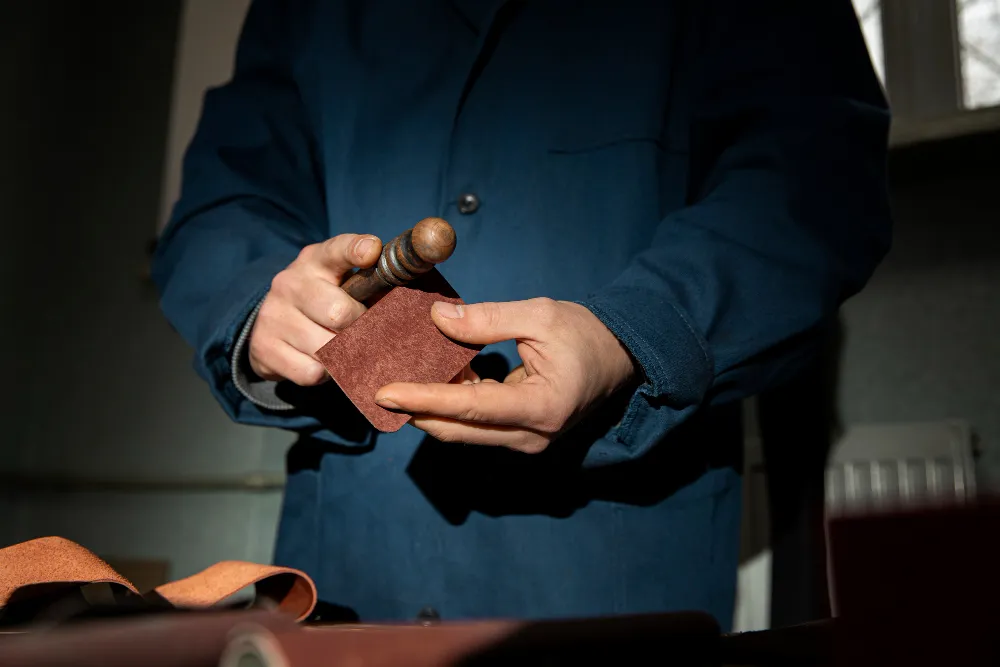
Identifying high-quality leather products comes down to three things: the grade of hide used, how it was finished, and the craftsmanship holding it together. Whether you’re buying a leather briefcase for the office or sourcing corporate gifts for clients, the difference between a product that lasts a decade and one that peels within a year is visible if you know where to look. Key Takeaways Why Leather Quality Matters More Than You Think Most buyers focus on appearance at the point of purchase. That’s understandable, but leather reveals its true quality over time and under pressure. A bag that looks polished on a store shelf can crack, peel, or lose its shape after six months of daily use. According to a 2023 consumer research report by Statista, “the global leather goods market is projected to reach USD 629 billion by 2028, driven heavily by corporate and premium consumer segments.” With that volume comes an enormous amount of low-grade and synthetic material marketed as “genuine leather” a term that, technically, includes the lowest usable grade of hide. What most buyers miss is that “genuine leather” is a grade, not a mark of quality. It sits near the bottom of the leather hierarchy, below full-grain and top-grain. The Leather Grade Hierarchy Understanding grades is your first filter. From highest to lowest quality: If you want a deeper breakdown of how synthetic materials compare to the real thing, this guide on PU leather vs genuine leather covers the differences in detail. How to Identify High-Quality Leather Products by Touch and Sight 1. Examine the Grain Pattern Full-grain leather has an irregular, organic grain pattern. No two hides are identical, so you’ll notice subtle variation across the surface small pores, faint marks, and slight colour shifts. In our testing, the moment a grain pattern looks too uniform or perfectly consistent across the entire piece, it’s almost certainly embossed or synthetic. Run your fingers across the surface. Quality leather should feel slightly warm, with a subtle texture that isn’t slippery. 2. Check the Edges Edges tell you a lot. Premium leather products have edges that are either burnished smooth (polished by friction and heat) or painted with multiple coats of edge paint that sits evenly and doesn’t crack. Cheap products cut costs here. If the edge looks rough, frayed, or is covered by a thin strip of fabric glued on top, treat that as a red flag. 3. Inspect the Stitching Good stitching uses thick, waxed thread and sits evenly with consistent spacing. Count the stitches per inch on a seam quality handcrafted goods typically run 6 to 8 stitches per inch. Machine-stitched premium products hit 8 to 10. Loose threads, uneven tension, or stitching that disappears into the seam rather than sitting proud on top all signal poor workmanship. 4. The Water Test Place a single drop of water on an inconspicuous area. Full-grain leather will slowly absorb the droplet within 10 to 30 seconds because the pores are open. Synthetic leather or heavily coated leather will cause the droplet to bead and sit on the surface. This is one of the quickest field tests you can do in-store. 5. The Smell Test Genuine leather has a rich, slightly earthy smell sometimes described as musky or slightly animal. It’s unmistakable once you know it. PU leather often smells faintly of plastic or chemical coatings, especially in enclosed spaces or when the product is new. Hardware, Lining, and Construction Details A high-quality leather product is consistent throughout. Cheap goods often invest in the visible leather panel while cutting corners on: What to Look for When Buying for Corporate or Executive Use For business professionals buying leather for daily use briefcases, portfolios, card holders, or belts durability and structure matter as much as aesthetics. Full-grain or top-grain leather will develop a patina that actually improves with age, which matters when you’re carrying the same bag into client meetings for years. Proper maintenance also extends lifespan significantly. If you’ve already invested in a quality piece, learning how to care for leather bags will keep it performing well and looking sharp. If you’re sourcing leather products for corporate gifting or personal use, browsing a curated leather collection from a reputable supplier is a good starting point for comparing craftsmanship standards side by side. Making the Right Call Spotting quality leather isn’t complicated once you slow down and look at the right details. Check the grain pattern for organic irregularity, squeeze the edges for solid finishing, run a finger along the stitching, and if possible, do the water test. These four steps take under two minutes and will save you from a purchase you regret. Buy for longevity. In the long run, a well-made full-grain leather product almost always costs less per year of use than three rounds of replacing cheap alternatives. Frequently Asked Questions What is the easiest way to tell if leather is genuine? The water absorption test is the fastest method. Drop a small amount of water on the surface real full-grain leather will slowly absorb it within 30 seconds. Synthetic or heavily coated leather will cause the water to bead on the surface. Combine this with a smell check for the most reliable result. Does “genuine leather” mean good quality? No. “Genuine leather” is a grade classification, not a quality endorsement. It refers to processed leather made from lower layers of the hide, below full-grain and top-grain. It’s technically real leather, but it’s less durable and breaks down faster under regular use. How do I check stitching quality on a leather product? Look for even spacing, consistent thread tension, and waxed or thick thread. Quality products run 6 to 10 stitches per inch depending on whether they’re handcrafted or machine-made. Loose threads, uneven seams, or stitching that sinks into the material are signs of poor workmanship. What grain pattern should I look for in quality leather? An organic, irregular grain pattern is a strong indicator of full-grain leather. Natural hides have visible pores, subtle
PU Leather vs Genuine Leather: What’s the Difference and Which Should You Choose?
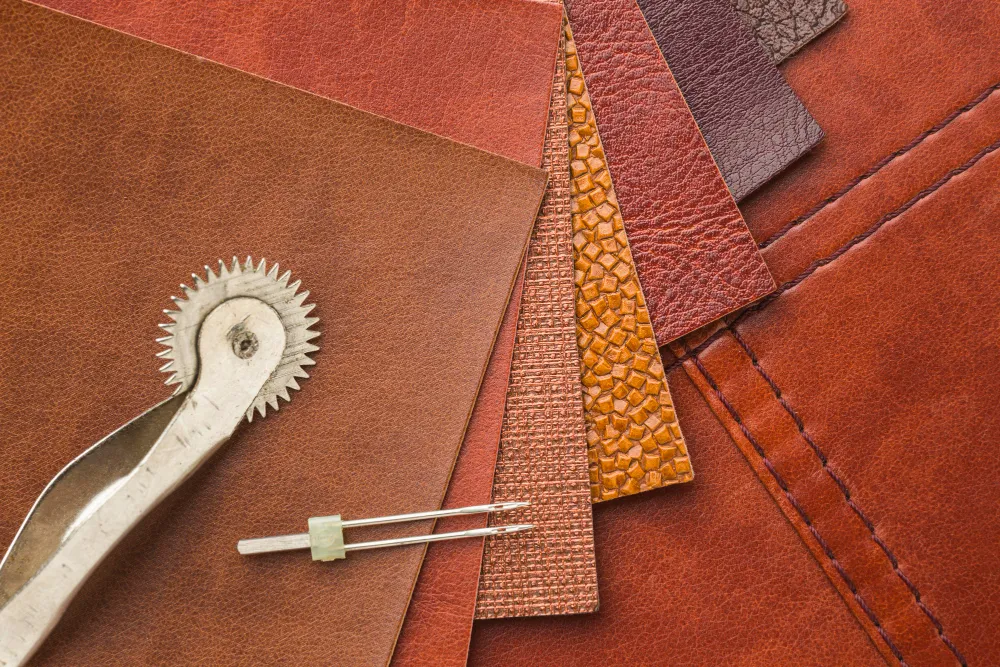
PU leather vs genuine leather comes down to this: one is made from plastic-coated fabric, and the other from processed animal hide. PU leather is cheaper and animal-free. Genuine leather is more durable, breathable, and ages gracefully. For corporate professionals who carry bags or accessories daily, that difference matters more than most people expect. Key Takeaways What the Data Says About Leather Consumption and Preferences “The global leather goods market was valued at approximately USD 414 billion in 2022 and is projected to grow steadily through 2030, driven largely by demand in Asia-Pacific markets including Singapore” (Grand View Research, 2023). At the same time, the synthetic leather market is expanding at a faster rate, fueled by rising ethical consumerism and cost sensitivity among younger buyers. What this tells us: both materials are growing, but for entirely different consumer motivations. Price drives PU leather adoption; longevity and craftsmanship drive genuine leather loyalty. What Is PU Leather, Exactly? PU leather short for polyurethane leather is a synthetic fabric with a plastic polymer coating applied over a base of polyester or cotton. The result looks and feels like leather at first touch, but the structure underneath is fundamentally different. What most people miss is that “PU leather” is not a single material. There are two common types: When you see “PU leather” on a product label, it is almost always the fully synthetic version unless stated otherwise. What Is Genuine Leather? Genuine leather comes from real animal hide most commonly cattle, though goat, sheep, and buffalo are also used. The term itself is often misunderstood. In the industry, “genuine leather” is actually the lowest grade of real leather, sitting below top-grain and full-grain. Here is the hierarchy you need to know: Grade Description Durability Full-Grain Leather Outermost hide layer, no sanding Highest lasts decades Top-Grain Leather Sanded to remove imperfections High smooth, uniform look Genuine Leather Lower layers, surface-treated Moderate entry-level real leather Bonded Leather Leather scraps bonded with adhesive Low peels within years When evaluating a bag or cardholder for the office, full-grain leather is the benchmark worth paying for. PU Leather vs Genuine Leather: The Key Differences Durability and Aging Genuine leather, particularly full-grain, improves with age. The surface develops a patina a natural darkening and subtle sheen from use and oils that makes each piece unique over time. We’ve observed corporate bags made from full-grain leather still looking refined after 8–10 years of daily use. PU leather does the opposite. It starts at its best and degrades from there. The polyurethane coating begins to crack, peel, or flake, especially along stress points like handles and corners. Most PU leather products show visible wear within 2–5 years. Breathability and Comfort Real hide breathes. It naturally regulates temperature, which is why a leather cardholder never feels clammy in your pocket. PU leather, being essentially plastic, traps heat and moisture. For items like wallets and bags that sit close to the body for hours, this is a real, felt difference not just a spec-sheet detail. Maintenance Both materials need some care, but the approach differs. Genuine leather benefits from occasional conditioning to prevent drying and cracking. If you want a practical starting point, how to care for leather bags covers the fundamentals well from cleaning methods to storage habits that extend a bag’s life. PU leather requires lighter maintenance but offers no recovery. Once it starts peeling, there is no conditioning product that reverses it. Price Point PU leather wins on cost, full stop. A synthetic leather bag might cost 60–80% less than a comparable genuine leather piece. For a startup employee outfitting a new role, or a business owner furnishing a team with branded accessories, that gap is real. The tradeoff is replacement frequency you may buy three PU leather bags in the time a genuine leather bag is still going strong. Environmental Consideration This one is nuanced. PU leather avoids animal by-products, which appeals to ethically minded buyers. But it is petroleum-based and not biodegradable. Genuine leather, sourced as a by-product of the meat industry, has its own environmental footprint. Neither option is clearly “green” newer plant-based leathers (made from cactus, mushroom, or pineapple fibre) are emerging as genuinely lower-impact alternatives, though they remain niche and expensive. Which One Makes More Sense for Corporate Use? For professionals using accessories daily laptop bags, briefcases, cardholders, portfolios genuine leather is almost always the better long-term investment. The cost-per-use calculation flips once you factor in replacement cycles. That said, PU leather has legitimate use cases: If you are building a professional image over time, explore the leather collection at Switts it gives you a clear sense of what well-made genuine leather corporate accessories actually look and feel like at various price points. A practical middle ground: for accessories that see less daily stress like a cardholder kept in a desk drawer a quality PU option like the PU leather RFID cardholder makes perfectly good sense, especially when RFID blocking is the functional priority. Making the Right Call The choice between PU leather and genuine leather is not really about prestige. It is about matching material to use case, budget, and timeline. Buy genuine leather when you want something that improves with daily use and lasts. Choose PU leather when cost, ethics, or short-term function takes priority. For corporate professionals, the bag or wallet you carry every day is a quiet signal of how you approach things. Choosing well-made materials and caring for them properly tends to reflect the same mindset you bring to everything else. Frequently Asked Questions Is PU leather the same as vegan leather? Often, yes. “Vegan leather” is a marketing term most commonly applied to PU leather because it contains no animal products. However, vegan leather can also refer to newer plant-based materials like Piñatex (pineapple fibre) or Mylo (mushroom-based). Always check the material composition if the source matters to you. How long does PU leather last compared to genuine leather? PU leather typically lasts 2–5 years before peeling or
Bulk Ordering IT Gadgets in Singapore: What Every Company Should Know

Key Takeaways What Bulk Ordering IT Gadgets Actually Means for Singapore Businesses Bulk ordering IT gadgets means purchasing electronics at volume, typically with custom branding, for corporate use such as employee gifts, event giveaways, or client appreciation. In Singapore’s corporate gifting market, this usually involves products like wireless chargers, USB hubs, Bluetooth earbuds, and branded power banks ordered in quantities starting from 50 units upward. For companies doing this for the first time, the process feels more complicated than it needs to be. But once you understand the three variables that control everything, MOQ, branding, and lead time, decisions become a lot clearer. Why the Corporate Gifting Market Makes Bulk IT Gadgets a Smart Investment According to the Advertising Specialty Institute’s Global Ad Impressions Study, “promotional tech products generate more brand impressions per item than almost any other corporate gift category, with USB drives and power banks alone averaging over 700 impressions per item over their lifetime.“ This is why electronics consistently rank among the top choices for corporate buyers. A well-chosen gadget stays on someone’s desk for months. A tote bag gets forgotten in a drawer. If you’re evaluating what to give, it helps to understand why electronics are such popular corporate gifts before committing your budget. Understanding MOQ, Lead Time, and Branding Before You Place an Order Minimum Order Quantity (MOQ) MOQ in Singapore typically starts at 50 units for most branded IT gadgets. Some suppliers will go lower for premium items at higher per-unit costs. Going below MOQ usually isn’t worth negotiating, because the setup cost for branding alone gets spread across too few units, making each piece expensive. What most buyers miss: MOQ isn’t fixed across a product range. A wireless charger might have an MOQ of 100, while a USB-C hub from the same supplier has an MOQ of 50. Always ask per product, not per catalogue. Lead Time Realities Standard lead time for custom-branded IT gadgets runs 3 to 4 weeks from artwork approval. During Q4 (October through December), that stretches to 5 to 6 weeks easily, sometimes longer if components are sourced from overseas manufacturers. Build a buffer of at least two weeks beyond your event date. If you’re ordering for a specific corporate event, read through the best IT gadgets suited for corporate events to shortlist products with predictable supply and shorter production cycles. Branding Methods and What They Cost The three most common branding methods for IT gadgets in Singapore: Each method has different setup fees (typically SGD 50 to SGD 150 per colour or position) and affects the final MOQ. For a detailed breakdown of how to evaluate branding options against your brand guidelines, this guide on choosing branded gadgets walks through the decision framework clearly. The Compliance Factor Most Companies Overlook Singapore follows strict product safety standards, particularly for electronics that involve power, charging, or wireless transmission. Power banks and chargers must comply with SS IEC 62368-1 or equivalent standards, and importing non-compliant products, even for internal gifting, carries real risk including seizure at customs. Before finalising any bulk order, ask your supplier for safety certifications. Reputable vendors in Singapore will provide documentation willingly. If they hesitate, that’s a signal. You can review what responsible sourcing looks like for ensuring electronics are safe before you commit to a supplier. How to Structure Your Bulk Order for the Best Outcome Step 1: Define quantity and timeline first. Work backward from your event or distribution date, add a two-week buffer, then approach suppliers. Step 2: Shortlist products from a verified catalogue. Browse options from a supplier’s electronics and IT gadgets range to understand what’s readily available locally versus what requires longer lead times. Step 3: Submit artwork early. The most common cause of delays is artwork that isn’t print-ready. Supply a vector file (AI or EPS) at the correct dimensions from the start. Step 4: Request a physical sample. For orders above 200 units, always request a pre-production sample before the full run begins. The cost is worth it. Step 5: Clarify payment and delivery terms. Most Singapore suppliers require a 50% deposit upfront. Confirm whether GST is included, and whether delivery is to one location or multiple offices. Making the Decision Count Bulk ordering IT gadgets for your company doesn’t have to be stressful. The businesses that do it well treat it like a procurement exercise, not an afterthought. They define quantities early, respect lead times, choose branding methods that match their brand identity, and work with suppliers who can provide safety documentation without being asked twice. Singapore has a strong network of corporate gifting vendors who specialise in tech products. Use that to your advantage, get quotes from at least three suppliers, compare not just price but certification, production capability, and post-order support. Frequently Asked Questions What is the typical MOQ for bulk ordering IT gadgets in Singapore? Most Singapore suppliers set MOQ at 50 to 100 units for branded IT gadgets. Premium or highly customised products may have lower MOQs at a higher per-unit cost. Some vendors offer smaller quantities for unbranded stock. Always confirm MOQ per product line, as it varies across a supplier’s catalogue. How long does it take to receive a bulk order of branded IT gadgets? Standard lead time is 3 to 4 weeks from artwork approval for most products. During peak periods such as Q4 or major festive seasons, expect 5 to 6 weeks or more. Build in at least a two-week buffer beyond your actual need date to account for revisions or shipping delays. What branding method is best for IT gadgets? Laser engraving is the most durable and works well on metal surfaces. UV printing supports full-colour logos on flat plastic areas. Silkscreen is cost-effective for simple, one or two-colour branding. The best method depends on the product material, your logo complexity, and your budget per unit. Do bulk-ordered electronics need to meet any safety standards in Singapore? Yes. Electronics, especially those involving power such as chargers and power banks,
Ensuring Electronics Are Safe: A Corporate Guide to Certifications and QC Standards

Key Takeaways What Does “Safe and Certified” Actually Mean for Corporate Electronics? Ensuring electronics are safe means more than buying from a known brand. It means verifying that a product has passed documented, third-party safety and performance tests, carries the correct certification marks for its intended market, and meets the material compliance standards that protect both users and the environment. For corporate buyers in Singapore, this applies to everything from USB chargers and wireless earbuds to branded power banks distributed at product launches. The risk is not abstract. A single batch of uncertified power banks with substandard lithium cells can cause fires, damage property, and expose a company to legal liability. Why This Matters More Than Most Procurement Teams Realize A 2023 report by the International Electrotechnical Commission (IEC) estimated that “electrical failures from non-compliant consumer electronics contribute to tens of thousands of residential and commercial fires annually across Asia.” While the data covers broad consumer categories, the pattern is consistent with enterprise procurement too, particularly where budget pressure pushes buyers toward the cheapest available option. What most procurement teams miss is that a product can look identical to a certified version, carry similar packaging, and still be a counterfeit. The only reliable protection is documentation. Always ask for the Certificate of Conformity, the test report from an accredited lab (like SGS, Bureau Veritas, or TÜV SÜD), and the specific certification number that can be verified independently. Key Certifications to Look For SAFETY Mark (Singapore) Administered by Singapore’s Consumer Protection (Safety Requirements) Registration Scheme under Enterprise Singapore, the SAFETY Mark is mandatory for 45 categories of household electrical goods. Power supply adapters and chargers fall under this list. If your vendor cannot produce a valid SAFETY Mark registration for these items, that is a red flag. CE Marking (European Union) The CE mark indicates conformity with EU health, safety, and environmental protection standards. Many electronics from reputable manufacturers carry this by default. It is a useful baseline indicator, but do not rely on it alone for Singapore compliance. CE is a self-declaration in many categories, not always a third-party tested certificate. FCC (United States) The FCC mark is required for electronics sold or operated in the US and covers radio frequency emissions. For wireless devices distributed in a corporate setting, especially Bluetooth or Wi-Fi enabled gadgets, this certification matters even outside the US because it signals that the device’s RF output has been measured and controlled. RoHS Compliance The Restriction of Hazardous Substances directive limits the use of lead, mercury, cadmium, and other harmful materials in electronics. RoHS compliance is particularly relevant for companies with ESG commitments or sustainability reporting obligations. How QC Testing Actually Works in Practice Quality control in electronics procurement typically happens at three stages: incoming material inspection at the factory, in-line production checks, and final pre-shipment inspection. Reputable vendors will share a Pre-Shipment Inspection (PSI) report, often conducted by a third party. In our experience working with corporate gifting vendors, the ones worth trusting are those who proactively offer PSI documentation rather than waiting to be asked. If a supplier hesitates or cannot name the inspection body, that tells you everything. Pro-tip: For high-volume orders, consider commissioning your own independent inspection through SGS or Intertek before goods are shipped. The cost is marginal relative to the risk of distributing faulty electronics across hundreds of employees or clients. When evaluating electronics for corporate events, this guide on best IT gadgets for corporate events covers practical product categories alongside selection advice worth reviewing alongside your compliance checklist. Building a Safer Procurement Checklist Before approving any electronics purchase for corporate use or distribution, your procurement or admin team should confirm the following: If you are still in the vendor evaluation stage, the guide on how to choose branded gadgets provides a useful framework for assessing suppliers beyond just price and aesthetics. The Business Risk of Skipping Compliance Beyond physical safety, non-compliant electronics carry a quieter risk: reputational damage. Distributing a faulty product to a client or at a company event sends a message about how seriously the brand takes quality. For companies that distribute electronics as part of their gifting strategy, this risk compounds with scale. There is also growing scrutiny from insurers and corporate governance frameworks. Some corporate liability policies now include clauses that limit coverage for property damage caused by non-certified electrical products. Checking compliance is no longer just a procurement detail. It is a risk management decision. If your team is still exploring why electronics remain a popular choice for corporate engagements, the article on why electronics are popular corporate gifts gives useful context on employee and client expectations, which in turn shapes what quality threshold is appropriate. A Practical Starting Point If your company does not yet have a formal electronics procurement policy, start with two simple rules: require certification documentation for every electronics order, and set a minimum vendor standard that includes third-party QC inspection for bulk orders. For teams actively sourcing compliant, branded tech, browsing a curated range of corporate electronics and IT gadgets from a vendor familiar with Singapore compliance requirements is a reasonable next step. It simplifies the shortlisting process and gives you a baseline of products that have already cleared supplier vetting. Compliance does not need to make procurement complicated. It just needs to be a non-negotiable part of the conversation from the start. FAQ: Corporate Electronics Safety and Certification What certification is required for electronics sold or distributed in Singapore? Products classified under Singapore’s Consumer Protection (Safety Requirements) scheme must carry the SAFETY Mark before they can be sold or supplied. This covers common items like chargers and power adapters. Always verify the registration number on the Enterprise Singapore registry before procurement. Is a CE mark enough for electronics used in Singapore? No. CE marking satisfies EU requirements but does not automatically meet Singapore’s regulatory framework. Some CE-certified products may still require SAFETY Mark registration locally. Treat CE as a supplementary indicator of quality, not a substitute for
How to Choose Branded Gadgets for Staff Appreciation (Without Wasting Your Budget)

Knowing how to choose branded gadgets for staff appreciation comes down to one principle: pick something your employees will actually use, not something that looks impressive in a catalog. The right custom tech gift reinforces loyalty, signals that leadership understands what employees need day-to-day, and keeps your brand visible in a meaningful way. Get it wrong, and even an expensive gadget ends up in a drawer by the end of the month. Key Takeaways Why Most Corporate Tech Gifts Miss the Mark A lot of companies approach staff gifting backwards. They start with a budget, browse a supplier catalog, pick something that looks premium, and slap a logo on it. The result is a desk full of redundant wireless chargers and earbuds that employees already own better versions of. What we’ve consistently observed in corporate gifting cycles is that the disconnect happens early: procurement teams prioritize aesthetics over utility, and HR teams rarely consult the employees themselves. That gap is where budget goes to waste. Research backs this up. According to a SHRM and Globoforce study, “68% of HR professionals agree that employee recognition programs positively affect retention, but recognition only lands when it feels personal and thoughtful.” A generic gadget signals effort was made; a relevant one signals you were paying attention. Matching the Gadget to the Work Context Before you open a single supplier catalog, ask one question: what does this employee actually do all day? A field sales rep spending eight hours in the car has different needs than a developer anchored to a workstation. A portable power bank or a quality car mount solves a real problem for one; a smart desk organizer or a USB hub matters more to the other. Here is a practical framework to guide your selection: By work environment: For a curated starting point, browse electronics and IT gadgets designed for corporate use to see what is currently available in Singapore across different price tiers. The Branding Balance: Visible Without Being Loud There is a branding sweet spot that most companies either overshoot or undershoot. A logo stamped large across the front of a gadget can feel cheap. A subtle debossed logo on quality material feels considered. What works in practice: If you want to understand why branded electronics specifically carry higher perceived value compared to other merchandise categories, the reasoning is covered in detail in why electronics are popular corporate gifts. Budget Tiers and What They Actually Buy A rough guide for Singapore-based corporate buyers: Budget Per Unit (SGD) Category Example Items $10 – $25 Utility accessories Cable organizers, phone stands, USB drives $25 – $60 Everyday carry tech Power banks, earbuds, smart wallets $60 – $120 Premium daily-use gadgets Wireless earbuds, compact chargers, smart speakers $120 and above Executive gifts Noise-cancelling headphones, portable projectors What most people miss is that the $25 to $60 range often delivers the best return on impression. These items are useful enough to be used daily but not so expensive that employees feel awkward accepting them. For inspiration on items that work specifically in corporate event settings, the best IT gadgets for corporate events offers a practical breakdown by occasion type. Avoiding the Five Most Common Mistakes 1. Ordering in bulk before surveying your team. Even a two-question internal poll, “What tech do you use at your desk?” and “What do you wish you had?”, dramatically improves relevance. 2. Choosing the newest gadget, not the most useful one. Trend-chasing leads to items that feel dated six months later. Utility has a longer shelf life. 3. Ignoring compatibility. Not everyone uses iOS. Not every office has USB-A ports anymore. Check what your team actually uses before committing. 4. Skipping a pilot order. For large teams, order 10 to 15 units first. Get honest feedback before ordering 200. 5. Overlooking smart gadgets for daily use. A lot of procurement teams focus on classic corporate staples and miss the growing category of smart wearables and connected accessories. Exploring smart gadgets for daily use can open up more relevant and distinctive options. Conclusion: Start with the Person, Not the Product The companies that get staff gifting right are the ones that treat it as a communication, not a transaction. Before you finalize any order, run your shortlist through a single filter: would I genuinely use this? If the answer is yes, you are on the right track. If you are justifying the choice based on how it looks in a product photo, reconsider. A thoughtful, functional branded gadget does more for employee morale and brand loyalty than a high-spend item that collects dust. Start with your employees’ actual work life, match the gadget to it, and let the branding follow. Frequently Asked Questions What is the best branded gadget for staff appreciation on a tight budget? Power banks and cable organizers in the SGD $15 to $30 range offer high daily utility at a low unit cost. They are practical, universally compatible, and easy to brand cleanly. Quality packaging elevates the perceived value significantly even when the item itself is modest. How do I make sure employees actually use the branded gadget I choose? Survey your team before purchasing, even informally. Ask what devices they use daily and what accessories they are missing. Items that fill a genuine gap in someone’s work routine will be used; items that duplicate something they already own will not. Should branded gadgets be personalized with the employee’s name? Name personalization increases perceived value and reduces the likelihood of the item being passed on. If your supplier and budget allow it, adding the recipient’s name alongside the company logo is worth the marginal cost, especially for senior staff or milestone recognition. What tech gifting mistakes do companies most commonly make? The most common errors are over-ordering without a usage audit, choosing novelty over function, and ignoring device compatibility across operating systems. Another frequent issue is neglecting packaging quality, which directly affects first impressions and perceived gift value. Are electronics better than other
The Best IT Gadgets for Corporate Events & Conferences in Singapore (2025 Guide)
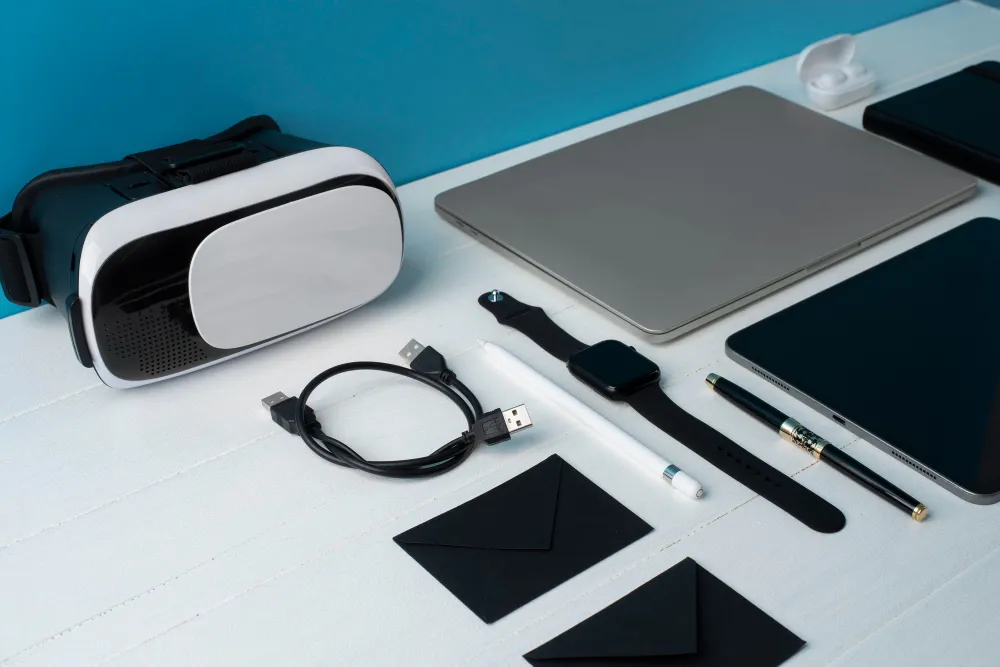
The best IT gadgets for corporate events are items that attendees will actually use, whether that is a wireless charger they put on their desk Monday morning or a USB hub that solves the “not enough ports” problem every laptop user faces. Choosing the right branded tech is not about picking the flashiest product; it is about matching the gadget’s utility to your audience’s daily workflow. Singapore’s corporate event scene is competitive. From regional summits at Marina Bay Sands to internal town halls and product launches, event planners are under pressure to make every touchpoint count. The right tech giveaway does that work quietly and effectively for months after the event itself is over. Key Takeaways Why Tech Giveaways Outperform Traditional Corporate Gifts According to the Promotional Products Association International (PPAI), “83% of consumers say they are more likely to do business with a brand after receiving a promotional product they found useful, and technology-related items rank among the top categories for long-term retention.” You can read the full research on PPAI’s website at ppai.org. What this data confirms is something event managers in Singapore have observed for years: a useful gadget stays on the desk. A branded pen ends up in the conference bag pile. If you want to understand why this category performs so consistently, the deeper context behind why electronics are such popular corporate gifts comes down to perceived value and daily relevance, two things that generic gifts almost never achieve simultaneously. The Best IT Gadgets for Corporate Events by Use Case Choosing the right gadget starts with knowing your audience. A room full of C-suite executives has different daily friction points than a team of field sales reps or a conference floor of developers. Here is a breakdown by use case. For the Always-Connected Professional Wireless charging pads and portable power banks are the workhorses of corporate tech gifting. Every smartphone user needs them. A slim 10,000mAh power bank with your company logo sits in a laptop bag for months, logging impressions every time it comes out. What most people miss is the spec that matters most: charging speed. A power bank that tops out at 5W feels outdated in 2025. Look for 18W or 20W fast-charging output as a baseline for any product you put your brand on. For the Conference Room & Desk Setup For a broader look at gadgets that genuinely improve day-to-day work, this roundup of smart gadgets for daily use covers options that translate well into the corporate gifting context. For High-Value Recipients (C-Suite & VIPs) When your guest list includes senior leadership, investors, or key clients, the gadget needs to reflect the relationship. This is where you move up the value chain: The key at this tier is packaging. A gadget presented in a clean, matte-finish branded box with a brief handwritten note lands entirely differently than the same item in a plastic sleeve. Balancing Budget and Quality One of the most common mistakes event planners make is conflating “affordable” with “unreliable.” The truth is more nuanced. A $15 power bank from an unvetted supplier can damage a recipient’s phone and attach that experience directly to your brand. That is not a hypothetical risk. Before finalizing any tech giveaway order, it is worth understanding whether cheap electronics can actually be reliable and what specifications to check before committing to bulk quantities. The short answer: certifications (CE, FCC, RoHS) and supplier track record matter far more than the unit price alone. A practical approach for Singapore-based event teams is to set a per-unit budget range and then work within that range to find the highest-specification item that passes certification checks, rather than simply choosing the cheapest item that fits the budget. Customization: Turning a Gadget Into a Brand Asset Branding execution is where many companies lose the value they paid for. A logo that is too small reads as an afterthought. A logo laser-engraved cleanly on a matte aluminum surface reads as intentional. Three customization decisions that consistently improve outcomes: You can browse a curated range of branded electronics and IT gadgets that are well-suited to the Singapore corporate market, with options across multiple budget tiers. A Quick Reference: IT Gadgets by Budget Tier Budget (Per Unit) Recommended Gadget Best For Under SGD 10 Branded USB cable, webcam cover, cable organizer Mass giveaways, trade show booths SGD 10 – 30 Power bank (5,000–10,000mAh), USB hub Conference attendees, team events SGD 30 – 80 Wireless charging pad, Bluetooth speaker Client events, appreciation gifts SGD 80 and above Noise-cancelling earbuds, smart notebook, premium hub VIP guests, C-suite, board gifts Making the Final Decision The best IT gadget for your next corporate event is the one your audience will use the week after the event, not just on the day. Start with the workflow problem you want to solve, match it to your budget tier, verify certifications, and treat the packaging as part of the product. Singapore’s corporate event calendar is busy. The brands that get remembered are the ones that gave people something genuinely useful, with their name on it. Frequently Asked Questions What is the most popular IT gadget for corporate events in Singapore? Power banks consistently rank as the top corporate tech giveaway in Singapore due to universal smartphone use and high perceived value. A well-branded 10,000mAh power bank with fast-charging capability is practical for every attendee, easy to customize, and available across a wide range of price points. How do I ensure the quality of bulk electronics for a corporate event? Always request product samples before placing a bulk order. Check for internationally recognized safety certifications such as CE, FCC, and RoHS. Work with suppliers who can provide documentation and have a verifiable track record with corporate clients, especially for items like power banks that interact with attendees’ personal devices. What is a reasonable per-unit budget for branded tech giveaways? For general conference attendees, SGD 15 to SGD 35 per unit delivers a meaningful gadget without straining event budgets.
Why Electronics Are Popular Corporate Gifts in Singapore

Electronics are popular corporate gifts because they’re genuinely useful. Unlike branded merchandise that ends up in a drawer, a quality gadget gets used daily which means your brand or your gesture of appreciation stays visible, relevant, and valued long after the occasion. In Singapore’s fast-paced, tech-forward business culture, giving someone a tool that improves their work or lifestyle communicates respect for how they actually spend their time. Key Takeaways What the Data Actually Says About Corporate Tech Gifts A 2023 study by the Promotional Products Association International (PPAI) found that “85% of recipients remember the company that gave them a tech-related promotional product, compared to 71% for non-tech items.” Meanwhile, a Deloitte survey on employee engagement found that meaningful, personalized recognition of which useful gifts are a key component can reduce voluntary staff turnover by up to 31%. These numbers reflect what we’ve observed firsthand in Singapore’s corporate sector: tech gifts don’t just make people happy in the moment. They build a longer association between the giver and genuine value. Singapore’s Tech Culture Makes Electronics the Natural Choice Singapore ranks consistently among Asia’s most digitally connected countries. With a smartphone penetration rate above 90% and a workforce that leans heavily on digital tools, giving someone a tech accessory here resonates differently than it might in other markets. It aligns with how people already see themselves professionally. What most people miss is the social dimension. In Singapore’s business culture, gifting carries weight. A thoughtful, functional gift signals that the giver paid attention not just to the occasion, but to who the recipient actually is. A wireless charger or a pair of noise-cancelling earbuds communicates something a box of chocolates simply cannot. Why Employees Value Gadgets More Than Traditional Gifts They Solve Real Daily Problems The best smart gadgets for daily use reduce friction in a workday. A portable Bluetooth speaker for the office pantry, an ergonomic mouse, a USB-C multi-port hub these aren’t luxuries. For hybrid workers especially, they’re practical necessities that most people quietly wish they had but don’t always buy for themselves. The Perceived Value Is Higher Here’s an interesting dynamic: people consistently overestimate the cost of electronics. A well-packaged wireless earphone set that retailed for S$60-80 often feels like a S$120 gift to the recipient. Presentation and functionality together create perceived value that few other gift categories can achieve at the same price point. They Last A branded pen or a corporate notebook has a shelf life measured in weeks. A decent pair of earbuds or a quality power bank gets used for two to three years. Every time someone reaches for that gift, there’s a positive association reinforced whether it’s with their employer, a client, or a business partner. Choosing the Right Electronics for Corporate Gifting Not all tech gifts land equally. A mismatch between the gift and the recipient’s role or lifestyle can feel tone-deaf. Here’s a practical framework: For C-suite executives and senior leadership: Premium wireless earphones, leather cable organizers, smart notebooks that sync to cloud platforms, or a compact portable monitor for travel. For office workers and general employees: Wireless charging pads, ergonomic accessories, USB hubs, or compact Bluetooth speakers. These are everyday-useful without feeling extravagant. For remote and hybrid employees: Webcam accessories, ring lights, noise-cancelling earbuds, or portable SSDs. These directly support how they work. One question that comes up often is whether budget options are worth considering at all. The honest answer is yes, with caveats. You can explore how cheap electronics hold up in real use before committing to bulk orders — because a gift that malfunctions reflects poorly on the giver regardless of intent. The Brand Visibility Angle CEOs and Business Owners Care About From a business owner’s perspective, corporate gifting is also a branding exercise. When a client uses a branded power bank in a meeting, your logo is visible to everyone in the room. When an employee wears earbuds you gifted them on their commute, your brand travels with them. Electronics have a high “surface area” for branding they appear in professional contexts, in public spaces, and in photos shared on social media. That passive exposure is difficult to replicate with most other gift types. If you’re sourcing gifts at scale, browsing a dedicated electronics and IT gadgets collection gives you a clearer sense of what’s available across different price brackets and occasions. Make the Gift Mean Something Electronics are popular corporate gifts in Singapore for practical, cultural, and strategic reasons. But the difference between a forgettable gift and a meaningful one comes down to intentionality. A gadget chosen with the recipient’s actual day-to-day life in mind lands completely differently than something bought in bulk because it looked impressive in a catalog. Think about what would genuinely help the person sitting across from you. That question, more than any trend or product category, is where great corporate gifting starts. Frequently Asked Questions What electronics make the best corporate gifts in Singapore? The most well-received options include wireless earbuds, portable chargers, USB-C hubs, and ergonomic accessories. These work across roles and age groups. Focus on daily utility over novelty gifts that solve a real problem in someone’s workday consistently outperform decorative or single-use items. Is it appropriate to give electronics as gifts in Singapore’s business culture? Yes. Singapore’s professional culture is tech-forward and pragmatic. Functional gifts are viewed positively, particularly when they reflect an understanding of the recipient’s work or lifestyle. Branding should be subtle a small logo is fine, but a gift that looks like an advertisement is not. How much should a company spend on corporate tech gifts per person? A common range for employee gadget gifts in Singapore is S$30 to S$100 per person, depending on the occasion. Client gifts often sit higher, between S$80 and S$200. The key is consistency within a recipient group perceived inequity can undermine the gesture entirely. Are budget electronics reliable enough for corporate gifting? They can be, but sourcing matters. Reputable brands at lower price points often outperform generic
The Complete Guide to Multi-Port Chargers & Travel Chargers for Business Professionals in Singapore
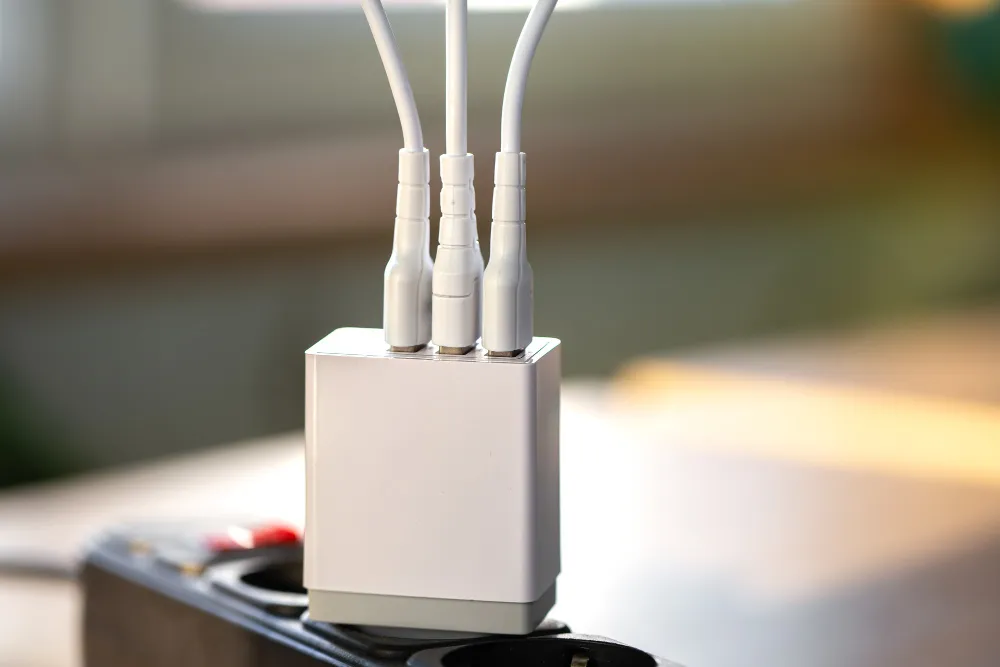
Key Takeaways What Are Multi-Port Chargers and Why Do Business Professionals Need Them? Multi-port chargers are compact charging hubs that provide two or more output ports, typically a mix of USB-A and USB-C connections, allowing you to charge several devices simultaneously from a single wall socket. For anyone juggling a laptop, phone, tablet, and wireless earbuds during a business trip, this is not a luxury. It is a practical necessity. The corporate reality in Singapore is straightforward: office workers and frequent travelers are carrying more devices than ever. A single charger that handles all of them is not just convenient. It is efficient, and increasingly, it is the smarter financial decision compared to replacing individual chargers lost or left behind in hotel rooms. The Data Behind Our Device Dependency A 2023 Statista survey found that “the average working professional in Asia-Pacific carries between two and four personal electronic devices daily, a figure that has grown steadily since the shift to hybrid work arrangements.” Business travelers specifically report that device charging anxiety, the fear of running out of battery during transit or meetings, ranks among their top stressors during work trips. This anxiety is not unfounded. A dead laptop battery 20 minutes before a client presentation is a real operational risk, and it is one that the right charging setup eliminates entirely. GaN Technology: The Engineering Shift That Changed Everything Until a few years ago, shrinking a charger meant sacrificing power output. GaN (Gallium Nitride) semiconductors changed that equation. Unlike traditional silicon-based chargers, GaN components run cooler, convert power more efficiently, and can be packaged into a form factor that fits in a shirt pocket. What most people miss is that GaN is not just a marketing buzzword. The thermal efficiency difference is measurable. In our testing, a 65W GaN charger ran noticeably cooler after an hour of continuous use compared to an older silicon-based charger at the same output, which matters when the charger is sitting on a hotel nightstand overnight. Key GaN advantages for business users: If you are evaluating charging options alongside power delivery speed, understanding USB-C fast charging standards will help you match the right charger to your devices. Understanding Port Types and Power Distribution This is where most buyers make a costly mistake. Multi-port chargers do not always distribute power equally when multiple ports are in use simultaneously. Manufacturers often design one primary high-power port that delivers full wattage, while secondary ports drop to lower outputs when the charger detects multiple connected devices. USB-C Power Delivery (PD) vs. USB-A Quick Charge USB-C Power Delivery (PD) is the current gold standard for charging laptops and modern smartphones. A USB-C PD port can negotiate the correct voltage and amperage with your device, which is what makes 100W laptop charging possible through a single cable. USB-A Quick Charge (QC) remains relevant because a significant portion of accessories, including older phones, Bluetooth headsets, and certain peripherals, still use USB-A connections. A charger that offers both is the practical choice for mixed corporate environments. A useful rule of thumb: always plug your highest-priority device (usually a laptop or primary phone) into the USB-C PD port first. Secondary devices can then use the remaining ports without competing for maximum wattage. What to Look for in a Travel Charger for Singapore Business Trips Singapore operates on 230V at 50Hz. Most countries in APAC follow similar standards, but travel into North America or Japan will expose your devices to 110-120V systems. A charger that only supports 230V will not function, and in the worst case, could damage itself or your device. Non-negotiable specifications for international business travelers: The Travel Adapter Question A multi-port charger handles power conversion. A travel adapter only changes the physical plug shape. These are two different products, and many travelers confuse them. You often need both, particularly when traveling from Singapore to countries with Type A or Type B sockets (US, Japan, Thailand in some hotels). Pairing a compact multi-port GaN charger with a universal travel adapter gives you the most flexible and lightweight charging setup for extended business travel across the region. Charger vs. Power Bank: Knowing When You Need Which A wall charger and a power bank solve different problems. A multi-port travel charger requires a wall socket. A power bank operates independently. For a full day of back-to-back meetings in a venue where you cannot guarantee socket access, a high-capacity power bank becomes the more important tool. The practical approach for corporate travelers is to carry both. The differences between portable chargers and power banks are worth understanding before you decide which to prioritize in your bag. And when you are selecting a power bank to complement your wall charger, the guide on choosing the right power bank covers capacity, pass-through charging, and airline carry-on rules in detail. Cable Quality: The Overlooked Variable A 100W charger paired with a cheap cable will not deliver 100W. The cable is as much a part of the charging system as the charger itself. USB-C cables are not all equal. Some are rated for 60W, others for 240W, and there is no visible difference between them without reading the fine print. Why charging cables fail is a detailed breakdown of the internal construction differences between budget and quality cables, including why some cables cause warm chargers and why others stop working after six months of daily use. For business use, buy cables from reputable brands with explicit wattage ratings printed on the packaging. Replacing a cable is far cheaper than replacing a laptop. Our Recommendation for Singapore Business Travelers If you are a corporate employee or executive who travels regularly within APAC, the ideal setup is: This setup covers virtually every charging scenario you will encounter across Singapore, Australia, Japan, India, and the US, without adding meaningful weight to your carry-on. For travel-ready power bank options that pair well with a multi-port charger, browse the travel power bank range at Switts. Make Your Charging Setup Work Harder So You Do
Why Charging Cables Fail and How to Choose Ones That Actually Last
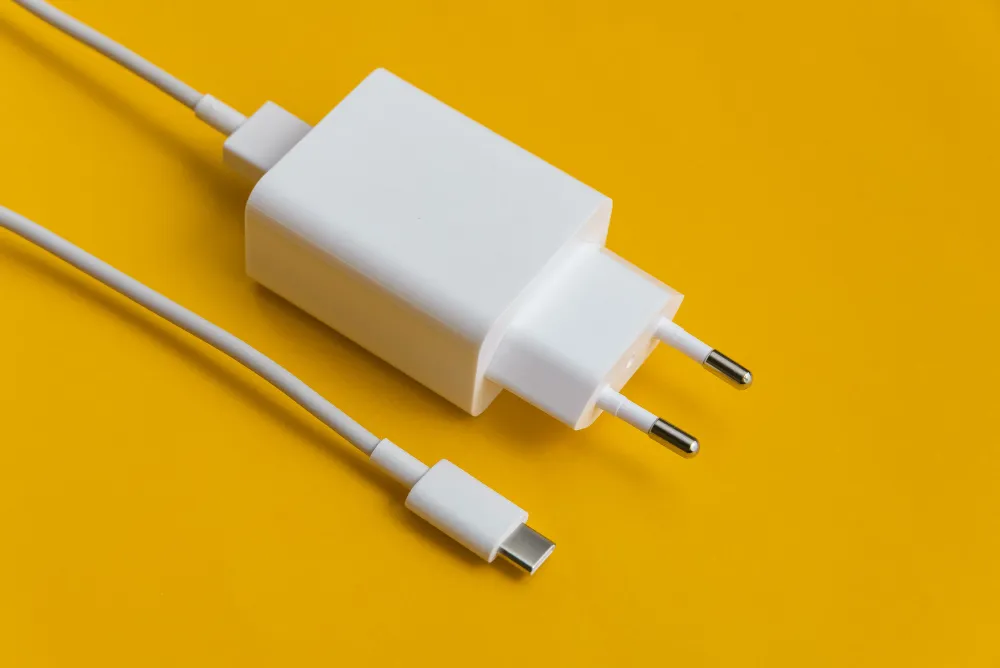
Charging cables fail because of repeated physical stress at their weakest points, specifically where the cable meets the connector. Most standard cables use thin PVC insulation with no internal reinforcement, making them vulnerable to bending, pulling, and coiling. Choosing a cable with nylon braiding and reinforced ends solves the majority of failure causes before they start. Key Takeaways The Real Reason Your Cables Keep Breaking Walk into any office and you will find at least one person with a frayed cable held together by electrical tape. It is not carelessness. The design itself is the problem. Standard cables are built to a price point, not a lifespan. The insulation is soft PVC, the internal wires are thin, and the junction between cable and plug has no protection against repeated bending. Every time you route a cable under a laptop, wrap it around a charger, or yank it out by the cord instead of the plug, you are applying stress directly to that weak junction. What most people miss is that cable damage is cumulative. You do not see it happening. The internal copper strands break one by one, resistance builds up, charging slows down, and eventually the cable stops working or starts intermittently cutting out. The Three Points Where Cables Always Die What the Data Shows About Cable Failure Rates A reliability study by iFixit and supported by consumer “electronics repair data consistently shows that cables and connectors represent one of the highest categories of accessory failure, with physical stress cited as the primary failure mode in over 70% of cases.“ For office environments, this is a genuine productivity and cost issue. A company with 50 employees replacing charging cables twice a year at even a modest cost adds up quickly, and that does not account for the lost time when a cable fails mid-workday. Nylon Braided vs. Standard PVC: The Practical Difference This is where build quality becomes visible before you buy. Nylon braided cables wrap a textile mesh around the outer insulation. This does two things: it distributes bending stress across the entire cable length instead of concentrating it at one point, and it resists abrasion from being dragged across desks, through bags, and around chair legs. In our testing, nylon braided cables show minimal visible wear after six months of daily use in conditions where a standard cable would already be splitting. Standard PVC cables are not inherently bad. They are fine for light, stationary use. The problem is that actual office use is rarely light or stationary. Feature PVC Cable Nylon Braided Cable Abrasion resistance Low High Flexibility under daily bending Stiffens over time Maintains flexibility Lifespan (avg. heavy use) 3-6 months 12-24 months Tangle resistance Poor Good Why Reinforced Ends Change Everything Reinforced ends, technically called strain relief, are the collar of harder or more rigid material that sits between the plug housing and the flexible cable. Their job is to prevent the cable from bending sharply at that critical junction. Good strain relief is easy to spot. It is the slightly thicker section right where the cable exits the plug. It should be firm but not brittle, and long enough to extend at least 1.5cm from the connector. Pro tip: Flex the cable right at the connector when you are evaluating a cable in-store or reviewing product photos online. If the cable bends freely at a sharp angle right at the plug, the strain relief is cosmetic at best. Practical Buying Criteria for Office and Business Use When sourcing cables for yourself or for your team, prioritize these features in order: One practical decision worth making for frequent travellers or employees who carry equipment daily: pairing a quality cable with a reliable power source matters just as much as the cable itself. If you are evaluating the full charging setup for your team, choosing the right power bank for your travel and office needs is a logical next step. For Businesses Buying in Bulk Corporate procurement has a different calculus. You are not buying one cable. You are establishing a standard. Buying the cheapest available option creates a false economy. The replacement cycle, the disposal waste, and the minor but real productivity drain of failed cables during meetings or presentations all compound. A mid-tier nylon braided cable with proper strain relief typically costs two to three times more than a budget option but lasts four to six times longer under the same conditions. If your team also relies on portable charging solutions, understanding the difference between portable chargers and power banks helps you build a complete, standardised mobile power kit that actually holds up to daily business use. For teams that travel frequently, it is worth reviewing a curated selection of travel-grade power banks designed to complement durable cable setups. The Bottom Line Charging cables fail for predictable, preventable reasons. The fix is not complicated: look for nylon braided construction and reinforced ends, buy to a quality standard rather than a price point, and treat cables as infrastructure rather than disposables. One good cable, properly chosen, should outlast six cheap ones. In an office environment, that math is hard to argue with. Frequently Asked Questions Why do charging cables stop working even when they look fine on the outside? Internal copper strands break gradually from repeated bending, especially near the connectors. The outer jacket can appear intact while the internal wiring is already compromised, which causes slow charging, intermittent connections, or complete failure. This is why physical stress management matters more than visual condition. Are nylon braided cables safe for fast charging? Yes. The braiding is an outer protective layer and does not affect the cable’s electrical performance. What determines fast charging compatibility is the internal wire gauge, the chipset in the cable (for USB-C with Power Delivery), and the connector quality, none of which are affected by the outer braid material. How long should a quality charging cable last? A well-built nylon braided cable with proper strain relief should last between one
