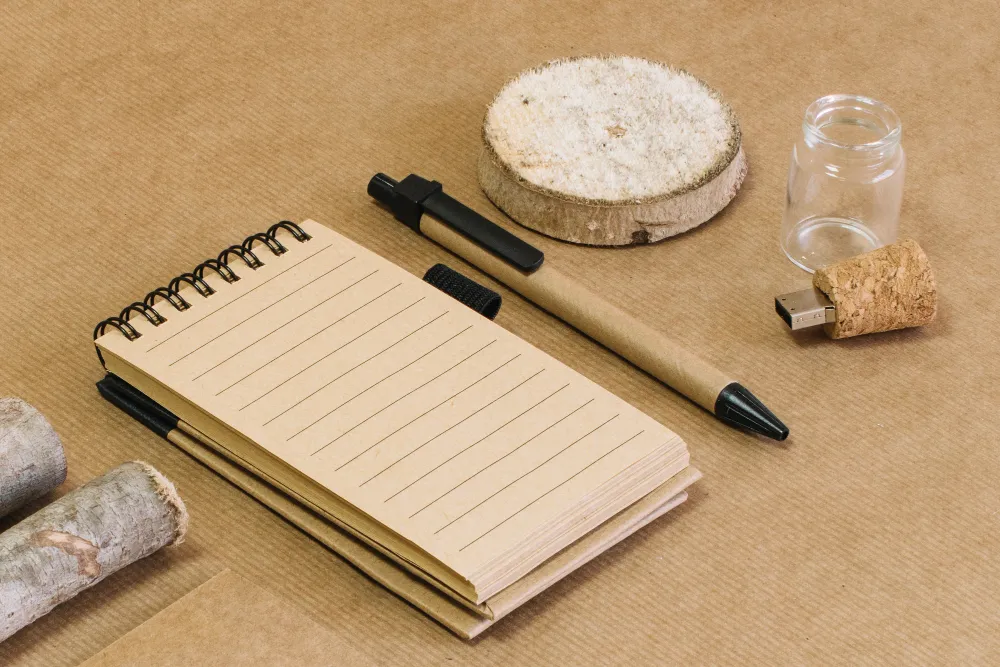
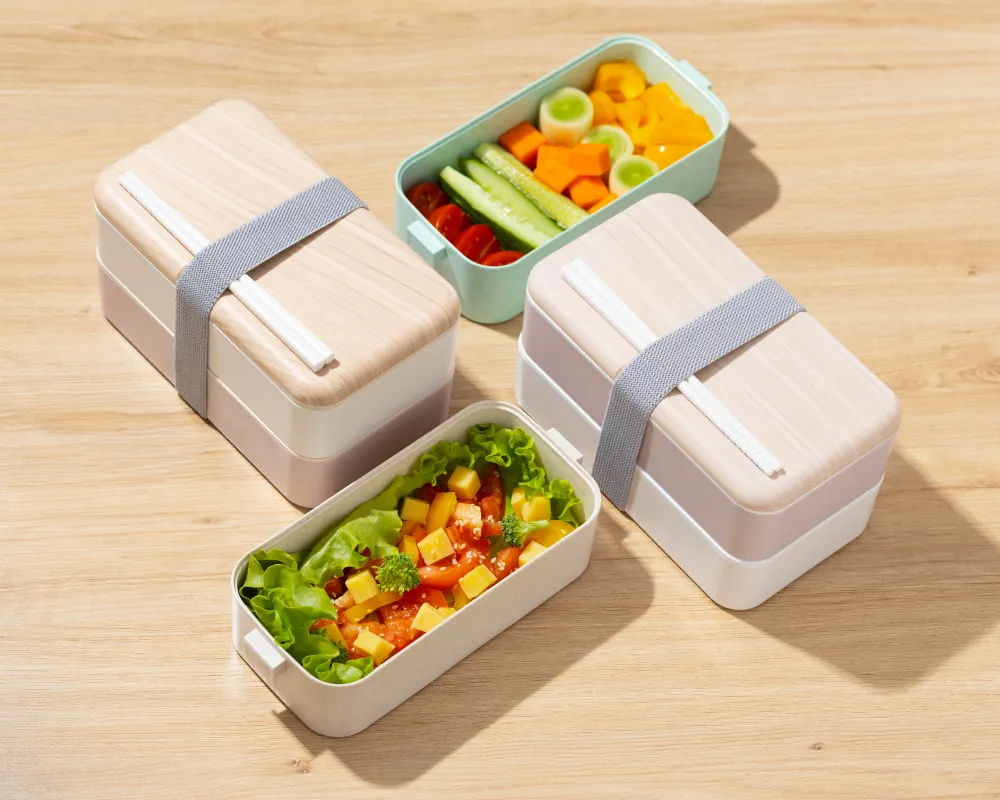
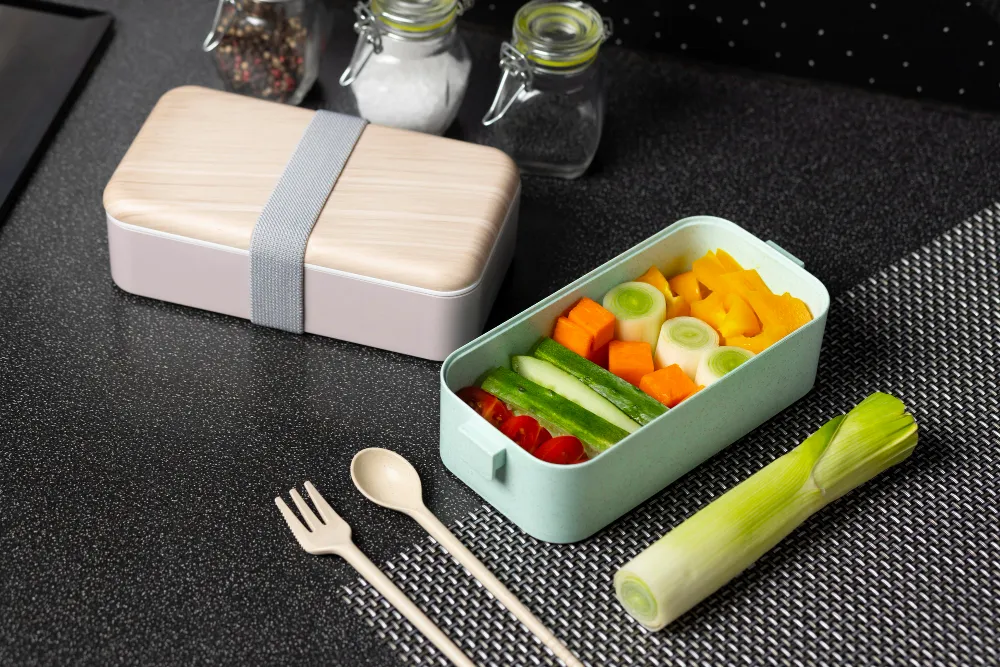
Sustainable gifts have become more than a trend in Singapore. They represent a fundamental shift in how consumers and businesses approach consumption. When you choose an eco-friendly gift, you’re making a statement about environmental responsibility that resonates deeply with Singapore’s growing green-conscious population.
The Singapore market has witnessed a remarkable transformation. According to a 2023 study by the National University of Singapore’s Centre “for Nature-Based Climate Solutions, 72% of Singaporean consumers are willing to pay a premium for sustainable products, with this figure rising to 84% among millennials and Gen Z professionals.” This isn’t just about feeling good. It’s about aligning business practices with the values that matter most to your employees, clients, and partners.
Key Takeaways
- Singapore’s green shift is real: Over 70% of local consumers now consider environmental impact when making purchasing decisions, making sustainable gifts a strategic choice for businesses.
- Corporate reputation depends on it: Companies offering eco-friendly corporate gifts strengthen their brand image and attract environmentally conscious talent and clients.
- Quality trumps quantity: Sustainable gifts like repairable leather bags outlast disposable alternatives, providing better long-term value and reducing waste.
- Regulatory pressure is mounting: Singapore’s Zero Waste Masterplan and upcoming sustainability regulations make green consumption practices increasingly essential for businesses.
- Consumer expectations have evolved: Recipients now view sustainable gifts as a reflection of a company’s values, not just a promotional item.
Why Environmental Consciousness Drives Purchasing Decisions
Singapore consumers have moved beyond surface-level sustainability claims. They scrutinize supply chains, material sourcing, and product lifecycles. This heightened awareness stems from several converging factors.
First, climate change impacts have become tangible. Rising temperatures and regional environmental challenges have made Singaporeans acutely aware of their ecological footprint. Second, government initiatives like the Singapore Green Plan 2030 have normalized sustainability conversations in both personal and professional contexts. Third, social media amplification means that companies using greenwashing tactics get exposed quickly.
When you select sustainable bags as corporate gifts, you’re tapping into this consciousness. Quality leather goods that age gracefully and can be repaired represent the antithesis of throwaway culture. Your recipients understand the difference between a plastic-wrapped promotional item destined for a drawer and a thoughtfully chosen sustainable product they’ll actually use.
The Business Case for Eco-Friendly Corporate Gifting
Smart business leaders recognize that sustainable gifts serve multiple strategic objectives simultaneously. They enhance employer branding, strengthen client relationships, and demonstrate corporate social responsibility without requiring separate CSR initiatives.
Consider the mathematics of reputation. A 2024 report by the Singapore Business Federation found that 68% of job seekers in Singapore evaluate a company’s environmental practices before accepting offers. Your corporate gifting strategy becomes part of your talent acquisition toolkit. When prospective employees receive well-crafted sustainable gifts during recruitment or onboarding, they see tangible proof of your stated values.
The same principle applies to client relationships. B2B decision-makers increasingly factor sustainability into vendor selection criteria. A sustainable gift doesn’t just thank a client for their business. It reinforces your shared commitment to responsible practices. This alignment builds deeper partnerships than transactional relationships ever could.
What Makes a Gift Truly Sustainable
Not all products marketed as “eco-friendly” meet meaningful sustainability standards. Understanding what makes a gift eco-friendly requires examining several dimensions.
Material sourcing matters first. Leather goods using vegetable-tanned leather avoid the harsh chemicals found in conventional chrome tanning. The production process generates less toxic waste and creates biodegradable material at end-of-life. Natural fibers like organic cotton and linen similarly reduce environmental impact compared to synthetic alternatives.
Durability represents the second critical factor. A gift that lasts five years generates less waste than five annual replacements. This is where quality construction separates genuine sustainability from greenwashing. Reinforced stitching, quality hardware, and timeless design all contribute to product longevity.
The third dimension involves repairability. Products designed for repair extend their useful life dramatically. When you choose gifts that recipients can maintain and restore, you’re promoting a circular economy mindset. This is why bag repair services have become increasingly valuable. They transform products from disposable items into long-term companions.
Singapore Market Trends Driving Green Consumption
Several unique factors shape Singapore’s sustainable consumption landscape. The city-state’s small physical footprint makes residents acutely aware of waste management challenges. Limited landfill capacity means Singapore incinerates most waste, making waste reduction a practical necessity beyond environmental idealism.
Government incentives have accelerated adoption. The Resource Sustainability Act mandates reporting for large companies, creating accountability around consumption patterns. Tax incentives for green business practices make sustainable procurement financially attractive. These policy frameworks have normalized sustainability considerations across industries.
Demographic shifts matter too. Singapore’s workforce skews younger in many sectors, bringing Gen Z and millennial values into corporate decision-making. These demographics don’t just prefer sustainable options. They actively reject companies perceived as environmentally irresponsible. Your gifting choices either align with these values or create cognitive dissonance.
Practical Implementation for Businesses
Transitioning to sustainable corporate gifts requires strategic planning rather than wholesale replacement. Start by auditing your current gifting practices. Calculate the lifecycle cost of disposable promotional items versus durable sustainable alternatives. You’ll often find that higher upfront costs for quality items deliver better long-term value.
Partner with suppliers who provide transparency. Request information about material sourcing, production methods, and supply chain practices. Legitimate sustainable brands welcome these questions because transparency differentiates them from competitors making unsubstantiated claims.
Educate recipients about care and maintenance. When you gift quality leather goods, include information about how to care for leather bags. This transforms your gift from a single transaction into an ongoing relationship. Recipients appreciate guidance that helps them maximize their investment, and proper care dramatically extends product life.
Consider customization thoughtfully. Branding should enhance rather than compromise sustainability. Subtle, tasteful personalization works better than large logos that date quickly or limit the recipient’s willingness to use the item in different contexts.
Measuring the Impact of Sustainable Gifting
Quantifying the ROI of sustainable corporate gifts requires looking beyond immediate costs. Track recipient satisfaction through follow-up surveys. Ask whether they still use the item six months or a year later. High retention rates indicate you’ve provided genuine value rather than clutter.
Monitor brand perception metrics. Employee engagement scores, client satisfaction ratings, and social media sentiment often improve when companies make visible sustainability commitments. Your gifting program becomes part of a larger narrative about corporate values.
Calculate waste reduction. Compare the volume of promotional items you previously distributed with the smaller quantity of higher-quality sustainable alternatives. The environmental impact reduction represents a tangible contribution to Singapore’s sustainability goals, something you can feature in CSR reporting.
Taking Action on Sustainable Corporate Gifting
The shift toward sustainable gifts isn’t a passing trend. It reflects fundamental changes in consumer values and business practices. Singapore’s regulatory environment and market dynamics will only intensify pressure on companies to demonstrate genuine environmental commitment.
Start small if wholesale change feels overwhelming. Replace one category of corporate gifts with sustainable alternatives and measure results. You’ll likely find that recipients respond more positively to thoughtful, durable items than they ever did to disposable promotional products.
The companies that thrive in Singapore’s evolving market will be those that view sustainability as an opportunity rather than an obligation. Your corporate gifting strategy offers a tangible way to demonstrate values, build relationships, and contribute to the environmental progress that matters to your stakeholders.
Frequently Asked Questions
What makes a gift sustainable in Singapore’s context?
A sustainable gift uses responsibly sourced materials, features durable construction for long-term use, and can be repaired or recycled at end-of-life. In Singapore specifically, it should also minimize packaging waste and align with the country’s Zero Waste initiatives. Quality over quantity defines truly sustainable gifting practices.
Are sustainable corporate gifts more expensive?
Initial costs for sustainable gifts typically run higher than disposable promotional items, but lifecycle costs often prove lower. A quality leather bag used for five years costs less per use than five cheap alternatives. Factor in enhanced brand perception and recipient satisfaction for complete ROI analysis.
How do I verify a supplier’s sustainability claims?
Request specific information about material sourcing, production processes, and supply chain transparency. Look for certifications like FSC for paper products or OEKO-TEX for textiles. Legitimate sustainable brands provide detailed documentation and welcome questions about their environmental practices rather than relying on vague marketing language.
What sustainable gift options work for large corporate events?
Focus on useful, quality items that recipients will integrate into daily routines. Reusable water bottles, sustainable tote bags, bamboo desk accessories, and plantable seed paper products all scale well for events. Avoid items that duplicate what people already own or that serve only decorative purposes.
How can small businesses afford sustainable corporate gifts?
Start by gifting strategically rather than broadly. Give fewer, higher-quality items to key stakeholders instead of distributing cheap promotional products widely. Build relationships with local sustainable brands who may offer bulk pricing. Remember that one well-chosen sustainable gift creates more impact than dozens of forgettable items.