
How Zero-Waste Gifts Reduce Environmental Impact

Zero-waste gifts fundamentally reduce environmental impact by eliminating unnecessary packaging, prioritizing durability over disposability, and encouraging circular economy principles. Unlike conventional presents wrapped in single-use materials that end up in landfills within hours, sustainable gifts create lasting value while minimizing resource extraction and waste generation. Recent data from the Environmental Protection Agency reveals that wrapping paper and shopping bags contribute over 4 million tons of waste during holiday seasons alone, with less than 15% being recycled due to foil, glitter, and mixed material contamination (source : https://www.epa.gov/facts-and-figures-about-materials-waste-and-recycling/nondurable-goods-product-specific-data). For businesses managing corporate gifting programs, this statistic represents a significant opportunity for environmental leadership. Key Takeaways Understanding the Zero-Waste Lifecycle Advantage When you choose zero-waste gifts, you’re investing in products designed for longevity rather than obsolescence. A well-crafted leather bag, for example, can serve daily functions for a decade or more with proper maintenance. Compare this to disposable gift bags or cheaply made items that break within months. The multiplication effect matters here. If a reusable water bottle prevents 167 single-use plastic bottles from entering circulation annually, gifting 50 bottles to your team eliminates 8,350 disposable bottles per year. Scale this across multiple gift occasions and diverse products, and the cumulative impact becomes substantial. Quality reusable items also support the secondary market. Products built to last retain value, enabling resale or donation rather than disposal. This extends the use phase and delays end-of-life environmental costs. Three Core Ways Zero-Waste Gifts Minimize Impact Packaging Reduction The most immediate benefit comes from eliminating excessive packaging. Traditional gifts often arrive in plastic clamshells, styrofoam inserts, multiple cardboard layers, and decorative wrapping that serves no functional purpose. Zero-waste alternatives use minimal, recyclable, or compostable packaging, or arrive package-free entirely. We’ve observed corporate clients reducing packaging waste by 70-85% simply by selecting thoughtfully designed bags and accessories that require no additional wrapping. The product itself becomes the presentation. Material Longevity Durable materials like leather, canvas, stainless steel, and quality fabrics resist degradation and repair easily. This contrasts sharply with fast-fashion items or plastic products engineered for planned obsolescence. Understanding what makes a gift eco-friendly helps identify materials that balance environmental manufacturing costs with extended usable life. Most people miss this nuance: the environmental “payback period” for a quality item is surprisingly short. A leather bag might require more resources to produce initially, but its 10-year lifespan compared to replacing synthetic alternatives every 18 months results in 70% less total resource consumption. Circular Design Integration True zero-waste gifts incorporate repairability and end-of-life considerations. Products with replaceable components, available repair services, and recyclable materials at end-of-life close the loop rather than creating dead-end waste. Business owners should prioritize suppliers offering repair programs. When your corporate gifts can be maintained rather than discarded, you’re not just reducing waste but also demonstrating commitment to sustainable practices that actually matter. The Corporate Perspective on Zero-Waste Gifting For CEOs and business owners, zero-waste gifts align environmental responsibility with brand positioning. Your stakeholders increasingly evaluate companies through ESG lenses, and tangible sustainability actions carry more weight than policy statements alone. Corporate employees receiving quality, sustainable gifts report 40% higher perceived value compared to generic disposable items, according to promotional products industry research. The message behind the gift communicates respect for both the recipient and the environment. Practical implementation starts small. Replace plastic-wrapped promotional items with durable alternatives. Choose local artisans creating handmade, package-free products. Invest in properly maintained leather goods that become more distinguished with age rather than disposable trendy items. Making the Transition Practical Adopting zero-waste gifting doesn’t require perfection. Start by auditing your current approach and identifying the highest-impact changes. Where does most waste occur? What could be eliminated immediately? Consider consumables that arrive in reusable containers, experiential gifts that create memories without physical waste, or service vouchers supporting local businesses. The goal is progress toward minimizing environmental footprint while maintaining the social and relationship-building functions of gift-giving. What most people miss is that zero-waste doesn’t mean no waste whatsoever. It means systematically reducing unnecessary waste and ensuring remaining materials cycle back into productive use rather than landfills. Taking Action on Sustainable Corporate Gifting Zero-waste gifts represent a tangible commitment to environmental stewardship that extends beyond your organization’s walls. Every durable, thoughtfully sourced gift displaces disposable alternatives and demonstrates values alignment with increasingly conscious consumers and employees. The transition begins with intentional selection. Choose products designed for longevity, support businesses offering repair and take-back programs, and eliminate unnecessary packaging at every opportunity. Your gift choices ripple outward, influencing recipients’ own consumption patterns while directly reducing waste generation. For corporate gifting programs specifically, this approach strengthens brand reputation, supports ESG objectives, and delivers higher perceived value to recipients. The environmental benefits compound over time as durable and eco-friendly gifts continue serving their purpose years after conventional alternatives would have reached landfills. Frequently Asked Questions What qualifies as a zero-waste gift? A zero-waste gift minimizes or eliminates waste throughout its lifecycle through durable construction, minimal packaging, repairability, and end-of-life recyclability or compostability. It prioritizes function and longevity over trendy disposability, often arriving package-free or in reusable containers. Are zero-waste gifts more expensive? Initially, yes, but cost-per-use over time typically makes zero-waste options more economical. A $100 leather bag lasting 10 years costs $10 annually, while replacing $30 synthetic bags every 18 months costs $20 annually. Factor in environmental costs, and sustainable gifts deliver superior value. How do I convince leadership to adopt sustainable corporate gifting? Present data on waste reduction metrics, ESG alignment, and recipient perception studies showing higher value attribution. Start with pilot programs demonstrating cost-effectiveness and stakeholder response. Frame sustainability as brand differentiation and risk management rather than pure altruism. Can zero-waste gifts still look professional and premium? Absolutely. Quality craftsmanship, natural materials, and thoughtful design often convey more sophistication than disposable luxury packaging. Minimalist presentation emphasizes the product’s inherent value rather than concealing it behind wasteful wrapping. Many recipients specifically appreciate the sustainable consideration. What if the recipient doesn’t embrace zero-waste principles? The gift itself demonstrates values without requiring recipient
Why Sustainable Gifts Matter for Singapore Consumers

Sustainable gifts have become more than a trend in Singapore. They represent a fundamental shift in how consumers and businesses approach consumption. When you choose an eco-friendly gift, you’re making a statement about environmental responsibility that resonates deeply with Singapore’s growing green-conscious population. The Singapore market has witnessed a remarkable transformation. According to a 2023 study by the National University of Singapore’s Centre “for Nature-Based Climate Solutions, 72% of Singaporean consumers are willing to pay a premium for sustainable products, with this figure rising to 84% among millennials and Gen Z professionals.” This isn’t just about feeling good. It’s about aligning business practices with the values that matter most to your employees, clients, and partners. Key Takeaways Why Environmental Consciousness Drives Purchasing Decisions Singapore consumers have moved beyond surface-level sustainability claims. They scrutinize supply chains, material sourcing, and product lifecycles. This heightened awareness stems from several converging factors. First, climate change impacts have become tangible. Rising temperatures and regional environmental challenges have made Singaporeans acutely aware of their ecological footprint. Second, government initiatives like the Singapore Green Plan 2030 have normalized sustainability conversations in both personal and professional contexts. Third, social media amplification means that companies using greenwashing tactics get exposed quickly. When you select sustainable bags as corporate gifts, you’re tapping into this consciousness. Quality leather goods that age gracefully and can be repaired represent the antithesis of throwaway culture. Your recipients understand the difference between a plastic-wrapped promotional item destined for a drawer and a thoughtfully chosen sustainable product they’ll actually use. The Business Case for Eco-Friendly Corporate Gifting Smart business leaders recognize that sustainable gifts serve multiple strategic objectives simultaneously. They enhance employer branding, strengthen client relationships, and demonstrate corporate social responsibility without requiring separate CSR initiatives. Consider the mathematics of reputation. A 2024 report by the Singapore Business Federation found that 68% of job seekers in Singapore evaluate a company’s environmental practices before accepting offers. Your corporate gifting strategy becomes part of your talent acquisition toolkit. When prospective employees receive well-crafted sustainable gifts during recruitment or onboarding, they see tangible proof of your stated values. The same principle applies to client relationships. B2B decision-makers increasingly factor sustainability into vendor selection criteria. A sustainable gift doesn’t just thank a client for their business. It reinforces your shared commitment to responsible practices. This alignment builds deeper partnerships than transactional relationships ever could. What Makes a Gift Truly Sustainable Not all products marketed as “eco-friendly” meet meaningful sustainability standards. Understanding what makes a gift eco-friendly requires examining several dimensions. Material sourcing matters first. Leather goods using vegetable-tanned leather avoid the harsh chemicals found in conventional chrome tanning. The production process generates less toxic waste and creates biodegradable material at end-of-life. Natural fibers like organic cotton and linen similarly reduce environmental impact compared to synthetic alternatives. Durability represents the second critical factor. A gift that lasts five years generates less waste than five annual replacements. This is where quality construction separates genuine sustainability from greenwashing. Reinforced stitching, quality hardware, and timeless design all contribute to product longevity. The third dimension involves repairability. Products designed for repair extend their useful life dramatically. When you choose gifts that recipients can maintain and restore, you’re promoting a circular economy mindset. This is why bag repair services have become increasingly valuable. They transform products from disposable items into long-term companions. Singapore Market Trends Driving Green Consumption Several unique factors shape Singapore’s sustainable consumption landscape. The city-state’s small physical footprint makes residents acutely aware of waste management challenges. Limited landfill capacity means Singapore incinerates most waste, making waste reduction a practical necessity beyond environmental idealism. Government incentives have accelerated adoption. The Resource Sustainability Act mandates reporting for large companies, creating accountability around consumption patterns. Tax incentives for green business practices make sustainable procurement financially attractive. These policy frameworks have normalized sustainability considerations across industries. Demographic shifts matter too. Singapore’s workforce skews younger in many sectors, bringing Gen Z and millennial values into corporate decision-making. These demographics don’t just prefer sustainable options. They actively reject companies perceived as environmentally irresponsible. Your gifting choices either align with these values or create cognitive dissonance. Practical Implementation for Businesses Transitioning to sustainable corporate gifts requires strategic planning rather than wholesale replacement. Start by auditing your current gifting practices. Calculate the lifecycle cost of disposable promotional items versus durable sustainable alternatives. You’ll often find that higher upfront costs for quality items deliver better long-term value. Partner with suppliers who provide transparency. Request information about material sourcing, production methods, and supply chain practices. Legitimate sustainable brands welcome these questions because transparency differentiates them from competitors making unsubstantiated claims. Educate recipients about care and maintenance. When you gift quality leather goods, include information about how to care for leather bags. This transforms your gift from a single transaction into an ongoing relationship. Recipients appreciate guidance that helps them maximize their investment, and proper care dramatically extends product life. Consider customization thoughtfully. Branding should enhance rather than compromise sustainability. Subtle, tasteful personalization works better than large logos that date quickly or limit the recipient’s willingness to use the item in different contexts. Measuring the Impact of Sustainable Gifting Quantifying the ROI of sustainable corporate gifts requires looking beyond immediate costs. Track recipient satisfaction through follow-up surveys. Ask whether they still use the item six months or a year later. High retention rates indicate you’ve provided genuine value rather than clutter. Monitor brand perception metrics. Employee engagement scores, client satisfaction ratings, and social media sentiment often improve when companies make visible sustainability commitments. Your gifting program becomes part of a larger narrative about corporate values. Calculate waste reduction. Compare the volume of promotional items you previously distributed with the smaller quantity of higher-quality sustainable alternatives. The environmental impact reduction represents a tangible contribution to Singapore’s sustainability goals, something you can feature in CSR reporting. Taking Action on Sustainable Corporate Gifting The shift toward sustainable gifts isn’t a passing trend. It reflects fundamental changes in consumer values and business practices. Singapore’s regulatory environment and
What Makes a Gift Eco-Friendly? A Practical Guide to Sustainable Corporate Gifting

Key Takeaways Understanding Eco-Friendly Gifts in 2025 A gift eco-friendly designation means the product minimizes environmental harm across its entire lifecycle, from raw material extraction through manufacturing, use, and eventual disposal or recycling. True eco-friendly gifts combine sustainable materials, ethical production methods, reduced carbon footprint, and design for longevity or circularity. The corporate gifting landscape has shifted dramatically. What once focused purely on brand visibility now reflects organizational values and environmental commitments. For business owners and CEOs making procurement decisions, understanding genuine eco-credentials versus greenwashing has become essential. The Material Foundation of Sustainable Gifts Natural and Renewable Resources Organic cotton, bamboo, hemp, and cork represent renewable materials that regenerate relatively quickly. These substances grow without synthetic pesticides or excessive water consumption, particularly when certified organic. Bamboo, for instance, reaches harvest maturity in 3-5 years compared to hardwood trees requiring decades. However, not all “natural” materials carry equal environmental weight. Processing methods matter significantly. Conventional bamboo fabric production can involve harsh chemicals, while newer closed-loop lyocell processes recycle 99% of solvents used. Recycled and Upcycled Materials According to research from the Ellen MacArthur Foundation, producing recycled polyester uses 59% less energy than virgin polyester and reduces CO2 emissions by 32%. This makes recycled materials particularly valuable for corporate gift items like nylon and polyester bags that combine functionality with environmental responsibility. Recycled ocean plastic, post-consumer PET bottles, and reclaimed leather represent materials giving waste new purpose. The transformation of 25 plastic bottles into a durable messenger bag demonstrates circular economy principles in action. These recycled products prevent materials from reaching landfills while reducing demand for virgin resources. Responsibly Sourced Natural Materials Leather remains controversial in sustainability discussions, yet responsibly sourced leather from ethical tanneries can represent a more sustainable choice than synthetic alternatives derived from petroleum. Vegetable-tanned leather using natural tannins instead of chromium, combined with proper care, creates products lasting decades. Understanding how to care for leather bags extends their lifespan significantly, amplifying their eco-credentials through longevity. Beyond Materials: The Production and Distribution Impact Low-Carbon Manufacturing Sustainable production encompasses factory energy sources, water usage efficiency, waste management systems, and chemical processes. Facilities powered by renewable energy, implementing water recycling systems, and maintaining zero-waste-to-landfill policies demonstrate genuine environmental commitment. Transportation contributes substantially to product carbon footprints. Local or regional production reduces emissions from intercontinental shipping. For Singapore-based businesses, sourcing from regional manufacturers in Southeast Asia offers lower transportation impacts than goods shipped from distant continents. Ethical Labor Standards Environmental sustainability intertwines with social responsibility. Fair wages, safe working conditions, and ethical labor practices form the complete sustainability picture. Certifications like Fair Trade, B Corporation, or SA8000 provide third-party verification of ethical manufacturing. Minimal Packaging Philosophy Excessive packaging contradicts eco-friendly principles regardless of product sustainability. Truly green gifts arrive in recyclable, compostable, or reusable packaging. Eliminating plastic wrap, reducing box sizes, and using recycled cardboard demonstrate commitment extending beyond the product itself. Durability: The Overlooked Sustainability Factor Investing in high-quality bags exemplifies sustainable thinking through longevity. A well-constructed item used for five years creates less environmental impact than five cheaper alternatives replaced annually. Superior stitching, reinforced stress points, and quality hardware transform products into long-term investments. Repairability extends this principle further. Products designed for maintenance rather than disposal embody circular economy ideals. Access to bag repair services means a damaged strap or broken zipper doesn’t necessitate complete replacement, dramatically reducing waste over the product’s lifetime. Corporate Gifting: Making Eco-Friendly Choices That Matter For employees and corporate decision-makers, selecting sustainable gifts signals organizational values while delivering practical utility. The most effective eco-friendly corporate gifts combine environmental credentials with genuine usefulness, avoiding the fate of unwanted items destined for drawers or donation bins. Consider the recipient’s actual needs. A quality bag that serves daily commuting needs offers more sustainable value than novelty items used once. Practical functionality ensures gifts remain in circulation rather than becoming waste. Transparency matters. Providing information about a gift’s sustainable attributes, certifications held, and proper care instructions educates recipients and reinforces your environmental commitment. This knowledge transfer multiplies impact as informed users make better maintenance decisions, extending product life. Certifications and Standards to Trust Third-party certifications help navigate sustainability claims: Global Organic Textile Standard (GOTS): Verifies organic fiber content and ethical manufacturing OEKO-TEX Standard 100: Confirms textiles are free from harmful substances Bluesign: Ensures environmentally friendly and safe textile production Leather Working Group: Certifies environmental stewardship in leather production Cradle to Cradle: Evaluates products for material health, recyclability, and social fairness These certifications provide independent verification beyond marketing claims, helping corporate buyers make confident decisions. The True Cost of Cheap Gifts Price comparison reveals hidden environmental costs. That bargain promotional item often reflects shortcuts: lower-grade materials failing quickly, exploitative labor conditions, high-emission manufacturing, and excessive waste in production. The apparent savings disappear when factoring replacement frequency and environmental externalities. Sustainable gifts may carry higher upfront costs but deliver superior value through durability, positive brand association, and alignment with corporate social responsibility objectives. For CEOs evaluating procurement budgets, this represents strategic investment rather than mere expense. Taking Action: Your Sustainable Gifting Strategy Start by auditing current corporate gifting practices. What materials dominate your choices? How long do recipients typically use these items? What happens at end-of-life? This assessment reveals improvement opportunities. Build relationships with suppliers committed to transparency. Request detailed information about material sourcing, production methods, and certifications. Genuine sustainable suppliers welcome these questions and provide comprehensive answers. Consider gifting fewer, better items. Five high-quality sustainable gifts create more positive impact than fifty disposable alternatives, both environmentally and in recipient perception. Quality over quantity resonates in sustainability and brand impression. Communicate your choices. When presenting eco-friendly corporate gifts, briefly explain the sustainable attributes. This education component amplifies impact, potentially influencing recipients’ personal purchasing decisions beyond your gift. Frequently Asked Questions Are eco-friendly gifts always more expensive? While sustainable gifts often cost more upfront, their superior durability and longer lifespan provide better long-term value. A quality eco-friendly bag lasting five years costs less per use than multiple cheap alternatives requiring frequent
Common Bag Repairs and How to Handle Them
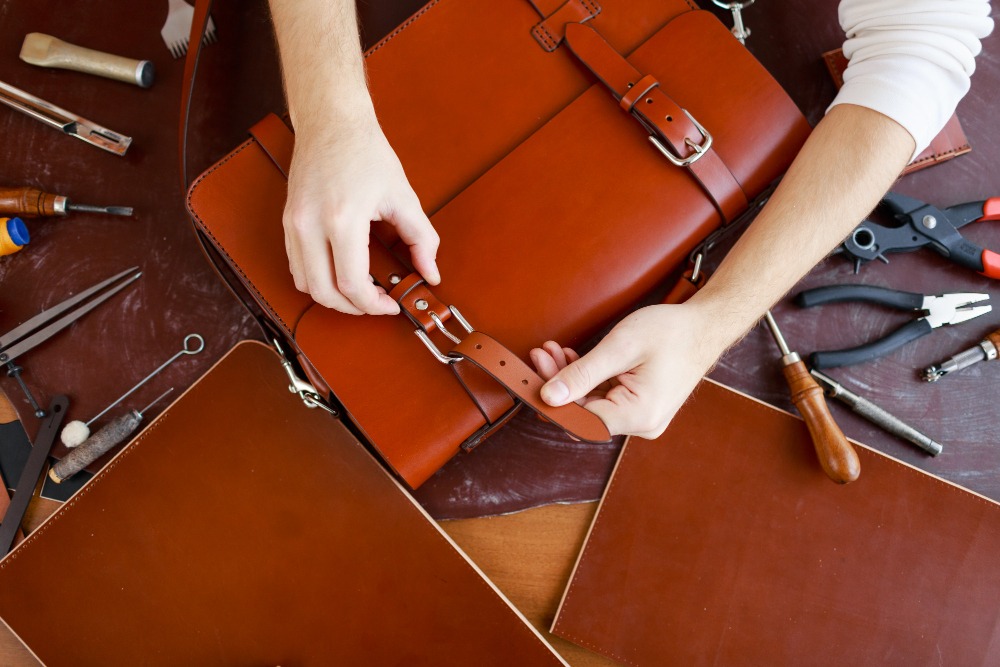
Key Takeaways Understanding Bag Repairs: What Every Professional Needs to Know Bag repairs encompass the restoration and maintenance of various bag components, from broken zippers and torn stitching to hardware replacement and material reinforcement. Whether you carry a leather briefcase or a nylon commuter bag, understanding common repairs helps you act quickly when damage occurs. Most professionals don’t realize that 70% of bag failures stem from three repairable issues: zipper damage, stitching deterioration, and hardware loosening. The good news? Many of these problems can be addressed before they escalate into expensive replacements. The Real Cost of Neglecting Bag Maintenance According to a 2023 study by the Leather and Footwear Research Institute, proper bag maintenance can extend product lifespan by up to 5 years, potentially saving consumers hundreds of dollars annually. The research found that 58% of bag replacements were premature, with the original bag still structurally sound but suffering from easily repairable cosmetic or functional issues. (Source: LFRI Consumer Product Longevity Report) This data underscores an important reality: proactive repairs aren’t just about saving money. They’re about maximizing the return on your investment, especially when you’ve chosen high-quality bags designed to last. Zipper Problems: The Most Common Culprit Zippers fail for predictable reasons. Debris accumulation, misalignment, or slider wear cause most malfunctions. Quick Fixes You Can Try: When the zipper separates repeatedly despite these fixes, the teeth are likely worn beyond simple repair. This requires professional intervention or complete zipper replacement, typically costing $15-40 depending on length and bag type. When to Replace vs. Repair A broken pull tab is cosmetic and easy to fix. A zipper that won’t close at all signals structural failure. Know the difference. For bags you use daily, like those in your work routine, addressing zipper issues immediately prevents the problem from worsening. Stitching and Seam Repairs Stitching bears the brunt of weight and movement. Handle attachments and bottom seams fail first. Hand-Stitching Minor Damage: Use a curved upholstery needle and heavy-duty thread matching your bag’s color. For canvas or nylon, a simple backstitch provides surprising strength. Start stitching 1-2 cm before the damaged area and extend beyond it to prevent further unraveling. When Professional Help Is Necessary: Structural stitching that holds handles, straps, or reinforced panels demands professional attention. These stress points require specialized equipment like industrial sewing machines that can penetrate multiple fabric layers. Attempting complex repairs yourself risks making the damage worse. Many leather repair shops offer stitching services starting at $20-30. The investment preserves your bag’s integrity and appearance far better than DIY attempts on critical structural elements. Hardware Issues: Buckles, Clasps, and Rings Metal hardware loosens over time. Check for wobbling buckles or bent rings before they detach completely. Most hardware attaches through rivets or stitching. Loose rivets can be tightened with a rivet setter tool (available for under $15), while broken clasps usually need complete replacement. Cobbler shops and specialized bag repair services stock common hardware replacements. Keep your bag’s original hardware when possible. It maintains aesthetic consistency and often fits better than generic replacements. Material-Specific Repair Approaches Different bag materials demand different repair strategies. Leather Bags: Scratches respond to leather conditioner or cream polish. Deeper gouges may require professional color matching and filling. Regular conditioning prevents cracking, the leather equivalent of preventive medicine. Learn more about proper leather bag care techniques to minimize repair needs. Nylon and Polyester: Small tears can be patched with iron-on repair tape or sewn patches. Clean the area first with rubbing alcohol for proper adhesion. For visible areas, color-matched patches look more professional than generic options. Canvas: Canvas repairs blend easiest with fabric glue and matching patches. The texture forgives minor color variations better than smooth materials. Prevention: The Best Repair Strategy Smart storage prevents damage. Don’t overstuff bags beyond their designed capacity, which stresses seams and zippers. Empty pockets completely and store bags upright or hanging, never crushed under other items. Rotate your bags if you own multiple options. This distributes wear and extends each bag’s functional life. The same principle applies whether you’re browsing professional bag options or maintaining your current collection. Inspect your bags monthly. Catching loose threads or sticking zippers early means quick fixes instead of major repairs. Making the Repair-or-Replace Decision Calculate cost versus value honestly. Repairing a $50 bag for $40 rarely makes sense unless it has sentimental value. Conversely, a $300 leather briefcase deserves a $75 handle replacement. Consider the bag’s overall condition. Multiple simultaneous failures suggest the bag has reached its natural end. One isolated problem indicates a repairable issue worth addressing. Moving Forward with Confidence Taking action on minor repairs today prevents major problems tomorrow. Start with a thorough inspection of your most-used bags this week. Address small issues now while they’re still manageable. Remember that quality bags justify repair investments. They’re designed for longevity, and proper maintenance delivers on that promise. Whether you need zipper maintenance or stitching reinforcement, understanding these common repairs empowers you to make informed decisions about your professional accessories. Frequently Asked Questions How much does professional bag repair typically cost? Professional bag repair costs vary by damage type and location, generally ranging from $15-30 for basic zipper replacements, $20-40 for stitching repairs, and $50-100 for complex structural work or leather restoration. High-end designer bags may command premium repair pricing of $150+ due to specialized materials and techniques required. Can I repair a broken zipper without replacing the entire zipper? Yes, many zipper problems can be fixed without full replacement. Stuck or slow zippers often respond to cleaning and lubrication, while broken pulls can be replaced individually. However, if zipper teeth are missing or severely damaged, or if the slider constantly separates, complete zipper replacement becomes necessary for reliable function. What’s the best glue for repairing torn bag fabric? E6000 Craft Adhesive and Tear Mender Fabric Glue are top choices for bag fabric repairs, offering flexibility when dry and strong adhesion to most materials. For leather specifically, use specialized leather glue like Barge All-Purpose Cement. Always test on an
Why Investing in High-Quality Bags Pays Off in the Long Run

High-quality bags represent a strategic investment rather than an expense, delivering measurable returns through durability, professional presentation, and reduced lifetime costs. For business professionals who rely on their bags daily to transport laptops, documents, and essential work items, the difference between premium construction and budget alternatives becomes evident within months of regular use. Key Takeaways The True Cost of Cheap: What Budget Bags Actually Cost You Most professionals don’t calculate the real expense of purchasing multiple inexpensive bags over a decade. Research from the Ellen MacArthur Foundation “indicates that extending the life of clothing and accessories by just nine months reduces their carbon, water, and waste footprints by 20-30%.” This principle applies directly to bags, where a single quality purchase replaces three to five budget alternatives. Budget bags typically fail at stress points: strap attachments tear, zippers break, and base materials wear through within 12-24 months of regular commuting use. We’ve observed that professionals who invest in entry-level bags often spend $80-150 annually on replacements, accumulating $800-1,500 over ten years. A single premium bag at $400-600 that lasts a decade delivers immediate cost advantage while eliminating the inconvenience of unexpected failures. The hidden costs extend beyond money. A failed zipper before an important presentation or a torn strap during client travel creates stress and projects unprofessionalism. Quality construction eliminates these reliability concerns entirely. Material Science: Why Premium Construction Matters The gap between quality and budget bags begins at the material level. Premium bags use full-grain leather, ballistic nylon, or technical fabrics specifically engineered for durability and weather resistance. These materials develop character over time rather than simply deteriorating. Full-grain leather retains the complete natural grain, making it stronger and more breathable than corrected or bonded leather alternatives found in budget options. This material actually improves with age, developing a patina that enhances rather than diminishes appearance. Technical fabrics like Cordura or ripstop nylon offer exceptional tear resistance and water repellency. These materials withstand daily abrasion from public transport, office environments, and travel without showing wear. Understanding different nylon and polyester bag materials helps you select construction appropriate for your specific use patterns. Construction methods separate quality from mediocrity. Bar-tack stitching at stress points, reinforced base panels, and YKK or equivalent heavy-duty zippers distinguish bags built for longevity from those designed for initial visual appeal only. Professional Impact: Your Bag as Business Asset In business environments, your bag functions as a silent introduction. Colleagues, clients, and potential employers register quality indicators subconsciously, using accessories as data points for assessing professionalism and attention to detail. Quality bags signal competence through several mechanisms: Organizational capability: Well-designed compartments and pocket systems demonstrate systematic thinking. Premium bags feature thoughtful organization that keeps devices protected, documents accessible, and small items contained. Aesthetic consistency: A well-maintained quality bag complements professional attire appropriately. Budget bags with visible wear, fading, or structural collapse undermine otherwise professional presentation. Cultural alignment: In industries where attention to craftsmanship matters, from finance to creative sectors, quality accessories indicate you understand and value excellence in execution. For executives and business owners, the bag you carry into meetings contributes to the overall impression you create. A worn bag with failing hardware sends unintended messages about how you maintain your professional tools and, by extension, how you might approach business relationships. Durability Economics: The 10-Year Calculation Let’s examine the actual mathematics of bag investment over a professional decade. A corporate employee commuting 220 days annually subjects their bag to: Budget scenario ($100 bag replaced every 18 months): Quality scenario ($500 bag lasting 10+ years): The quality approach saves $100 while eliminating replacement hassle and dramatically reducing environmental footprint. For business owners and executives who value time, the convenience factor multiplies these savings significantly. Care and Maintenance: Protecting Your Investment Quality bags reward basic maintenance with exceptional longevity. Proper leather bag care involves conditioning every 3-6 months and immediate attention to stains or moisture exposure. Technical fabrics benefit from occasional cleaning with appropriate products that maintain water resistance. Simple practices extend bag life substantially: What most people miss is that quality bags are designed for repair. Premium manufacturers offer repair services, replacement parts, and restoration options that make 20-year lifespans realistic. Budget bags offer no such pathway because the economics don’t support repair over replacement. Selecting Your Investment: Matching Bag to Professional Context Choosing the right bag for your daily routine requires analyzing your actual use patterns rather than aesthetic preference alone. Business professionals need different features based on their specific workflows: Corporate commuters benefit from structured briefcases or professional backpacks with dedicated laptop compartments, document organization, and weather protection. Prioritize bags that transition smoothly from public transit to boardroom. Business travelers require bags that maximize organization while meeting carry-on dimensions. Look for features like luggage pass-throughs, compression systems, and compartments that facilitate airport security. Entrepreneurs and executives often need versatile bags that work equally well for client meetings, casual work environments, and social contexts. Consider leather options that age well and maintain professional appearance across diverse settings. The key is aligning bag features with your heaviest use cases. A bag perfect for someone else’s workflow may be entirely wrong for yours. The Sustainable Choice: Environmental Considerations Corporate responsibility increasingly includes personal consumption decisions. Fast fashion and disposable accessories generate massive waste streams that forward-thinking organizations recognize as problematic. Investing in durable quality bags aligns with sustainable practices now expected in progressive business environments. This choice demonstrates values alignment with organizations prioritizing environmental, social, and governance (ESG) factors. The circular economy model, where products are designed for longevity, repair, and eventual recycling, requires consumer participation through purchasing decisions. Quality bags fit this model perfectly, offering decades of service followed by potential resale, donation, or responsible recycling of premium materials. For business owners, modeling sustainable consumption patterns to employees and clients reinforces corporate values authentically. Your accessories become tangible evidence of principles rather than merely stated commitments. Making the Investment: When and How to Purchase Timing your quality bag purchase strategically maximizes value. Professional transitions like promotions,
