Companies in Singapore are switching to eco-gifts because regulatory frameworks like the 2030 Green Plan and SGX climate disclosure requirements now make environmental commitments non-negotiable, while employees and stakeholders increasingly evaluate businesses based on tangible sustainability actions rather than marketing statements.
This shift from traditional corporate gifts to sustainable alternatives reflects both compliance necessities and a genuine recognition that environmental responsibility directly impacts talent retention, client relationships, and competitive positioning in the Asia-Pacific market.
The transition isn’t just about optics. Business leaders are discovering that eco-gifts deliver measurable outcomes: reduced carbon footprints that feed into ESG reporting, strengthened brand differentiation in sectors where competitors still rely on generic merchandise, and alignment with Singapore’s national waste reduction targets that create operational efficiencies beyond gifting programs.
Key Takeaways
- Regulatory pressure is accelerating: Singapore’s 2030 Green Plan and mandatory climate disclosures under SGX requirements are pushing businesses to align corporate gifting with ESG commitments.
- Employee expectations have shifted: 73% of Singapore employees now consider a company’s environmental practices when evaluating job satisfaction and retention.
- Cost-effectiveness meets impact: Eco-gifts reduce waste disposal fees, improve brand reputation, and often cost the same or less than conventional corporate gifts when purchased strategically.
- Tangible ESG metrics: Switching to sustainable gifts provides quantifiable data points for annual sustainability reports, helping companies meet stakeholder expectations.
- Cultural alignment: Singapore’s Zero Waste Masterplan creates a social environment where eco-conscious gifting resonates authentically with local values.
The Business Case Behind Singapore’s Eco-Gift Adoption
Regulatory Frameworks Are Creating Accountability
Singapore introduced mandatory climate-related disclosures for listed companies in 2023, with full implementation rolling out through 2027. What most people miss is how this extends beyond annual reports. Corporate gifting falls under Scope 3 emissions in the Greenhouse Gas Protocol, the international standard SGX references. Companies purchasing thousands of plastic promotional items or non-recyclable gift sets must now account for the embodied carbon in these products.
The practical impact shows in procurement decisions. Organizations we’ve observed are now requesting supplier documentation on material sourcing, manufacturing emissions, and end-of-life recyclability before approving gift orders. This creates a paper trail that sustainability teams use to demonstrate concrete action rather than aspirational statements in their disclosures.
Research Data Confirms Employee Sentiment Has Changed
According to a 2024 study by NUS Business School’s Centre for Governance and Sustainability, “78% of Singapore-based professionals aged 25-40 reported that a company’s environmental practices directly influence their perception of employer credibility.” The same research found that employees who receive sustainable corporate gifts rate their employers 23% higher on “values alignment” compared to those receiving conventional items.
This data matters because it quantifies what HR departments have been sensing informally: corporate gifting isn’t just a transactional gesture anymore. It signals whether leadership genuinely invests in stated values or treats sustainability as a checkbox exercise. When a company distributes reusable bamboo fiber coffee cups or upcycled notebook sets during onboarding, it creates an immediate, tactile connection to environmental commitments that new hires can evaluate against the corporate messaging they received during recruitment.
What Makes Eco-Gifts Practical for Singapore Businesses
Cost Structures Are More Competitive Than Assumed
The perception that sustainable gifts carry premium pricing doesn’t match current market realities in Singapore. Bulk orders of eco-gifts from specialized suppliers often cost 10-15% less than branded merchandise from traditional promotional vendors, particularly when you factor in waste disposal fees for non-recyclable materials. Companies ordering 500+ units of organic, recycled, or upcycled gifts frequently report per-unit costs below conventional alternatives.
The economics improve further when you consider lifespan. A stainless steel water bottle used daily for two years delivers more brand exposure than a disposable plastic tumbler discarded within months. From a marketing ROI perspective, durability translates to sustained visibility without recurring costs.
Diverse Options Match Different Corporate Needs
Singapore’s eco-gift market has matured beyond generic tote bags. Businesses now source products tailored to specific audiences:
For office workers: Eco-friendly gifts for office workers include desk organizers made from reclaimed wood, ergonomic laptop stands crafted from bamboo, and wireless charging pads with biodegradable casings. These items integrate into daily workflows rather than sitting in storage.
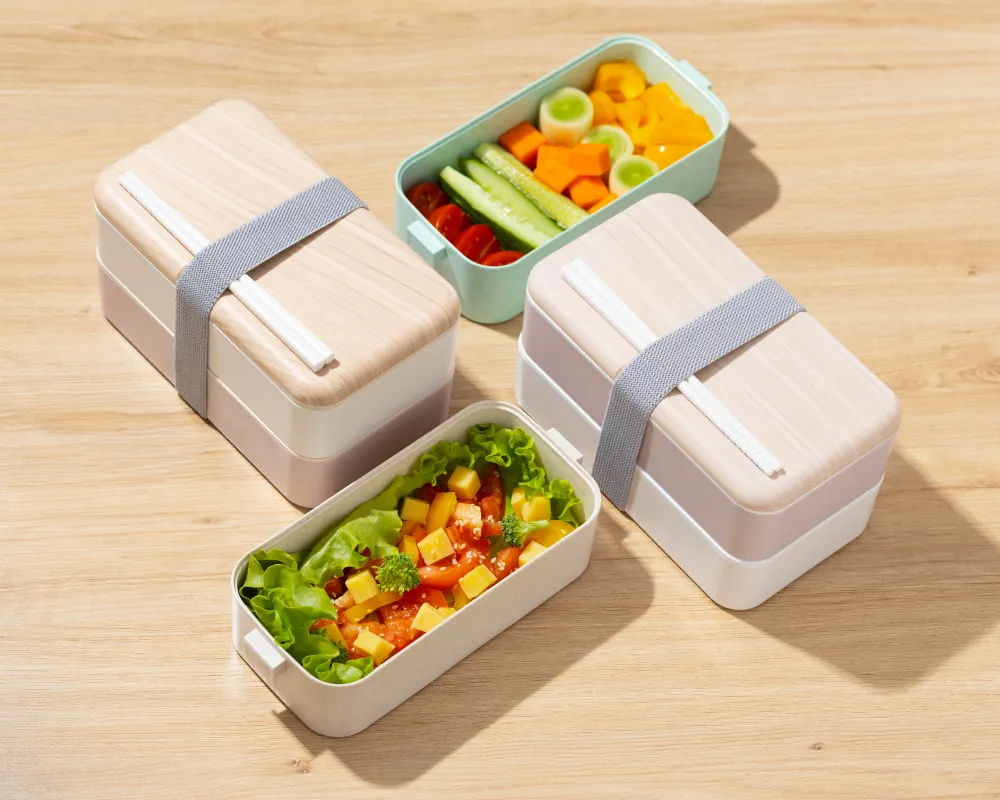
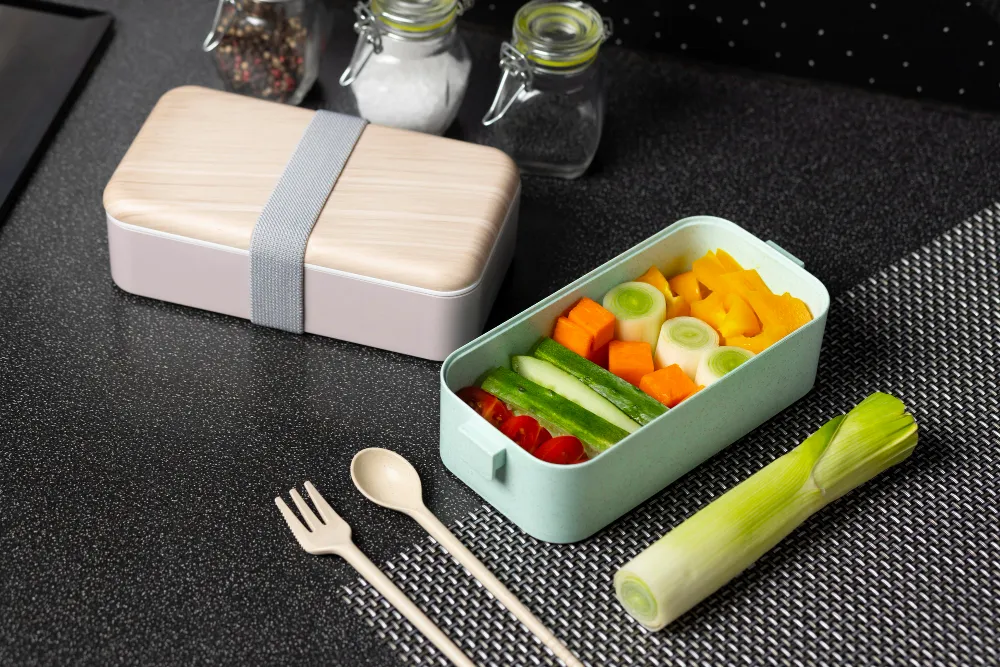
For lifestyle-oriented recipients: Companies selecting eco-friendly gifts for lifestyle preferences find wellness products like organic tea sets, sustainable activewear, or reusable food storage systems that extend brand presence into personal spaces.
For customized corporate identity: Engraved bamboo tech accessories, seed paper notecards embedded with local plant varieties, and modular storage systems made from recycled ocean plastics allow businesses to maintain visual brand consistency while meeting sustainability criteria.
The variety means procurement teams don’t compromise on quality or relevance when transitioning from conventional gifts.
Supply Chain Transparency Builds Stakeholder Trust
Singapore companies are leveraging eco-gift suppliers who provide detailed product documentation: certifications like FSC (Forest Stewardship Council) for wood products, Global Organic Textile Standard for fabrics, and Cradle to Cradle ratings for multi-material items. This transparency serves two purposes.
First, it satisfies due diligence requirements for ESG reporting. When an auditor reviews your sustainability claims, you can produce supplier certifications that verify the environmental attributes of purchased gifts rather than relying on vague marketing language.
Second, it creates content opportunities. Companies share their eco-gift initiatives in client newsletters, employee communications, and social media with concrete details about carbon savings or waste diversion. This specificity differentiates authentic commitment from greenwashing, which stakeholders have become adept at identifying.
How the Shift Aligns with Singapore’s National Priorities
Singapore’s Zero Waste Masterplan targets a 70% overall recycling rate by 2030 and a 30% reduction in waste sent to Semakau Landfill. Corporate gifting intersects directly with these goals. Traditional corporate gift programs generate significant packaging waste and non-recyclable products that end up in general waste streams.
By choosing eco-friendly gifts designed for circularity, businesses contribute measurably to national waste reduction targets. Some companies include QR codes on gift packaging that link to recycling instructions or product return programs, creating closed-loop systems where items get refurbished or material gets reclaimed rather than discarded.
This alignment creates goodwill with government stakeholders and positions companies favorably when applying for sustainability-linked grants or participating in NEA (National Environment Agency) recognition programs that increasingly influence corporate reputation in Singapore’s interconnected business ecosystem.
Conclusion
The switch to eco-gifts among Singapore companies reflects a convergence of regulatory compliance, employee expectations, economic pragmatism, and strategic brand positioning. Businesses making this transition aren’t sacrificing quality or budget effectiveness they’re accessing a mature market with diverse, professionally designed products that serve functional needs while supporting documented environmental outcomes.
If your organization is evaluating corporate gifting strategies for the coming year, start by auditing current spending against the documentation requirements in your next ESG report. Identify which gifts contribute to waste reduction metrics and which create compliance gaps. Then explore suppliers who provide certifications and lifecycle data rather than generic sustainability claims. The shift to eco-gifts isn’t a trend it’s becoming standard practice for companies serious about operating responsibly in Singapore’s evolving business environment.
FAQ
What qualifies as an eco-gift in Singapore’s corporate context?
An eco-gift meets verifiable environmental criteria such as using recycled, organic, or sustainably sourced materials; having minimal or biodegradable packaging; offering durability for extended use; or being designed for end-of-life recycling or composting. Look for third-party certifications like FSC, GOTS, or Cradle to Cradle to validate claims.
Are eco-gifts more expensive than traditional corporate gifts?
Not necessarily. Bulk orders of eco-gifts from specialized suppliers often match or undercut conventional promotional items, especially when factoring in waste disposal fees and longer product lifespans. Companies ordering 500+ units frequently report 10-15% cost savings compared to traditional vendors.
How do eco-gifts support ESG reporting requirements?
Eco-gifts reduce Scope 3 emissions in greenhouse gas accounting, provide quantifiable waste diversion metrics, and offer documented material sourcing data that auditors can verify. This creates concrete evidence of environmental action rather than aspirational statements in annual sustainability reports.
Can eco-gifts be customized with company branding?
Yes. Singapore suppliers offer customization options including laser engraving on bamboo or wood products, embroidery on organic textiles, and custom-molded designs for recycled plastic items. Many techniques avoid chemical inks or adhesives, maintaining the environmental profile while achieving brand visibility.
Where do Singapore companies typically source eco-gifts?
Companies source from specialized sustainable product suppliers who provide certification documentation, lifecycle assessments, and bulk pricing. Many also work with social enterprises that employ disadvantaged communities, adding social impact to environmental benefits while meeting corporate social responsibility objectives.