Key Takeaways
- Lunch boxes fall into six main categories, each suited to different meal types, dietary habits, and workplace settings.
- Insulated and compartmentalized designs are consistently the most practical for Singapore’s humid climate and long office hours.
- The right lunch box reduces food waste, supports healthier eating, and can double as a thoughtful corporate gift.
- Stainless steel and glass options outperform plastic on durability and food safety over the long run.
- For employers considering meal benefits, branded lunch boxes serve both a functional and brand-reinforcing purpose.
What Are the Types of Lunch Boxes?
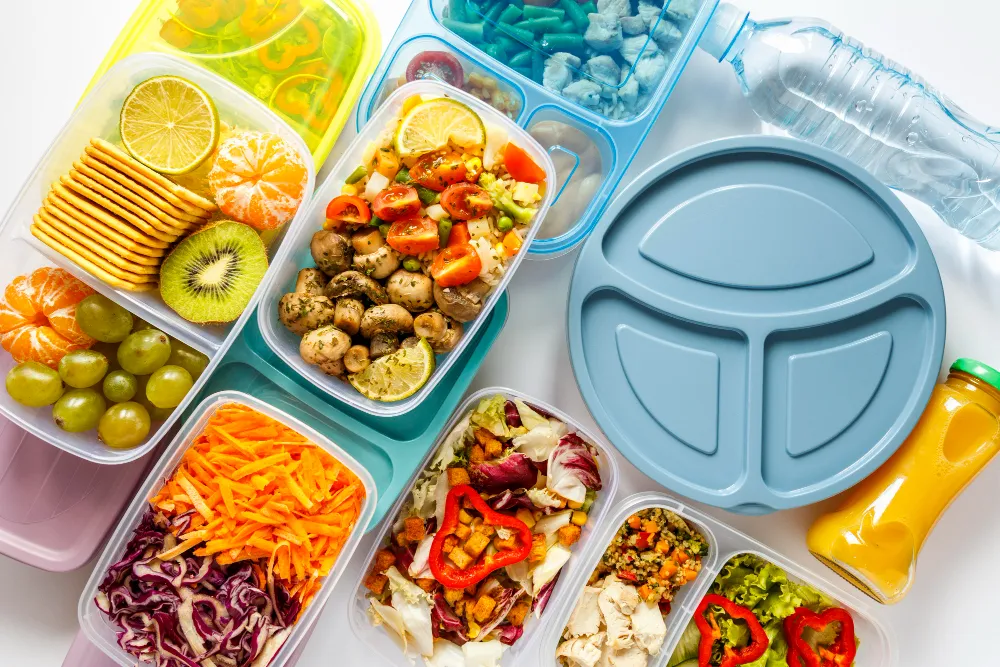
There are six main types of lunch boxes commonly used today: single-tier containers, multi-compartment bento boxes, insulated bags with inner containers, thermal/vacuum-insulated tiffin carriers, glass meal prep containers, and collapsible silicone boxes. Each serves a different purpose depending on meal complexity, commute time, and whether you prioritize heat retention, portion control, or easy cleaning.
For Singapore office workers specifically, the choice usually comes down to three factors: how long the food needs to stay warm, whether the canteen has a microwave, and how much bag space you’re working with.
Why Lunch Box Choice Actually Matters at Work
A surprising number of people treat this as a trivial decision and then wonder why their rice is soggy by noon or their curry has leaked into their laptop bag. The container you choose directly affects food quality, portion discipline, and even how seriously you take your meal break.
A 2023 report by the Singapore Health Promotion Board found that “6 in 10 working adults skip or rush their lunch on most working days, citing inconvenience as the top reason.” A well-chosen lunch box removes friction. It makes packing faster, eating more pleasant, and the whole habit easier to sustain.
The Six Main Types of Lunch Boxes
1. Single-Tier Containers
The most basic format. One compartment, typically rectangular, available in plastic, stainless steel, or glass. These work well for sandwiches, salads, or single-dish meals like noodles or rice with a sauce that is meant to mix through.
What most people miss is that single-tier containers in stainless steel are remarkably durable and do not absorb odour the way plastic does after repeated use. For office workers who pack the same type of meal daily, this is the most low-maintenance option.
2. Multi-Compartment Bento Boxes
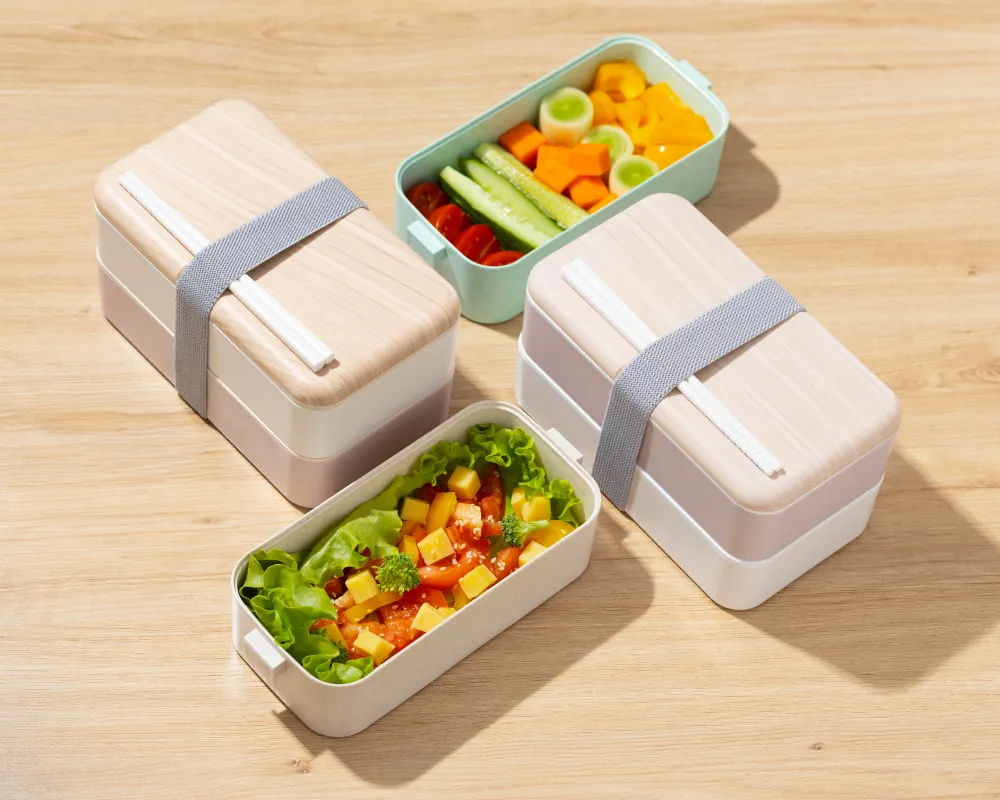
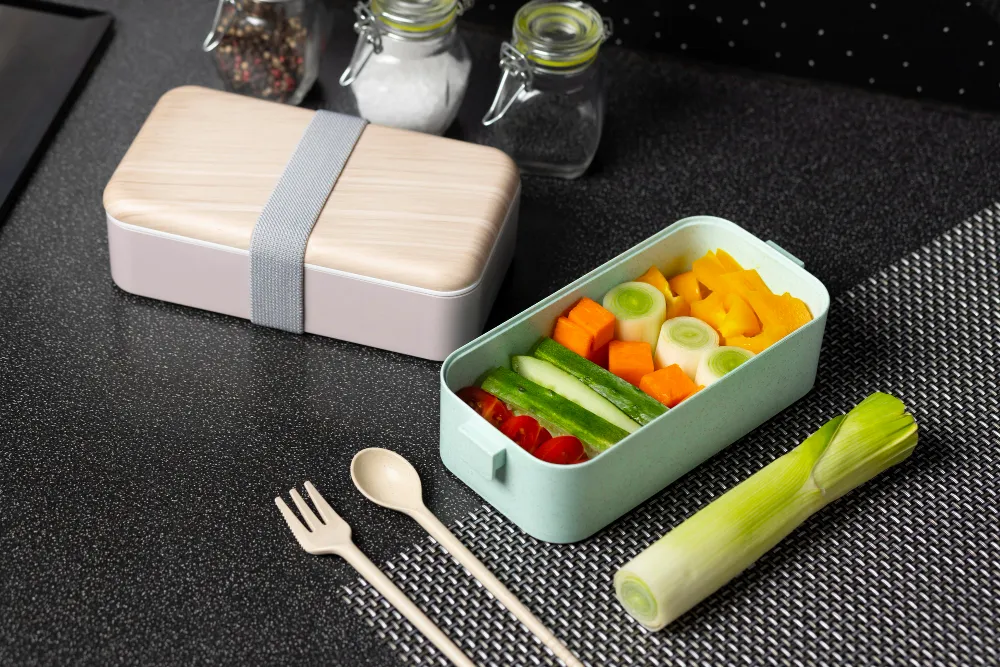
Popularised by Japanese lunch culture but now standard across Singapore offices. Bento-style boxes separate proteins, carbs, and vegetables within a single sealed unit. This is particularly useful if you are managing macros or simply do not want your sambal to touch your fruit.
Higher-end versions from brands like Lock&Lock, Bento&co, and Tupperware feature leak-resistant dividers. We’ve observed that the cheaper versions with flimsy dividers tend to fail within two to three months of daily use.
3. Insulated Lunch Bags with Inner Containers
These are not strictly a “box” but function as one system. An insulated outer bag holds one or two inner containers, maintaining temperature for two to four hours without refrigeration. For Singapore’s commuting conditions, especially those taking the MRT for 30 to 45 minutes, this format keeps food at a safe and pleasant temperature on arrival.
They also carry a practical secondary use: you can swap the inner containers out depending on meal type without replacing the whole system.
4. Thermal / Vacuum-Insulated Tiffin Carriers
The tiffin carrier is the workhorse of South and Southeast Asian packed meals. Stacked cylindrical tiers, typically stainless steel, held together by a locking clasp. Modern versions from brands like Cello, Vaya, and Zojirushi keep food hot for up to six hours, which is meaningful if your lunch break comes late in the afternoon.
This format shines for employers providing cooked meals to staff, as tiffins stack efficiently and maintain separate dishes without cross-contamination.
5. Glass Meal Prep Containers
Glass containers with snap-lock lids have become the go-to for health-conscious professionals who meal prep over the weekend. They are oven-safe, microwave-safe, and do not stain or retain smell regardless of what you pack. The trade-off is weight: glass containers add noticeable bulk to a work bag.
For office workers who drive or who have a dedicated locker, this is a non-issue. For those commuting by bus with a full laptop bag, it can become a real inconvenience by day three.
6. Collapsible Silicone Boxes
The newest category. Silicone containers collapse flat after use, saving storage space at home and in the office. They are lightweight, microwave-safe, and increasingly popular among executives who travel frequently but still want to pack snacks or lighter meals.
In our testing, the main limitation is structural: silicone boxes do not hold up well to liquid-heavy dishes. Soups and gravies are best left to tiffin carriers.
Choosing the Right Type for Your Workplace Context
| Context | Recommended Type |
|---|---|
| Long commute (MRT/bus) | Insulated bag + inner container |
| Meal prep, health-focused | Glass container |
| Hot food, no microwave at office | Thermal tiffin carrier |
| Mixed dishes, portion control | Bento/multi-compartment box |
| Frequent business travel | Collapsible silicone box |
| Simple single-dish meals | Single-tier stainless steel |
If you are still weighing up options, the best lunch box for office use breaks down specific product recommendations with an emphasis on practical day-to-day performance.
For Employers: Lunch Boxes as Corporate Gifts
This is an underused angle. A branded, quality lunch box is one of the few corporate gifts employees actually use daily. Unlike tote bags or notebooks that end up in a drawer, a well-made insulated lunch box travels to the office, to the canteen, and back home every working day.
From a wellness program standpoint, gifting staff a quality lunch box subtly reinforces healthy eating habits. It sends a message that the company cares about how employees eat, not just how they perform.
For procurement leads and HR teams exploring this further, Switts offers a curated range of eco-friendly lunch boxes designed for corporate customisation, covering several of the types discussed above.
A Note on Materials and Food Safety
Material choice is worth addressing directly because it is often glossed over in generic buying guides.
Plastic is the lightest and cheapest, but BPA-free labelling only tells part of the story. Repeated microwave use and exposure to acidic foods degrade most food-grade plastics over time.
Stainless steel (304 grade) is the safest all-purpose material. It does not leach, does not stain, and handles heat well. The one limitation is that it is not microwave-compatible.
Glass is chemically inert and the most food-safe option available, but breakage risk is real in a busy office environment.
Silicone is generally safe for food contact when it is food-grade certified, but quality varies significantly across price points. Buy from reputable brands.
Conclusion
The right lunch box is not a luxury purchase. For office workers packing meals five days a week, it is a functional tool that affects food quality, eating habits, and daily convenience. The type you choose should match your meal style, commute, and office setup, not just what looks good on a shelf.
If you are an employer thinking about lunch-related staff benefits or wellness gifts, a thoughtfully chosen lunch box lands better than most promotional items. It gets used, it gets seen, and it quietly communicates that the company pays attention to the details.
Frequently Asked Questions
What is the best type of lunch box for Singapore’s climate?
Insulated lunch bags with vacuum-sealed inner containers work best in Singapore’s heat and humidity. They maintain safe food temperatures during commutes of up to 45 minutes without refrigeration. Thermal tiffin carriers are the next best option for hot cooked meals that need to stay warm until a late lunch break.
Are stainless steel lunch boxes better than plastic ones?
For long-term use, yes. Stainless steel does not absorb odours, does not stain, and does not degrade when exposed to acidic foods or heat. While plastic options are lighter and often cheaper, food-grade stainless steel (304 grade) is the more durable and food-safe choice over months of daily use.
Can a lunch box be used as a corporate gift in Singapore?
Absolutely. Branded lunch boxes are among the more practical corporate gifts because employees use them daily. Insulated and eco-friendly options are particularly well-received. They align with workplace wellness initiatives and can be customised with a company logo for consistent brand visibility throughout the workday.
What type of lunch box keeps food hot the longest?
Vacuum-insulated thermal tiffin carriers keep food hot the longest, typically four to six hours depending on the brand and initial food temperature. Brands like Zojirushi and Vaya are known for strong thermal retention. These are ideal for employees with late lunch breaks or those who cannot access a microwave at work.
How do I choose between a bento box and a tiffin carrier?
Choose a bento box if you eat mixed meals where portions need to stay separate and you have microwave access. Choose a tiffin carrier if you eat hot cooked food, need meals to stay warm for several hours, or pack dishes with more liquid. Bento boxes suit lighter, drier meals; tiffin carriers suit full cooked lunches.