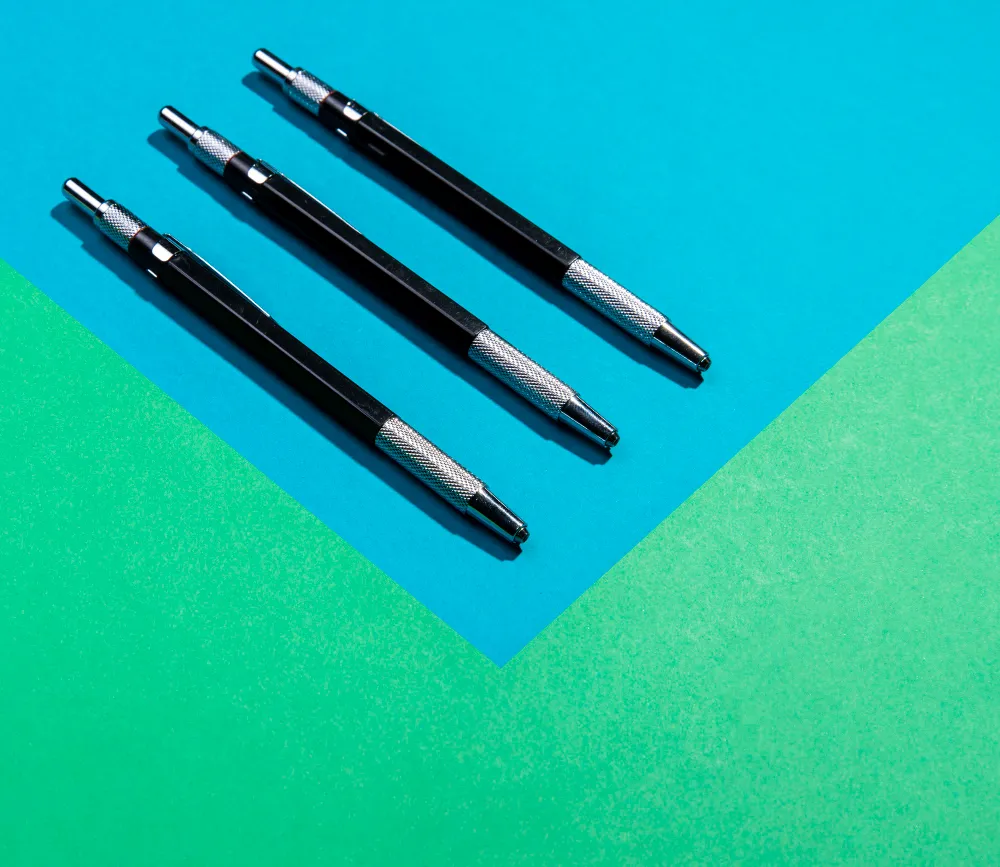
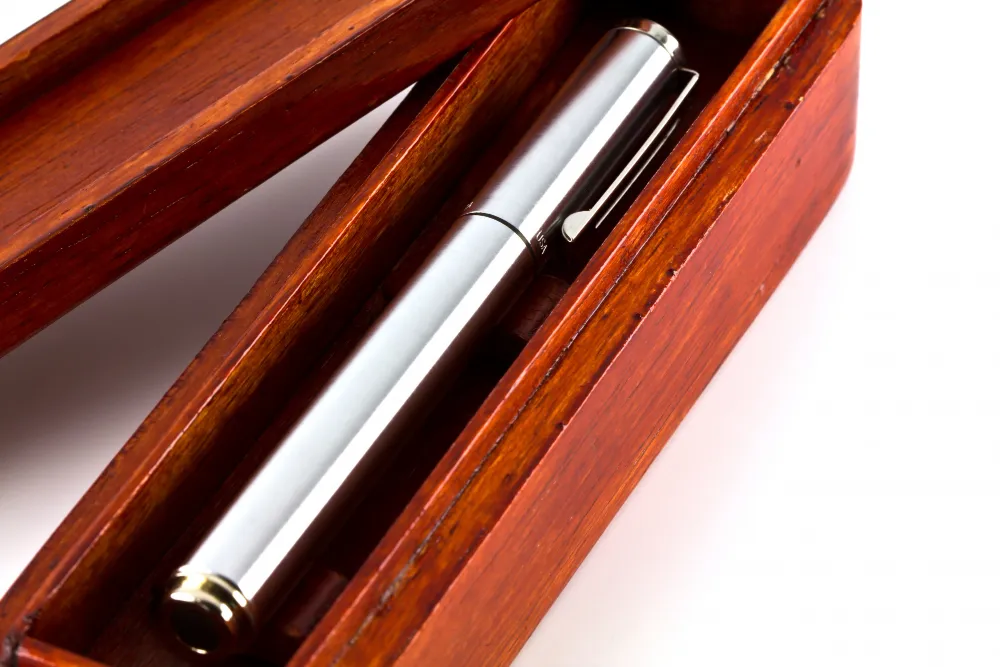
Eco friendly pens are corporate writing instruments manufactured from recycled, renewable, or biodegradable materials such as recycled PET, bamboo, wheat straw, or post-consumer paper. They replace conventional plastic ballpoints in promotional gifting, staff welcome kits, and client appreciation packages, and they have become a standard request in Singapore corporate procurement briefs since 2023.
If you are sourcing pens for a year-end staff gift, an event giveaway, or a client thank-you set, the choice now sits less between brands and more between materials. The rest of this guide walks through what actually matters when you are choosing, branding, and budgeting them.
Key Takeaways
- Eco friendly pens are writing instruments made from recycled plastic, bamboo, wheat straw, or biodegradable materials, designed to reduce landfill waste from disposable plastic pens.
- Bamboo and recycled PET pens are the two most popular formats for Singapore corporate gifting in 2026, with bamboo favoured for premium clients and recycled plastic for high-volume staff giveaways.
- Sustainable pens average 10 to 30 percent more per unit than conventional plastic pens, but recipient retention rates are noticeably higher.
- Look for documented certifications (FSC, GRS, or biodegradability test reports) rather than vague “green” labels.
- Laser engraving works better than pad printing on bamboo and metal eco pens because it lasts longer and uses no chemical inks.
What the Research Says About Sustainable Corporate Gifts
The shift is not anecdotal. A Custom Ink Sustainable Corporate Gifts Survey found that 69% of employees prefer sustainably made gifts and company swag, and among the 25 to 34 age group, that figure rises to 75%. You can read the full Custom Ink survey here.
For Singapore-based companies recruiting younger professionals, that data point matters. A pen handed out at onboarding sits on a desk for months. If it visibly signals that the company thought about waste, you get a low-cost reputational lift every time someone picks it up.
The Main Materials, Compared
In our sourcing work across Singapore corporate clients, four material families cover roughly 95 percent of eco pen orders.
Recycled Plastic (rPET). Made from post-consumer bottles. The lowest-cost eco option, usually only 5 to 15 percent above a standard plastic pen. The barrel feels almost identical to virgin plastic, which is the point. Best for large staff giveaways above 500 units.
Bamboo Pens. A natural bamboo barrel paired with a metal or recycled-plastic clip and tip. These photograph beautifully and feel premium in the hand. The trade-off is variation in grain, so two bamboo pens are rarely identical. Ideal for client gifts and executive welcome kits.
Wheat Straw and PLA Composites. Made from agricultural by-products mixed with bioplastic. Lighter than bamboo, cheaper than metal, and noticeably warmer to the touch than rPET. A good middle option for event swag where you want recipients to notice the material.
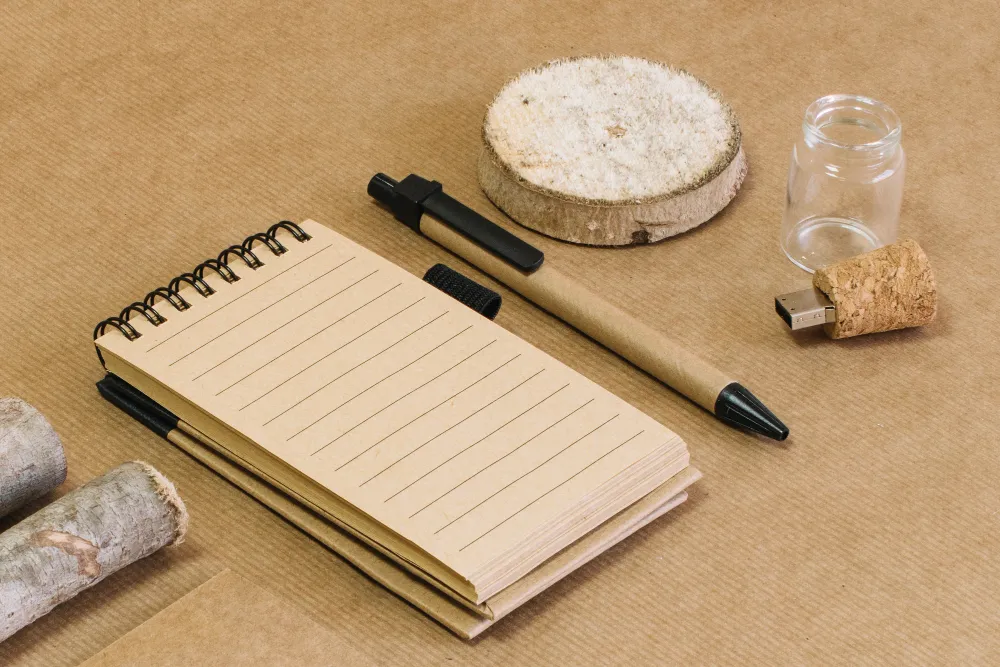
Recycled Paper Pens. Tightly rolled recycled paper around a refill. The most visually obvious “eco” choice. Best for one-off events or sustainability campaigns rather than long-term desk use.
For a broader view of formats and finishes beyond eco options, our ultimate guide to corporate pens covers the full landscape.
Branding: Why Engraving Beats Printing on Eco Pens
What most people miss is that the branding method changes the sustainability story. Pad printing uses solvent-based inks that fade and chip, which means recipients often see a half-worn logo within six months. Laser engraving removes a thin layer of the surface to expose contrast underneath, with no ink involved at all.
On bamboo, engraving produces a clean dark mark that ages well. On recycled metal pens, it gives a sharp permanent finish that suits executive gifting. We have written a detailed breakdown of how laser engraving works on metal pens if you want the technical specifics.
Matching the Pen to the Occasion
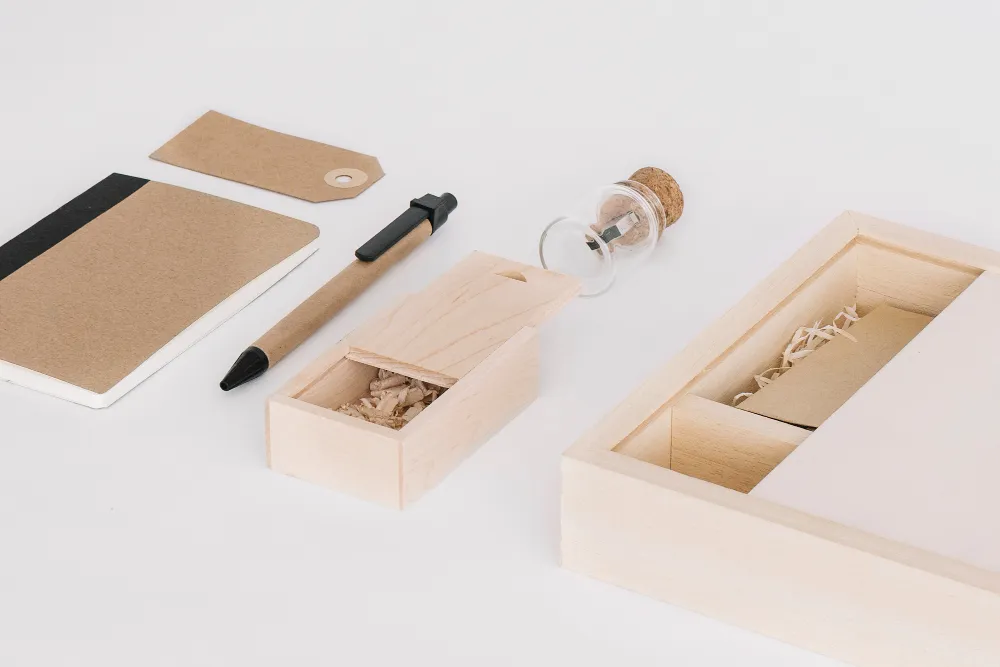
For high-volume event giveaways, rPET or wheat straw at 300 to 800 units gets the cost per impression low without compromising the eco message. For client gifts, bamboo paired with a recycled kraft box is the sweet spot. For senior leadership, board members, or VIP clients, consider stepping up to engraved metal or pairing the pen with a notebook in an executive gift pen set.
You can browse current options across all four material categories in the eco-friendly pens collection.
Conclusion
Picking an eco pen is less about chasing the greenest possible material and more about matching the right material to the right recipient. Start with the use case, confirm the certification, and commit to engraving over printing if your budget allows. Done well, a sustainable pen quietly does the work of a much more expensive corporate gift.
Frequently Asked Questions
Are eco friendly pens more expensive than regular pens?
Yes, but not by as much as most buyers expect. Recycled plastic pens add roughly 5 to 15 percent to the unit cost of a standard pen. Bamboo and metal eco pens sit at 20 to 40 percent more. For most Singapore corporate budgets, the difference is marginal at order quantities above 200 units.
Which is better for corporate gifting, bamboo or recycled plastic pens?
Bamboo suits client gifts and executive welcome kits because it photographs well and feels premium. Recycled plastic suits high-volume staff giveaways and events because it costs less and behaves identically to a standard pen in everyday use. Many companies order both for different occasions.
Can eco friendly pens be refilled?
Most quality eco pens, especially bamboo and metal variants, accept standard Parker-style or D1 refills. This extends usable life from months to years and reinforces the sustainability message. Confirm refill compatibility with your supplier before bulk ordering, as cheaper eco pens sometimes use proprietary refills.
What certifications should I look for on sustainable pens?
Request FSC certification for bamboo and paper pens, GRS (Global Recycled Standard) for recycled plastic content, and third-party biodegradability test reports for PLA or wheat straw composites. Avoid suppliers who only offer general “eco-friendly” labels without supporting documentation.
How long does logo engraving last on bamboo pens?
Laser-engraved logos on bamboo last the functional lifetime of the pen, typically three to five years of daily use. The mark does not fade, chip, or peel because it is burned into the wood surface rather than printed on top. This makes engraving the preferred branding method for premium corporate gifts.