A guide to eco-friendly gifts in Singapore is essentially a practical roadmap for choosing presents made from sustainable, recycled, or biodegradable materials that reduce waste while still feeling thoughtful and premium. Whether you are sourcing corporate door gifts for a townhall or picking a birthday present for a colleague, eco-friendly options now span every price bracket and occasion.
What has changed in 2026 is expectation. Recipients notice when a gift is wrapped in plastic or made from virgin plastic, and they notice even more when it is not. Singapore’s push toward a circular economy has made green gifting less of a novelty and more of a quiet standard, especially within corporate environments where sustainability features on annual reports.
Key Takeaways
- Eco-friendly gifts combine sustainability with practicality, using materials like bamboo, recycled fabrics, organic cotton, and biodegradable components that reduce environmental impact without compromising quality.
- Singapore’s corporate gifting scene has shifted decisively toward green options, driven by ESG reporting requirements and employee expectations around corporate responsibility.
- The best sustainable gifts tell a story through certifications (FSC, GOTS, GRS), local sourcing, or circular design principles that recipients genuinely appreciate.
- Bulk corporate orders of eco-friendly products now match conventional gifts on pricing when planned properly, especially for staples like bamboo drinkware, recycled tote bags, and plantable stationery.
- Trust matters more than buzzwords. Verify sustainability claims through actual certifications rather than vague “green” labels to avoid greenwashing pitfalls.
The Business Case for Going Green: What the Data Shows
According to NielsenIQ’s global sustainability research, products marketed as sustainable have grown roughly twice as fast as conventionally marketed products over recent years, with sustainability-focused SKUs accounting for a significant share of total category growth. You can review the full findings at NielsenIQ’s sustainability insights.
For Singapore businesses, this translates directly into gifting strategy. When your corporate gift aligns with your ESG narrative, it reinforces brand positioning at every handshake. When it contradicts that narrative, recipients notice.
In our experience working with Singapore-based clients, the shift accelerated around 2023 and has only deepened. Employees under 35 increasingly view green gifting as baseline behavior rather than a differentiator, which raises the bar for what counts as thoughtful.
What Actually Makes a Gift “Eco-Friendly”
The term gets stretched thin, so here is a working definition. A genuinely sustainable gift meets at least two of these criteria: it uses recycled or renewable materials, it has a measurably lower carbon footprint than conventional alternatives, it is durable enough to replace multiple single-use items, or it is fully biodegradable or compostable at end of life.
Recycled Materials
Recycled materials include rPET (recycled polyethylene terephthalate, typically from plastic bottles), recycled aluminum, reclaimed leather, and upcycled textiles. A tote bag made from 100% recycled PET bottles diverts roughly 6 to 8 plastic bottles from landfill per unit, depending on bag weight.
Renewable and Natural Materials
Bamboo deserves its reputation here. It matures in three to five years versus decades for hardwood, requires no pesticides, and regenerates from its own root system. Cork, organic cotton, hemp, and FSC-certified wood fall into the same category of rapidly renewable or responsibly harvested inputs.
Biodegradable and Plantable
Plantable seed paper, stationery embedded with wildflower or herb seeds, and bagasse (sugarcane fiber) tableware all break down safely. These work beautifully for event giveaways where recipients might not retain the item long-term anyway.
Top Eco-Friendly Gift Categories for Singapore’s Corporate Scene
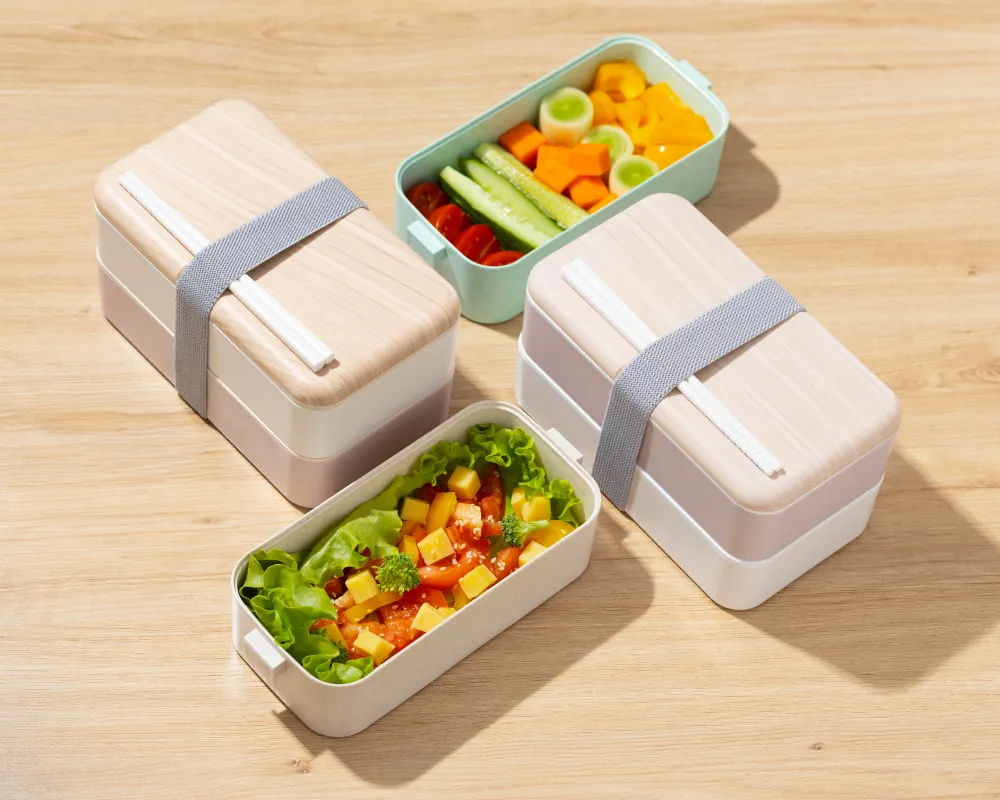
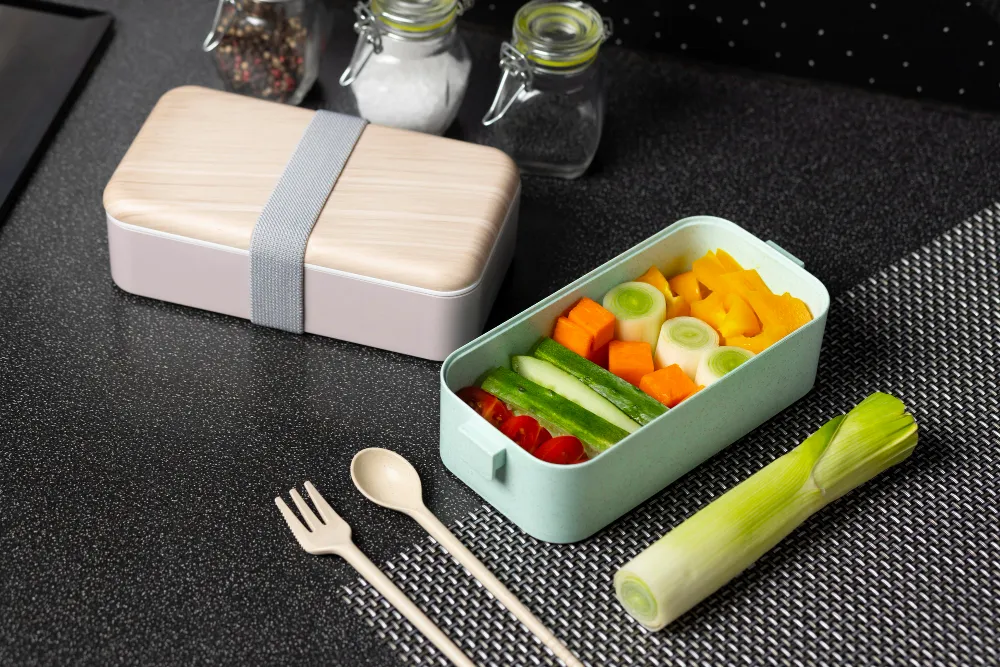
Bamboo Drinkware and Utensils Reusable bamboo coffee cups, cutlery sets, and lunchboxes remain the workhorses of green gifting. They are priced competitively, print well with logos, and replace single-use plastics in a visible daily ritual.
Recycled Tote Bags and Backpacks rPET and organic cotton bags have quietly become the default conference giveaway. The better versions feel substantial rather than flimsy, which matters for brand perception.
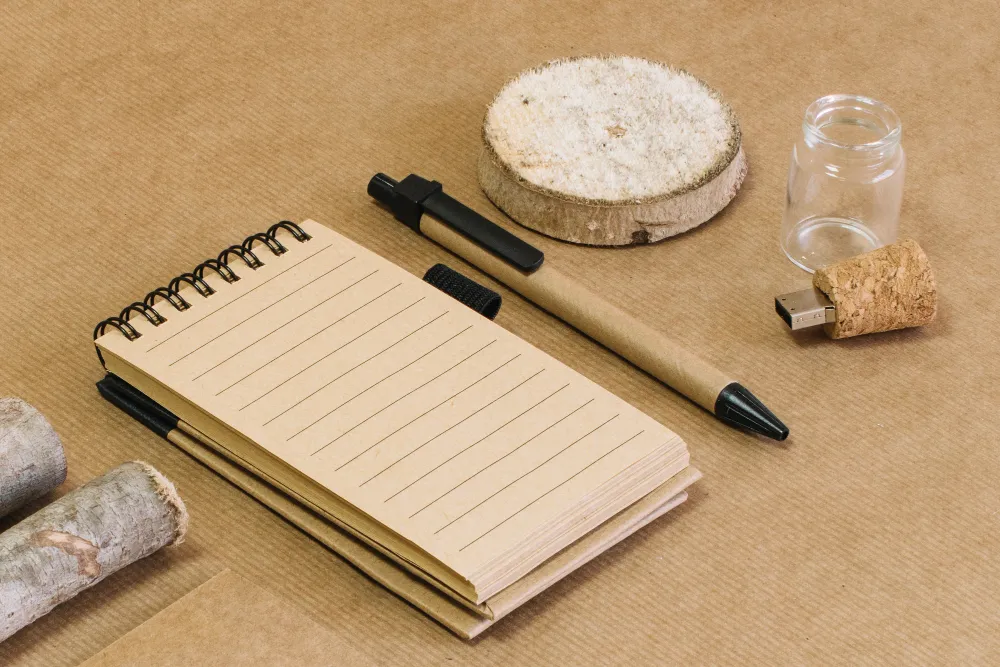
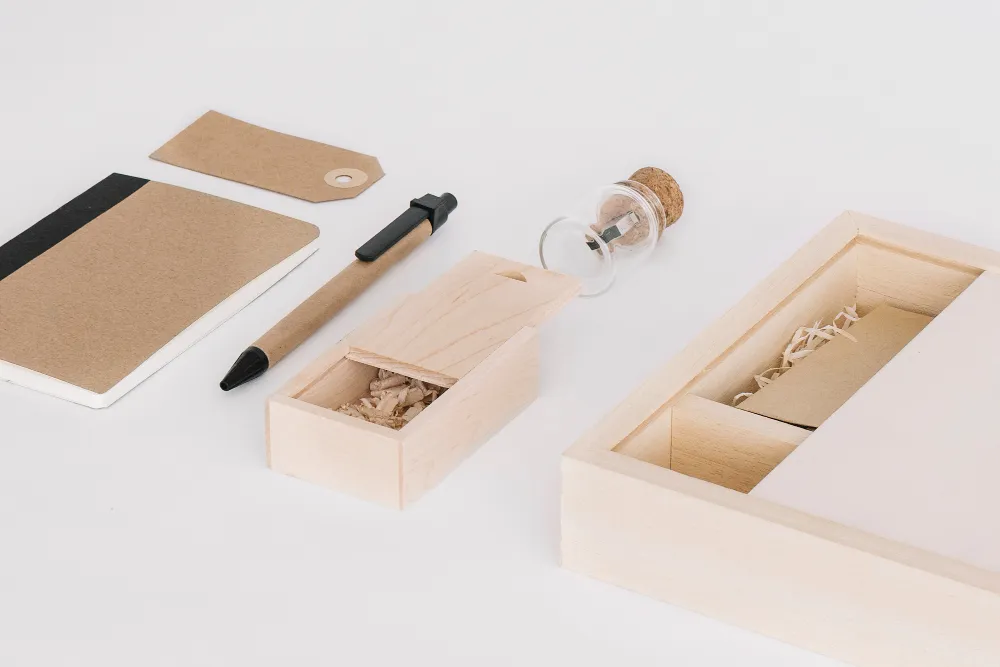
Plantable Stationery and Notebooks Notebooks made from recycled paper, pens with bamboo barrels, and seed paper business cards work especially well for sustainability-focused events and launches.
Reusable Drinkware and Bottles Stainless steel bottles, glass flasks with silicone sleeves, and insulated travel mugs replace countless disposable cups. Look for double-walled vacuum insulation rather than thin single-wall builds.
Organic Skincare and Wellness Sets Gift sets featuring organic soaps, natural lip balms, and plant-based skincare land well for year-end appreciation gifts. For curated options across these categories, browse the full eco-friendly gifts collection.
The Greenwashing Trap: What Most Buyers Miss
Here is what most procurement teams overlook. A product labeled “eco-friendly” with no certification behind it is marketing, not substance. The reliable signals are third-party certifications: FSC for wood and paper, GOTS for organic textiles, GRS for recycled content, and OEKO-TEX for textile safety.
When a supplier cannot produce a certificate on request, treat the sustainability claim as unverified. This matters more for corporate gifting than retail because ESG auditors increasingly ask for documentation on procurement choices.
A second common mistake is over-indexing on packaging. A beautifully sustainable product wrapped in laminated plastic with a satin ribbon defeats its own purpose. Full lifecycle thinking means the outer packaging should match the product’s values.
Bulk Ordering Strategy for Singapore Businesses
Corporate orders unlock different economics. Minimum order quantities for customized eco-friendly products typically start at 50 to 100 units, with meaningful price breaks at 200, 500, and 1,000+. Lead times run longer than conventional gifts because many sustainable materials involve smaller production runs.
Plan backwards from your event date by at least 6 to 8 weeks for custom branded items. For end-of-year gifting in December, August is not too early to finalize selections. A detailed breakdown of volume pricing and customization options is available in this resource on bulk ordering eco-friendly gifts.
Matching Gifts to Recipients
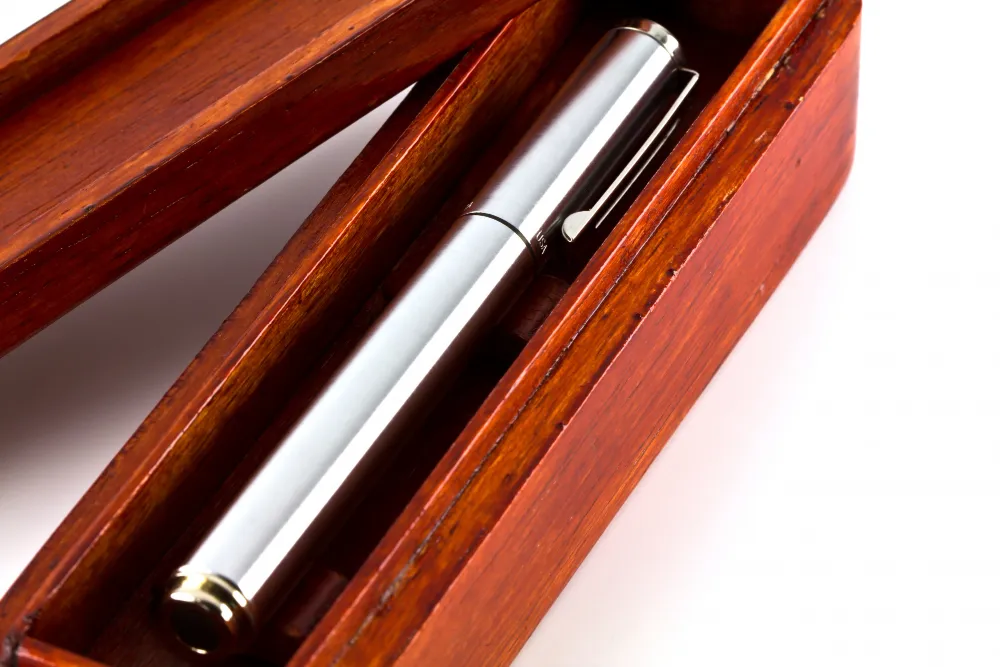
For clients and partners: Premium bamboo desk accessories, organic tea sets, or FSC-certified leather alternatives carry the right weight without feeling extravagant.
For employees: Practical daily-use items win. Insulated bottles, quality tote bags, or curated wellness kits get used, which reinforces your brand far longer than ornamental gifts.
For executives and VIPs: Consider small-batch artisan products, reclaimed wood pieces, or experiential gifts like tree-planting certificates in the recipient’s name.
For tailored recommendations by occasion and recipient type, this overview of the best eco-friendly corporate gifts covers the spectrum from entry-level to premium tiers. For lifestyle-oriented selections beyond corporate use, the curated list of best eco-friendly lifestyle gifts is worth reviewing.
Conclusion
Sustainable gifting in Singapore has matured past the novelty phase. The question is no longer whether to offer green options but how to do it credibly, at scale, and in ways that reflect genuine values rather than surface-level virtue signaling.
Start with one category where your current gifting feels wasteful, replace it with a verified sustainable alternative, and measure recipient response. Most teams find the feedback markedly better than they expected, which makes the next decision easier.
Frequently Asked Questions
What qualifies a product as genuinely eco-friendly?
A product qualifies when it meets at least two criteria: made from recycled or renewable materials, has lower carbon impact than conventional alternatives, is durable enough to replace single-use items, or is fully biodegradable. Look for third-party certifications like FSC, GOTS, or GRS rather than vague marketing claims.
Are eco-friendly corporate gifts more expensive than conventional ones?
Not necessarily. For bulk orders above 100 units, sustainable staples like bamboo drinkware, recycled tote bags, and organic cotton products price similarly to conventional equivalents. Premium sustainable items cost more, but entry and mid-tier options are now cost-competitive across most categories.
How do I avoid greenwashing when sourcing eco-friendly gifts?
Request documentation. Ask suppliers for specific certifications, material composition percentages, and end-of-life disposal information. If a vendor cannot provide verifiable details behind their green claims, treat those claims as marketing rather than fact. Reputable suppliers share this information readily.
What are the most popular eco-friendly corporate gifts in Singapore?
Bamboo drinkware, rPET tote bags, reusable stainless steel bottles, plantable seed paper stationery, and organic wellness kits dominate the category. These balance practical daily use, competitive pricing at scale, and clear sustainability credentials that align with most ESG frameworks.
How far in advance should I order customized eco-friendly gifts?
Plan 6 to 8 weeks ahead for customized sustainable products with logo branding. Lead times run longer than conventional gifts because sustainable materials often involve smaller production batches and additional quality checks. For peak periods like December, confirm orders by August or September.