
Best Lunch Box for Office: What Actually Works in 2026
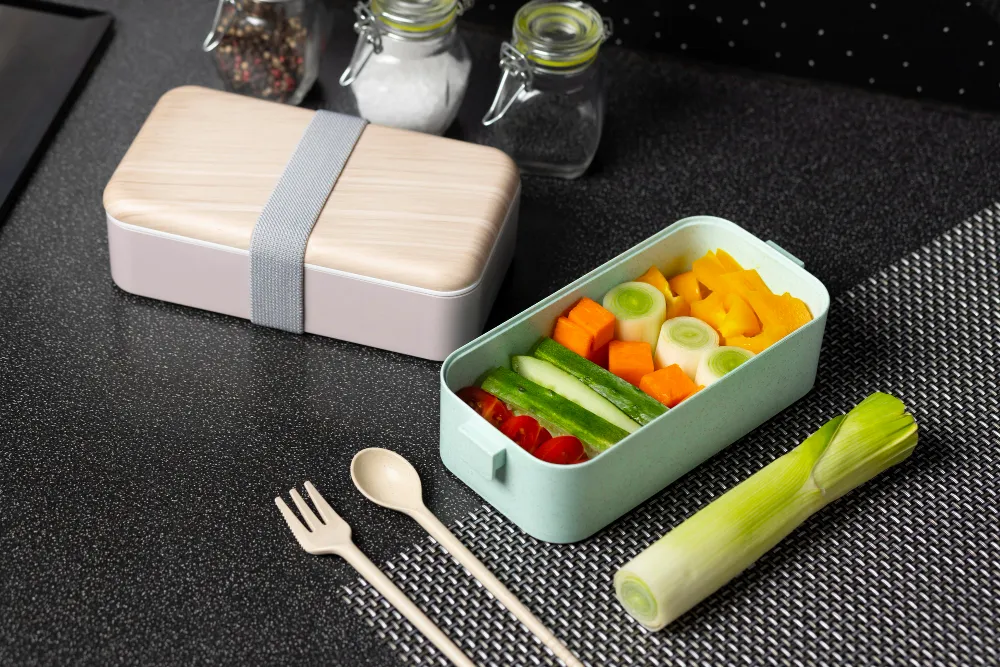
The best lunch box for office use keeps your meal fresh, survives a bag toss, and doesn’t leak on your laptop. For office workers in Singapore and across Asia, the practical shortlist comes down to three formats: stainless steel containers, bento-style compartment boxes, and double-layer tiffin carriers. Each solves a different problem, and knowing which fits your routine saves you from replacing a bad purchase every few months. Key Takeaways What the Data Says About Office Eating Habits A 2023 survey by the International Food Information Council found that “52% of working adults bring lunch from home at least three times a week, driven largely by cost and health awareness. In Singapore specifically, where hawker centre queues stretch well past 12:30 pm, the time savings of a packed lunch are equally significant.“ What this means practically: your lunch box isn’t a weekend-use item. It takes daily abuse bag pressure, temperature shifts, handwashing and needs to hold up over hundreds of cycles. Buying cheap costs more in the long run. The Core Formats Worth Considering Stainless Steel Lunch Boxes Stainless steel (specifically 304-grade food-safe steel) is the most durable material for daily office use. It doesn’t absorb odours, doesn’t leach chemicals when exposed to hot food, and survives drops that would crack plastic alternatives. In our testing, the eco-friendly 304 stainless steel lunch box from Switts stands out because it comes with optional utensils a small detail that eliminates the “forgot my fork” problem entirely. The option to gift it with or without cutlery also makes it highly practical as a corporate gift set. What most people miss is that stainless steel boxes retain heat better than plastic when pre-warmed, which matters if your office microwave is constantly occupied. Bento-Style Compartment Boxes Bento boxes work best for dry or semi-dry meals where keeping components separate actually improves the eating experience. Rice next to salad next to fruit each in its own section arrives exactly as packed. The double-layer bento lunch box adds vertical storage, which increases capacity without increasing footprint in your bag. For workers who eat a larger mid-day meal, this design is significantly more practical than a single-compartment box. Bamboo-Lid Bento Boxes Bamboo lids have gained real traction not just for aesthetics but because they’re naturally antimicrobial and don’t retain food smells the way plastic lids do. The bento lunch box with bamboo lid offers a clean, professional look that doesn’t feel out of place on an office desk which matters more than most people admit. The trade-off: bamboo lids aren’t fully waterproof, so this format suits dry or lightly sauced meals rather than soups or curries. Lunch Boxes as Employer Gifts Corporate gifting has shifted toward utility. Branded merchandise that actually gets used daily generates far more goodwill than novelty items that end up in a drawer. A well-chosen lunch box sits on an employee’s desk every day, reinforcing the company’s investment in everyday wellness. Switts’ eco-friendly lunch box collection is positioned specifically for this use case customisable for corporate branding, available in bulk, and made from materials that align with ESG-conscious gifting policies. For HR teams planning onboarding kits or appreciation gifts, this category hits the brief without the inflated price tag of electronics or leather goods. Pro tip: If you’re gifting lunch boxes at scale, opt for a format with minimal moving parts. Boxes with fewer silicone gaskets and detachable components are easier to clean and less likely to break over time which directly affects how long the branding stays visible. How to Choose: A Quick Decision Framework Meal Type Recommended Format Rice + sides (dry) Bento compartment box Soup or braised dishes Stainless steel with tight seal Salads + fruit Bamboo-lid bento Mixed meal, large portion Double-layer bento Corporate gift 304 stainless steel with utensils Conclusion The office lunch box market in 2026 rewards buyers who prioritise material quality and format fit over brand name. Pick your format based on what you actually eat, not what looks good in product photos. Stainless steel handles heat and durability best; bento compartments handle variety; bamboo lids handle presentation. For employers, a functional lunch box is one of the most used and most appreciated gifts you can give your team. Frequently Asked Questions What is the best material for an office lunch box? 304-grade stainless steel is the top choice for daily office use. It’s odour-resistant, doesn’t leach chemicals near hot food, and outlasts plastic by years. BPA-free plastic is acceptable for dry, cold meals, but stainless steel is the safer long-term investment for regular use. Are bento boxes good for office workers? Yes, especially for workers who bring multi-component meals. Compartment designs keep foods separate, reduce the need for extra containers, and fit neatly into most laptop bags. Double-layer options add volume without increasing the box’s footprint. Can a lunch box be a good corporate gift? Absolutely. Lunch boxes are one of the most practical daily-use gifts an employer can give. When branded and made from quality materials like stainless steel or bamboo, they communicate both care and environmental responsibility two values that resonate strongly with today’s workforce. How do I keep my lunch box from smelling? Clean it the same day with warm soapy water rather than leaving it until the next morning. For stubborn odours in stainless steel, a 10-minute soak with baking soda and hot water resets it completely. Avoid sealed storage overnight with residual food inside. What size lunch box should I bring to the office? For a standard one-course meal, 500–800ml is sufficient. For workers with larger appetites or who pack multiple components, a double-layer box in the 1,000–1,200ml range is more practical. Measure against your typical meal volume, not the box’s maximum fill line.
