
Why Plastic Pens Remain the #1 Corporate Gift in Singapore
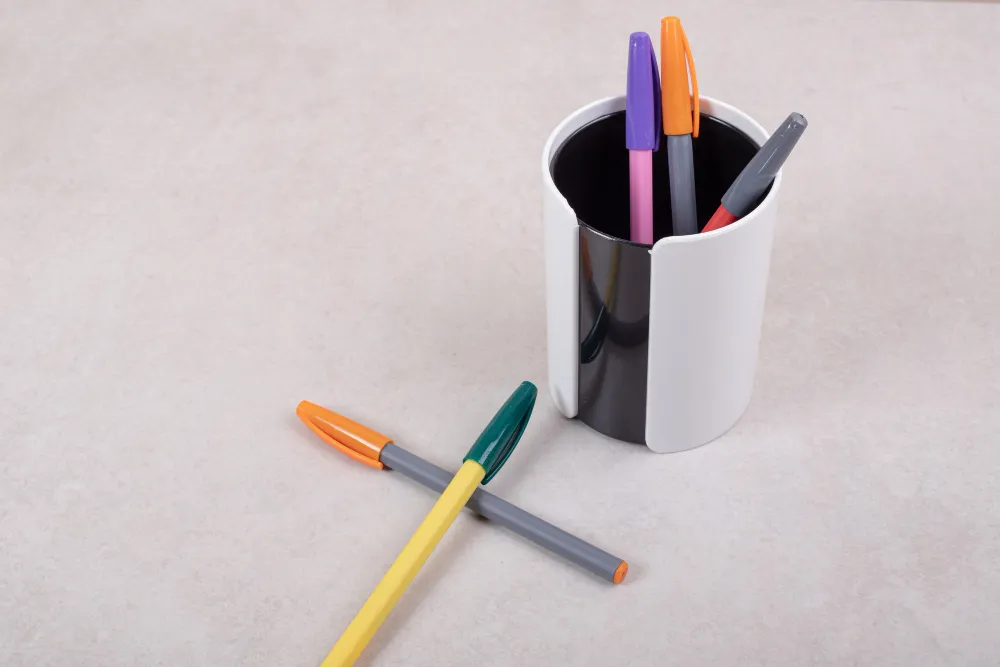
Plastic pens are the most widely used corporate gift across industries because they combine low unit cost, high daily utility, and reliable logo branding in a single item. When a company needs to gift 500 or 5,000 items with a consistent brand presence, no product is faster to procure or easier to customise. Despite the growth of digital gifting and premium merchandise categories, the plastic pen holds its ground as the default choice for budget-conscious, high-volume gifting campaigns in Singapore and across Asia. Key Takeaways What the Market Data Tells Us About Pens as Corporate Gifts The numbers support the staying power of the pen. The global pen market reached USD 22.7 billion in 2025 and is projected to grow to USD 36.9 billion by 2035, registering a CAGR of 4.98%. Within that market, around 25% of corporate promotional campaigns distribute branded pens as marketing tools, and nearly 18% of event organisers include customised pens in conference kits. This is not a category in decline. Customised pens serve as powerful branding and promotional tools for businesses, effectively turning a practical item into a subtle marketing asset, and that function has not been replaced by anything cheaper or more accessible. For procurement managers in Singapore working with a fixed gifting budget across hundreds of recipients, those figures matter. (Source: Global Growth Insights, Pen Market Report 2025 — https://www.globalgrowthinsights.com/market-reports/pen-market-123443) The Real Reason Plastic Pens Win the Budget Gifting Argument The honest answer most procurement guides skip over: plastic pens survive budget reviews because they are impossible to argue against. At scale, a printed plastic ballpoint pen costs less per unit than a printed paper bag. No other branded item you can put in someone’s hand clears that bar. What most people miss is that the cost conversation is not just about the unit price. It is about the cost per brand impression. A pen that sits on someone’s desk for three months generates logo exposure every single day. A flyer does not. A tote bag might. A pen almost always does. Here is how the budget comparison looks at common order quantities in Singapore: Gift Item MOQ Avg. Unit Cost (SGD) Branding Method Plastic ballpoint pen 100 $0.40–$1.20 Screen print / pad print Printed tote bag 50 $3.50–$6.00 Screen print Ceramic mug 50 $4.00–$7.50 Sublimation Power bank 20 $18–$35 Laser engrave Branded notebook 50 $4.50–$8.00 Deboss / print For events where 300 to 1,000 guests need a physical takeaway, the plastic pen is the only item in that table that remains practical at every tier of that headcount. Logo Branding on Plastic: Why It Works Better Than Most People Expect The assumption that plastic pens produce low-quality branding is outdated. Modern pad printing and UV screen printing on plastic barrels deliver sharp, full-colour logos with excellent durability for the functional lifespan of the pen. The barrel of a plastic pen is essentially a flat cylindrical canvas. That geometry is exactly what pad printing was designed for. Logos with fine detail, multiple colours, or brand colour-matched backgrounds all reproduce accurately on quality plastic stock. For businesses that need strict brand consistency across a large gifting run, this predictability is valuable. You can explore the range of branding options available across different pen styles in the corporate pens collection at Switts, which covers everything from basic ballpoints to twist-action and soft-touch finish barrels. Three things that affect branding quality on plastic pens: Mass Gifting Without the Logistics Headache Beyond the unit price, the logistical ease of plastic pens is underrated. They are lightweight, non-fragile, and uniform in shape, which means they pack flat, ship without damage risk, and require no special packaging compliance. For a regional HR team running an employee welcome kit across three offices, this matters. Compare that to items like ceramic mugs or glass awards, where breakage rates, packaging cost, and freight weight all add meaningful overhead to the per-unit cost. In our experience working with high-volume gifting orders in Singapore, breakage and reorder buffers on fragile items typically add 8–15% to the effective unit cost. Plastic pens also carry a low regulatory and customs burden for companies gifting across ASEAN borders, a common scenario for Singapore-headquartered businesses with regional teams. If you are deciding between pen types for a bulk order, the guide to ballpoint pen types at Switts breaks down the functional differences between barrel styles, tip sizes, and ink formulations so you can match the pen to your audience and use case. When Plastic Pens Are the Right Choice (and When They Are Not) Plastic pens are the right default for: They are not the right choice when the gifting context signals recognition or appreciation. A long-service award, a VIP client gift, or a leadership team milestone calls for something with more perceived value. For those scenarios, metal pens, leather accessories, or premium gift sets are more appropriate. The complete guide to corporate pens at Switts covers the full spectrum from economy to premium options, which helps when you need to tier gifting across different recipient groups within the same campaign. Making the Most of a Plastic Pen Order A few practical considerations that improve the outcome without increasing cost significantly: Specify ink colour. Black and blue are standard, but matching ink to brand colour (where possible) is a detail recipients notice. Request a print proof before production. For any order above 200 units, a digital mockup or physical sample saves cost and time if the logo placement needs adjustment. Order a small buffer. For events, ordering 5–10% above confirmed headcount avoids shortfalls and gives you stock for follow-up meetings. Consider packaging. Even a simple individual sleeve or a branded box of 10 elevates the perception of a plastic pen from commodity to considered gift. Conclusion Plastic pens remain the top corporate gift because they solve a real procurement problem: how to deliver a branded, functional item to a large number of people without exceeding budget or creating fulfilment complexity. The market data backs it, the logistics
