
Reusable Bottles, Straws & Cutlery Sets: Why They Matter More Than You Think
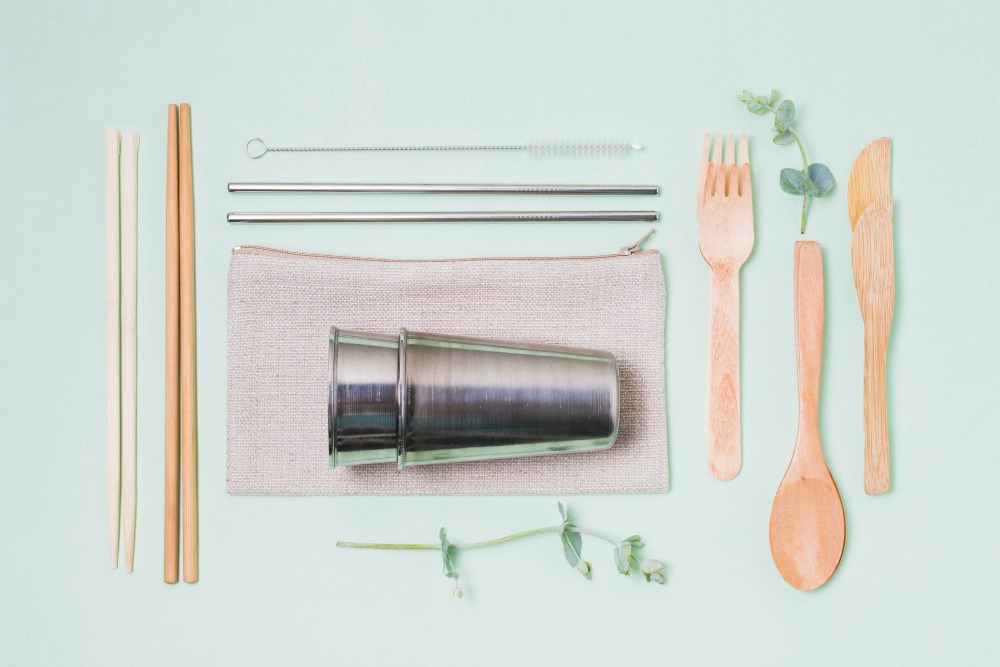
Reusable bottles, straws, and cutlery sets are practical tools that reduce single-use plastic waste in daily life and corporate environments. For Singapore’s workforce, adopting these items is one of the fastest, most visible ways to align personal habits with sustainability goals. Key Takeaways The Scale of the Problem Nobody Talks About Singapore generates approximately 1,400 tonnes of domestic waste daily, and disposable food packaging remains a persistent contributor. A 2022 report by the Singapore Environment Council found that the country discards millions of plastic bottles, cups, and single-use cutlery sets every year, many of which are not recovered through the national recycling stream. The Zero Waste Masterplan, “updated by the Ministry of Sustainability and the Environment, specifically calls out single-use plastics as a priority waste stream.“ What this means practically: every disposable fork or plastic straw that enters your office pantry is part of a system-wide problem. Swapping it out is a small act with compounding returns when multiplied across a team of 50, 100, or 500 people. What Makes a Reusable Set Actually Worth Using Not all reusable products are equal, and in our experience testing various options for corporate gifting contexts, the ones that stick are the ones people actually want to carry around. Material Matters Stainless steel is the gold standard for both bottles and cutlery. It is durable, does not leach chemicals, and handles both hot and cold contents without warping. For straws, stainless steel and borosilicate glass both outperform plastic in longevity and hygiene. BPA-free Tritan plastic is a good middle ground for bottles when weight is a concern, particularly for employees who commute on foot or by MRT. Avoid single-wall plastic bottles for hot drinks and any cutlery set marketed as “eco” but made from low-grade polypropylene. Those tend to crack within months and end up in landfill anyway. Portability and Packaging A cutlery set that comes with a compact pouch or roll-up case gets used. One that requires its own drawer space does not. The same logic applies to straws: collapsible or case-included designs see far higher day-to-day adoption than loose alternatives. Why Businesses Should Care Beyond the Green Label There is a practical business case here that goes beyond sustainability optics. Employees who feel their company takes environmental issues seriously report higher engagement scores, according to Deloitte’s 2023 Global Millennial and Gen Z Survey. In Singapore’s tight talent market, that matters. For corporate gifting specifically, a well-curated eco-friendly lifestyle gift signals intentionality. It tells recipients that the organisation thought about long-term value rather than a branded pen that ends up in a drawer. CEOs and business owners looking to build ESG credibility will also find that sustainable gifting is one of the few initiatives that is both visible and low-cost relative to structural changes like supply chain audits or carbon offsets. Building a Zero-Waste Office Habit Switching one person to a reusable set is easy. Getting an entire team to make it their default takes a bit more structure. A few things that actually work: Explore a full range of sustainable lifestyle products designed for exactly this kind of workplace transition. Choosing the Right Set for Your Team For procurement managers and business owners, the selection process comes down to three variables: durability, aesthetics, and ease of cleaning. Feature Priority Level What to Look For Material High Stainless steel, borosilicate glass, Tritan Cleaning High Dishwasher-safe or wide-mouth design Portability Medium Pouch, case, or clip included Customisation Medium Laser engraving or print options Price per unit Contextual Balance with expected lifespan Browse curated options across the cutlery set and straw category to find sets that fit bulk corporate orders without sacrificing quality. The Consistency Factor Here is where most guides stop short. Buying a reusable set does not automatically make someone a zero-waste convert. The data on actual behaviour change shows that habit formation requires at least 21 to 66 days of consistent repetition, depending on the individual and the complexity of the behaviour. For organisations, this means the onboarding moment matters. If a new employee receives a quality reusable set on their first day as part of a welcome kit, they are far more likely to integrate it into their daily routine than if the same item is handed out at a quarterly event with no context. That positioning, practical and personal, is what separates a token gesture from a genuine sustainability initiative. Check out the broader lifestyle product range for complementary items that round out an eco-conscious welcome pack. Make It a Decision, Not an Afterthought Reusable bottles, straws, and cutlery sets work when they are treated as tools rather than symbols. The environmental case is solid. The business case is sound. The habit-formation research supports the approach. Whether you are outfitting a team of ten or gifting across a regional organisation, start with quality materials, make it personal, and build the context around the item. That combination is what turns a product into a practice. FAQ What is the most durable material for a reusable water bottle? Stainless steel is widely considered the most durable option. It resists dents, does not retain odours, and handles both hot and cold liquids safely. Double-wall insulated stainless steel bottles maintain temperature for up to 24 hours for cold and 12 hours for hot beverages, making them practical for long workdays. Are reusable straws hygienic for daily office use? Yes, provided they are cleaned properly after each use. Stainless steel and glass straws can be cleaned with the included brush and are dishwasher-safe in most cases. Silicone straws are flexible and gentle on teeth but require slightly more attention to interior cleaning to prevent mould buildup. How many uses does it take for a reusable bottle to offset its production footprint? Research varies by material, but most lifecycle assessments estimate that a stainless steel bottle offsets its carbon footprint relative to single-use plastic bottles within 50 to 100 uses. Given that a quality bottle lasts several years, the environmental return is significant over
