
Quick Guide: Cleaning Leather Bags, Wallets & Accessories
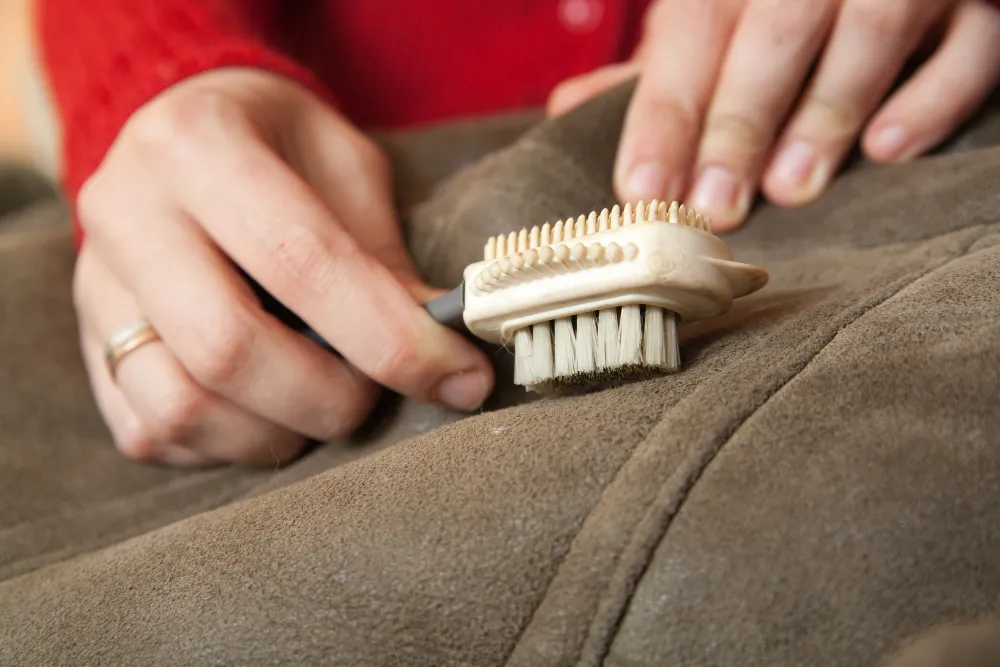
Cleaning leather is straightforward: remove surface dirt with a dry or damp microfibre cloth, apply a pH-balanced leather cleaner, then follow up with a conditioner to restore moisture. Done right, this routine takes under 10 minutes and keeps your corporate bag or wallet looking sharp for years. For busy professionals, a leather bag or wallet is more than an accessory. It is a signal of credibility in every client meeting and boardroom conversation. Yet most people only think about leather care after they notice cracking, staining, or fading. That is one maintenance cycle too late. Key Takeaways Why the Leather Care Market Is Growing (And What It Tells You About Your Bag) The global leather care products market is projected to grow from USD 3.9 billion in 2024 to USD 5.9 billion by 2034, at a CAGR of 4.3%. That growth is not coincidence. As more professionals invest in premium leather goods, the demand for proper maintenance has grown alongside it. People are learning that a quality leather piece, properly maintained, outlasts fast-fashion alternatives by a decade or more. A 2024 life cycle assessment study cited by the EPA found that “using proper leather care products can extend the lifespan of leather goods by up to 40%. That is a meaningful figure if you have spent SGD 200 to 600 on a corporate bag or wallet.” Source: market.us Leather Care Products Market Report In our experience working with corporate gifting clients at Switts, the leather pieces that age gracefully are almost always the ones that received consistent, simple care from the start. The ones that crack or discolour prematurely? Almost always neglected for six months or more. The Right Cleaning Sequence for Leather Bags and Wallets What most people miss is that cleaning order matters as much as the products you choose. Applying conditioner onto dirty leather seals the grime in and can cause premature darkening or uneven texture. Step 1: Dry-wipe the surface Use a clean, lint-free microfibre cloth to remove loose dust and surface debris. Work in gentle circular motions. For textured or pebbled leather, a soft-bristle brush works better to lift dirt from the grain. Step 2: Apply a leather cleaner Use a pH-balanced leather cleaner on a damp cloth, not directly on the leather. Wipe gently in the direction of the grain. You should see the cloth pick up discolouration; that is the oxidised surface oils and environmental grime coming off. If the cloth stays clean, the leather is in good shape. Step 3: Condition Once the leather is dry (give it 10 to 15 minutes), apply a small amount of leather conditioner with a fresh cloth. Buff in circular motions and allow it to absorb fully before using the bag. This step replenishes the natural oils that keep leather supple and crack-resistant. Leather Wipes: Convenient, But Not a Complete Solution Leather wipes have surged in popularity for good reason. They are portable, pre-moistened, and ideal for quick clean-ups after a long commute or a lunch meeting where the bag picks up food residue or humidity. The limitation is that most leather wipes are formulated for cleaning only. They do not replace conditioning. In Singapore’s humid climate, leather loses moisture through a different mechanism than in dry climates; it can feel soft on the surface while the inner fibres are drying out from repeated wipe-downs without replenishment. Use leather wipes as your first-response tool. Reserve the full clean-and-condition cycle for once every three months at minimum, or more frequently if the bag is in daily use. Pro tip: Test any new leather wipe or cleaner on a hidden section of the bag first, such as the underside of a strap or the interior edge. Even products labelled as safe can react unpredictably with certain leather dyes or finishes. What to Avoid When Cleaning Leather This is where most damage happens. Well-intentioned cleaning with the wrong products accelerates deterioration faster than neglect. For accessories made from PU or synthetic leather, the care approach differs. Check out how to maintain PU leather before applying the same routine, as the wrong products can lift the coating entirely. Conditioning: The Step Most Professionals Skip Conditioning is the single most impactful thing you can do for leather longevity, and it is the step most commonly skipped because the results are not immediately visible. Think of leather as skin. Without moisture, it becomes rigid and brittle. Conditioning restores the oils that daily handling, cleaning, and environmental exposure remove. In Singapore’s air-conditioned offices, this matters more than most people realise; cold, dry air dehumidifies leather over time, especially for bags stored near vents. Apply conditioner every 3 to 6 months for regularly used pieces, and after every full clean. A small amount goes further than expected. Over-conditioning is also possible; leather that absorbs too much product becomes tacky and prone to attracting dust. A thin, even application is always better than a heavy coat. If you are shopping for new leather corporate gifts or personal accessories, Switts’ leather collection includes full-grain options that respond well to standard conditioning routines. Matching Cleaning Products to Leather Colour Darker leather tends to hide minor residue but shows water marks more readily. Light-coloured leather picks up pen marks, denim transfer, and food stains faster. Neither is inherently harder to maintain, but the cleaning approach needs adjustment. For light-coloured pieces, work with a white or very light-coloured cloth during cleaning; a dyed cloth can transfer colour onto the leather. For dark pieces, test conditioner on a hidden area first to confirm it does not lighten the finish. Choosing the right leather colour for your corporate bag or gift also factors into long-term maintenance. This guide on choosing the right leather colour walks through practical considerations beyond aesthetics. A Simple Maintenance Schedule for Busy Professionals Frequency Task Daily Dry-wipe with microfibre cloth after use Weekly Check seams, zips, and handles for early wear Monthly Spot-clean any stains or marks with leather wipes Every 3 to 6 months Full
How to Maintain PU Leather in Singapore’s Humid Climate
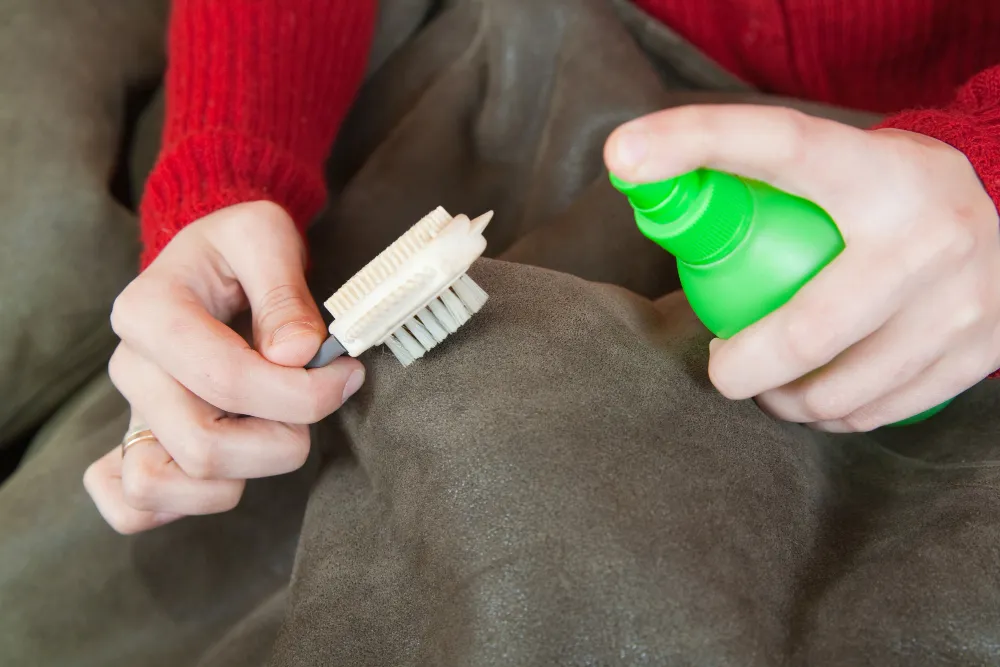
Key Takeaways PU leather degrades faster in Singapore’s year-round humidity (70-90% RH) than in temperate climates, making regular maintenance non-negotiable.Wiping items down weekly and storing them with silica gel desiccants are the two highest-impact habits you can build.Anti-mold sprays formulated for synthetic leather provide a protective barrier that over-the-counter options cannot match.Avoid plastic storage bags, sealed boxes without ventilation, and direct aircon vents all accelerate PU breakdown.Well-maintained PU leather corporate items last 3-5 years; neglected pieces in humid conditions can degrade in under 12 months. To maintain PU leather in Singapore, clean it weekly with a damp microfibre cloth, condition it monthly with a silicone-free leather conditioner, and store it in a cool, ventilated space with silica gel to prevent mold and peeling. Singapore’s humidity sits between 70% and 90% for most of the year, which means PU leather the synthetic material used in corporate bags, portfolios, and desk accessories faces constant moisture stress that accelerates surface cracking, discolouration, and mold growth. If you’re a professional relying on your leather portfolio to make a strong impression in a client meeting, or a business owner who gifts branded leather items to partners, understanding how to care for PU leather in a tropical climate is genuinely practical knowledge. This guide breaks down exactly what works, what doesn’t, and what most people miss. Why Singapore’s Humidity Is Uniquely Harsh on PU Leather Most leather care advice comes from North America or Europe, where relative humidity rarely stays above 60%. Singapore operates in an entirely different environment. The National Environment Agency consistently records mean relative humidity between 75% and 85%, with peaks during the monsoon months hitting 90% or more. For PU leather, this isn’t just an inconvenience it’s a structural threat. PU leather (short for polyurethane leather) is constructed with a fabric base coat and a polyurethane top layer. Moisture penetrates microscopic pores in that top layer, softening the adhesive bond beneath it. Over time, the polyurethane surface begins to bubble, peel, and crack. This process happens slowly in dry climates, but in Singapore it can begin within months of purchase if the item isn’t maintained. What most people miss is that it’s not just outdoor humidity that causes damage. Storing your leather bag in a sealed wardrobe or the drawer of an air-conditioned office creates a microclimate that traps moisture and encourages mold spores which are always present in tropical air to colonise the surface. If you’re curious about what makes PU leather a preferred choice for professional settings despite its care requirements, this overview of why PU leather is popular for corporate gifts covers its practical appeal in detail. What the Research Says About Humidity and Material Degradation A 2021 study published in the Polymer Degradation and Stability journal found that polyurethane materials exposed to relative humidity above 75% for extended periods exhibited a statistically significant increase in hydrolytic degradation the chemical process that breaks down the polymer chains responsible for PU’s flexibility and surface integrity. The rate of degradation nearly doubled when humidity was combined with temperatures above 28°C, conditions that closely mirror Singapore’s daily climate profile. In practical terms, this means a PU leather bag left uncared-for in Singapore’s climate doesn’t just age it degrades at an accelerated chemical rate. The surface changes you see (peeling, cracking, the powdery residue that forms on aged PU) are the visible result of polymer chain breakdown happening at a molecular level. How to Maintain PU Leather: Your Weekly Routine Consistency beats intensity with PU leather care. A five-minute weekly habit protects far better than an intensive monthly clean after visible damage has already appeared. Weekly Cleaning Use a clean, damp microfibre cloth to wipe down the entire surface. Microfibre lifts dust, skin oils, and early-stage mold spores without scratching the polyurethane coating. Do not use paper towels the texture is abrasive enough to create micro-scratches over time. For light stains, a solution of mild dish soap diluted in water (1:10 ratio) applied with a soft cloth works well. Rinse with a clean damp cloth immediately after. Never let soapy residue sit on the surface surfactants degrade the PU coating with repeated exposure. Dry the item thoroughly with a dry microfibre cloth after cleaning. Leaving moisture on PU leather after cleaning is one of the most common mistakes we observe it undoes the cleaning process by reintroducing surface hydration. Monthly Conditioning Apply a silicone-free leather conditioner once a month to restore flexibility to the PU surface. Products like Leather Nova Conditioner or similar pH-balanced formulations work well. Apply a small amount to a cloth, not directly to the leather, and work it in using circular motions. Avoid petroleum-based products, wax conditioners designed for genuine leather, and anything marketed for vinyl unless it explicitly states PU compatibility. These can either leave a greasy residue that attracts dust or chemically react with the polyurethane layer. Anti-Mold Care for PU Leather in Tropical Conditions Mold on PU leather looks like a grey, white, or greenish powdery coating, often with a musty smell. It spreads quickly in Singapore’s humidity and, if left untreated, permanently stains and weakens the surface beneath. Prevention: The First Line of Defence The most effective anti-mold measure is managing moisture in the storage environment, not just treating the leather itself. Place silica gel desiccant packets inside bags and near stored leather items, replacing them every 4-6 weeks or when the packets change colour (if using indicator-type gel). Treating Active Mold Growth If mold has already taken hold, act within 48 hours. Wipe the affected area with 70% isopropyl alcohol, allow it to dry fully, then apply an anti-mold leather spray. For severe cases where mold has penetrated the surface stitching or seams, professional leather cleaning is the safer option. What doesn’t work: applying household bleach (it degrades PU instantly), using a hair dryer to ‘dry out’ the mold (heat accelerates PU deterioration), or sealing the item in an airtight bag after treatment (traps residual moisture). Storage Tips That Actually Work in Singapore
