
Custom Leather Packaging: The Honest Pros and Cons for Corporate Gift Sets
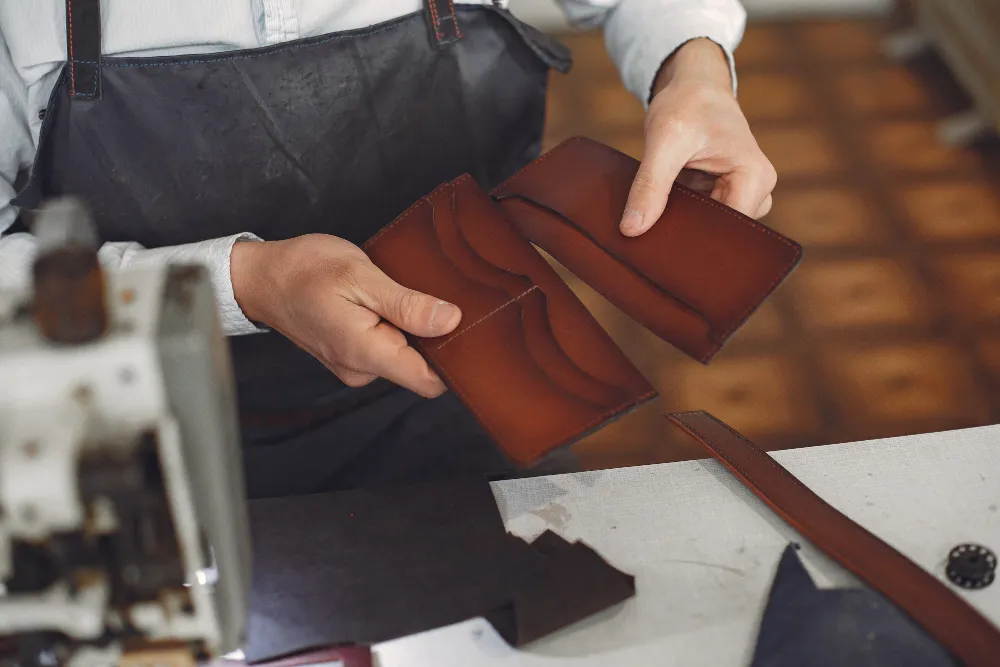
Key Takeaways Custom leather packaging elevates perceived gift value, but it comes with higher per-unit costs and longer production lead times compared to standard gift boxes.The durability of leather means recipients reuse the packaging, giving your brand ongoing visibility long after the gift is opened.Colour selection and leather grade directly affect the final impression. Getting these wrong undermines the premium positioning you are paying for.MOQ and lead time planning are the two factors most companies overlook. Factor these into your campaign timeline early.For mid-to-large gifting runs, the cost-per-impression of leather packaging is often lower than it first appears, especially when the box becomes a desktop or shelf item. Custom leather packaging refers to gift boxes, pouches, and presentation sets made from genuine or PU leather, produced with your brand’s logo, colours, and specifications. For corporate gift sets, it is one of the clearest signals of brand quality you can send to a client or employee. The trade-off, like most premium choices, is cost, planning time, and knowing exactly which variables to control. If you are a business owner, procurement lead, or HR manager evaluating whether leather packaging is worth the investment for your next gifting campaign, this article walks through every meaningful advantage and limitation, with nothing left out. Why Premium Packaging is Gaining Ground in Corporate Gifting The numbers behind corporate gifting make a compelling case for investing in packaging quality. According to Global Market Insights, the global leather packaging materials market was valued at USD 20.5 billion in 2024 and is projected to reach USD 31.9 billion by 2034, growing at a CAGR of 4.6%. Luxury packaging boxes alone accounted for 33.9% of that market share in 2024. Separately, research from GiftAFeeling shows that 62% of recipients say the quality of the gift matters significantly, and that companies with structured gifting programs see 31% lower voluntary employee turnover. Packaging is not a cosmetic detail. It is the first physical signal your brand sends. What most people miss is that the packaging often outlasts the gift itself. A leather box on a recipient’s desk continues representing your brand months after the gifting occasion has passed. The Real Advantages of Custom Leather Packaging 1. It Signals Brand Tier Before the Box is Even Opened Weight, texture, and finish communicate quality instantly. When a recipient picks up a leather-bound gift set, the tactile experience alone sets an expectation that a standard cardboard box simply cannot replicate. For B2B relationships, that first impression carries real weight, especially when you are gifting to C-suite contacts or top-tier clients. 2. Durability That Works in Your Favour Unlike paper or fabric packaging, a well-made leather box or pouch typically survives years of use. Recipients repurpose them as desk organisers, card holders, or storage cases. That ongoing visibility is essentially free brand exposure at zero additional cost after the initial order. 3. Deep Customisation Across Multiple Variables Custom leather packaging is not just logo placement. You have meaningful control over: If you are working through colour decisions for your order, Switts’ guide on choosing the right leather colour is a practical starting point that covers how different tones photograph, age, and read across different brand palettes. 4. Stronger Unboxing Experience With the rise of shared unboxing moments on LinkedIn and internal Slack channels, the presentation layer of a corporate gift set carries social currency. Leather packaging photographs well, feels intentional, and implies that serious thought went into the gift. In our experience working with corporate clients, gifts in premium packaging generate noticeably more internal sharing and social mentions than the same items in standard gift boxes. 5. Reusable and Increasingly Aligned with ESG Values Reusability is a growing consideration for procurement teams with ESG mandates. A leather box that stays in use for three years is arguably more defensible than a single-use premium paper box, regardless of the upfront cost. Custom Leather Packaging at a Glance: Pros vs Cons Pros Cons Signals premium brand positioning Higher upfront cost per unit Durable: lasts years, not months Minimum order quantities (MOQ) apply Highly customisable (colour, emboss, logo) Longer lead times vs standard boxes Strong unboxing experience Sourcing requires careful vetting Perceived high value by recipients Not all leather types age the same Reusable packaging adds ongoing exposure Colour matching needs expert input The Limitations You Should Plan Around Higher Upfront Cost Per Unit Custom leather packaging costs more per unit than standard gift boxes, sometimes significantly so. The gap narrows at higher quantities, but for small gifting runs, the per-unit figure can be a genuine budget constraint. The key question is not whether it is expensive, but whether the cost aligns with the relationship value you are trying to signal. Minimum Order Quantities (MOQ) Most quality leather packaging suppliers work with MOQs that are non-negotiable for custom work. This is a legitimate planning variable, not a sales tactic. Custom tooling, embossing dies, and material sourcing all require a minimum run to be economically viable. Before committing to a design, make sure your intended order volume meets the threshold. For specifics on what MOQs look like across different leather product types, Switts’ overview of MOQ and lead times for custom leather products gives honest guidance on what to expect at different order sizes. Longer Lead Times This is the variable that most corporate gifting campaigns underestimate. Standard gift boxes can often be turned around in days. Custom leather packaging requires weeks, sometimes more, depending on order complexity and material sourcing. If your gifting timeline is tight, factor lead time into your brief from day one, not as an afterthought. Material Quality Varies More Than You Expect Not all leather is the same. Full-grain leather, top-grain leather, PU leather, and bonded leather all behave differently over time. PU is cost-effective and consistent but does not age the same way as genuine leather. Bonded leather can peel if the substrate is poor quality. What you specify matters as much as what you pay. Colour Consistency Requires Oversight Colour matching across
