
Leather Products for Employee Onboarding Kits: What Actually Works (and What Doesn’t)
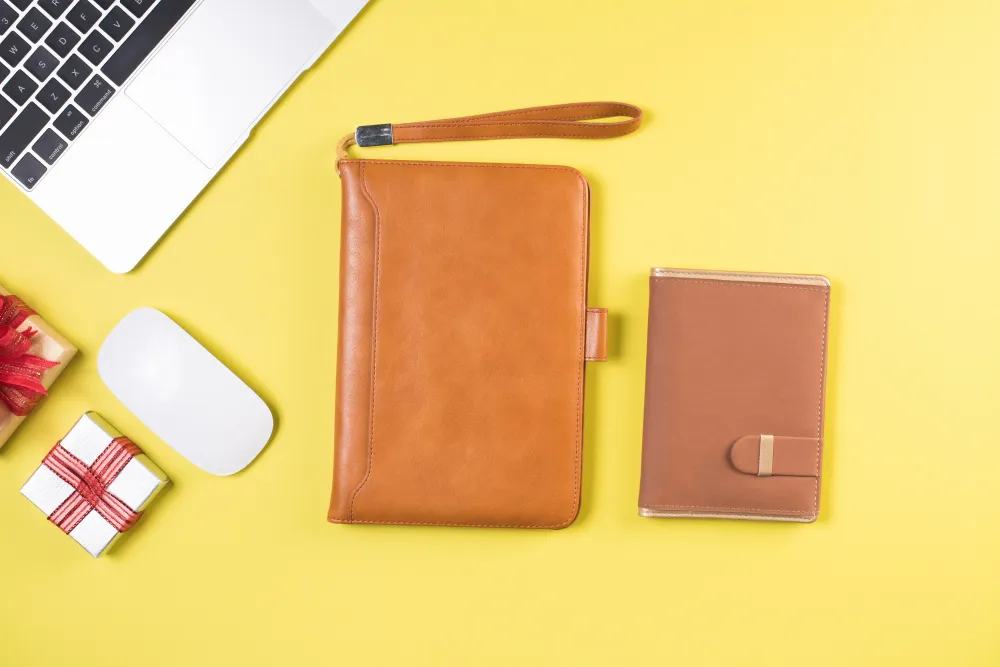
Key Takeaways What Are Leather Products for Employee Onboarding Kits? Leather products for employee onboarding kits are curated, functional items made from genuine or premium synthetic leather that companies include in a new hire’s welcome package. They serve two purposes at once: equipping employees with tools they’ll use daily, and communicating the company’s brand values before the first meeting even begins. Done well, an onboarding kit with a leather component isn’t a freebie. It’s a statement. Companies across Singapore and the broader Asia-Pacific region are increasingly moving away from the pen-and-notepad combo toward thoughtful, durable items that employees actually want to keep on their desks and carry into client meetings. Why the Onboarding Gift Reflects Your Brand Image More Than You Think Research from Gallup’s State of the Global Workplace report consistently shows that “employee engagement begins forming within the first few days of employment, with first impressions of company culture having a lasting impact on retention and productivity.” A 2023 SHRM study found that “organisations with strong onboarding experiences improve new hire retention by 82%. The physical welcome kit a new employee receives sits right at the center of that first impression.“ We’ve observed across corporate gifting projects that when a new hire receives a premium leather notebook or cardholder on day one, the reaction is almost always the same: they notice the weight of it, the texture, the detail. That tactile moment communicates care in a way no onboarding email ever can. What most people miss is that the gift isn’t about the object itself. It’s about what the object says the company thinks of its people. A poorly made branded item says: “We bought 500 of these in bulk.” A well-made leather piece says: “We considered who you are and what you need.” For deeper context on why leather consistently lands as a premium choice, why leather gifts are seen as premium corporate items breaks this down in detail. The Best Leather Products to Include in an Employee Kit Not every leather item belongs in an onboarding kit. The goal is functional elegance, items that integrate into a workday rather than sit forgotten in a drawer. Leather Notebooks and Journals A leather-bound A5 notebook is arguably the most universally useful onboarding gift. New employees are constantly noting down names, processes, and tasks during their first weeks. A quality leather cover elevates that experience and doubles as a professional-looking accessory in meetings. Look for notebooks with refillable inserts. This extends the product’s life and reduces waste, which matters to sustainability-conscious employees. Cardholders and Passport Holders Business card exchanges remain common in Singapore’s corporate culture, particularly in client-facing roles. A slim leather cardholder is compact, elegant, and something an employee will carry every day. For executives or roles involving travel, a leather passport holder adds another layer of utility. These small items are where personalisation pays off most. An embossed name or initials transforms a functional accessory into something an employee genuinely claims as their own. Leather Desk Pads and Mouse Pads Desk accessories often get overlooked in onboarding kits because they feel too large or expensive. But a leather desk pad anchors a workspace and reinforces brand presence every single day. For hybrid workers who set up at home, it’s a subtle but effective way to keep the company’s aesthetic present in their environment. Laptop Sleeves and Portfolio Cases For roles where employees regularly present, pitch, or work remotely, a leather laptop sleeve or portfolio case is highly practical. It replaces items they would have bought themselves, which means it’s immediately valued rather than duplicated. To explore specific options worth considering, the leather collection covers a wide range of corporate-grade items suitable for onboarding contexts. How to Match Leather Gifts to Seniority and Role A one-size-fits-all approach to onboarding kits works against you. The items that excite a fresh graduate differ from what resonates with a regional director. Entry to mid-level employees respond well to cardholders, notebooks, and passport holders. These feel aspirational without being excessive, and they solve real daily problems. Senior managers and directors appreciate desk accessories and portfolio cases. The gift should feel proportional to their experience level without being ostentatious. C-suite executives and external hires warrant a more considered approach. A curated leather gift set, perhaps a cardholder paired with a leather-bound notebook in a branded gift box, signals the seniority of the hire while keeping things tasteful. For executive-level gifting, best leather corporate gifts provides a well-curated starting point. What to Look for When Sourcing Leather Onboarding Items Sourcing for volume is where quality often gets compromised. Here are the practical checkpoints to use when evaluating suppliers. A practical guide to evaluating what you’re actually getting is available at how to identify high-quality leather products. Building the Kit Around the Leather Piece The leather item should anchor the kit, not compete with it. Keep surrounding items minimal and complementary: a branded pen, a welcome card with a handwritten message from the team lead, and perhaps a card with the company’s values printed cleanly. Resist the temptation to fill the box. The unboxing experience matters. A clean, well-structured presentation with the leather item prominent and visible when the box is opened creates the right first moment. Make the First Day Count The onboarding kit is one of the few moments where a company gets to control the full experience. Most of the working relationship will be improvised, reactive, and collaborative. Day one is curated. Use that. A leather product chosen with intention communicates that the company values craft, considers its people, and pays attention to detail. Those are the same qualities most businesses want their employees to embody. The gift sets the tone before a single word is spoken. Start by selecting one or two pieces from a quality supplier, personalise them, and let the rest of the kit stay simple. That restraint is itself a brand statement. FAQ What leather products are most suitable for new employee welcome kits? Leather notebooks, cardholders,
Why Leather Gifts Are Seen as Premium Corporate Items
Leather gifts are considered premium corporate items because they combine durability, tactile luxury, and timeless aesthetics in a way few other materials can replicate. In a corporate gifting context, they signal that the giver values quality over convenience. Whether it’s a full-grain leather notebook cover or a slim cardholde, the material alone communicates intentionality. Key Takeaways The Psychology Behind Perceived Value in Corporate Gifts There is a reason why unboxing a leather wallet or portfolio feels different from receiving a branded pen. Researchers have found that tactile experience strongly influences perceived product quality. A study published in the Journal of Consumer Psychology found that “the physical weight and texture of an object directly shapes how consumers evaluate its worth. Leather, with its distinct grain, smell, and heft, activates this perception immediately.“ For corporate gifting, this matters. When a client or employee holds a well-made leather item, the brand associated with that gift inherits the same premium perception. What Makes Leather Gifts Stand Out in a Saturated Market Most corporate gifts are forgettable. Mugs, tote bags, and plastic items end up in drawers or donation boxes within weeks. Leather behaves differently. Leather gifts are used daily A leather cardholder sits in a wallet. A leather desk pad anchors a workspace. A portfolio travels to every client meeting. This daily visibility means your brand or message stays in circulation long after the gifting moment has passed. What most people miss is the compounding effect of a quality leather item: every time the recipient reaches for it, there is a subtle reinforcement of the relationship that produced it. Craftsmanship as a Brand Signal In B2B relationships and executive circles, the quality of a gift is read as a proxy for the quality of your business. Sending a poorly finished item can unintentionally communicate carelessness. Sending something made with genuine, high-grade leather communicates the opposite. Before selecting any leather product for corporate distribution, it is worth understanding how to identify high-quality leather products so you can confidently distinguish full-grain from bonded leather and avoid gifting something that deteriorates within months. Personalization Multiplies Impact Embossed initials, a company logo in blind stamp, or a recipient’s name foil-pressed onto a leather journal cover transforms a product into something singular. This personalization is difficult to replicate with cheaper materials and is one of the core reasons leather has retained its status in executive gifting for decades. How Leather Gifts Strengthen Brand Image Brand image is built through repeated, consistent impressions. A leather gift is not a one-time touchpoint. It becomes part of a recipient’s daily environment, functioning like a persistent, physical advertisement that carries no awkwardness. For companies focused on positioning whether as premium service providers, trusted partners, or innovation leaders the materials they associate their brand with send a clear signal. Pairing your logo with well-sourced leather says something that a plastic keychain cannot. If you are building a corporate gifting strategy around this positioning, browsing a curated selection of the best leather corporate gifts gives you a clearer picture of what formats tend to resonate across seniority levels, from junior staff to C-suite executives. Choosing the Right Leather Gift for the Right Audience Not every leather item works for every occasion or recipient. A few practical considerations: The full leather collection at Switts covers these categories with options suitable for both individual and bulk corporate orders, with customisation support. A Final Thought on Lasting Impressions Corporate gifts are investments in relationships, not expenses. Leather holds up to that framing in a way most materials do not. It ages well, improves with use in many cases, and carries an inherent cultural weight that spans industries and geographies. If your goal is to leave an impression that outlasts the gifting moment, leather is one of the few materials that can genuinely deliver on that promise. FAQ Why are leather gifts considered luxury corporate items? Leather carries an inherent perception of quality due to its texture, durability, and the craftsmanship required to work with it. In corporate contexts, gifting leather signals that the giver is invested in the relationship and values premium presentation over cost-cutting. What types of leather gifts are most suitable for executives? Leather portfolios, slim cardholders, personalised journals, and travel document organisers are consistently well-received at the executive level. Items that integrate into daily professional routines tend to have the highest long-term brand visibility. How does leather gifting affect brand image? A quality leather gift associates your brand with durability and refinement. Because recipients use leather items regularly, your brand stays visible in professional settings, reinforcing a positive brand image over months or years rather than days. Can leather gifts be personalised for corporate use? Yes. Most premium leather items support embossing, foil stamping, or laser engraving. These techniques allow companies to add logos, recipient names, or taglines without compromising the material’s aesthetics, and they significantly increase the perceived value of the gift. Is it worth investing in leather gifts for large-scale employee gifting? For milestone recognition, annual gifts, or onboarding packages, leather offers a cost-per-impression advantage that cheaper alternatives do not. A leather item used daily for two years costs a fraction of what repeated engagement campaigns would require to achieve the same brand reinforcement.
