
The Best Leather Corporate Gifts for Singapore Businesses (2026 Guide)
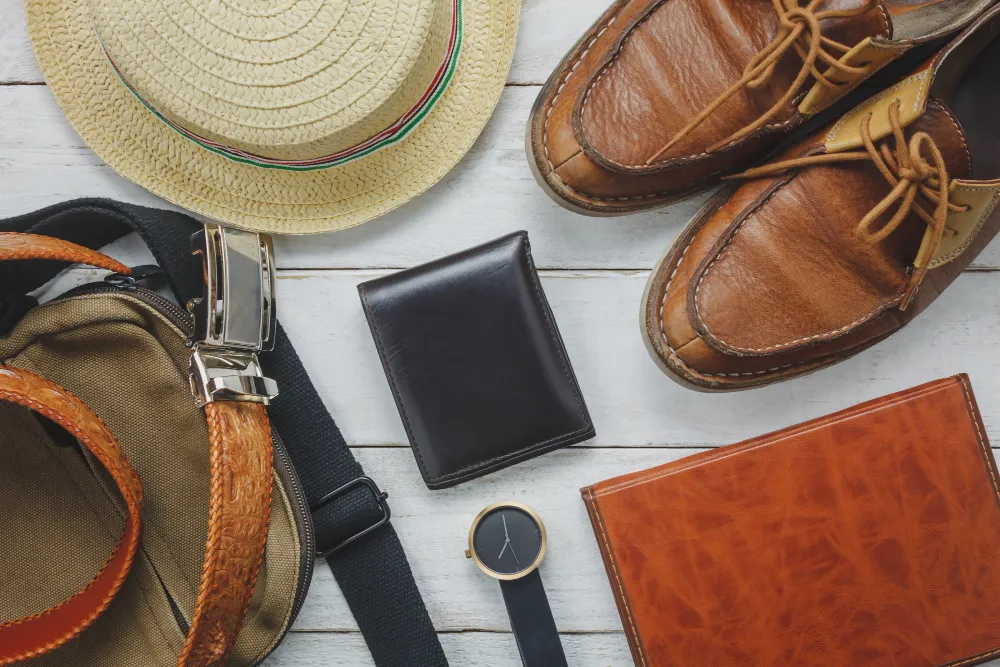
Key Takeaways What Makes Leather the Gold Standard for Corporate Gifting? The best leather corporate gifts work because they solve a real problem: most corporate gifts end up forgotten in a drawer. Leather doesn’t. A well-crafted leather card holder, passport wallet, or notebook cover lands on a desk and stays there, carrying your brand logo into every client meeting, every café catch-up, every airport lounge. In Singapore’s relationship-driven business culture, the gift you choose signals how seriously you take the relationship. Leather communicates permanence and quality in a way that plastic or synthetic alternatives simply cannot replicate. What the Data Says About Corporate Gifting ROI A study by the Advertising Specialty Institute (ASI) found that “85% of recipients who received a high-quality promotional product remembered the advertiser who gave it to them, and nearly half kept the item for over a year.“ When the item is functional and premium, that number climbs further. Leather accessories score particularly high on the “usefulness” metric, which ASI identifies as the single strongest predictor of whether a promotional item gets kept or discarded. In our experience working with Singapore-based procurement teams, leather gifts receive significantly fewer “what do I do with this?” moments compared to novelty items. That utility is the core of their ROI. Understanding Leather Quality Before You Buy This is where most bulk orders go wrong. Not all leather is equal, and a poorly made leather gift reflects on your brand just as much as a well-made one does. The four grades you need to know: Before placing any order, ask your supplier for a material specification sheet. Our detailed breakdown on leather grades explained walks you through exactly what to look for on those documents. You should also check out this guide on how to identify high-quality leather products before shortlisting suppliers. There are physical tests anyone can perform without specialist equipment. Why Singapore’s Climate Matters for Leather Gifts What most people overlook is Singapore’s year-round humidity. At an average of 80 to 84% relative humidity, leather stored or used here is under constant stress. Poor-quality hides crack, peel, and delaminate far faster in tropical conditions than in temperate climates. This means the leather grade decision is not just about aesthetics. It is a functional durability question. Full-grain and top-grain leathers treated with appropriate conditioning agents hold up far better in local conditions. If you are advising recipients on care, or including a care card with your gift, the article on how weather and humidity affect leather is a practical reference worth sharing. The Best Leather Corporate Gift Categories for Singapore Businesses Card Holders: The Highest-Utility Choice Business card exchange remains a genuine ritual in Singapore’s corporate environment, particularly in sectors like finance, law, and regional trade. A leather card holder is used multiple times a day, making it one of the most visible branded items you can give. The best card holders balance slim profile with capacity, typically holding eight to twelve cards without bulk. Debossed logos on card holders have a particularly premium finish because the impression sits flush with the leather surface rather than sitting on top of it. Browse the full range of leather card holders to see current customisation and material options available for corporate orders. Small Promotional Leather Gifts: Maximum Reach, Controlled Budget Not every gifting occasion calls for a premium wallet or portfolio. Small leather promotional items, including key fobs, cable organisers, luggage tags, and coin pouches, let you maintain leather quality at a price point that works for larger distribution numbers, such as trade shows, onboarding kits, or annual dinner door gifts. The key is to resist the temptation to drop to bonded or genuine leather just to hit a price target. A small item in top-grain leather still communicates quality. The same item in bonded leather communicates the opposite within six months when it starts peeling. Explore the small promotional leather gifts range for bulk-order options suitable for events and employee gifting programmes. Notebooks, Portfolios, and Desk Accessories For senior management gifts, client appreciation, or milestone recognition, leather portfolios and notebook covers occupy the premium tier. These items sit on desks, travel to boardrooms, and get noticed. Personalisation options like name embossing alongside a company logo add a layer of individual recognition that bulk-order items rarely achieve. How to Brief Your Supplier Correctly Getting the output right starts with the brief. These are the non-negotiables: You can also browse the full leather collection to understand the product categories and customisation options available before drafting your brief. Making the Right Choice for Your Brand The corporate gifting decision ultimately comes down to this: what do you want the recipient to think about your brand every time they reach for this item? Leather gifts, chosen correctly and manufactured to standard, answer that question well for years. Start with the end use case. Card holder for a client who attends three meetings a day. Luggage tag for a team that travels regionally. Small key fob for a large employee event. Match the product to the context, insist on top-grain leather as a minimum, and brief your supplier with specifics rather than adjectives. Done right, leather corporate gifts stop being a line item in the events budget and start being a consistent brand impression. FAQ What is the most popular leather corporate gift in Singapore? Leather card holders are consistently the top choice for Singapore businesses. They are practical in a business culture where card exchange is common, compact enough for bulk ordering, and offer excellent customisation options like debossing and foil stamping that hold up well over time. What leather grade should I specify for corporate gifts? Top-grain leather is the recommended minimum for corporate gifting. It offers a clean, consistent finish suitable for logo customisation and holds up well in Singapore’s humidity. Full-grain leather is the premium option for senior executive or VIP gifts where longevity and patina are part of the appeal. How do I customise leather corporate gifts with my
How Weather and Humidity Affect Leather in Singapore: A Complete Guide
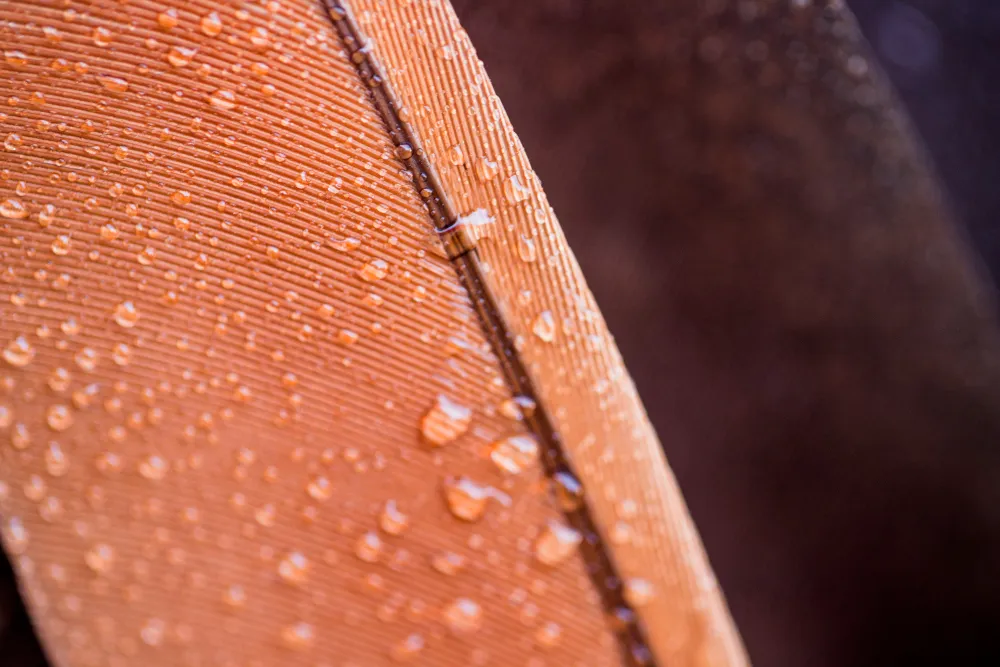
Singapore’s climate is genuinely harsh on leather. The combination of near-constant humidity, daily heat, and frequent rain creates conditions that accelerate leather degradation faster than almost any temperate environment. If you own leather shoes, a briefcase, a belt, or a leather office chair, the tropical climate is actively working against you every single day. Understanding how weather and humidity affect leather is not just useful for collectors or leather enthusiasts. For corporate professionals and business owners who rely on leather goods to project credibility, it is a practical matter of protecting a real investment. Key Takeaways What Singapore’s Climate Actually Does to Leather The Science Behind Moisture Damage Leather is essentially processed animal skin. Its internal structure is a network of collagen fibres held together by natural oils and tanning agents. When ambient humidity climbs above 65%, those fibres begin absorbing atmospheric moisture continuously. In Singapore, where relative humidity rarely drops below 75% even indoors without air conditioning, this is a near-constant process. The absorbed moisture causes fibres to swell unevenly, weakening the structural integrity of the material over time. You will notice this first as subtle wrinkling, followed by stiffness when the leather dries out, and eventually cracking along stress points like folds and stitching lines. What most people miss is that the damage cycle is not just from getting wet. It is the repeated swelling and contraction from humidity fluctuating between an air-conditioned office (55–60% RH) and the outdoor environment (85–90% RH) that causes micro-tears in the fibre structure. This daily thermal and humidity shock is uniquely punishing in Singapore. The Research Behind Tropical Leather Degradation A study published by the Journal of Cultural Heritage found that “leather artefacts stored in environments exceeding 65% relative humidity showed measurable fibre degradation within 6 months, with mould colonisation occurring as early as 8–12 weeks under consistent high-humidity conditions.” While that research focused on archival materials, the underlying chemistry is identical for everyday leather goods. Singapore sits comfortably above that 65% danger threshold for most of the year. The takeaway is not alarmist. It is a calibration. You are not maintaining leather in a normal climate. You are managing a material under accelerated stress conditions. The Four Ways Humidity Destroys Leather in Singapore 1. Mould and Mildew Growth Mould spores are present everywhere in Singapore’s air. At humidity above 75%, they find leather an ideal host because of its organic composition and surface texture. Mould typically appears first as a faint white or grey bloom, often mistaken for a salt stain or dust. Left untreated, it penetrates below the surface finish and causes permanent discolouration and odour. 2. Colour Bleed and Dye Migration Moisture activates leather dyes, causing them to migrate toward the surface or bleed onto adjacent materials. This is why a dark leather bag carried on a humid commute can stain clothing. Lower-grade leathers with synthetic dye coatings are especially vulnerable, since the coating itself can bubble and peel when moisture becomes trapped beneath it. 3. Accelerated Oxidation from Heat Singapore averages 28–32°C year-round. Heat alone accelerates the oxidation of natural leather oils, which causes brittleness. Combined with humidity, you get a leather surface that alternates between feeling sticky (when humid) and stiff (when cooled by air conditioning). Neither state is healthy for the material. 4. Hardware Corrosion and Stitch Degradation The effects extend beyond the leather itself. Metal buckles, zippers, and rivets corrode faster in high-humidity environments. Linen and polyester stitching absorbs moisture and weakens. On a quality briefcase or leather portfolio, this can mean structural failure at the seams well before the leather itself gives out. Leather Grade Matters More in the Tropics Not all leather responds to Singapore’s climate the same way. This is where leather grade becomes a practical, not just aesthetic, consideration. Full-grain leather, which retains the intact top surface of the hide, has a tighter fibre structure that naturally resists moisture penetration better than corrected-grain or bonded leather. Its surface breathes while still maintaining a barrier against surface moisture. Bonded leather, on the other hand, is composed of leather scraps adhered with polyurethane binders. In Singapore’s humidity, those binders soften, causing the characteristic peeling and flaking that makes bonded leather office chairs look degraded within two to three years. Before purchasing any leather product intended for regular use in Singapore, understanding leather grades and what they actually mean will save you from buying something that degrades within a season. You can also learn how to identify high-quality leather products before making a purchase decision. Practical Moisture and Wear Protection for Singapore The Minimum Maintenance Standard In temperate climates, conditioning leather twice a year is often sufficient. In Singapore, that is not enough. Based on the humidity exposure leather goods face here, a 4–6 week conditioning cycle is the practical minimum for frequently used items. A quality leather conditioner replenishes the natural oils that humidity and heat strip away. Products containing lanolin, neatsfoot oil, or beeswax are effective. Avoid over-conditioning, which can clog the leather’s pores and create a sticky surface that attracts more dirt and mould spores. Storage Is the Overlooked Variable Most leather damage in Singapore happens during storage, not use. A leather bag sitting in a wardrobe without airflow, especially after a humid commute, is in an ideal mould-incubation environment. Pro storage practices for Singapore: Surface Protection Against Rain Singapore’s daily rain cycle means leather shoes and bags frequently encounter water. A quality water-repellent spray applied every 3–4 weeks creates a hydrophobic barrier that prevents surface moisture absorption. This is not a substitute for conditioning. These are two separate functions: protection against external water, and replenishment of internal moisture. Explore SWITTS leather collection if you are looking for pieces already built to handle tropical conditions with durable finishes and appropriate grades. A Note for Corporate Professionals Specifically If you carry a leather briefcase or portfolio to client meetings, the condition of that leather communicates something before you say a word. Cracked edges, mould blooms, or peeling surfaces on a leather
