
USB-C Fast Charging: What Singapore Users Must Know
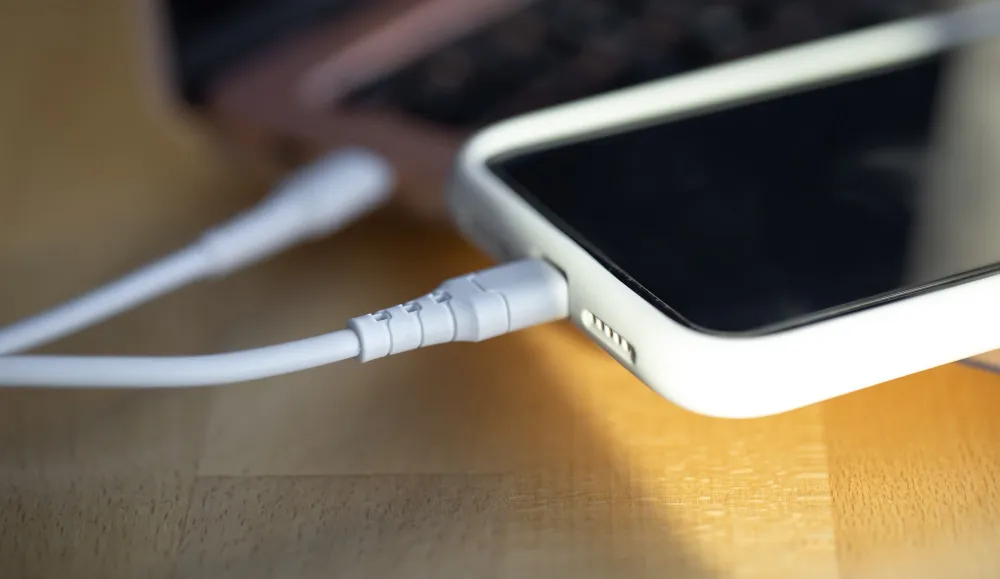
USB-C fast charging uses the Power Delivery (PD) protocol to intelligently negotiate power transfer between your charger and device, delivering significantly more watts than traditional USB connections. For busy professionals in Singapore, this translates to charging a smartphone to 50% in just 15-20 minutes instead of the typical 45-60 minutes with standard chargers. Understanding how this technology works and which products genuinely support it prevents wasted money on incompatible accessories and frustrating charging experiences. Key Takeaways: Why Singapore’s Power Infrastructure Matters for USB-C Fast Charging Singapore operates on a 230V, 50Hz electrical system, which actually benefits fast charging compared to countries using 110V. Higher voltage means power adapters can draw sufficient current more efficiently, especially when charging laptops or tablets that require 45W to 100W. What most people miss is how Singapore’s grid stability affects charge consistency. According to the Energy Market Authority’s 2024 reliability report, “Singapore maintains a 99.9993% electricity supply reliability rating, among the world’s highest.” This stable power delivery ensures your USB-C chargers can maintain consistent wattage throughout the charging cycle without voltage drops that trigger safety throttling. However, our tropical humidity introduces a different challenge. We’ve observed that moisture can degrade charging cable connections over time, particularly at the USB-C plug interface. This degradation creates resistance, which reduces charging speeds and generates heat. For office workers keeping cables in air-conditioned environments during the day and humid conditions at home, investing in cables with reinforced strain relief and corrosion-resistant connectors pays off within six months. Understanding Power Delivery vs. Standard USB-C Charging Here’s the critical distinction: USB-C is the physical connector shape, while Power Delivery is the fast-charging protocol. Many people assume any USB-C cable automatically enables fast charging, which simply isn’t true. Standard USB-C without PD typically delivers 5V at 3A, maxing out at 15W. Power Delivery, by contrast, can negotiate voltage levels from 5V to 20V and current up to 5A, enabling configurations like 9V/3A (27W), 15V/3A (45W), or 20V/5A (100W). Your device and charger communicate in milliseconds to determine the optimal power profile. How to Identify True Fast Charging Capabilities Check these three components in your charging setup: Wall Adapter: Look for explicit wattage markings (18W, 30W, 65W, etc.) and the “PD” logo. Generic “fast charge” claims without specific wattage ratings are marketing fluff. Cable Quality: Authentic fast-charging cables display USB-IF certification markings and specify current ratings (3A or 5A). In our testing, non-certified cables claiming “fast charge” delivered 40-60% slower speeds than certified equivalents, even when using identical adapters. Device Input: Your phone or laptop must support PD intake. Most flagship smartphones since 2020 support 18W-30W, while modern laptops handle 45W-100W. Check your device specifications, not assumptions. Choosing the Right Setup for Singapore’s Work Environment Corporate employees juggling meetings and deadlines need strategic charging approaches. A 30W PD charger can take a MacBook Air from 0-50% in approximately 35 minutes, perfect for the lunch hour recharge. The same charger will rapid-charge your iPhone or Samsung Galaxy during a 15-minute coffee break. Business owners managing teams should consider investing in multi-port PD chargers rated at 65W or higher for conference rooms. These units intelligently distribute power across connected devices, ensuring everyone’s equipment charges efficiently during collaborative sessions. For hybrid workers commuting on MRT or buses, power banks supporting 20W PD output minimum are essential. Singapore’s average commute time is 84 minutes according to 2024 transport data, enough to fully charge most smartphones if you’re using genuine fast-charging accessories. Common Mistakes That Slow Your Charging Speed Mixing and matching cheap cables with premium adapters (or vice versa) creates bottlenecks. We’ve seen corporate users frustrated by slow charging while using a 65W adapter paired with a cable rated for only 2.4A. The cable restricts current flow, negating the adapter’s capability entirely. Another oversight: charging through USB hubs or docking stations without dedicated PD pass-through. Many office desk setups feature older USB hubs that split power delivery, reducing available wattage to each port. Your 30W adapter becomes effectively 7-8W per port when split four ways. Temperature also matters more than most realize. Charging generates heat, and Singapore’s ambient temperatures (typically 25-31°C) mean devices reach thermal throttling thresholds faster. When possible, charge devices in air-conditioned spaces and avoid stacking them during charging, which traps heat and slows the process by 15-25%. Understanding the difference between USB-C, Lightning, and Micro-USB helps you make smarter accessory purchases. Lightning cables, for instance, cap at 20W for iPhones, while USB-C PD can theoretically deliver five times that power for compatible devices. Making Smart Purchasing Decisions When shopping for charging accessories, prioritize products displaying specific technical specifications over vague marketing claims. A quality 30W PD adapter from reputable brands costs SGD 25-40, while uncertified alternatives selling for SGD 10-15 typically deliver 12-15W despite labeling. For professionals maintaining multiple devices, consider exploring quality USB accessories that bundle certified cables with appropriate adapters. These kits ensure compatibility and often include warranty coverage that standalone cheap alternatives lack. Test your setup’s actual performance using apps like Ampere (Android) or by monitoring charge percentage increases over 15-minute intervals. Genuine 20W fast charging should deliver approximately 25-30% battery increase in 15 minutes for most smartphones, while 30W setups can push 35-40%. Final Thoughts USB-C fast charging transforms how busy professionals manage device uptime throughout demanding workdays. By understanding the interplay between Singapore’s power infrastructure, humidity considerations, and the technical requirements of Power Delivery, you can build a charging ecosystem that actually delivers the speeds you’re paying for. Start by auditing your current setup: verify adapter wattage ratings, replace uncertified cables, and ensure your devices support the power levels your accessories provide. These small investments return hours of productivity annually by eliminating the anxiety of dead batteries during critical moments. Frequently Asked Questions Does using fast charging damage my device’s battery over time? Modern devices include battery management systems that regulate charging to prevent damage. Fast charging only applies maximum wattage during the initial 0-70% range, then tapers to standard speeds. Most manufacturers design batteries to handle thousands
Choosing the Right Power Bank for Your Needs

A power bank is a portable battery that charges your devices when wall outlets are unavailable. The right choice depends on three factors: how often you need backup power, which devices you carry, and whether speed or capacity matters more for your workflow. Corporate professionals who juggle laptops, phones, and tablets during long meetings or business trips need different specifications than someone charging a single smartphone once daily. Key Takeaways Understanding mAh Capacity and What It Really Means Battery capacity, measured in milliampere-hours (mAh), indicates how much charge a power bank stores. A 10,000mAh unit theoretically charges a 3,000mAh smartphone roughly three times. However, real-world performance differs. Energy conversion from the power bank to your device wastes 20-40% through heat and voltage regulation. A 10,000mAh power bank delivers approximately 6,000-7,000mAh of usable charge. This is why battery capacity matters more than marketing numbers suggest. According to a 2024 study by the Consumer Technology Association, “68% of professionals report running out of phone battery at least once weekly during work hours, with the average user requiring 4,000-5,000mAh of backup power daily to maintain productivity.“ Capacity recommendations by use case: Business owners and CEOs traveling internationally benefit from higher capacities, but airlines restrict power banks above 27,000mAh (100Wh) in carry-on luggage. Fast Charging Technology Explained Charging speed depends on wattage (W), calculated by multiplying voltage (V) and amperage (A). Standard charging delivers 5W (5V/1A), taking 3-4 hours for most smartphones. Fast charging technologies push 18W to 100W, reducing time significantly. Common fast charging standards: Your device must support the same protocol as the power bank to achieve fast speeds. A 65W PD power bank won’t fast-charge a phone that only supports standard 5W input. For office workers rushing between meetings, a 20W PD-compatible power bank charges an iPhone from 0% to 50% in roughly 30 minutes. Compare that to standard charging’s 90-minute timeline for the same result. Physical Design Considerations for Daily Carry Weight and size directly impact portability. A 10,000mAh power bank weighs 180-250g and fits in most bags comfortably. Units above 20,000mAh often exceed 400g, becoming noticeable in briefcases or purses. Design features that matter: Employees attending full-day conferences prefer slim designs under 15mm thick that slide into jacket pockets without creating bulk. Port Configuration and Cable Compatibility Modern power banks typically offer USB-A, USB-C, or both. USB-C ports handle both input (recharging the power bank) and output (charging devices), reducing cable needs. Check your device collection before purchasing. iPhones need Lightning or USB-C (iPhone 15 and newer), most Android phones use USB-C, and older devices might require Micro-USB. A power bank with one USB-C and one USB-A port covers most scenarios. Simultaneous charging capability lets you power multiple devices at once, but the total output wattage splits between ports. A 20W power bank charging two devices simultaneously delivers roughly 10W to each, slowing the process. Safety Features You Shouldn’t Compromise On Quality power banks include protection circuits that prevent overcharging, overheating, and short circuits. These mechanisms add minimal cost but protect expensive devices from damage. Look for certifications from recognized bodies: UL (Underwriters Laboratories), CE (Conformité Européenne), FCC (Federal Communications Commission), or RoHS (Restriction of Hazardous Substances). Manufacturers display these marks on packaging or product casings. Budget options from unknown brands sometimes skip safety testing to reduce costs. While exploring whether cheap electronics are reliable, remember that power banks contain lithium batteries capable of thermal runaway if poorly manufactured. The money saved on a bargain unit rarely justifies replacing a damaged smartphone. Premium brands typically offer 12-24 month warranties, indicating confidence in build quality and longevity. Matching Power Banks to Professional Needs Corporate employees benefit from analyzing their specific usage patterns before purchasing. Track how often you charge devices daily and which situations leave you searching for outlets. Remote workers and hybrid employees need reliable backup during coffee shop sessions or co-working days. A 10,000-20,000mAh unit with PD support handles laptops and phones without requiring wall access. Frequent travelers prioritize airline-compliant capacities (under 27,000mAh) with multiple ports to charge phones, wireless earbuds, and tablets overnight in hotel rooms. Field professionals in construction, real estate, or sales require rugged designs with higher IP ratings (water and dust resistance) and capacities exceeding 20,000mAh for all-day field work. Business owners managing teams might consider purchasing standardized power banks as part of employee equipment, similar to other smart gadgets for daily use, ensuring consistent performance across the organization. Making Your Final Decision Start by calculating your daily mAh needs: add up your devices’ battery capacities and multiply by how many charges you require. Add 30-40% to account for conversion loss. Prioritize fast charging if you typically have only 20-30 minute windows to charge between commitments. Standard charging suffices for overnight or desk-side use. Verify compatibility with your existing devices by checking their charging specifications in settings or documentation. A power bank that doesn’t match your phone’s fast charging protocol wastes money on unused capability. Browse options at reputable retailers, comparing electronics and IT gadgets from established brands with clear warranty terms. Read recent user reviews focusing on long-term reliability rather than just unboxing impressions. The perfect power bank balances capacity, charging speed, portability, and safety for your specific workflow. Spending an extra $20-30 on a quality unit from a known manufacturer typically delivers years of reliable service, while budget alternatives often fail within months. Frequently Asked Questions How long does a 10,000mAh power bank take to fully recharge? Recharge time depends on the input wattage. With a standard 10W charger, expect 4-5 hours. Using an 18W fast charger reduces this to 2-3 hours. Always check the power bank’s maximum input specification, as exceeding it won’t speed up charging. Can I bring a power bank on an airplane? Yes, but only in carry-on luggage. Airlines restrict power banks to 100Wh (approximately 27,000mAh at 3.7V), with units between 100-160Wh requiring airline approval. Anything exceeding 160Wh is prohibited. Check your specific airline’s policy before traveling internationally. Why does my power bank feel warm during use?
