
The Rise of Smart Trackers & Finders: How Professionals Are Reclaiming Lost Time and Sanity
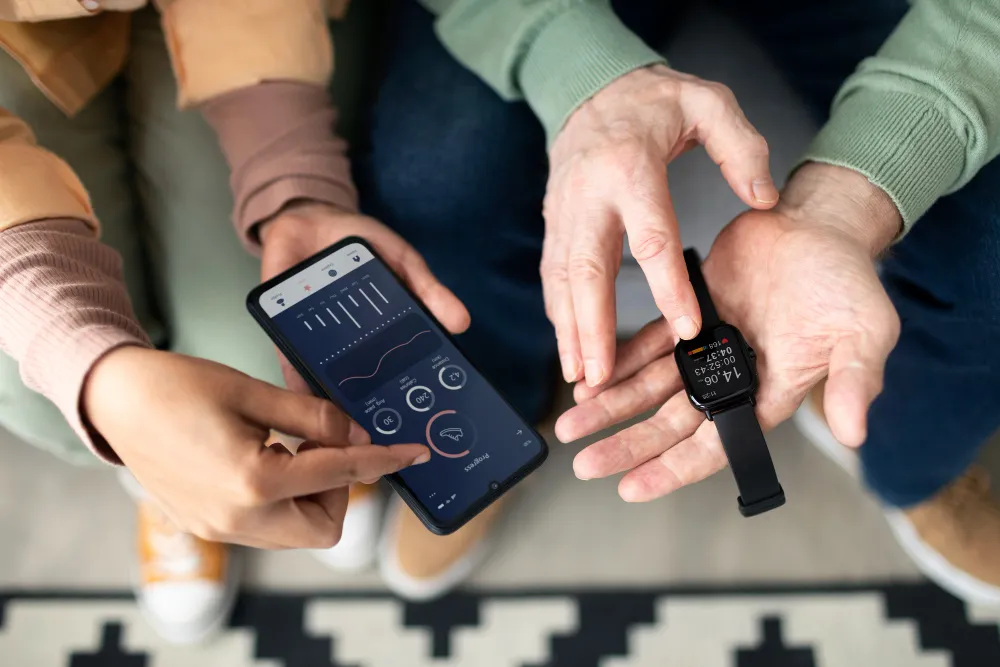
Smart trackers are compact devices that use Bluetooth, GPS, or ultra-wideband (UWB) technology to help you locate lost items through smartphone apps, often with audio alerts and precision finding features. For corporate professionals juggling multiple devices, access cards, and equipment daily, these tools have become essential productivity safeguards. “The global smart tracker market reached $2.1 billion in 2024 and is projected to grow at 24.3% annually through 2030, driven primarily by workplace adoption and enterprise asset management needs.” according to Grand View Research. What started as consumer gadgets for finding keys has transformed into sophisticated workplace solutions. We’ve observed that the real value proposition isn’t just about finding lost items but preventing the cascading effects of misplacement: missed meetings, security breaches from lost access cards, and the mental load of constantly tracking physical belongings. Key Takeaways The Evolution From Simple Finders to Enterprise Solutions Early Bluetooth trackers were limited by range (typically 30-50 meters) and required you to be nearby. Today’s smart locator devices leverage crowd-sourced networks where millions of smartphones anonymously detect your lost item’s location. Apple’s AirTag network has over a billion devices globally, while Samsung’s SmartThings Find utilizes hundreds of millions of Galaxy devices. The technological leap that changed everything was ultra-wideband (UWB) integration. Unlike Bluetooth, which gives approximate distance, UWB provides directional guidance and pinpoint accuracy down to centimeters. For professionals working in large office complexes or corporate campuses, this precision matters significantly. Corporate Use Cases Beyond Personal Items Business owners and CEOs have discovered applications that extend far beyond personal convenience: Asset Management: Companies track laptops, projectors, demo equipment, and inventory across multiple locations. One Singapore-based consultancy reduced equipment replacement costs by 40% after deploying trackers on all portable tech assets. Security Compliance: In sectors handling sensitive data, knowing exactly where company devices are located at all times isn’t optional. Smart trackers with geofencing alerts notify security teams when tagged items leave designated areas. Shared Resource Tracking: Conference room equipment, pool vehicles, and shared tools become easier to manage when teams can see real-time availability and location through collaborative tracking apps. Why Office Workers Are Embracing Anti-Loss Devices Research from the University of California found that interruptions and the time required to refocus cost knowledge workers an average of 23 minutes per incident. When that interruption is searching for your laptop charger, building access card, or presentation remote, the productivity drain compounds. What most people miss is the psychological benefit. Decision fatigue from constantly monitoring physical items consumes mental bandwidth better spent on actual work. By offloading this cognitive load to technology, professionals report feeling more organized and in control. The Singapore Advantage Singapore’s dense urban environment and tech-savvy workforce have created ideal conditions for smart tracker adoption. The extensive indoor positioning systems in buildings like Marina Bay Sands and Changi Airport enhance Bluetooth tracking accuracy. Additionally, our compact geography means crowd-sourced networks achieve particularly high coverage density. For those exploring various types of IT gadgets for workplace efficiency, smart trackers represent one of the highest ROI investments. The average professional spends approximately $200-300 annually replacing lost items, according to workplace efficiency studies, while a quality tracker ecosystem costs $30-100 per year. Choosing the Right Smart Tracker for Professional Needs Not all anti-loss devices serve business users equally well. Here’s what separates consumer gadgets from professional tools: Network Coverage: Devices leveraging existing smartphone ecosystems (Apple Find My, Samsung SmartThings, Tile’s network) provide better location accuracy in dense urban areas compared to standalone GPS trackers. Battery Life: Replaceable batteries lasting 6-12 months outperform rechargeable options for items you set and forget, like equipment cases or rarely used devices. Water Resistance: IP67 rating minimum ensures trackers survive coffee spills, humid environments, and unexpected rain exposure. Separation Alerts: Bidirectional finding (where your phone can find the tracker AND the tracker can ping your phone) prevents leaving items behind in meeting rooms, taxis, or coworking spaces. Multi-User Sharing: Enterprise-friendly trackers allow multiple team members to track shared resources without privacy concerns. We’ve tested dozens of options with office workers across industries. The consistent feedback is that reliability matters more than features. A tracker that occasionally fails to connect or drains batteries unpredictably creates more frustration than it solves. Integrating Smart Trackers Into Daily Workflows The most successful implementations we’ve observed follow a systematic approach. Start by identifying your three highest-value, frequently misplaced items. For most professionals, that’s keys, wallet, and laptop bag. Attach trackers to these first and build the habit of checking the app when searching. Many smart gadgets for daily use work best when integrated into existing routines rather than requiring new behaviors. Smart trackers excel here because they’re passive until needed. You don’t need to remember to activate them; they’re simply there when panic sets in. Advanced Applications for Business Owners CEOs managing multiple locations or remote teams have found creative applications. Attaching trackers to important document folders ensures contract files don’t disappear between offices. Equipment loans to employees or contractors become trackable without invasive monitoring. Some organizations implement trackers as part of equipment checkout systems. When an employee borrows a company laptop or camera, the tracker activates and logs the assignment. This creates accountability without micromanagement. Privacy Considerations and Best Practices The same technology that helps find lost items can theoretically enable unwanted tracking. Responsible manufacturers have implemented anti-stalking features: unknown trackers traveling with you trigger alerts, and tracker identifiers rotate to prevent long-term location profiling. For workplace deployment, establish clear policies. Employees should know what company assets have trackers and understand that tracking activates only for business equipment, not personal items. Transparency builds trust and prevents the perception of surveillance. Singapore’s Personal Data Protection Act (PDPA) applies to location data collected through tracking devices. Companies deploying tracker networks for asset management should conduct Data Protection Impact Assessments and implement appropriate safeguards. The Future of Anti-Loss Technology The trajectory points toward ambient awareness. Future iterations will likely integrate with building management systems, creating three-dimensional indoor positioning that works seamlessly with office layouts. Imagine your
Why Bluetooth Speakers Are Popular Corporate Gifts in Singapore
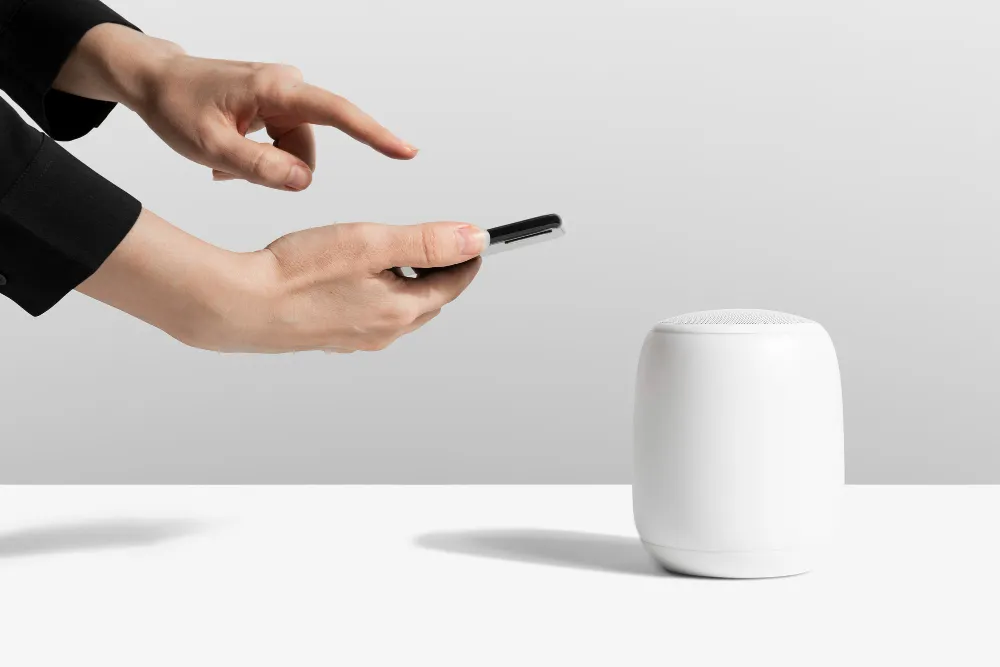
Key Takeaways Why Corporate Buyers Choose Bluetooth Speakers Over Traditional Gifts Bluetooth speakers are popular for corporate gift because they strike the perfect balance between practicality and desirability. Unlike generic items that end up in drawers or donation bins, wireless audio devices get used regularly in both professional and personal settings. The shift toward remote and hybrid work has amplified this trend. Employees working from home need better audio solutions for video calls, background music during focused work, and personal entertainment. A 2024 study by the Corporate Gift Association found that “73% of recipients reported using tech gadgets like Bluetooth speakers at least three times per week, compared to just 22% for traditional corporate gifts like desk accessories or apparel.“ The Psychology Behind Gift-Giving Success Corporate gifts succeed when they deliver perceived value that exceeds their actual cost. Bluetooth speakers excel here because most people understand premium audio technology carries a higher price tag, even when wholesale corporate pricing makes them surprisingly affordable. What most people miss is the emotional connection factor. Music is deeply personal. When an employee uses your branded speaker during their morning routine or weekend gatherings, they’re unconsciously associating your company with positive experiences. This creates stronger brand affinity than transactional gifts ever could. The types of IT gadgets that resonate most in corporate settings share three characteristics: daily utility, cross-generational appeal, and perceived premium quality. Wireless speakers check all three boxes. Practical Advantages for Corporate Buyers Budget-Friendly Scalability Quality Bluetooth speakers now exist across every price tier. For year-end gifts to 500+ employees, you can secure reliable models at $35-50 per unit. For executive gifts or top performers, premium options with superior acoustics and longer battery life run $120-180. This flexibility lets you match gift quality to recipient hierarchy without complicated logistics. Logistics and Customization Speakers are compact, durable during shipping, and offer multiple branding surfaces. Unlike fragile items or perishables, they don’t require special handling. The technology itself conveys innovation, aligning your brand with forward-thinking values without saying a word. Modern Bluetooth technology powers modern gadgets with impressive range and battery efficiency. Recipients appreciate features like 10-hour playtime, waterproof ratings for outdoor use, and universal compatibility with smartphones, tablets, and laptops. The Workplace Integration Factor We’ve observed a noticeable trend: employees who receive Bluetooth speakers often bring them to the office for shared use during team lunches or informal meetings. This transforms a personal gift into a communal experience that reinforces team culture. Some companies even encourage this by selecting models with speakerphone functionality, making them legitimate business tools for conference calls. What Makes a Bluetooth Speaker “Gift-Worthy” Not all wireless speakers work equally well as corporate gifts. The sweet spot combines: Audio quality that impresses: Even budget models should deliver clear sound without distortion at 70% volume. Muddy bass or tinny treble creates negative brand associations. Battery life that lasts: Minimum 8 hours of continuous playback. Nothing frustrates users more than devices that need constant recharging. Design that fits anywhere: Neutral colors, clean lines, and compact form factors ensure the speaker looks professional in an office and at home. Durability signals quality: Metal grilles, rubberized edges, and IPX ratings (water resistance) communicate that you invested in something built to last. For businesses looking to expand their corporate gifting strategy, exploring the full range of electronics and IT gadgets reveals complementary options that pair well with speakers, like power banks or wireless chargers. The Long-Term Brand Visibility Equation A well-chosen Bluetooth speaker provides approximately 3-5 years of active use before battery degradation or technological obsolescence. Compare this to: Your logo gets exponentially more impressions from a durable tech gift. Even subtle branding on a speaker that sits on an employee’s desk generates hundreds of visual touchpoints annually, reinforcing your company’s presence during their most productive hours. Addressing Common Corporate Gift Concerns “Won’t everyone already have a Bluetooth speaker?” Ownership rates are high, but most people welcome upgrades or additional speakers for different rooms. A quality corporate gift often becomes their “office speaker” or “outdoor speaker,” creating a distinct use case that doesn’t compete with existing devices. “How do we stand out when other companies give the same thing?” Differentiation comes from thoughtful selection. Choose models with unique features like RGB lighting, dual-device pairing, or built-in voice assistants. Pair the speaker with a handwritten note explaining why you selected this specific model for your team. Perceived thoughtfulness matters more than novelty. “What about employees who aren’t tech-savvy?” Bluetooth pairing has become intuitive enough that even non-technical users manage it successfully. Including a simple quick-start card with illustrations eliminates this concern. The beauty of smart gadgets for daily use is that they’re designed for mainstream adoption, not just early adopters. Making Your Corporate Gift Strategy Work The most successful corporate gifting programs treat items like Bluetooth speakers as relationship investments, not line items. Consider timing your distribution to coincide with meaningful moments (project completions, company milestones, personal work anniversaries) rather than defaulting to year-end holidays when employees receive multiple gifts. Quality matters more than quantity. Gifting 100 premium speakers to key stakeholders creates more impact than distributing 500 budget models that break within months. Your reputation rides on the recipient’s experience, not just the gesture. Frequently Asked Questions What price range should I budget for corporate Bluetooth speakers? For bulk corporate orders, expect $35-60 per unit for reliable models with good sound quality and 8+ hour battery life. Executive or VIP gifts typically range from $100-180 for premium brands with superior acoustics and build quality. Always request samples before bulk ordering. How long does branding or customization typically take? Most suppliers need 2-3 weeks for logo engraving or printing on orders of 100+ units. Rush orders (7-10 days) are possible but may incur 15-25% premiums. Plan corporate gifts at least 6 weeks before distribution dates to account for production, shipping, and quality checks. Are there compliance or safety certifications to verify? Yes. Ensure speakers carry CE marking (European safety standards) and ideally FCC certification. For
