
Why Designer Bags Remain a Must-Have Fashion Accessory
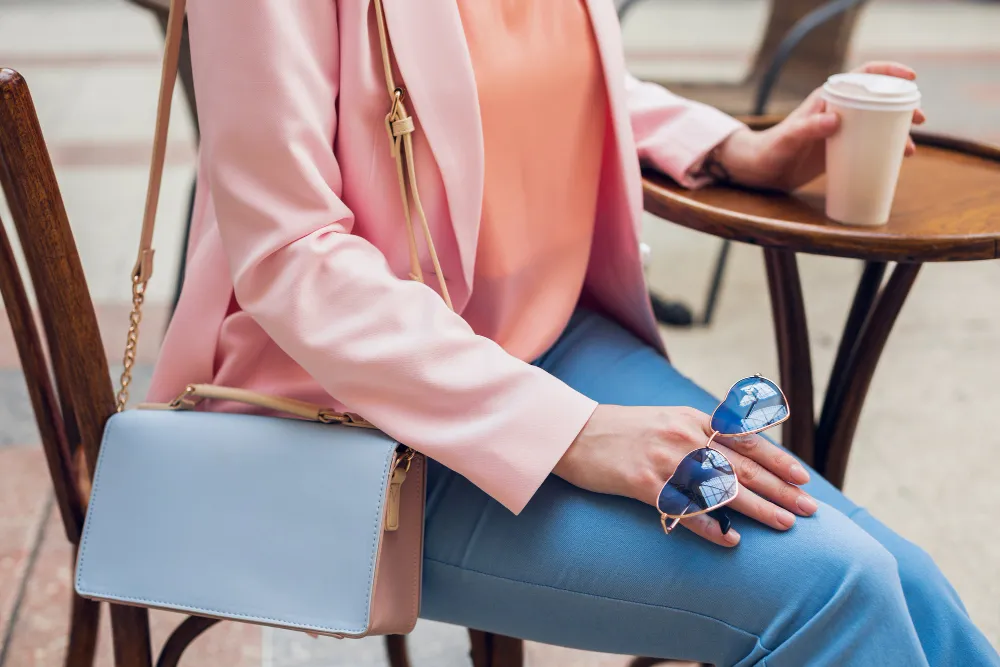
Designer bags continue dominating professional wardrobes because they combine practical functionality with strategic status signaling. Unlike cheaper alternatives that deteriorate within months, luxury bags from established fashion houses deliver superior craftsmanship, maintain resale value, and communicate professional credibility in business contexts. For corporate professionals and business owners, these accessories represent calculated investments rather than frivolous purchases. The psychology behind designer bags extends beyond vanity. Research shows that quality accessories influence how colleagues and clients perceive your competence and attention to detail. When you carry a well-maintained luxury bag into a negotiation or investor meeting, you’re broadcasting commitment to excellence before speaking a single word. Key Takeaways The Professional Advantage of Quality Accessories Corporate environments reward visual consistency and quality cues. Your choice of accessories directly impacts first impressions during crucial moments like job interviews, client presentations, and C-suite interactions. Designer bags excel here because they’re instantly recognizable markers of professional standards. A Louis Vuitton tote or Prada briefcase signals you understand workplace norms while possessing the resources to invest in quality. HR professionals consistently report that candidates carrying premium accessories during interviews project greater confidence and preparedness. Beyond perception, practical considerations matter. High-quality fashion handbags feature reinforced stitching, water-resistant linings, and organizational compartments that protect laptops, documents, and devices. Cheap alternatives fail at precisely the wrong moments, like when zippers break before critical presentations or straps snap during business travel. Investment Economics: Why Designer Bags Pay for Themselves The sticker shock of designer bags obscures their genuine economic advantage. A $2,000 Chanel bag that lasts 15 years costs $133 annually. Compare that to replacing three $150 synthetic bags yearly, totaling $450 in annual spending. Luxury bags also retain resale value remarkably well. Limited editions from Hermès or Gucci often sell on secondary markets for 70-90% of original retail prices, sometimes exceeding them. Mass-market bags become worthless immediately after purchase. Business owners should view designer accessories as depreciable assets. When you carry the same recognizable bag to industry conferences year after year, you build visual brand consistency. Clients and partners subconsciously associate your reliability with the unchanging quality of your accessories. Choosing Designer Bags for Maximum Versatility Not all luxury bags suit corporate contexts equally. Focus on neutral colors (black, navy, cognac) with minimal hardware that won’t distract during presentations. Understanding how to choose the right bag ensures your investment serves multiple professional scenarios. Structured silhouettes work best for business settings. Totes and briefcase styles maintain their shape when placed on conference tables or office floors, projecting organization. Avoid overly casual hobo styles or bags requiring constant adjustment. Size matters strategically. Your designer bag should accommodate a 13-inch laptop, essential documents, and professional necessities without appearing overstuffed. Oversized bags suggest disorganization, while undersized options force you to carry multiple items. The Psychology of Quality in Professional Settings Corporate culture increasingly values sustainable consumption over disposable fashion. Carrying a decade-old Bottega Veneta bag demonstrates mindful purchasing decisions rather than chasing trends. This shift benefits business owners building company cultures around quality and longevity. When leadership carries well-maintained designer accessories, it reinforces organizational values about investing in lasting solutions. Employees notice these signals when evaluating workplace standards. Luxury accessories also serve practical networking functions. Compliments about your bag create natural conversation openings at conferences and industry events. Shared appreciation for specific designers or craftspeople establishes common ground with potential partners and clients. Maintaining Professional Appearance Standards Designer bags require minimal maintenance while consistently projecting polish. Monthly conditioning treatments preserve leather quality, ensuring your bag looks pristine in five years as it did on day one. This reliability matters for corporate professionals who can’t afford accessories that look worn during important meetings. Knowing the right bag for your daily routine includes understanding maintenance requirements that fit busy schedules. Weather protection represents another advantage. Quality leather treatments repel rain and humidity better than synthetic alternatives. In Singapore’s tropical climate, this durability proves essential for preserving professional appearance regardless of weather conditions. Beyond Fashion: Designer Bags as Business Tools The best luxury bags function as mobile offices. Interior organization systems separate electronics, documents, and personal items efficiently. This practical design thinking distinguishes designer accessories from purely aesthetic products. Consider the broader context of fashion accessories as productivity tools rather than mere status symbols. When your bag facilitates smooth transitions between meetings, protects expensive devices, and projects professionalism simultaneously, the investment justifies itself through improved work efficiency. Corporate buyers increasingly recognize that equipping leadership teams with quality accessories enhances company image during client interactions. Many organizations now include designer bags in executive compensation packages, acknowledging their role in professional representation. Conclusion Designer bags persist as essential corporate accessories because they solve multiple professional challenges simultaneously. They communicate status appropriately, withstand daily use for decades, retain economic value, and enhance workplace credibility. For business professionals serious about long-term career investment, premium accessories represent strategic choices rather than luxury indulgences. Start by identifying one versatile designer bag that suits your industry context and personal style. Focus on established brands with proven resale markets. Treat your purchase as you would quality office furniture or professional development courses, recognizing that the right accessories support career advancement in measurable ways. Frequently Asked Questions Are designer bags worth the investment for corporate professionals? Yes, designer bags typically deliver better long-term value than cheaper alternatives through superior durability, maintained resale value, and positive professional perception. A quality luxury bag lasting 10-15 years costs less annually than replacing mass-market bags every 1-2 years while providing consistent professional appearance. Which designer bag styles work best for business settings? Structured totes, briefcase styles, and satchels in neutral colors (black, navy, cognac) suit most corporate environments. Look for minimal hardware, reinforced construction, and laptop compartments. Avoid overly casual or trendy designs that may appear unprofessional in conservative business contexts. How do designer bags affect professional credibility? Quality accessories influence first impressions by signaling attention to detail, financial stability, and professional standards. Research indicates that colleagues and clients subconsciously associate well-maintained luxury accessories with competence and reliability, particularly
How to Choose the Right Bag for Your Daily Routine
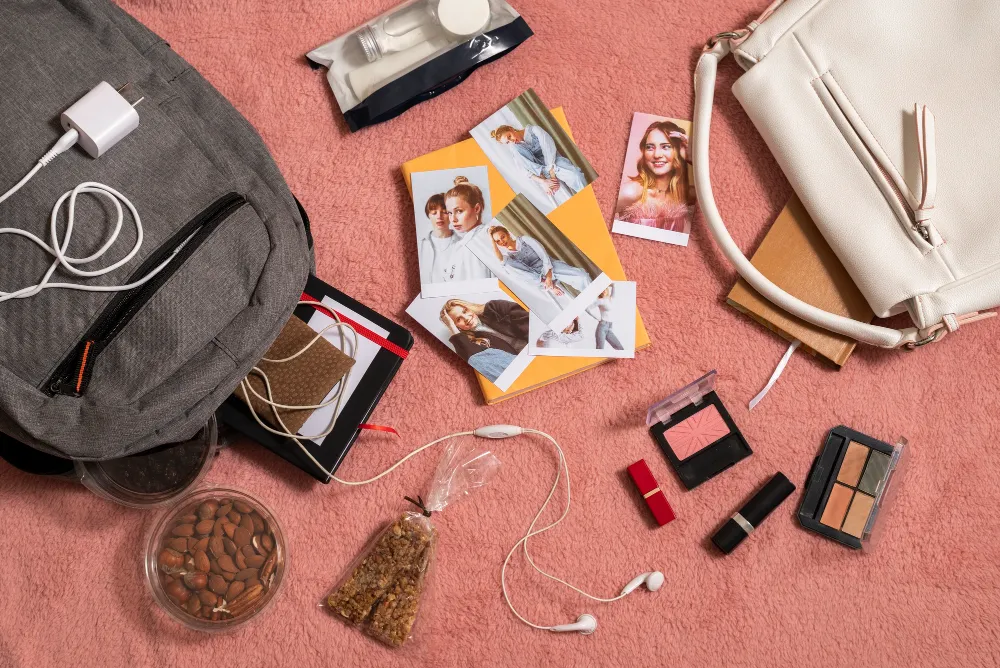
Choosing the right bag for your daily routine depends on three factors: your primary work environment, the items you carry regularly, and your commute method. A corporate employee attending back-to-back meetings requires different functionality than a business owner moving between coworking spaces, retail locations, or client sites. The wrong bag creates daily friction. You’ll struggle with overstuffed compartments, aching shoulders, or unprofessional appearances during important meetings. After testing dozens of everyday bags with professionals across Singapore, we’ve identified the decision framework that eliminates guesswork. Key Takeaways Understanding Your Daily Carry Requirements Before exploring bag types, audit what you actually transport daily. Most professionals overestimate their needs. Core items for corporate roles typically include: This baseline requires 18-22 liters of capacity. CEOs and business owners often add presentation materials, product samples, or multiple devices, pushing requirements to 25-30 liters. What most people miss is weight distribution. A bag holding 5kg feels manageable with proper padding and strap design but becomes unbearable without it. Measure your typical load before selecting capacity. Bag Types That Work for Professional Environments Structured Briefcases and Laptop Bags These remain the gold standard for client-facing roles. Leather or premium synthetic materials project authority while protecting expensive electronics. Look for dedicated laptop sleeves, quick-access pockets for business cards, and reinforced corners. Best for: Finance professionals, consultants, HR executives attending formal meetings. We’ve observed that structured bags maintain their shape even when partially empty, preventing the “slouchy” appearance that undermines professional presence. Backpacks Designed for Business Modern business backpacks have evolved beyond casual campus aesthetics. Premium options feature sleek profiles, lockable zippers, and TSA-friendly laptop compartments that lay flat during airport security checks. Key advantages include superior weight distribution across both shoulders and hands-free mobility during MRT commutes or airport sprints. The stigma around backpacks in corporate settings has largely disappeared, especially in Singapore’s tech and creative industries. Best for: Business owners managing multiple locations, professionals with 30+ minute commutes. Tote Bags and Hybrid Designs Totes appeal to professionals prioritizing accessibility and quick transitions. Quality versions include interior structure panels and laptop sleeves, preventing the “bottomless pit” problem of traditional canvas totes. Fashion-forward professionals appreciate that premium totes transition seamlessly from office to evening networking events. However, they sacrifice ergonomics for style during extended carrying periods. Best for: Creative directors, marketing managers, professionals with short commutes. Material Selection for Singapore’s Climate Humidity, sudden downpours, and air-conditioned environments create unique demands. Materials must resist moisture while remaining presentable after exposure to heat. Ballistic nylon and ripstop polyester outperform traditional canvas in Singapore’s climate. They dry quickly, resist mildew, and maintain structure better than leather alternatives at similar price points. For those prioritizing sustainability, reusable and eco-conscious bag options are increasingly available without compromising functionality. Genuine leather develops patina over time but requires conditioning every 3-4 months to prevent cracking. Full-grain leather justifies its premium if you’re committed to maintenance. Practical Features That Matter Daily Organizational compartments prevent the daily scramble. Dedicated pockets for chargers, pens, and cards save minutes each day. We’ve tested bags with excessive compartments and found 4-6 well-designed sections optimal. Water-resistant zippers and coatings protect electronics during unexpected rain. YKK Aquaguard zippers and DWR (Durable Water Repellent) treatments add minimal cost but significant peace of mind. Luggage pass-throughs benefit professionals who travel monthly or more. Sliding your bag over rolling luggage handles eliminates awkward juggling at Changi Airport. Reflective elements improve visibility during early morning or evening commutes, particularly for professionals cycling or walking portions of their route. Testing Your Bag Choice Before Committing Physical stores allow you to assess three critical factors: weight when loaded, strap comfort, and pocket accessibility. Load your candidate bag with actual items you’ll carry. Walk around for 10-15 minutes. Quality straps shouldn’t dig into shoulders. Zippers should operate smoothly with one hand. The bag should feel balanced rather than pulling you backward or sideways. For detailed guidance on evaluating specific features and styles, explore our comprehensive bag selection guide. Making Your Decision Your ideal daily bag matches your actual routine, not your aspirational one. A business owner might need different bags for client meetings versus operational days. Corporate employees benefit from consistency that reinforces professional branding. Consider purchasing two bags if your week includes distinct contexts: a structured briefcase for Monday-Thursday client meetings and a more casual backpack for Friday’s internal strategy sessions. Quality bags from reputable manufacturers typically offer 2-5 year warranties. Calculate cost-per-use rather than upfront price. A SGD 300 bag used daily for three years costs 27 cents per day, while a SGD 80 bag replaced annually costs 22 cents daily but with added inconvenience and lower performance. Start by documenting your actual daily carry for one week. Choose capacity 20% larger than your maximum load to prevent overstuffing. Prioritize comfort features if you commute more than 20 minutes. Select materials appropriate for Singapore’s climate and your maintenance commitment. Frequently Asked Questions What size bag do I need for a 15-inch laptop and daily essentials? A bag with 18-22 liters of capacity accommodates a 15-inch laptop, charger, notebook, water bottle, and personal items comfortably. Look for dedicated laptop compartments measuring at least 38cm x 28cm to ensure proper fit and protection. Should professionals use backpacks or briefcases in corporate settings? Both are acceptable in modern Singapore workplaces. Backpacks offer superior ergonomics for commutes over 20 minutes, while briefcases project traditional authority in conservative industries like finance and law. Match your choice to your specific company culture and client base. How do I protect my bag and electronics during sudden rain? Choose bags with DWR (Durable Water Repellent) coatings and water-resistant zippers like YKK Aquaguard. Keep a compact rain cover in your bag’s exterior pocket for extended downpours. Consider silica gel packets inside electronics compartments to manage humidity. What’s the difference between leather and synthetic bag materials? Genuine leather develops character over time and can last 10+ years with proper conditioning but requires regular maintenance and costs more upfront. Quality synthetics like ballistic nylon resist moisture better, require
Why Reusable Shopping Bags Are Becoming Popular in Singapore

Reusable shopping bags have surged in popularity across Singapore as both regulatory pressure and corporate sustainability commitments reshape purchasing behavior. What started as an environmental initiative has evolved into a practical business solution, with organizations discovering that branded reusable bags serve dual purposes: reducing single-use plastic waste while functioning as mobile advertisements. The shift reflects Singapore’s broader commitment to becoming a zero-waste nation by 2030, with the National Environment Agency reporting a 20% reduction in plastic bag usage since 2020. Key Takeaways The Business Case for Reusable Shopping Bags Singapore businesses are recognizing that reusable bags represent more than environmental compliance. When a corporate employee carries a well-designed reusable bag to lunch meetings or weekend errands, that bag becomes a walking billboard. Human resource departments have started incorporating quality reusable bags into employee welcome kits and corporate gift programs, viewing them as practical items that recipients actually use rather than discard. The financial argument strengthens when you examine the numbers. Plastic bag charges at major retailers range from SGD 0.10 to SGD 0.50 per bag. For an office worker buying lunch five times weekly, switching to a reusable option prevents approximately 260 plastic bags annually and saves SGD 26-130 depending on purchase patterns. Material Selection Drives Longevity and Brand Image Not all eco-friendly bags deliver equal performance. Material choice significantly impacts both durability and environmental credentials. Recycled PET (rPET) bags, manufactured from post-consumer plastic bottles, offer water resistance and easy cleaning ideal for Singapore’s humid climate. A single rPET bag typically replaces 15-20 plastic bottles. Organic cotton provides a premium feel that resonates with corporate clients seeking sophisticated branding opportunities. These bags withstand 100+ uses when properly maintained and communicate quality through tactile experience. For businesses exploring fashion-forward bag options, cotton canvas strikes the balance between style and sustainability. Jute and hemp alternatives appeal to organizations emphasizing natural materials. While slightly less durable than synthetic options, they decompose completely at end-of-life, creating true circularity. Corporate Implementation Strategies CEOs and business owners approach reusable bag adoption from two angles: internal operations and client-facing initiatives. Internally, companies stock reusable bags in pantries for staff making supply runs or lunch purchases. This simple provision demonstrates corporate values while reducing office-generated plastic waste. The external strategy involves branded bag distribution. Rather than generic giveaways, forward-thinking companies invest in thoughtfully designed bags that recipients genuinely want to carry. This requires understanding how to choose the right bag based on target audience preferences, usage scenarios, and brand positioning. One Singapore tech firm reported that employees used their branded canvas totes 4.2 times weekly on average, generating an estimated 3,500 brand impressions per bag annually. That visibility cost mere dollars per unit. Overcoming Adoption Barriers The primary obstacle remains remembering to bring reusable bags. Successful corporate programs address this through strategic placement: bags in office lobbies, car trunks, and desk drawers create multiple backup options. Some organizations implement gentle reminder systems through digital signage near exits. Hygiene concerns sometimes deter adoption, particularly for food purchases. Modern bag materials support machine washing or simple wipe-down cleaning. Clear care instructions printed inside bags help users maintain hygiene standards. The Regulatory Landscape Singapore’s plastic bag charge, implemented progressively across retailer categories, has created compliance motivation for businesses. Organizations that proactively supply reusable alternatives position themselves ahead of regulatory curves rather than reacting to enforcement. The government’s Resource Sustainability Act sets ambitious packaging waste targets. Companies demonstrating measurable plastic reduction through reusable bag programs strengthen their sustainability reporting and may benefit from future green business incentives. Choosing the Right Supplier Partnership Business owners seeking bulk orders for corporate programs should evaluate suppliers on material certifications, customization capabilities, and minimum order quantities. Reputable vendors provide material samples and proof of ethical manufacturing practices. When exploring comprehensive bag collections, prioritize suppliers offering design consultation to ensure final products align with brand guidelines while meeting functional requirements. Conclusion The reusable shopping bag trend in Singapore represents a convergence of environmental necessity, regulatory compliance, and smart business strategy. For corporate decision-makers, investing in quality reusable bags addresses multiple objectives simultaneously: demonstrating environmental leadership, generating brand visibility, and supporting employee sustainability efforts. The organizations seeing greatest success treat bag selection as a branding decision rather than a commodity purchase, choosing materials and designs that recipients value enough to use repeatedly. Start by piloting a small program within your organization, measure usage rates and employee feedback, then scale accordingly. Frequently Asked Questions How many times must I use a reusable bag to offset its environmental impact? Most reusable bags break even environmentally after 10-50 uses depending on material. Cotton bags require approximately 130 uses to offset production impact, while recycled PET bags achieve carbon neutrality around 10-15 uses. The key is consistent, long-term usage rather than accumulating multiple bags. What bag materials work best in Singapore’s climate? Recycled PET and treated canvas perform exceptionally well in Singapore’s humidity. These materials resist mold growth, dry quickly after rain exposure, and maintain structural integrity. Avoid untreated natural fibers that may deteriorate in persistent moisture unless you commit to regular cleaning and drying. Can reusable bags be customized for corporate branding? Yes, professional suppliers offer screen printing, embroidery, and heat transfer customization. Minimum orders typically start at 100-500 units. Design elements including logos, taglines, and custom colors integrate seamlessly. Higher-quality printing methods ensure branding remains visible through years of regular use. How should businesses calculate ROI on corporate reusable bag programs? Track three metrics: brand impressions (average uses per week × weeks used × visual contacts per use), plastic reduction (bags distributed × estimated annual usage), and employee engagement (survey responses on program value). Most programs achieve positive brand ROI within 6-8 months while delivering immediate environmental benefits. What hygiene practices keep reusable bags safe for food items? Designate specific bags exclusively for food purchases. Wash fabric bags monthly in hot water or wipe synthetic materials with disinfectant weekly. Store bags completely dry to prevent bacterial growth. Consider separate compartments or interior bags for raw proteins to prevent cross-contamination.
