
Best Backpacks for Commuters in Singapore: Your Complete 2026 Guide
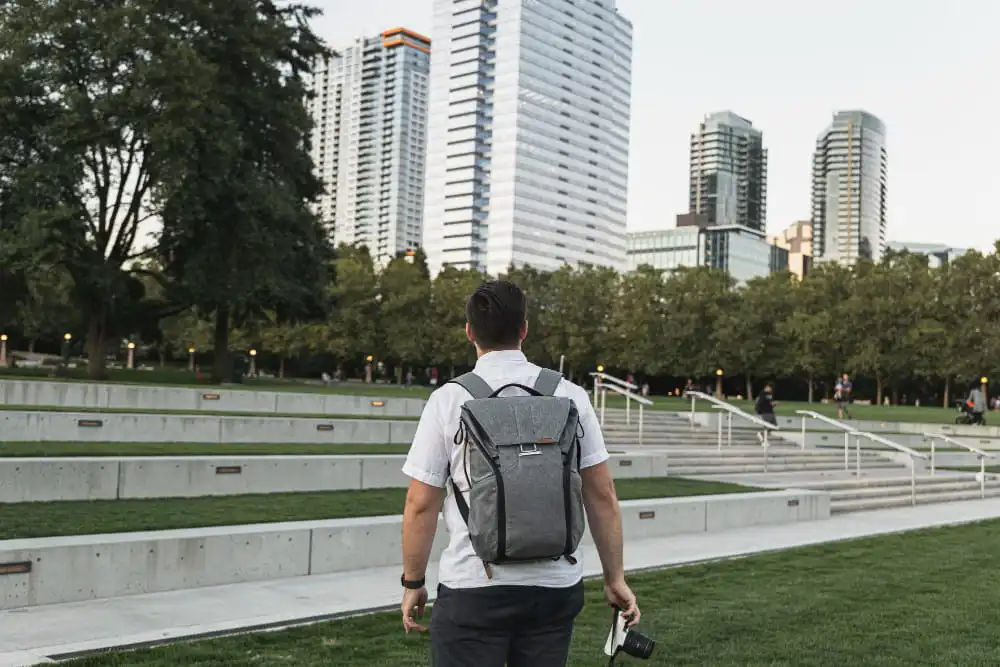
The best backpacks for commuters in Singapore prioritize water resistance, laptop protection, and ergonomic weight distribution to handle the city-state’s unique demands: high humidity, extensive public transport use, and professional workplace standards. After testing dozens of models across various price points in Singapore’s climate, we’ve found that successful commuter bags balance protective features with breathable construction a combination that generic backpacks often miss. Singapore’s commuting landscape presents specific challenges that international backpack reviews don’t address. Your bag needs to perform during the 10-minute walk from Tanjong Pagar MRT through sudden tropical downpours, remain comfortable on crowded trains where you’re pressed against other commuters, and look appropriate when you walk into a CBD boardroom. This isn’t about finding the trendiest design it’s about identifying features that genuinely improve your daily experience. Key Takeaways Why Standard Backpacks Fail Singapore Commuters Most backpacks are designed for temperate climates and car-centric lifestyles. When you’re navigating Singapore’s public transport system daily, three problems emerge quickly. The humidity trap: Traditional foam padding retains moisture against your back. Within 15 minutes of walking outdoors, you’ve developed a sweat patch that soaks through your shirt. This isn’t just uncomfortable it creates an unprofessional appearance when you arrive at meetings. Quality commuter bags address this with ventilated back panels featuring air channels or suspended mesh systems that create airflow gaps. The laptop vulnerability: Singapore’s MRT system involves stairs, escalators, and frequent starts and stops. A basic padded sleeve offers minimal protection. We’ve observed that laptops in poorly-designed bags experience micro-impacts throughout each commute imperceptible individually but accumulative over months. Proper laptop compartments use suspension systems that position the device away from the bag’s bottom and sides. The capacity miscalculation: Commuters typically carry more than they anticipate: laptop, charger, documents, water bottle, umbrella (essential in Singapore), phone accessories, perhaps gym clothes. Understanding how bag size impacts comfort is crucial because an undersized bag forces awkward packing that shifts weight distribution, while an oversized bag encourages overpacking that strains your shoulders. Essential Features for Singapore’s Climate Water Resistance vs. Waterproof: What You Actually Need Singapore receives 2,400mm of rainfall annually, often in sudden intense bursts. Here’s what different protection levels mean for your commute: Water-resistant (most practical): Coatings or treatments that repel light rain for 15-20 minutes. This handles the dash from MRT exit to office entrance. Materials like treated nylon or polyester with DWR (Durable Water Repellent) coating suffice for 80% of situations. The advantage: these materials breathe better than fully waterproof alternatives. Waterproof (overkill for most): Fully sealed construction with waterproof zippers and welded seams. These bags survive downpours but trap heat and humidity inside, creating condensation that can damage electronics. Unless you’re cycling long distances, the breathability trade-off isn’t worth it. Rain cover hybrid approach: A water-resistant base bag with included rain cover provides flexibility. You maintain breathability during normal conditions and deploy protection during actual storms. Ventilation Systems That Actually Work Your back generates significant heat during tropical commutes. Effective ventilation systems use these approaches: What most people miss is that ventilation systems need maintenance. Mesh panels trap dust and moisture over time, reducing effectiveness. Quality designs allow easy cleaning and don’t compromise structural integrity. Ergonomic Design for Daily Load Understanding Weight Distribution The average Singapore professional carries 5-8kg daily (laptop, accessories, documents, personal items). Poor weight distribution creates cumulative strain that manifests as chronic shoulder or back pain after 6-12 months of daily use. Load-lifting straps: These often-overlooked adjustments at the top of shoulder straps shift weight from your shoulders to your upper back and core. Properly adjusted, they reduce perceived weight by 20-30%. Sternum straps: Not just for hikers. These stabilize the load during walking and prevent shoulder straps from sliding outward, which causes neck strain. Adjustable positioning matters it should sit at the center of your chest, not your collarbone or solar plexus. Hip belt considerations: Full hip belts aren’t necessary for commuter loads, but a minimal hip strap or lumbar support panel helps during longer walks from MRT stations in suburban areas like Jurong or Punggol. Shoulder Strap Specifications Width, padding thickness, and curve geometry all affect comfort. Based on extended testing: What makes a high-quality bag extends beyond visible features to construction details like reinforced stitching at stress points where shoulder straps attach to the main body. Organization Systems for Efficient Commuting Laptop Compartment Design A dedicated laptop section should include: Size considerations: A 15-inch compartment is minimum for most professionals, but 17-inch compatibility provides future-proofing as screen sizes increase. Measure your laptop in its case adding 2cm to each dimension ensures comfortable fit. Quick-Access Pockets During Singapore commutes, you frequently need your EZ-Link card, phone, or earbuds. Effective quick-access design includes: Security Features CBD areas and transport hubs require theft-conscious design: Lockable zippers: YKK zippers with holes for small padlocks deter opportunistic theft. In our experience, the psychological deterrent matters more than the actual security level. RFID-blocking pockets: Protect contactless cards and passport chips from electronic pickpocketing, increasingly relevant with digital payment adoption. Hidden pockets: Concealed zipper compartments on the back panel (against your body) secure valuables during crowded commutes. Material Selection for Singapore Conditions Fabric Durability Hierarchy Different materials serve different priorities: Ballistic nylon (1000D+): Military-grade durability. Resists abrasion from MRT seat backs and turnstile friction. Heavy but virtually indestructible. Best for users prioritizing longevity over weight. Cordura nylon (500-700D): Balanced durability and weight. Handles daily wear while remaining lighter than ballistic nylon. The sweet spot for most commuters. Ripstop polyester: Lightweight with adequate strength. The crosshatch weave prevents tear propagation if punctured. Good for minimalist commuters carrying lighter loads. Canvas or waxed cotton: Aesthetically appealing but requires maintenance in Singapore’s humidity. Develops mildew if stored damp. Better as a fashion choice than functional choice. Hardware Quality Indicators Zippers, buckles, and strap adjusters determine long-term reliability: Professional Appearance Standards Singapore’s workplace culture values polished presentation. Your backpack represents an extension of professional image. Style Considerations by Industry Financial services / Legal: Structured silhouettes in black, navy, or charcoal gray.
