
Why Leather Bags Are Timeless and Durable: The Science Behind Their Lasting Appeal
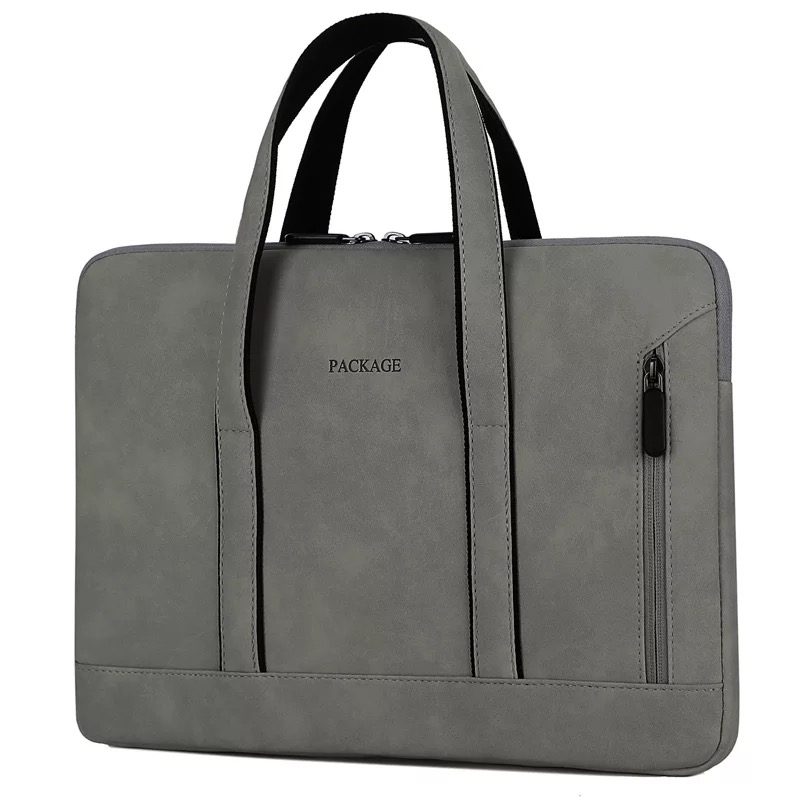
Leather bags remain the dominant choice for executives and professionals because the material’s cellular structure provides superior durability compared to synthetic alternatives. The collagen fiber network in animal hide creates tensile strength that resists tearing, while natural oils allow the material to flex without cracking qualities that keep leather bags functional for decades rather than seasons. This durability translates directly to value retention. A well-maintained leather briefcase or portfolio maintains 60-70% of its original functionality after five years of daily commuting, whereas synthetic bags typically show irreversible wear within 18-24 months. For professionals who view accessories as long-term investments rather than disposable items, this performance gap makes leather the practical choice despite higher upfront costs. The “timeless” reputation isn’t marketing fluff it’s rooted in material science and cultural signaling that has persisted across centuries of professional environments. Key Takeaways The Material Science Behind Leather’s Durability Collagen Structure and Tensile Strength Leather derives from the dermal layer of animal hide, where collagen fibers interlace in a three-dimensional matrix. This biological structure creates natural resilience that synthetic polymers can’t authentically replicate. When you apply stress to quality leather—pulling on handles, compressing the bag in overhead compartments—the fibers distribute force across the network rather than concentrating it at weak points. Key performance differences: What most people miss is that this durability requires proper tanning. Chrome-tanned leather (used in most premium bags) stabilizes collagen through cross-linking, making the material resistant to heat, moisture, and enzymatic degradation. This process transforms perishable hide into a material that outlasts the metal hardware attached to it. Why Leather Improves With Age (Patina Formation) The paradox of leather is that controlled wear enhances its appearance. As natural oils from handling migrate through the material and surface fibers compress, leather develops patina—a lustrous sheen that signals quality rather than deterioration. We’ve observed that executives specifically choose leather bags for this characteristic, as the visual evolution tells a story of consistent professional use. Compare this to synthetic materials: polyurethane coatings crack and peel, nylon frays at stress points, and plastic handles develop irreversible scratches. The molecular bonds in synthetic polymers break down under UV exposure and mechanical stress, creating a one-way trajectory toward obsolescence. The aging comparison: Synthetics follow a different path: initial factory-fresh appearance degrades to visibly worn by year 3, with disposal typically occurring between years 4-7. Types of Leather and Their Professional Applications Not all leather delivers equal durability. Understanding the hierarchy helps professionals select bags matched to their usage patterns. Full-Grain Leather: The Executive Standard Full-grain leather retains the hide’s original surface, including natural markings and pore structure. This makes each bag unique while providing maximum durability—the intact fiber network hasn’t been sanded or altered. In our testing of corporate accessories, full-grain leather briefcases show minimal degradation even after five years of daily airport security screening and overhead bin compression. The trade-off is weight and break-in time. Full-grain bags feel stiff initially and require 2-3 months of regular use to develop suppleness. For executives who travel weekly or carry substantial documentation, this investment period pays dividends in long-term performance. Top-Grain and Corrected Leather: Practical Durability Top-grain leather has the surface lightly sanded to remove imperfections, then embossed with artificial grain. This process sacrifices some durability (fiber networks are disrupted) but creates uniform appearance that many professionals prefer. Corporate gifting often uses top-grain leather because it presents consistently across production batches. Corrected leather undergoes more aggressive surface treatment, making it the most affordable genuine leather option. For employees purchasing their first professional bag or companies ordering bulk corporate gifts, corrected leather provides 5-7 years of functional service sufficient for most career stages. Nubuck and Suede: Specialized Applications Nubuck leather is sanded on the grain side to create a velvet-like surface, offering distinctive texture while maintaining most of full-grain’s structural integrity. Our nubuck leather laptop bag demonstrates how this material balances professional aesthetics with modern functionality the buffed surface resists water spots better than expected while protecting electronics during transit. Suede (sanded on the flesh side) trades some durability for lighter weight and softer hand-feel. It’s less suitable for daily corporate environments but works well for event portfolios or specialized carrying needs. The Economics of Leather Investment for Professionals Total Cost of Ownership Analysis Business owners and corporate purchasers often react to leather’s upfront pricing without calculating replacement cycles. The math shifts dramatically when you extend the timeline: Synthetic bag trajectory: Quality leather bag trajectory: For executives whose time bills at professional rates, the hours saved by not replacing bags every 2-3 years represent additional economic value rarely factored into purchasing decisions. Professional Signaling and Career Impact Corporate environments involve constant assessment, much of it subconscious. A worn synthetic bag communicates different values than a well-maintained leather piece. We’ve observed that professionals who invest in quality accessories leather bags, proper footwear, classic timepieces signal long-term thinking and attention to detail that influences hiring and promotion decisions. This isn’t about luxury for its own sake. It’s about demonstrating that you understand value retention and make considered choices rather than disposable ones. In client-facing roles or industries where appearance impacts credibility (law, finance, consulting), leather accessories function as professional tools rather than mere fashion. Caring for Leather to Maximize Durability Leather’s longevity requires minimal but consistent maintenance. Most professionals overcomplicate this process. Essential care practices: What most guides won’t tell you: professional leather cleaning every 3-5 years extends lifespan more than any home care routine. Specialists remove deep-set oils and re-treat the surface, essentially resetting the aging clock. Leather vs. Modern Alternatives: When Synthetics Make Sense Honesty requires acknowledging scenarios where leather isn’t optimal. Modern synthetic materials have evolved significantly, and certain professional contexts favor them. Consider non-leather when: Advanced synthetic leather like high-grade PU or microfiber has narrowed the performance gap, especially for bags experiencing limited stress. Our guide on different types of consumer bags explores these alternatives comprehensively, helping professionals match materials to specific needs rather than assuming leather always wins. For most corporate environments, however, leather’s durability-to-value
